Product Description
Product Description
Single acting hydraulic cylinder for dump truck
PK SINGLE-ACTING TELESCOPIC CYLINDERS
Work: Up by hydraulic control. Down by trailer body’s self weightInstall position: front-end of the truck
Application:
Dump Trucks and Trailers
Mining Vehicles
Material Handling Vehicles
Construction Vehicles
| Model | Extended Stages | Working Pressure | Max.Rod Diameter | Max.Stroke Length | Lifting Capacity | FC Price (USD) | Suitable Length of Truck Body |
| 129-3E-3880 | 3 | 16-19 MPa | 129mm | 3880mm | 20-35 ton | 1110 | 5.2m |
| 149-3E-3880 | 3 | 16-19 MPa | 149mm | 3880mm | 25-45 ton | 1293 | 5.2m |
| 149-3E-4280 | 3 | 16-19 MPa | 149mm | 4280mm | 25-45 ton | 1293 | 5.6m |
| 149-4E-3880 | 4 | 16-19 MPa | 149mm | 3880mm | 25-40 ton | 1293 | 5.2m |
| 149-4E-4280 | 4 | 16-19 MPa | 149mm | 4280mm | 25-40 ton | 1293 | 5.6m |
| 169-4E-4280 | 4 | 16-19 MPa | 169mm | 4280mm | 30-50 ton | 1400 | 5.2-5.6m |
| 169-4E-4640 | 4 | 16-19 MPa | 169mm | 4640mm | 32-55 ton | 1495 | 5.6-6.1m |
| 169-4E-5000 | 4 | 16-19 MPa | 169mm | 5000mm | 32-60 ton | 1585 | 6.2-6.8m |
| 169-4E-5180 | 4 | 16-19 MPa | 169mm | 5180mm | 32-60 ton | 1630 | 6.2-6.9m |
| 169-4E-5390 | 4 | 16-19 MPa | 169mm | 5390mm | 32-60 ton | 1675 | 6.2-6.9 |
| 169-4E-5460 | 4 | 16-19 MPa | 169mm | 5460mm | 32-60 ton | 1695 | 6.5-7.3 |
| 185-4E-4280 | 4 | 16-19 MPa | 185mm | 4280mm | 25-45 ton | 1295 | 5.6m |
| 185-4E-4640 | 4 | 16-19 MPa | 185mm | 4640mm | 30-45 ton | 1385 | 5.6-6.1m |
| 185-4E-5000 | 4 | 16-19 MPa | 185mm | 5000mm | 32-50 ton | 1475 | 6.2-6.5m |
| 185-4E-5390 | 4 | 16-19 MPa | 185mm | 5390mm | 40-60 ton | 1570 | 6.2-6.8m |
| 185-4E-5460 | 4 | 16-19 MPa | 185mm | 5460mm | 40-65 ton | 1461 | 6.5-7.3m |
| 185-4E-5780 | 4 | 16-19 MPa | 185mm | 5780mm | 45-70 ton | 1610 | 6.9-7.7m |
| 185-4E-6000 | 4 | 16-19 MPa | 185mm | 6000mm | 50-80 ton | 1755 | 7.3-8.2m |
| 191-5E-5780 | 5 | 16-19 MPa | 191mm | 5780mm | 40-70 ton | 2125 | 6.9-7.7m |
| 191-5E-6200 | 5 | 16-19 MPa | 191mm | 6200mm | 45-80 ton | 2270 | 7.3-8.2m |
| 191-5E-7130 | 5 | 16-19 MPa | 191mm | 7130mm | 50-85 ton | 2640 | 7.8-8.5m |
| 191-5E-9030 | 5 | 16-19 MPa | 191mm | 9030mm | 55-90 ton | 3380 | 10-11m |
| 220-5E-7130 | 5 | 16-19 MPa | 220mm | 7130mm | 65-100 ton | 3420 | 7.8-8.5m |
| 220-5E-9030 | 5 | 16-19 MPa | 220mm | 9030mm | 65-100 ton | 4435 | 10-11m |
NOTICE :
1. All cylinder tube material is 27SiMn seamless honed tube.
2. All mounting parts use the high strength forgings and welded on the cylinder rod or tube by the automatic welding machine. Regular and full weld.
3. All import material seal kit (voneseals, hallite or hercules). U-cap with V packing without seal adjustment needed.
4. All the cylinder tube (quenching and heat treatment), with more than 0.03mm hard chromeplating.
5. All tube doing the boring and rolling.
6. All the part produced by CNC MACHINING CENTER.
7. All the parts do the clean before assembly.
All the cylinder do the pressure test and keep pressure more than 5 Min. Test the welding part with developer.
Production process
Product Parameters
Company Profile
ZheJiang Dingsheng Industrial Trade Co., Ltd. is a professional enterprise that supply hydraulic cylinders, hydraulic systems, hydraulic power unit and hydraulic machinery and equipment, with complete product categories, reliable quality and reasonable price. Our factory covers an area of 66,600 square meters. It has a total of 100 sets of deep hole boring equipment, test equipment, various CNC machining machine, cylindrical grinding machines, centerless grinding machines, welding production lines. The factory passed IS O 9001quality system certification.
We take time with each of our customers to ensure that their needs are met from the purchase order to the production, inspection till the delivery, great care goes into each single item we manufacture and sell!
Besides, you deserve more from Dingsheng to know us better:
Verify audit report/Replied within 12 hours/Up to date catalogs/Inspection report/On-time Shipping.
From the vast offerings of innovative designing to our exceptional service, including the ability to customize programs & strict quality control, competitive pricing, these are just a few criteria that have allowed us to achieve the level of success we have today and to partner with some of exciting, innovative customers in today’s international marketplace.
At Dingsheng, your success is our success!
Packaging & Shipping
Customer feedback
Certifications
Our Exhibition
/* October 22, 2571 15:47:17 */(()=>{function d(e,r){var a,o={};try{e&&e.split(“,”).forEach(function(e,t){e&&(a=e.match(/(.*?):(.*)$/))&&1
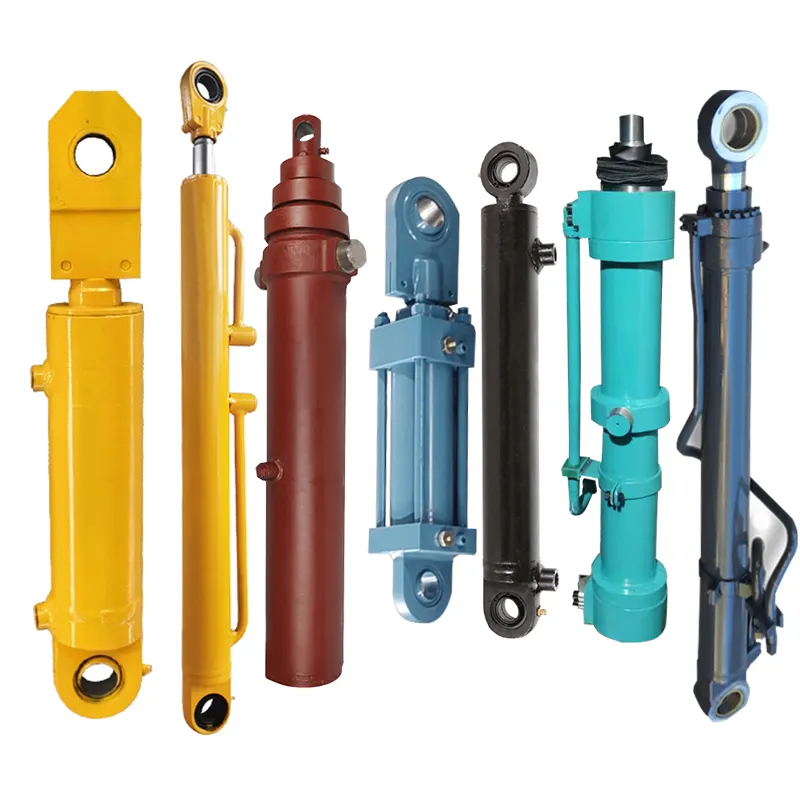
How does a lift cylinder handle variations in cylinder size and capacity?
A lift cylinder is designed to handle variations in cylinder size and capacity to accommodate different lifting requirements. Here’s an explanation of how lift cylinders handle these variations:
1. Size and Dimensions:
Lift cylinders come in various sizes and dimensions to suit different applications. The cylinder size refers to its overall dimensions, such as the diameter and length of the cylinder body. Lift cylinders can be manufactured in a range of sizes, allowing for flexibility in selecting the appropriate cylinder size based on the specific lifting needs. Larger cylinders are capable of generating greater lifting force, while smaller cylinders are more compact and suitable for applications with limited space.
2. Capacity and Load Rating:
The capacity of a lift cylinder refers to the maximum load it can lift safely. Lift cylinders are rated for specific load capacities, and it is important to select a cylinder with a suitable capacity for the intended lifting task. Lift cylinders with higher load ratings are designed to handle heavier loads, while cylinders with lower load ratings are suitable for lighter loads. The capacity of the lift cylinder is determined by factors such as its construction, materials, and structural integrity.
3. Hydraulic Pressure:
The hydraulic pressure applied to the lift cylinder affects its lifting capacity and force generation. By adjusting the hydraulic pressure within the system, operators can control the lifting capability of the cylinder. Higher hydraulic pressure results in increased lifting force, allowing the cylinder to handle larger loads. Conversely, lower hydraulic pressure reduces the lifting capacity of the cylinder, making it suitable for lighter loads. The hydraulic pressure can be regulated using control valves or pressure relief valves within the hydraulic system.
4. Application-specific Design:
Lift cylinders are designed to meet the requirements of specific applications. Manufacturers take into consideration factors such as load characteristics, operating conditions, and safety considerations when designing lift cylinders. This ensures that the cylinder size and capacity are matched to the demands of the application, allowing for efficient and safe lifting operations.
5. Customization Options:
In some cases, lift cylinders can be customized to fit specific size or capacity requirements. Manufacturers may offer customization options such as special sizes, load capacity modifications, or additional features to meet unique application needs. Customization allows for a tailored solution that optimizes the performance and efficiency of the lift cylinder in a particular setting.
In summary, lift cylinders handle variations in cylinder size and capacity by offering a range of sizes and load ratings. The hydraulic pressure can be adjusted to match the lifting requirements, and lift cylinders can be customized for specific applications. With their versatility and adaptability, lift cylinders provide efficient and reliable lifting capabilities across a wide range of industries and lifting tasks.
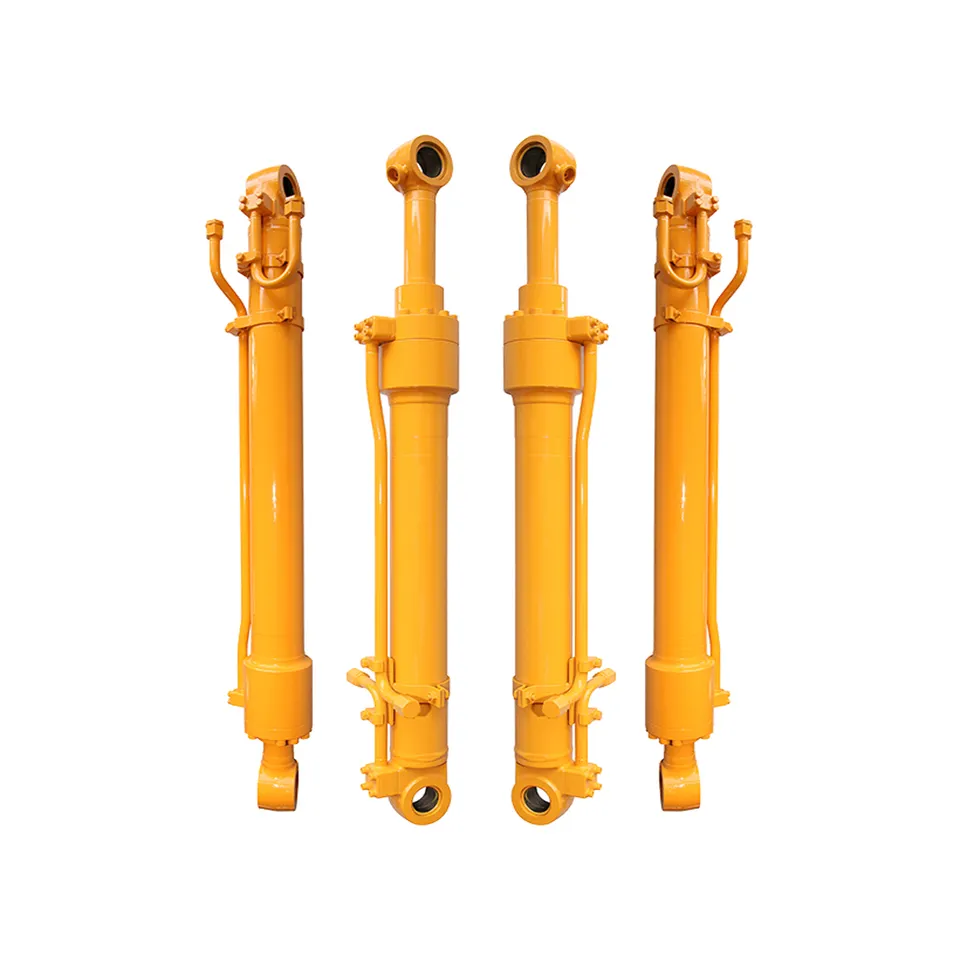
Can lift cylinders be used in manufacturing and production machinery?
Yes, lift cylinders are commonly used in manufacturing and production machinery. Lift cylinders, also known as hydraulic cylinders, are devices that generate linear force and motion through the use of pressurized hydraulic fluid. They are widely employed in various industrial applications for lifting, pushing, pulling, and holding heavy loads.
In manufacturing and production machinery, lift cylinders play a crucial role in providing controlled movement and force for a wide range of tasks. Here are some examples of how lift cylinders are used:
- Material Handling: Lift cylinders are utilized in machinery such as forklifts, cranes, and material handling equipment to lift and transport heavy objects. They allow for precise positioning and movement of loads, improving efficiency and safety in material handling operations.
- Assembly and Automation: Lift cylinders are integrated into assembly lines and automated machinery to perform tasks like part insertion, pressing, and clamping. They provide the necessary force and motion required for assembling components or joining parts together.
- Presses and Punching Machines: Lift cylinders are employed in presses and punching machines to exert force for bending, forming, and shaping materials. These cylinders ensure accurate and consistent results in metalworking processes.
- Industrial Robots: Lift cylinders are used in robotic systems to enable lifting and manipulation of objects. They facilitate the controlled movement of robot arms and end-effectors, allowing robots to perform tasks such as pick-and-place operations, welding, and painting.
Lift cylinders offer several advantages in manufacturing and production machinery. They provide high force capabilities, precise control over movement, compact design, and the ability to operate in various orientations. Furthermore, their hydraulic nature allows for smooth and gradual acceleration and deceleration, reducing the risk of damage to the machinery or the materials being handled.
In conclusion, lift cylinders are extensively utilized in manufacturing and production machinery across different industries. Their versatility, reliability, and ability to generate controlled linear force make them essential components in a wide range of industrial applications.
Can you explain the role of hydraulic fluid in a lift cylinder?
Hydraulic fluid plays a crucial role in the operation of a lift cylinder. It serves as the medium through which force is transmitted to generate motion and provide lifting or lowering capabilities. Here’s an explanation of the role of hydraulic fluid in a lift cylinder:
1. Transmission of Force:
Hydraulic fluid acts as a medium for transmitting force within the lift cylinder. When pressurized, the hydraulic fluid applies force on the piston, which then transfers that force to the load through the rod. The force exerted by the hydraulic fluid is transmitted equally in all directions due to Pascal’s law, allowing for effective lifting or lowering of heavy loads.
2. Energy Transfer:
Hydraulic fluid is responsible for transferring energy within the hydraulic system. The hydraulic fluid is pressurized by a pump, which converts mechanical energy into hydraulic energy. This pressurized fluid carries the energy to the lift cylinder, where it is converted back into mechanical energy to perform the lifting or lowering action. The ability of hydraulic fluid to store and transmit energy efficiently makes it ideal for power transmission in hydraulic systems.
3. Lubrication and Cooling:
Hydraulic fluid serves as a lubricant within the lift cylinder to reduce friction and wear between moving parts, such as the piston and the cylinder barrel. This lubrication helps to enhance the longevity and smooth operation of the cylinder components. Additionally, the hydraulic fluid also aids in cooling the system by absorbing heat generated during operation, preventing overheating and ensuring optimal performance.
4. Sealing and Contamination Control:
Hydraulic fluid plays a critical role in sealing the lift cylinder and preventing leakage. It works in conjunction with seals located between the piston and cylinder barrel, as well as around the rod, to create a tight and secure hydraulic system. The hydraulic fluid also helps to control contamination by keeping external contaminants, such as dirt and debris, from entering the cylinder and affecting its performance.
5. System Efficiency:
The properties of hydraulic fluid, such as its viscosity and flow characteristics, directly impact the efficiency of the lift cylinder system. The choice of the appropriate hydraulic fluid ensures smooth and efficient operation, minimizing energy losses and maximizing system performance.
In summary, hydraulic fluid plays a vital role in a lift cylinder by transmitting force, transferring energy, lubricating and cooling the system, sealing against leaks, controlling contamination, and contributing to system efficiency. It enables the lift cylinder to generate the necessary force and motion to lift or lower heavy loads, while also ensuring the smooth and reliable operation of the hydraulic system.


editor by Dream 2024-11-26