Construction Machinery Series · Monograph XXVI
Mast Telescopic Cylinders for Excavator Drilling Rigs
Rotary drilling rigs and excavator-mounted foundation drilling attachments are the core prime movers in heavy civil engineering and piling construction. These machines deploy towering masts that must extend deeply into excavation pits and retract securely for transit. Driving this long-stroke mast positioning are double-acting multi-stage telescopic cylinders, designed to deliver powered push-and-pull forces within a highly constrained installation envelope. Operating continuously in heavy abrasive dust environments, these actuators face severe tribological challenges. This comprehensive engineering guide examines the mechanics of double-acting telescopic actuation, Q345D low-alloy structural metallurgy, the root causes of inter-stage fluid leakage under high particulate exposure, hard chrome tribology, and the advanced multi-stage sealing architectures required to ensure zero-leak performance in extreme foundation engineering applications.
Multi-Stage Sealing Array
Double-Acting Telescopic Kinematics
Engineering Specifications Matrix for Mast Telescopic Cylinders
The following engineering parameters establish the structural, metallurgical, sealing, and operational benchmarks required for double-acting multi-stage telescopic cylinders deployed on excavator drilling rigs and piling attachments.
| Engineering Parameter | Construction Machinery Specification Standard |
|---|---|
| Equipment Category & Application | Construction Machinery / Excavator Drilling Rigs & Foundation Piling Attachments |
| Subsystem Motion Profile | Mast Extension & Retraction / Long-Stroke Tool Positioning |
| Hydraulic Cylinder Name | Mast Telescopic Cylinder (Double-Acting Type) |
| Action Mode & Structural Type | Double-Acting Multi-Stage Telescopic (Powered Push Extension & Powered Pull Retraction) |
| Manufacturing Construction | Heavy-Duty Robotic Welded Architecture (AWS D1.1 Compliant) |
| Material System Metallurgy | Q345D Low-Alloy High-Strength Structural Steel (GB/T 1591 / EN 10025 S355J2) |
| Surface Finish & Plating | Precision Hard Chrome Plating (30–45 μm) on All Internal Stage Sleeves |
| Environmental Rating Class | High Particulate / Airborne Silica Dust + Mud Slurry + Heavy Impact Vibrations |
| Working Conditions Profile | Long-Stroke Extension (3,000mm – 8,000mm) + Dynamic Side Loading + High Pressure |
| Primary Failure Mitigated | Inter-Stage Oil Leakage, Seal Extrusion, & Particulate Grooving |
| Recommended Engineering Keypoints | Engineered Multi-Stage Sealing Array + Heavy-Duty Dust Scrapers + PEEK Anti-Extrusion |
| Nominal Operating Pressure | 25.0 MPa to 31.5 MPa (250 – 315 Bar) Heavy-Duty Hydraulic Circuit Pressure |
Mast Extension Kinematics and Double-Acting Telescopic Dynamics
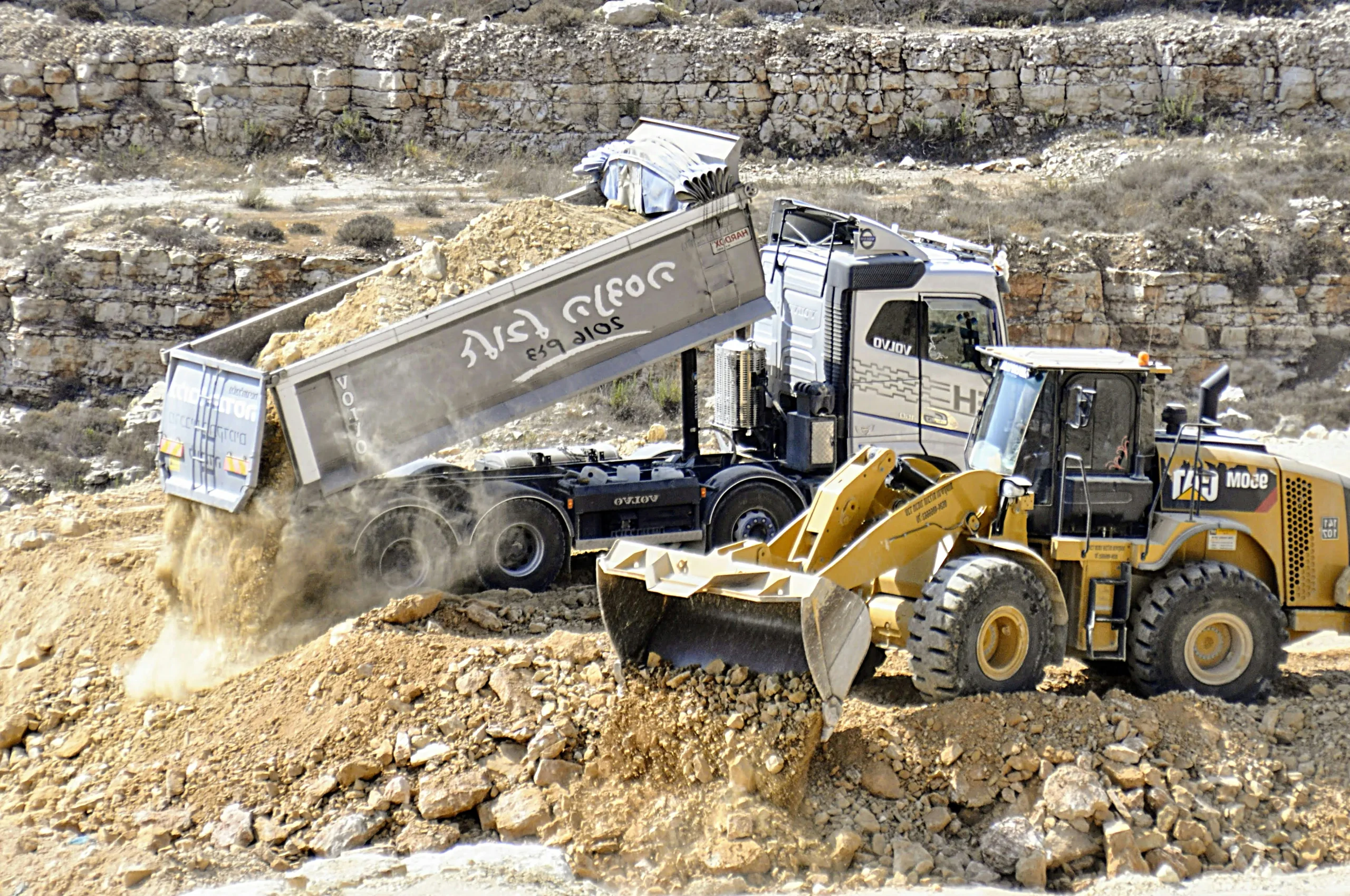
In foundation engineering, excavator-mounted drilling rigs utilize a vertical mast structure to guide the rotary drive head and Kelly bar deep into the earth. To accommodate long drill strings while allowing the machine to fold into a compact profile for low-boy trailer transport, the mast structure itself must be capable of significant elongation. This motion is powered by heavy-duty multi-stage telescopic lift cylinders.
Unlike dump truck hoist cylinders which rely on gravity for retraction (single-acting), drilling mast cylinders must forcibly pull the heavy mast structure back together, overcoming friction, mud suction, and mechanical binding. Therefore, they are engineered as Double-Acting Multi-Stage Telescopic Cylinders.
Sequential Area Reduction and Powered Retraction Forces
A double-acting telescopic cylinder utilizes complex internal porting to deliver hydraulic pressure to both the full bore area (for extension) and the annular area between stage sleeves (for retraction). During extension, hydraulic oil flows into the base port, acting against the full area of the largest stage first:
During retraction, pressurized oil is routed into the rod-end port, filling the annular volume between the outer tube wall and the internal piston rod of each stage. The pull force (Fpull) is significantly lower than the push force due to the reduced effective area:
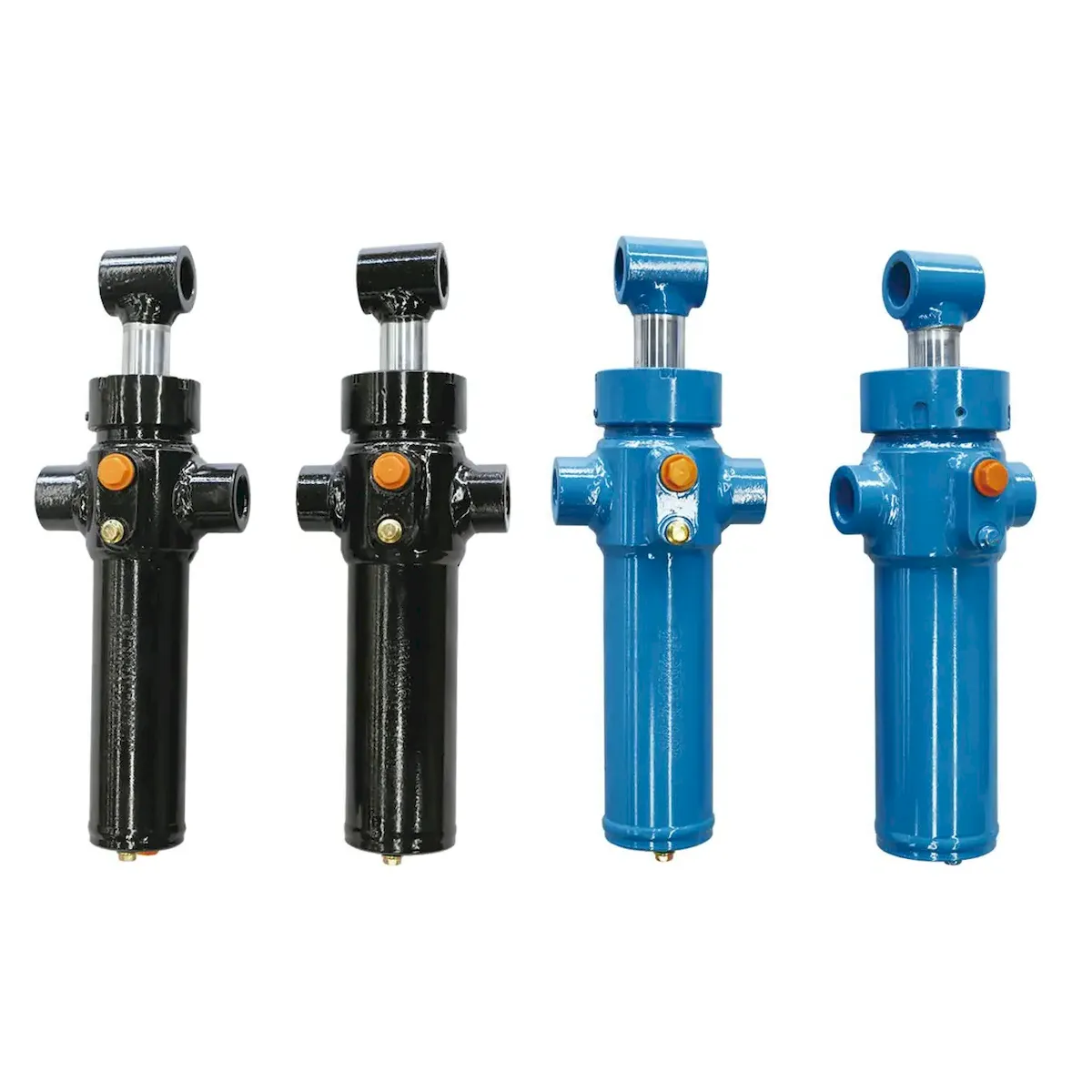
This internal architecture requires multiple sets of high-pressure dynamic seals per stage: an external gland seal pack to prevent oil leaking to the environment, and an internal piston seal pack to separate the extension and retraction pressure chambers. This multi-seal dependency makes double-acting telescopic cylinders highly sensitive to contamination and pressure spikes.
Root Cause Failure Analysis: Inter-Stage Oil Leakage
Construction sites expose heavy machinery to dense clouds of airborne silica dust, cement powder, and rock fragments. Field engineering data indicates that Inter-Stage Oil Leakage—characterized by hydraulic fluid weeping down the extended stage sleeves—is the predominant failure mode for excavator drilling rig mast cylinders operating in high-dust environments.
Because a double-acting multi-stage cylinder has multiple dynamic sealing interfaces, the failure of a single gland seal immediately results in external fluid loss, loss of mast positioning rigidity, and severe environmental contamination.
1. Silica Dust Ingress and Seal Lapping Mechanics
During mast extension, the long-stroke stage sleeves (often extending over 4 to 8 meters) are exposed directly to the harsh construction atmosphere. Fine silica sand (quartz, hardness 7 Mohs) adheres to the residual lubricating oil film on the hard-chromed sleeves.
During powered retraction, standard elastomer dust wipers are overwhelmed by the heavy particulate volume. Silica grains slip under the wiper lip and embed into the softer polyurethane primary dynamic seals. These embedded particles act like sandpaper, cutting deep longitudinal micro-grooves across the dynamic sealing lip and scoring the hard-chrome surface, creating open channels for high-pressure oil to bypass.

2. High-Pressure Radial Expansion and Seal Extrusion
Excavator hydraulic circuits operate at intense pressures (25.0 to 31.5 MPa). When the mast encounters sudden mechanical resistance, pressure spikes propagate through the cylinder. The thin-walled telescopic stage sleeves undergo elastic radial expansion, temporarily widening the clearance gap between the inner sleeve and the outer gland housing.
Under these extreme pressures, the heel of a standard polyurethane seal is forced (extruded) into this widened gap. As the pressure normalizes and the tube contracts, or during reciprocating motion, the extruded seal material is sheared off—a catastrophic failure known as “extrusion nibbling” that rapidly destroys the seal’s structural integrity and leads to massive oil leakage.
1. Silica Abrasive Lapping
Airborne quartz dust breaches standard wipers, embedding into soft seals and cutting micro-leak paths across the primary seal face and chrome rod.
2. Radial Tube Expansion
High-pressure spikes (31.5 MPa) force thin-walled stage tubes to stretch radially, expanding the inter-stage clearance gaps beyond seal design limits.
3. Extrusion Nibbling
Soft seal heels are forced into expanded clearance gaps and sheared off during mast motion, destroying the dynamic seal and causing catastrophic fluid leaks.
Structural Metallurgy: Q345D Steel & Chrome Tribology
To mitigate radial tube expansion and prevent mast buckling under long-stroke extension, excavator drilling mast cylinders require materials with exceptionally high yield strength. Utilizing standard low-carbon steels (like Q235B) necessitates overly thick tube walls, excessively increasing the weight of the telescopic assembly and limiting mast payload capacity.
These heavy-duty telescopic actuators deploy “Q345D low-alloy high-strength structural steel” (conforming to GB/T 1591, equivalent to EN 10025-3 S355J2) for all nested stage tubes and the outer barrel housing.
High Yield Limit and Low-Temperature Toughness
Q345D utilizes a micro-alloyed ferrite-perlite structure containing Manganese (1.00 – 1.60%) and Silicon to achieve a yield strength (σs) ≥ 345 MPa and ultimate tensile strength (σb) of 470 – 630 MPa. This robust yield strength restricts elastic hoop expansion during 31.5 MPa pressure spikes, maintaining tight inter-stage clearance gaps and directly preventing seal extrusion.
Furthermore, the “D” quality classification guarantees Charpy V-notch impact toughness (Av ≥ 34 Joules) at -20°C, ensuring the thin-walled stage tubes resist brittle fracture when subjected to heavy drilling vibrations in freezing winter environments.
| Steel Material Grade | Yield Strength (σs) | Tensile Strength (σb) | Charpy Impact Energy (-20°C) |
|---|---|---|---|
| Q235B (Standard Carbon Steel) | ≥ 235 MPa | 370 – 500 MPa | ≤ 20 J @ +20°C |
| Q345D Low-Alloy Steel (Normalized) | ≥ 345 MPa | 470 – 630 MPa | ≥ 34 J @ -20°C |
| 27SiMn High-Strength Alloy Steel | ≥ 800 MPa | ≥ 980 MPa | ≥ 39 J @ -20°C |
Thick Hard Chrome Surface Plating
To combat the extreme abrasion of silica rock dust, the outer diameter of each Q345D telescopic stage is precision ground (Ra ≤ 0.20 μm) and heavily electroplated with 30 μm to 45 μm of micro-cracked hard chromium (hardness 850-1000 HV). This extra-thick, ultra-hard chrome layer acts as a primary armor, preventing fine silica grains from cutting into the base steel during long-stroke operation.
Recommended Configuration: Advanced Multi-Stage Sealingc
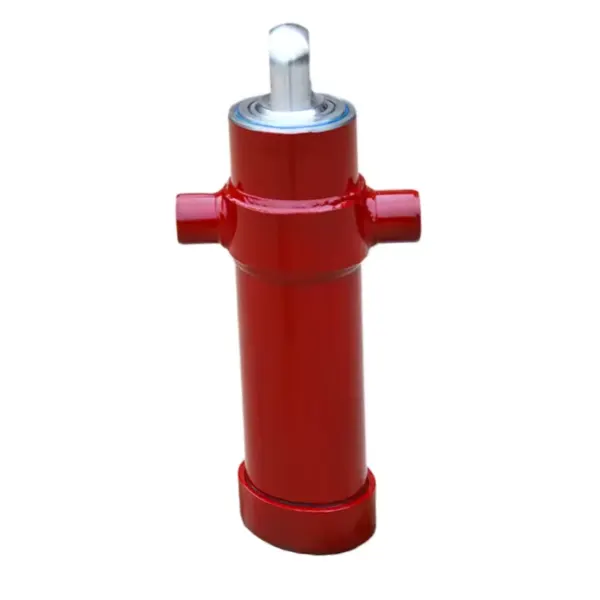
Eliminating inter-stage fluid bypass and protecting against silica dust abrasion in excavator mast cylinders requires moving beyond standard single-lip seals. These heavy-duty telescopic actuators must be equipped with an engineered “Multi-Stage Sealing Array” housed within each stage gland.
The Engineered Gland Tribology Package
- ▸
Heavy-Duty Double-Lip Metal-Cased Scrapers: The outermost defense line is a high-durometer (95 Shore A) polyurethane scraper encased in a rigid steel shell. The aggressive outer lip breaks away dried mud crusts and sweeps silica dust, while the inner lip retains fluid to prevent dry-running friction. - ▸
Fabric-Reinforced Vee-Packing Stacks: Rather than a single U-cup, the primary dynamic seal is a stacked array of fabric-reinforced rubber Vee-rings. Fabric reinforcement provides immense tear strength, allowing the seal lips to resist micro-cutting from any stray abrasive particles that bypass the scraper. - ▸
Virgin PEEK Anti-Extrusion Back-Up Rings: Positioned at the heel of the pressure seals, Polyetheretherketone (PEEK) rings provide a high tensile modulus barrier. Under 31.5 MPa pressure spikes, PEEK bridges the expanded clearance gap, effectively blocking soft seal heel extrusion and preventing nibbling failures. - ▸
Double-Acting Internal Piston Step Seals: The internal piston separating the push and pull chambers utilizes PTFE (Teflon) step seals energized by NBR O-rings, ensuring zero fluid crossover between extension and retraction circuits.
Specifying a robust double-acting telescopic hydraulic cylinder engineered with Q345D high-strength steel and a comprehensive multi-stage sealing array guarantees zero-leak performance and extends maintenance intervals in brutal foundation engineering environments.
Preventive Maintenance, Fluid Hygiene, and Diagnostic SOP
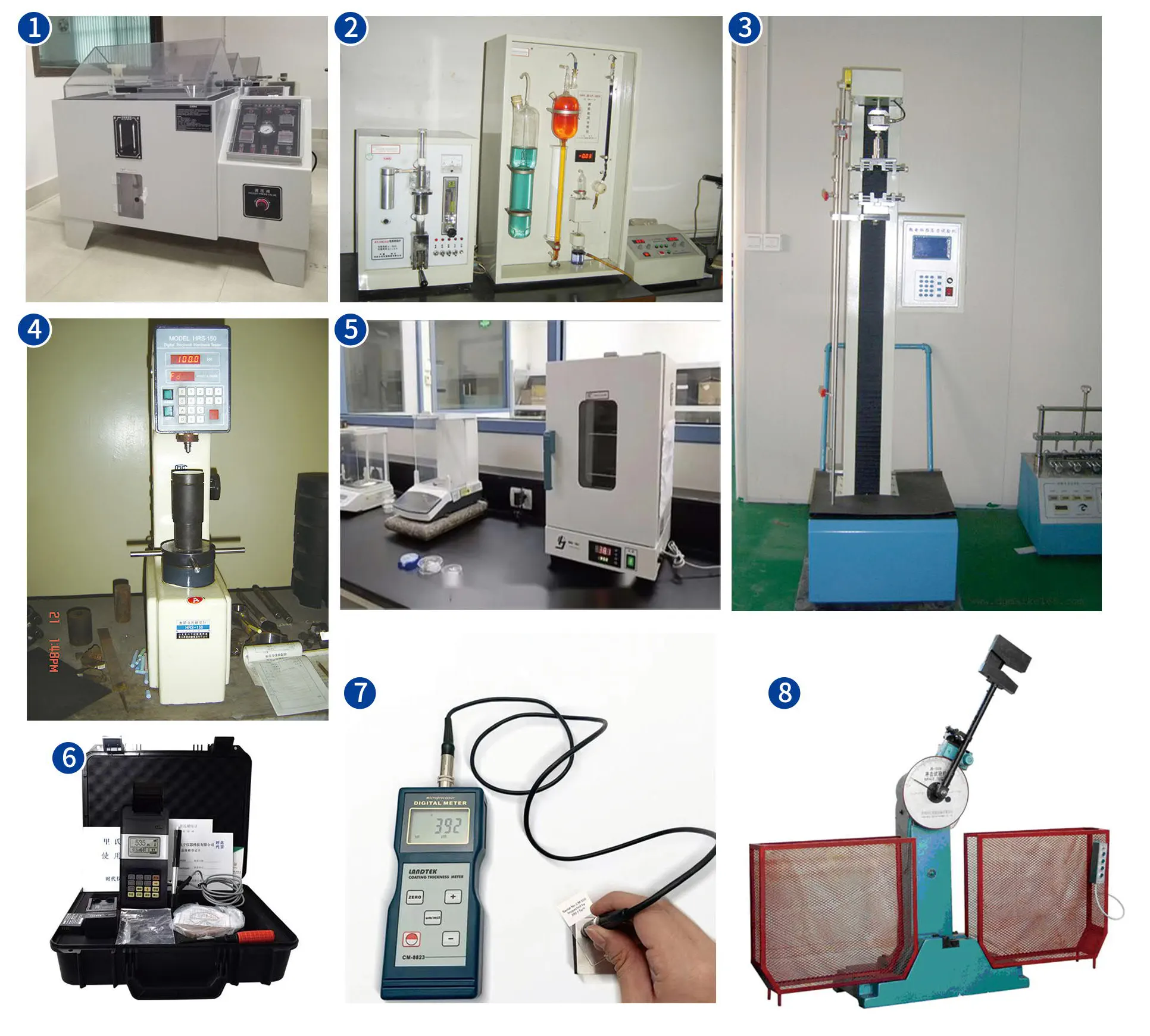
To maintain drilling rig uptime and prevent massive hydraulic fluid loss, heavy equipment technicians must enforce rigorous particulate management and diagnostic protocols.
Particulate Washdown and Fluid Filtration Targets
Hydraulic fluid in excavator drilling circuits must be filtered to an ISO 4406 cleanliness code of 17/15/12. At the end of every shift, operators must fully extend the mast cylinders and perform a pressure wash to remove encrusted cement dust, abrasive silica mud, and rock slurry from the chrome stage sleeves before they retract and carry debris into the gland wipers.
Diagnostic SOP for Inter-Stage Fluid Bypass
Field mechanics can isolate fluid leakage in multi-stage mast cylinders using this routine:
1. External Gland Weeping Test
Extend the mast under high working pressure. Clean all inter-stage gland junctions with solvent and dry with compressed air. Hold pressure for 10 minutes. If hydraulic oil streaks appear down the chrome sleeves, the external gland sealing array (Vee-packings) has failed and requires repacking.
2. Internal Piston Bypass Isolation
If the mast drifts downward without external weeping, disconnect the rod-end (retraction) hydraulic hose and cap it. Apply maximum pressure to the base-end port. If fluid flows continuously from the open rod-end port, the internal double-acting piston step seals have blown out, allowing cross-chamber fluid bypass.
Frequently Asked Questions: Drilling Rig Mast Cylinders
What causes inter-stage oil leakage on excavator drilling rig mast cylinders?
Inter-stage oil leakage on excavator drilling rig mast cylinders is primarily caused by a combination of abrasive silica dust ingress and high-pressure seal extrusion. Airborne construction dust bypasses worn scraper rings, embedding into soft gland seals and scoring the chrome sleeves. Simultaneously, high pressure spikes (above 25 MPa) cause radial tube expansion, allowing the damaged seal heels to extrude into the clearance gap and shear off (nibbling), completely destroying fluid containment.
How does a double-acting multi-stage telescopic cylinder differ from a single-acting one?
A single-acting telescopic cylinder uses hydraulic pressure only to extend and relies on gravity or load weight to retract. A double-acting multi-stage telescopic cylinder utilizes complex internal fluid porting to deliver hydraulic pressure to both sides of internal pistons. This design provides powerful pushing force for extension and controlled, powered pulling force for retraction, which is essential for pulling heavy masts downward against mechanical friction and mud suction.
Why use Q345D steel for mast telescopic cylinders in construction machinery?
Q345D low-alloy high-strength steel delivers a minimum yield strength of 345 MPa and guaranteed Charpy V-notch impact toughness at -20°C. This high yield strength allows engineers to use thinner tube walls without risking elastic radial expansion or column buckling during high-pressure lifting, keeping the long-stroke mast assembly lightweight while ensuring structural safety in freezing construction environments.
How do advanced multi-stage sealing systems prevent fluid leaks in high-dust environments?
Advanced multi-stage sealing systems integrate heavy-duty metal-cased polyurethane scrapers to aggressively block abrasive silica dust. Behind the scraper, fabric-reinforced Vee-packing stacks resist micro-cutting and tearing from any stray particles. Finally, PEEK anti-extrusion back-up rings bridge the clearance gap behind the seals, preventing soft seal heels from extruding outward during extreme pressure surges.
Strategic Procurement and Total Cost of Ownership
For construction machinery OEMs, foundation engineering contractors, and fleet managers, the failure of a drilling rig mast cylinder halts entire job sites, incurring massive daily downtime penalties. Sourcing low-cost cylinders with standard carbon steel tubes or single-lip polyurethane seals guarantees rapid abrasive failure, catastrophic oil leaks, and an unacceptably high Total Cost of Ownership (TCO) in dusty excavation sites.
Procurement engineers must rigorously evaluate technical options across construction equipment hydraulic cylinder options, verifying Q345D steel certifications, hard chrome thickness, and multi-stage seal pack specifications. Equipping excavator drilling rigs with heavy-duty double-acting telescopic hydraulic lift cylinders engineered with PEEK back-up rings and fabric-reinforced seals ensures absolute reliability, zero fluid loss, and extended operational lifespans across extreme piling applications.
Upgrade Your Drilling Rigs with Leak-Proof Mast Power
Eliminate abrasive silica seal wear, prevent extrusion nibbling, and secure zero-leak multi-stage lifting performance under heavy dust loads. Explore our complete series of double-acting, Q345D multi-stage telescopic cylinders engineered for heavy construction machinery.