Product Description
Our company produces all series of hydraulic cylinders, including engineering cylinders, tie rod cylinders, earring cylinders, multi-section cylinders, flange cylinders, high pressure cylinders, heavy-duty cylinders, HSG series hydraulic cylinders, single-acting cylinders, two-way cylinders, and other non-standard customized hydraulic product. After years of practice, our company has accumulated rich experience in processing and installation. The parts are precision CNC machined by all series of horizontal lathe, and the seals are made of CHINAMFG imported famous brand products. The products are continuously improved and improved, and the quality and accuracy are reliable and stable. Our cylinder products have been exported to the Middle East. , Asia, Europe and the United States and other places, we have more than 10 years of cooperation with oil cylinder customers.
In order to achieve maximum quality control, 80% of our parts are produced by ourselves, among which we can process super-large hydraulic cylinder body parts and telescopic shaft parts with our large horizontal lathes, we can even turn hydraulic cylinders with a length of more than 11 meters, and The surface finish of the shaft cylinder can reach Ra1.6 directly through the lathe.
Our main products :
tie rod cylinder, welding cylinder, double-acting cylinder, single-acting cylinder, piston cylinder, plunger cylinder, single-rod cylinder, double-rod cylinder, etc.;
Technical parameters: The cylinder diameter is 32~320mm, the stroke is 5~6000mm, and the working pressure is 2.5~31Mpa;
The installation methods include flange, single ear, double ear, foot seat, hinge shaft, welded pipe, etc., and provide rod end connectors, including Y-type joint, I-type joint, joint bearing, welded pipe, etc.;
YXF Metal was founded in 1999, our factory currently has more than 1600 employees, covering an area of over 1,00,000 square meters, which has 4 sections: Equipment Assembly Dept., Metal Fabrication Dept, Precision CNC Machining Dept, Casting and Forging Dept.
We provide full service fabricating service , from material supply, cutting and forming, rough machining, finish machining, welding assembly, and surface treatment, to the final packaging and transportation.
Being as a large capacity machine shop, we have equipped a series of multiple CNC machines for both vertical and horizontal manufacture enable us to machine complex components of a large array of sizes. Our machining workshop has advanced 30-meter and 26-meter double gantry machining centers, which can basically process the precision milling and boring requirements of even the largest workpieces in various industries all around the globe.
We have a series of imported CNC Machining equipment, including large gantry machining center, horizontal boring and milling machine, turning and milling compound center, large vertical lathe machining center, heavy horizontal lathe machining center, dmulti-hole drilling and other machining equipment facilities.
Our processing capabilities are as follows:
| Gantry Machining Center | Max Height:4000mm | Max Width:4500mm | Max Length: 30000mm | ||
| Large Boring Mill | X: 15000mm | Y:4000mm | Z+W:900+1000 mm | Max Weight: 250T | Bore Tool Dia: 280mm |
| Truning and Milling center | Height: 4500mm | Weight: 350T | Max Diameter:11000mm | ||
| Vertical Lathe | Height: 4000mm | Weight: 50T | Max Diameter: 5000mm | ||
| Horizontal Lathe | Max Length: 12m | Weight: 50T | |||
| Deep hole drilling | X:3000mm | Y:2500mm | Z:700mm | Hole Dia: 16-80mm | Depth: 700mm |
| Multi-hole drilling | X:7000mm | Y:3000mm | Z:700mm | Hole Dia:2-120mm | Depth: 320mm |
Our sheet metal fabrication workshop equipped with a series of cutting machines, including laser cutter, flame cutter, plasma cutter, and wire cutting machine, but we also work with our partner who equipped with much bigger cutter than can help us work with even the largest workpiece, with these advanced CNC machines we can cut the materials with high efficiency and high accuracy.
| Laser Cutting | Plasma Cutting | Flame Cutting | Water-jet Cutting | |
| Cutting Depth | 25mm | 100mm | 450mm | 250mm |
| Cutting Width | 3500mm | 4000mm | 6000mm | 3500mm |
| Cutting Length | 28000mm | 20000mm | 20000mm | 10000mm |
| Accuracy | ±0.2mm | ±1mm | ±0.8mm |
Our forming processing platform covers large bending machines, thick plate rolling equipment, transverse shearing and slitting equipment, and leveling machines. We offer a wide range of metal forming and bending services. From sinple aluminum channels or complex metal bending for large project, we can always meet your requirements. Our large press braking machine is with max 5000Ton in capacity, and we can bend the steel plate up to 15m in length.
| Bending | Press braking capability: | 2000Ton | Max Bending Length: | 15000mm | ||
| Plate Rolling | Max rolling width: | 3000mm | Max Rolling Thickness: | 150mm | ||
| Shearing | Thickness: | 0.4-33mm | Shearing Length: | 1000-4500mm | Anti-twist (W:T) | 5:1 |
| Leveling | width: | 100-2350mm | Thickness: | 1-40mm | Accuracy: | 0.5mm/1m |
We have a complete welding platform, including plasma welding, robotic welding, TIG welding, laser welding, hand arc welding, and submerged arc welding equipment clusters.Welding methods include tube-sheet strip surfacing, automatic submerged arc welding, carbon dioxide gas shielded welding, argon tungsten arc welding, electrode arc welding, plasma welding, etc. The materials that can be welded are carbon steel, alloy steel, stainless steel, and non-ferrous metals such as copper, aluminum, and titanium.To ensure that the quality strictly meets the requirements, we have special quality inspectors to supervise and review the product quality for all projects, and we are equipped with a variety of inspection methods. For welding, we have magnetic particle inspection, X-ray inspection and other methods to inspect the weld quality. For precision machined products, we use advanced three-coordinate testing equipment to check product size, flatness, parallelism, concentricity, etc. For precision machined surfaces, we will also use special testing equipment to check that the surface roughness perfectly meets the acceptance criteria. Moreover, we will custom make inspection methods to serve for their project.
We have rich experience in manufacturing precision metal components for all kinds of applications, such as tube sheets, machine bed, power station energy storage finishing tanks, and even CNC parts for medical industry etc.
Industries we served: Construction machinery, printing and dyeing, food machinery, new energy environmental protection, nuclear power equipment, pressure vessel, etc…
We also established a sound quality management system, and has passed different kind of welding production certification, such as the following:
| After-sales Service: | Tbd |
|---|---|
| Warranty: | Tbd |
| Condition: | New |
| Certification: | ISO9001 |
| Standard: | ASTM |
| Customized: | Customized |
| Samples: |
US$ 2500/Ton
1 Ton(Min.Order) | |
|---|
| Customization: |
Available
|
|
|---|
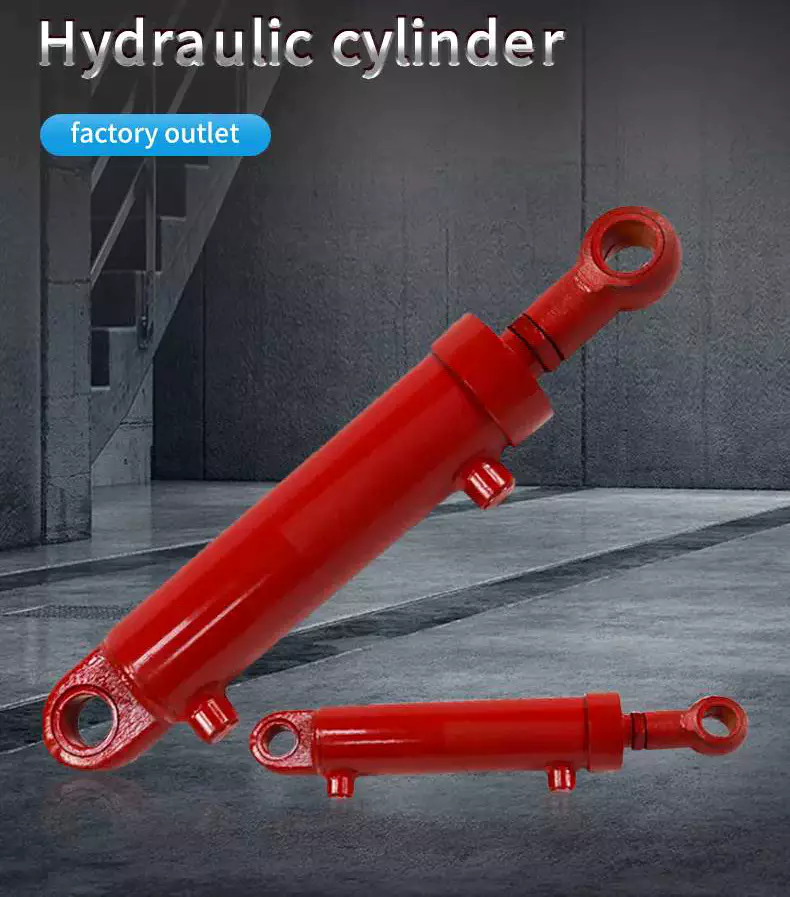
How do hydraulic cylinders ensure smooth and consistent movement in heavy machinery?
Hydraulic cylinders play a vital role in ensuring smooth and consistent movement in heavy machinery. Their design and operation allow for precise control over the motion of heavy loads, resulting in efficient and reliable performance. Here’s a detailed explanation of how hydraulic cylinders contribute to smooth and consistent movement in heavy machinery:
1. Hydraulic Fluid and Pressure:
– Hydraulic cylinders operate by utilizing hydraulic fluid, typically oil, to transmit force and motion. The fluid is pressurized by a hydraulic pump, creating a force that acts on the piston inside the cylinder. The pressure of the hydraulic fluid can be precisely controlled, allowing for smooth and gradual movement of heavy machinery. The fluid’s incompressibility ensures that the force is evenly distributed, resulting in consistent and predictable motion.
2. Piston and Cylinder Design:
– Hydraulic cylinders are designed with precision to ensure smooth movement. The piston and cylinder bore are machined to tight tolerances, reducing friction and minimizing internal leakage. This precise fit between the piston and cylinder walls helps maintain consistent motion without jerks or sudden changes in speed. Additionally, the use of high-quality seals and lubrication further enhances the smooth operation of the cylinder.
3. Control Valves and Flow Control:
– Hydraulic systems incorporate control valves that regulate the flow of hydraulic fluid into and out of the cylinder. These valves allow for precise control over the speed and direction of the cylinder’s movement. By adjusting the flow rate, operators can achieve smooth and controlled motion of heavy machinery, avoiding sudden starts or stops. Flow control valves also enable speed adjustment, ensuring consistent movement even under varying loads or operating conditions.
4. Cushioning and Damping:
– Hydraulic cylinders can be equipped with cushioning mechanisms to absorb shock and minimize impacts during the movement of heavy machinery. Cushioning is achieved by incorporating specialized valves or adjustable orifices in the cylinder, which restrict the flow of hydraulic fluid near the end of the stroke. This gradual deceleration helps prevent sudden jolts or vibrations, maintaining smooth and consistent movement while reducing stress on the machinery and its components.
5. Load Balancing:
– Hydraulic cylinders can be designed and arranged in a system to balance the load and distribute forces evenly. By utilizing multiple cylinders in parallel or series configurations, heavy machinery can achieve balanced movement, preventing uneven stress and ensuring smooth operation. Load balancing also helps minimize the risk of component failure and enhances the overall stability and longevity of the machinery.
6. Feedback and Control Systems:
– Advanced hydraulic systems incorporate feedback sensors and control systems to monitor and adjust the movement of heavy machinery. These sensors provide real-time information about the position, speed, and force exerted by the hydraulic cylinders. The control system processes this data and adjusts the flow of hydraulic fluid accordingly to maintain smooth and consistent movement. By continuously monitoring and regulating the cylinder’s operation, feedback and control systems contribute to precise and reliable motion control.
7. Maintenance and Servicing:
– Regular maintenance and servicing of hydraulic cylinders are essential to ensure their smooth and consistent movement in heavy machinery. Proper lubrication, inspection of seals, and replacement of worn-out components help maintain optimal performance. Preventive maintenance practices, such as filter replacements and fluid analysis, also contribute to the longevity and reliability of hydraulic systems, ensuring consistent movement over time.
In summary, hydraulic cylinders ensure smooth and consistent movement in heavy machinery through the use of hydraulic fluid and pressure, precise piston and cylinder design, control valves and flow control, cushioning and damping mechanisms, load balancing, feedback and control systems, and regular maintenance and servicing. By leveraging these features, hydraulic cylinders provide the necessary force and control to handle heavy loads while maintaining precise and reliable motion, enhancing the overall performance and productivity of heavy machinery in various industrial applications.
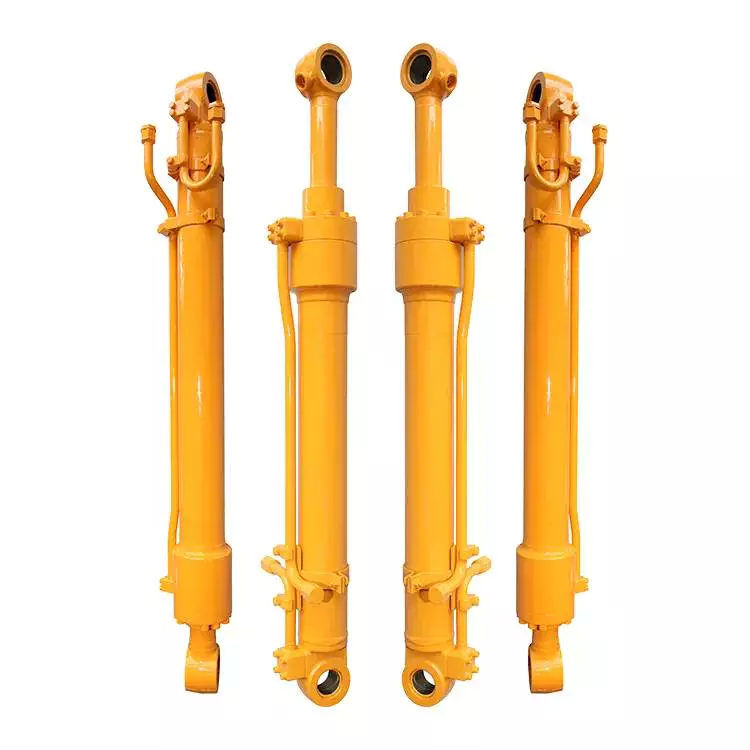
Utilizing Hydraulic Cylinders in Conjunction with Alternative Energy Sources
Hydraulic cylinders can indeed be used in conjunction with alternative energy sources. The versatile nature of hydraulic systems allows them to be integrated with various alternative energy technologies to enhance efficiency, control, and power generation. Let’s explore some examples of how hydraulic cylinders can be utilized alongside alternative energy sources:
- Hydraulic Energy Storage: Hydraulic cylinders can be employed in energy storage systems that utilize alternative energy sources such as renewable sources (e.g., solar or wind) or waste energy recovery. These systems convert excess energy into hydraulic potential energy by pumping fluid into a high-pressure accumulator. When the energy is needed, the pressurized fluid is released, driving the hydraulic cylinder and generating mechanical power.
- Wave and Tidal Energy Conversion: Hydraulic cylinders can be utilized in wave and tidal energy conversion systems. These systems harness the power of ocean waves or tidal currents and convert it into usable energy. Hydraulic cylinders, along with associated pumps and valves, can be used to capture and control the energy from the waves or tides, driving the cylinders and generating mechanical power or producing electricity.
- Hydroelectric Power Generation: Hydraulic cylinders play a crucial role in traditional hydroelectric power generation. However, alternative approaches such as small-scale or micro-hydropower systems can also benefit from hydraulic cylinders. These systems utilize natural or man-made water flows to drive turbines connected to hydraulic cylinders, which then convert the hydraulic energy into mechanical power or electricity.
- Hydraulic Actuation in Wind Turbines: Hydraulic cylinders can be employed in wind turbines to enhance performance and control. For example, hydraulic pitch control systems use hydraulic cylinders to adjust the pitch angle of wind turbine blades, optimizing their aerodynamic performance based on wind conditions. This allows for efficient power generation and protection against excessive wind loads.
- Geothermal Energy Extraction: Geothermal energy extraction involves utilizing the natural heat from the Earth’s interior to generate power. Hydraulic cylinders can be utilized in geothermal systems to control and regulate fluid flow, allowing for efficient extraction and utilization of geothermal energy. They can also be used in geothermal heat pumps for heating and cooling applications.
In summary, hydraulic cylinders can be effectively utilized in conjunction with alternative energy sources to enhance energy storage, power generation, and control. Whether it’s through hydraulic energy storage systems, wave and tidal energy conversion, hydroelectric power generation, hydraulic actuation in wind turbines, or geothermal energy extraction, hydraulic cylinders offer versatile and efficient solutions for harnessing and utilizing alternative energy sources.
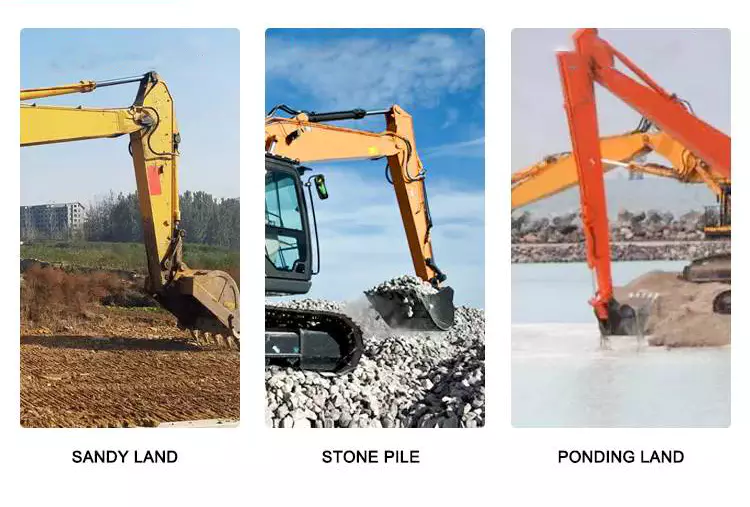
How do hydraulic cylinders generate force and motion using hydraulic fluid?
Hydraulic cylinders generate force and motion by utilizing the principles of fluid mechanics, specifically Pascal’s law, in conjunction with the properties of hydraulic fluid. The process involves the conversion of hydraulic energy into mechanical force and linear motion. Here’s a detailed explanation of how hydraulic cylinders achieve this:
1. Pascal’s Law:
– Hydraulic cylinders operate based on Pascal’s law, which states that when pressure is applied to a fluid in a confined space, it is transmitted equally in all directions. In the context of hydraulic cylinders, this means that when hydraulic fluid is pressurized, the force is evenly distributed throughout the fluid and transmitted to all surfaces in contact with the fluid.
2. Hydraulic Fluid and Pressure:
– Hydraulic systems use a specialized fluid, typically hydraulic oil, as the working medium. This fluid is stored in a reservoir and circulated through the system by a hydraulic pump. The pump pressurizes the fluid, creating hydraulic pressure that can be controlled and directed to various components, including hydraulic cylinders.
3. Cylinder Design and Components:
– Hydraulic cylinders consist of several key components, including a cylindrical barrel, a piston, a piston rod, and various seals. The barrel is a hollow tube that houses the piston and allows for fluid flow. The piston divides the cylinder into two chambers: the rod side and the cap side. The piston rod extends from the piston and provides a connection point for external loads. Seals are used to prevent fluid leakage and maintain hydraulic pressure within the cylinder.
4. Fluid Input and Motion:
– To generate force and motion, hydraulic fluid is directed into one side of the cylinder, creating pressure on the corresponding surface of the piston. This pressure is transmitted through the fluid to the other side of the piston.
5. Force Generation:
– The force generated by a hydraulic cylinder is a result of the pressure applied to a specific surface area of the piston. The force exerted by the hydraulic cylinder can be calculated using the formula: Force = Pressure × Area. The area is determined by the diameter of the piston or the piston rod, depending on which side of the cylinder the fluid is acting upon.
6. Linear Motion:
– As the pressurized hydraulic fluid acts on the piston, it generates a force that moves the piston in a linear direction within the cylinder. This linear motion is transferred to the piston rod, which extends or retracts accordingly. The piston rod can be connected to external components or machinery, allowing the generated force to perform various tasks, such as lifting, pushing, pulling, or controlling mechanisms.
7. Control and Regulation:
– The force and motion generated by hydraulic cylinders can be controlled and regulated by adjusting the flow of hydraulic fluid into the cylinder. By regulating the flow rate, pressure, and direction of the fluid, the speed, force, and direction of the cylinder’s movement can be precisely controlled. This control allows for accurate positioning, smooth operation, and synchronization of multiple cylinders in complex machinery.
8. Return and Recirculation of Fluid:
– After the hydraulic cylinder completes its stroke, the hydraulic fluid on the opposite side of the piston needs to be returned to the reservoir. This is typically achieved through hydraulic valves that control the flow direction, allowing the fluid to return and be recirculated in the system for further use.
In summary, hydraulic cylinders generate force and motion by utilizing the principles of Pascal’s law. Pressurized hydraulic fluid acts on the piston, creating force that moves the piston in a linear direction. This linear motion is transferred to the piston rod, allowing the generated force to perform various tasks. By controlling the flow of hydraulic fluid, the force and motion of hydraulic cylinders can be precisely regulated, contributing to their versatility and wide range of applications in machinery.


editor by CX 2023-10-12