Product Description
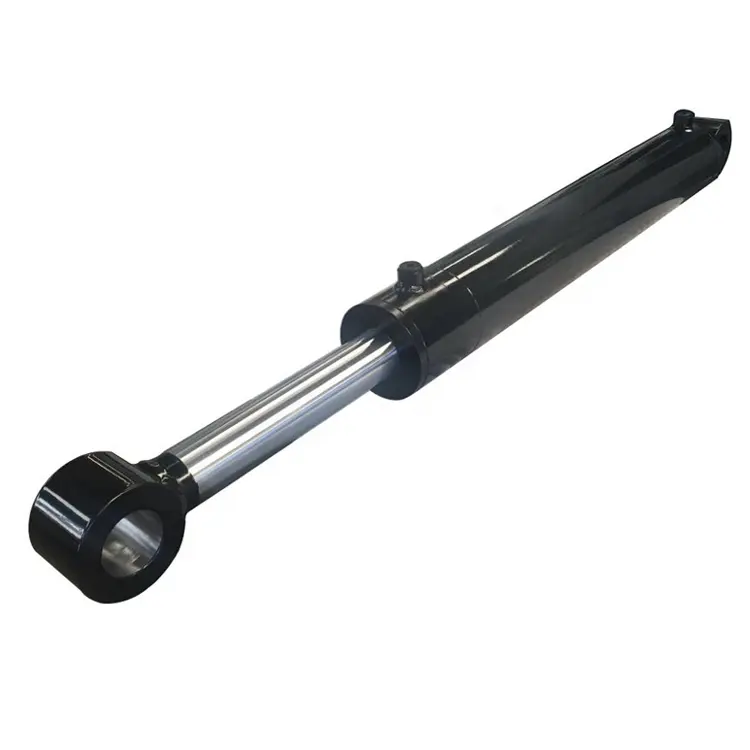
FE/FC/FEE/FSE Telescopic Hydraulic Cylinder For Dump Truck/Trailer
| Item | Dump Truck Telescopic Hydraulic Cylinder |
| Type | FC/FE/FEE/FSE/Pin to Pin Mounting/Pin to Trunnion Mounting |
| HS Code | 8412210090 |
| Each Stage Diameter(mm) | 221/196/172/150/129/110/91/75/60; 214/191/169/149/129/110/91/75/60; 202/179/157/137/118/99/80/63; |
| Max.Stroke(mm) | 12000mm |
| Raw Materials | 27SiMn,16Mn,45#,20# seamless steel pipe with quenched&tempered |
| Seal Kits | Kaden,Hallite,Merkel,Guarnitec etc |
| Max.Pressure | 25MPa/250Bar |
| Chrome Plating | Hard chrome plated |
| Chrome Thickness | 0.015-0.571mm |
| Color | According to your needs,you can choose your favorite color (Black/Blue/Red/Yellow/Gray/White etc) |
| Quality Check | All the parts and the finished hydraulic cylinders will be tested before delivery |
| Warranty | 14 Months |
| Lead Time | 30-35 working days after deposit payment |
| Package | Plywood pallet or steel box suitable for export |
| Customers | USA,Canada,Mexico,Russia,Australia,New Zealand,Netherlands,Poland,Italy,South Korea, South America,South Africa etc |
| OEM/ODM | Yes |
FE Telescopic Hydraulic Cylinder List
Hydraulic Cylinder Production Process
Hydraulic Cylinder Test
Each hydraulic cylinder is strictly tested before delivery.
Hydraulic Cylinder Application
Other Hot Selling Hydraulic Cylinders
Package&Shipping
Our Overseas Customers
FAQ
A. Compared with CHINAMFG cylinder, what are your cylinder advantages?
1. Rod are chrome plated.
2. Tubes are quenched and tempered.
3.Tube inner hole goes through deep hole boring machine processing. Surface roughness is 0.4Ra
and circular degree is 0.571.
4. Good quality yet lower price.
B: Are you a manufacture or a trade company?
Manufacture, we are the leader manufacturer of hydraulic industry in China with 14 years’ experience and technology accumulation.
With strong technical team we could solve any annoyance of you.
C: How can I get a booklet and buy a cylinder from you?
Just leave me a message or email or call me directly, let me know you are interesting in our products. I will talk with you for the details soon!
1. Please advice the drawing with technical requirement.
2. Please advice the model No. after you check our booklet.
3. Please advice the tipping capacity, number of stages, closed length, mounting type and size.
4. Please also help advice the quantities, this is very important.
D: Do your products come with a warranty?
Yes, we have 14 months warranty. In this year, if the quality problem we will free repair for you.
E: What about the quality feedback of your products?
We have never received even once quality complaint for many years of international business.
F: Can you help me to install or recommend what kind of hydraulic cylinder or power pack should I use for specific machine?
Yes, we have 6 experienced engineers who are always ready to help you. If you do not know what kind of hydraulic cylinders should be used in your machine, please just contact us, our engineers will design the exact products match your need.
G: What is the delivery time?
Within 15 days for samples.
25-30 days for bulk production, which is depend on quality, production process and so on.
H: What is your main payment term?
T/T, L/C, either is available.
/* January 22, 2571 19:08:37 */!function(){function s(e,r){var a,o={};try{e&&e.split(“,”).forEach(function(e,t){e&&(a=e.match(/(.*?):(.*)$/))&&1
| Certification: | CE, ISO9001 |
|---|---|
| Pressure: | High Pressure |
| Work Temperature: | Normal Temperature |
| Acting Way: | Single Acting |
| Working Method: | Straight Trip |
| Adjusted Form: | Regulated Type |
| Samples: |
US$ 280/Piece
1 Piece(Min.Order) | |
|---|
| Customization: |
Available
|
|
|---|
How does a lift cylinder contribute to energy-efficient lifting?
A lift cylinder plays a significant role in promoting energy-efficient lifting operations. Here’s an explanation of how lift cylinders contribute to energy efficiency:
1. Hydraulic System Efficiency:
Lift cylinders are commonly used in hydraulic systems, which are known for their high efficiency. Hydraulic systems utilize pressurized fluid to transmit power, allowing for smooth and controlled lifting operations. The hydraulic fluid is circulated within the system, and the lift cylinder converts the pressure of the fluid into mechanical force to lift the load. Compared to other mechanical lifting mechanisms, hydraulic systems, including lift cylinders, experience minimal energy loss due to their efficient power transmission.
2. Power-to-Weight Ratio:
Lift cylinders are designed to have a high power-to-weight ratio. This means that they can generate a substantial lifting force relative to their weight. By utilizing lightweight yet durable materials and optimizing the design, lift cylinders can effectively lift heavy loads while minimizing the amount of energy required. The efficient power-to-weight ratio contributes to energy efficiency by reducing the overall power consumption during lifting operations.
3. Load-Specific Design:
Lift cylinders are often engineered to match the specific load requirements of lifting applications. By customizing the design parameters, such as bore size, stroke length, and operating pressure, lift cylinders can be optimized for the intended load capacities and lifting tasks. This load-specific design ensures that the lift cylinder operates at its optimal efficiency, minimizing energy waste and maximizing the lifting performance.
4. Regenerative Systems:
In certain lifting applications, lift cylinders can be integrated into regenerative systems. Regenerative systems capture and store energy that would otherwise be dissipated as heat during the lowering phase of the lifting operation. This stored energy can then be reused to assist in the subsequent lifting process, reducing the overall energy consumption. Regenerative systems enhance energy efficiency by utilizing the otherwise wasted energy to partially power the lifting operation.
5. Control Systems:
Advanced control systems can be implemented in conjunction with lift cylinders to optimize energy efficiency. These control systems, such as proportional valves or variable-speed drives, allow for precise control of the lifting process. By adjusting the flow rate or speed of the hydraulic fluid, operators can match the power output of the lift cylinder to the specific load requirements, minimizing energy waste and improving overall efficiency.
6. Maintenance and Optimization:
Regular maintenance and optimization of lift cylinders are essential for maintaining energy efficiency. Proper lubrication, seal replacements, and overall system inspections help ensure that the lift cylinder operates at its peak performance. By identifying and addressing any issues or inefficiencies, maintenance practices contribute to energy-efficient lifting operations.
In summary, lift cylinders contribute to energy-efficient lifting through hydraulic system efficiency, a high power-to-weight ratio, load-specific design, regenerative systems, control systems, and proper maintenance. By utilizing these features and practices, lift cylinders help minimize energy consumption and enhance overall lifting efficiency.
How does a lift cylinder handle variations in hydraulic seal technology?
A lift cylinder is designed to accommodate variations in hydraulic seal technology. Here’s an explanation of how lift cylinders handle these variations:
1. Seal Types:
Hydraulic seal technology offers various types of seals, including O-rings, lip seals, V-rings, and wipers. Lift cylinders are designed to incorporate different seal types based on the specific requirements of the application. The selection of seal types depends on factors such as pressure, temperature, fluid compatibility, and environmental conditions. Lift cylinders are manufactured with the necessary seal grooves and configurations to accommodate these variations in seal types.
2. Seal Materials:
Hydraulic seals are manufactured using different materials, such as rubber, polyurethane, PTFE (polytetrafluoroethylene), and various composite materials. Each material offers specific properties, including resistance to wear, temperature, chemicals, and extrusion. Lift cylinders are engineered to work with different seal materials, ensuring compatibility and optimal performance. The cylinder design takes into account the specific characteristics and requirements of the seal materials used.
3. Seal Profiles and Dimensions:
Hydraulic seals come in various profiles and dimensions to suit different applications and equipment. Lift cylinders are designed with corresponding seal grooves and dimensions to accommodate the specific seal profiles. The seal profiles may include standard shapes such as U-cups, piston seals, rod seals, and specialized profiles for specific sealing requirements. Lift cylinders are manufactured with precise tolerances to ensure proper installation and sealing effectiveness.
4. Sealing Performance and Efficiency:
Lift cylinders are engineered to provide optimal sealing performance and efficiency. They are designed to minimize leakage and maintain the required hydraulic pressure during operation. The cylinder components, including the piston, rod, and cylinder housing, are precisely machined to ensure a tight fit and prevent bypass of hydraulic fluid. Lift cylinders undergo rigorous testing and quality control measures to verify their sealing performance and efficiency under various operating conditions.
5. Seal Maintenance and Replacement:
Lift cylinders are designed to facilitate seal maintenance and replacement. Over time, hydraulic seals may wear out or degrade due to factors such as usage, environmental conditions, or fluid contamination. Lift cylinders are constructed to allow for easy access to the seals, making maintenance and replacement procedures efficient. This design consideration reduces downtime and ensures the longevity of the lift cylinder’s sealing system.
In summary, lift cylinders are engineered to handle variations in hydraulic seal technology by accommodating different seal types, materials, profiles, and dimensions. Their design ensures optimal sealing performance, efficiency, and ease of maintenance. By incorporating the appropriate seal technology, lift cylinders maintain the integrity of the hydraulic system, prevent leaks, and ensure reliable and efficient operation.
How does a lift cylinder handle variations in load weight and pressure?
A lift cylinder is designed to handle variations in load weight and pressure to ensure efficient and safe operation. Here’s an explanation of how a lift cylinder handles these variations:
1. Design Considerations:
Lift cylinders are designed with specific load capacities and pressure ratings in mind. The components, such as the cylinder barrel, piston, and seals, are selected and sized accordingly to handle the anticipated loads and pressures. The design factors in safety margins to accommodate variations in load weight and pressure within the specified operational limits.
2. Hydraulic System:
The hydraulic system that powers the lift cylinder plays a crucial role in handling variations in load weight and pressure. The system includes components such as pumps, valves, and control systems that regulate the flow and pressure of hydraulic fluid. By adjusting the system parameters, such as the pump output or valve settings, the hydraulic system can adapt to different load weights and pressure requirements.
3. Pressure Regulation:
Lift cylinders often incorporate pressure regulation mechanisms to handle variations in load weight and pressure. Pressure relief valves or pressure control valves are commonly used to maintain the desired pressure level within the cylinder. These valves ensure that the pressure does not exceed the specified limits, protecting the cylinder and other components from potential damage.
4. Balanced Design:
Lift cylinders are designed to achieve a balanced configuration that minimizes the impact of load weight variations. The placement of the piston and rod within the cylinder barrel is carefully engineered to distribute the load evenly and maintain stability. This balanced design helps to mitigate the effects of load weight changes on the cylinder’s performance and ensures smooth operation.
5. Control and Monitoring:
Advanced lift cylinder systems may incorporate control and monitoring features to handle variations in load weight and pressure more effectively. Sensors and feedback mechanisms can provide real-time data on load weight and cylinder performance, allowing the system to make adjustments as needed. This enhances the overall control and stability of the lift cylinder in response to changing conditions.
In summary, a lift cylinder handles variations in load weight and pressure through careful design considerations, hydraulic system adjustments, pressure regulation mechanisms, balanced configurations, and control and monitoring features. These aspects work together to ensure that the lift cylinder operates safely and efficiently, accommodating different load requirements while maintaining optimal performance.


editor by CX 2024-04-15