Product Description
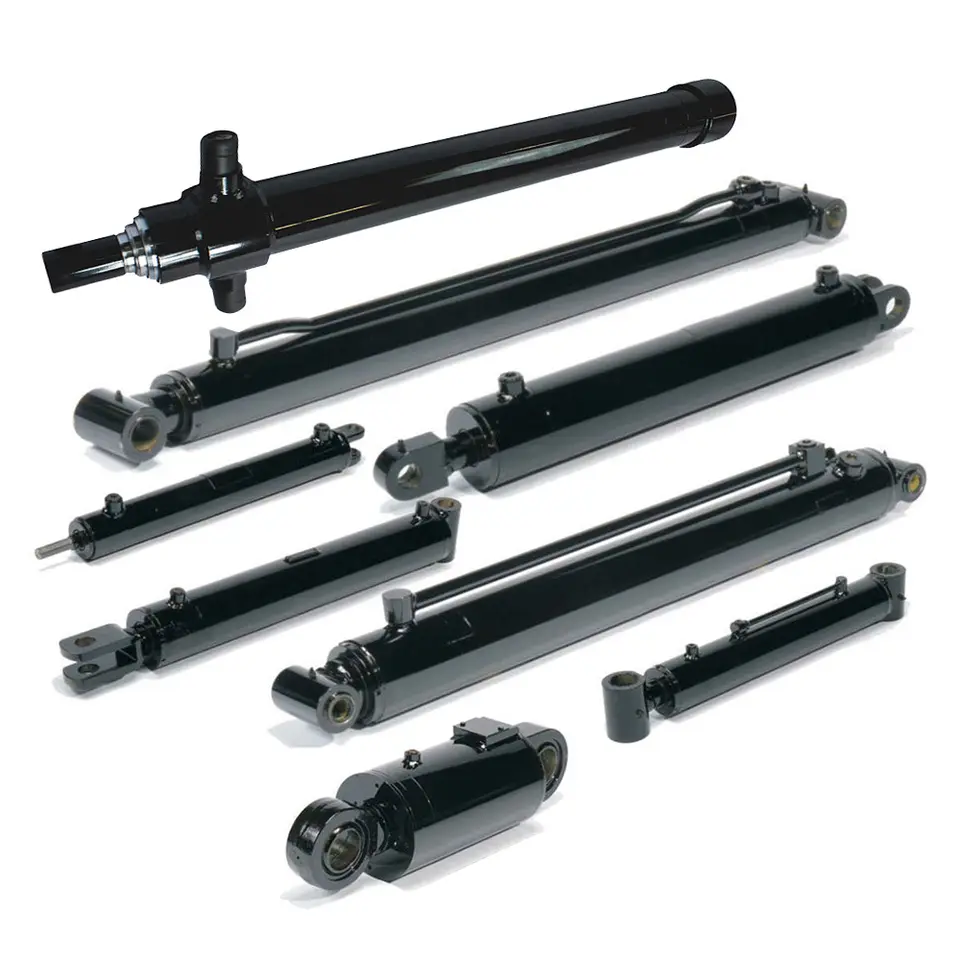
Our company produces all series of hydraulic cylinders, including engineering cylinders, tie rod cylinders, earring cylinders, multi-section cylinders, flange cylinders, high pressure cylinders, heavy-duty cylinders, HSG series hydraulic cylinders, single-acting cylinders, two-way cylinders, and other non-standard customized hydraulic product. After years of practice, our company has accumulated rich experience in processing and installation. The parts are precision CNC machined by all series of horizontal lathe, and the seals are made of CHINAMFG imported famous brand products. The products are continuously improved and improved, and the quality and accuracy are reliable and stable. Our cylinder products have been exported to the Middle East. , Asia, Europe and the United States and other places, we have more than 10 years of cooperation with oil cylinder customers.
In order to achieve maximum quality control, 80% of our parts are produced by ourselves, among which we can process super-large hydraulic cylinder body parts and telescopic shaft parts with our large horizontal lathes, we can even turn hydraulic cylinders with a length of more than 11 meters, and The surface finish of the shaft cylinder can reach Ra1.6 directly through the lathe.
Our main products :
tie rod cylinder, welding cylinder, double-acting cylinder, single-acting cylinder, piston cylinder, plunger cylinder, single-rod cylinder, double-rod cylinder, etc.;
Technical parameters: The cylinder diameter is 32~320mm, the stroke is 5~6000mm, and the working pressure is 2.5~31Mpa;
The installation methods include flange, single ear, double ear, foot seat, hinge shaft, welded pipe, etc., and provide rod end connectors, including Y-type joint, I-type joint, joint bearing, welded pipe, etc.;
Workshop overview:
Our sheet metal fabrication workshop equipped with a series of cutting machines, including laser cutter, flame cutter, water jet cutter, and plasma cutter, with these advanced CNC machine we can cut the materials with high efficiency and high accuracy.
| Laser Cutting | Plasma Cutting | Flame Cutting | Water-jet Cutting | |
| Cutting Depth | 25mm | 100mm | 450mm | 250mm |
| Cutting Width | 3500mm | 4000mm | 6000mm | 3500mm |
| Cutting Length | 28000mm | 20000mm | 20000mm | 10000mm |
| Accuracy | ±0.2mm | ±1mm | ±0.8mm |
We have a series of imported CNC Machining equipment, including large gantry machining center, horizontal boring and milling machine, turning and milling compound center, large vertical lathe machining center, heavy horizontal lathe machining center, dmulti-hole drilling and other machining equipment facilities.
Our processing capabilities are as follows:
| Gantry Machining Center | Max Height:4000mm | Max Width:4500mm | Max Length: 12000mm | ||
| Large Boring Mill | X: 15000mm | Y:4000mm | Z+W:900+1000 mm | Max Weight: 250T | Bore Tool Dia: 280mm |
| Truning and Milling center | Height: 4500mm | Weight: 350T | Max Diameter:11000mm | ||
| Vertical Lathe | Height: 4000mm | Weight: 50T | Max Diameter: 5000mm | ||
| Horizontal Lathe | Max Length: 12m | Weight: 50T | |||
| Deep hole drilling | X:3000mm | Y:2500mm | Z:700mm | Hole Dia: 16-80mm | Depth: 700mm |
| Multi-hole drilling | X:7000mm | Y:3000mm | Z:700mm | Hole Dia:2-120mm | Depth: 320mm |
We have a complete welding platform, including plasma welding, strip surfacing, argon arc welding, TIG welding, laser welding, hand arc welding, and submerged arc welding equipment clusters. Welding methods include tube-sheet strip surfacing, automatic submerged arc welding, carbon dioxide gas shielded welding, argon tungsten arc welding, electrode arc welding, plasma welding, etc. The materials that can be welded are carbon steel, alloy steel, stainless steel, and non-ferrous metals such as copper, aluminum, and titanium.
To ensure that the quality strictly meets the requirements, we have special quality inspectors to supervise and review the product quality for all projects, and we are equipped with a variety of inspection methods. For welding, we have magnetic particle inspection, X-ray inspection and other methods to inspect the weld quality. For precision machined products, we use advanced three-coordinate testing equipment to check product size, flatness, parallelism, concentricity, etc. For precision machined surfaces, we will also use special testing equipment to check that the surface roughness perfectly meets the acceptance criteria. Moreover, we will custom make inspection methods to serve for their project.
Inspection Facilites:
/* March 10, 2571 17:59:20 */!function(){function s(e,r){var a,o={};try{e&&e.split(“,”).forEach(function(e,t){e&&(a=e.match(/(.*?):(.*)$/))&&1
| After-sales Service: | Tbd |
|---|---|
| Warranty: | Tbd |
| Condition: | New |
| Certification: | ISO9001 |
| Standard: | ASTM |
| Customized: | Customized |
| Samples: |
US$ 2500/Ton
1 Ton(Min.Order) | |
|---|
| Customization: |
Available
|
|
|---|
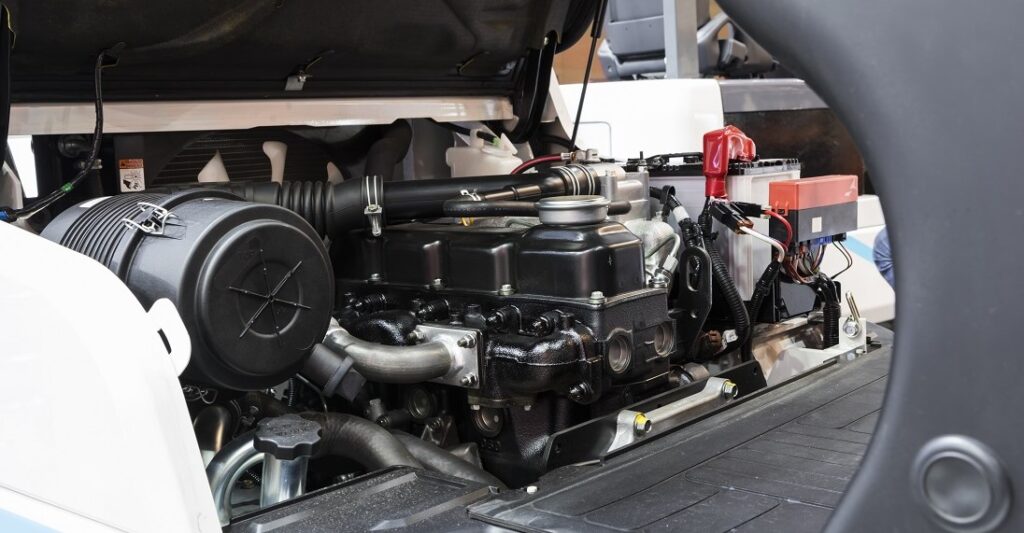
How Does a Forklift Hydraulic Cylinder Handle Variations in Temperature?
A forklift hydraulic cylinder is designed to handle variations in temperature effectively to ensure reliable and consistent performance. The hydraulic system, including the cylinder, is engineered to withstand both high and low temperatures commonly encountered in different operating environments. Here’s a detailed explanation of how a forklift hydraulic cylinder handles variations in temperature:
- Temperature-Resistant Seals:
- Hydraulic Fluid Selection:
- Thermal Expansion Compensation:
- Heat Dissipation and Cooling:
- Cold Start Considerations:
- Insulation and Protective Measures:
Hydraulic cylinders in forklifts are equipped with seals that are specifically designed to withstand temperature fluctuations. These seals are made from high-quality materials such as synthetic rubber or thermoplastic elastomers that have excellent resistance to heat and cold. The temperature-resistant seals ensure proper sealing and prevent leakage of hydraulic fluid, even when exposed to extreme temperature conditions.
The choice of hydraulic fluid plays a crucial role in temperature management within the hydraulic system, including the cylinder. Different types of hydraulic fluids are available, each with specific temperature ranges for optimal performance. Forklift manufacturers typically recommend hydraulic fluids that are suitable for the expected operating temperatures. These fluids have properties that enable them to maintain consistent viscosity and lubrication characteristics, ensuring smooth cylinder operation across a wide temperature range.
Variations in temperature cause materials to expand or contract. Hydraulic cylinders are designed to accommodate the thermal expansion of components effectively. The materials used in the cylinder construction, such as steel or aluminum alloys, have specific coefficients of thermal expansion. By considering these properties during the design and manufacturing process, forklift hydraulic cylinders are built to compensate for thermal expansion, minimizing the risk of structural damage or performance issues due to temperature changes.
In high-temperature environments, forklift hydraulic cylinders may be exposed to heat generated by the hydraulic system or external sources. To prevent overheating, cylinders are often equipped with cooling mechanisms. These mechanisms can include cooling fins or external cooling systems that help dissipate heat and maintain the cylinder within the desired temperature range. Effective heat dissipation ensures that the hydraulic fluid retains its optimal properties and that the cylinder operates efficiently and reliably.
In low-temperature conditions, such as during cold starts, hydraulic cylinders may experience increased viscosity of the hydraulic fluid, which can affect their performance. To mitigate this issue, forklift hydraulic systems are designed with features such as preheating systems or low-temperature hydraulic fluids. These measures help to warm up the hydraulic fluid and ensure its proper flow and lubrication, allowing the hydraulic cylinder to operate smoothly even in cold environments.
In extreme temperature conditions, additional insulation or protective measures may be applied to the hydraulic cylinder and its components. Insulation materials can help maintain stable operating temperatures within the cylinder, preventing heat loss in cold environments or minimizing heat absorption in hot environments. Protective coatings or covers may also be used to shield the cylinder from external temperature fluctuations or exposure to harsh elements, ensuring its longevity and performance.
By incorporating temperature-resistant seals, selecting suitable hydraulic fluids, compensating for thermal expansion, implementing heat dissipation mechanisms, considering cold start conditions, and applying insulation or protective measures, forklift hydraulic cylinders are designed to handle variations in temperature effectively. These design considerations ensure the reliable and consistent operation of the hydraulic system, enabling forklifts to perform optimally in diverse temperature environments.
 \
\
Can hydraulic cylinders be used in order fulfillment centers?
Yes, hydraulic cylinders can be used in order fulfillment centers. Order fulfillment centers require efficient and precise material handling equipment to handle the storage and movement of goods. Hydraulic cylinders are commonly used in various applications within these centers. Here’s an explanation of how they can be utilized:
Hydraulic cylinders find applications in order fulfillment centers in the following ways:
1. Conveyor Systems:
Conveyor systems are extensively used in order fulfillment centers for the transportation of goods. Hydraulic cylinders are employed to control the movement and positioning of conveyor belts. These cylinders enable smooth and precise adjustments of the conveyor height, ensuring efficient transfer of items between different processing areas.
2. Lift Tables and Platforms:
Hydraulic cylinders are utilized in lift tables and platforms used for order picking and loading/unloading operations. These cylinders provide controlled lifting and lowering of the tables or platforms, allowing operators to adjust the working height as needed. This enables ergonomic working conditions and precise alignment with shelving or loading docks.
3. Scissor Lifts:
Scissor lifts are commonly used in order fulfillment centers to reach elevated areas for order picking or stock replenishment. Hydraulic cylinders power the vertical movement of scissor lifts, providing stability and controlled elevation. The cylinders allow for precise positioning at different heights, enhancing efficiency and safety during the order fulfillment process.
4. Pallet Handling Equipment:
Order fulfillment centers often utilize pallet handling equipment, such as pallet jacks and pallet positioners, to move and stack palletized goods. Hydraulic cylinders are integral components of these machines, enabling the lifting and lowering of pallets. The cylinders provide the necessary force and control to handle heavy loads and ensure accurate placement of pallets.
5. Automated Guided Vehicles (AGVs):
AGVs are autonomous vehicles utilized in order fulfillment centers to transport goods within the facility. Hydraulic cylinders are employed in the lifting mechanisms of AGVs, allowing them to pick up and drop off loads at designated locations. The cylinders enable precise vertical movement and positioning of the load, ensuring accurate and efficient material handling.
In summary, hydraulic cylinders have various applications in order fulfillment centers, including conveyor systems, lift tables and platforms, scissor lifts, pallet handling equipment, and AGVs. These cylinders contribute to efficient and precise material handling, enhancing productivity and streamlining the order fulfillment process.
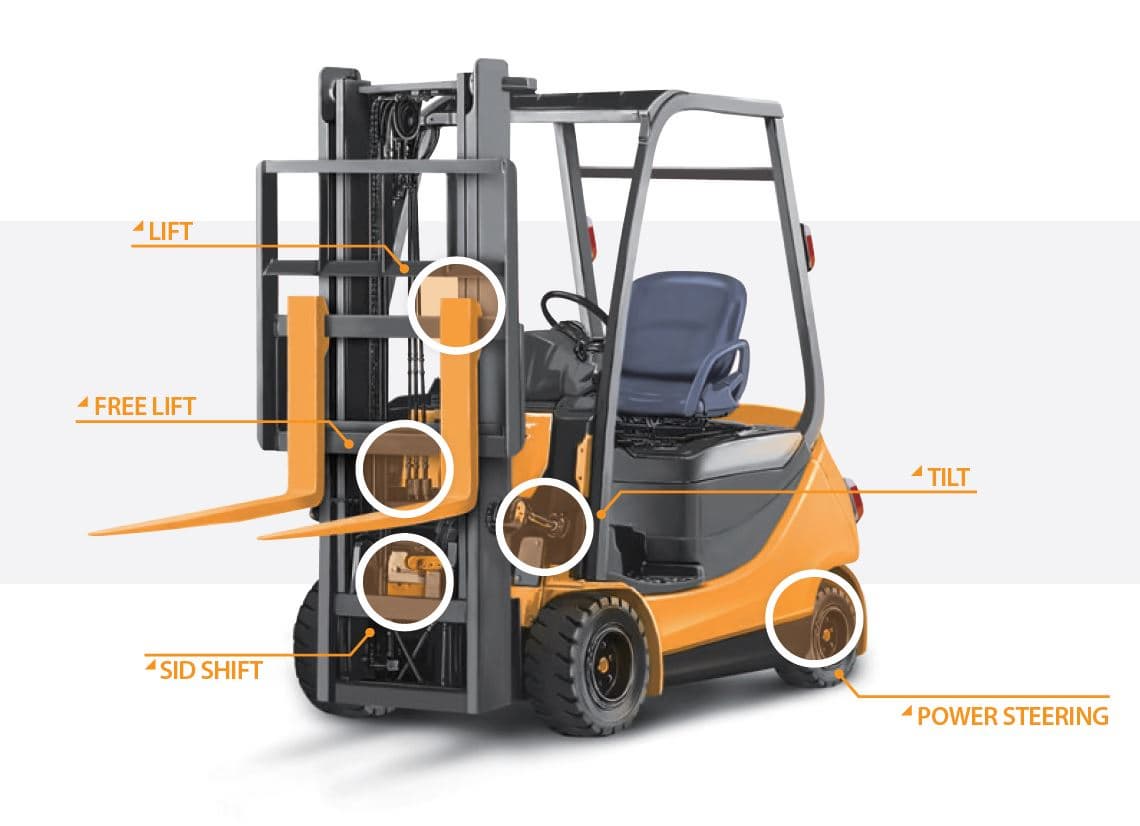
What is a forklift hydraulic cylinder and how does it work?
A forklift hydraulic cylinder is a crucial component in the hydraulic system of a forklift. It is responsible for generating the force required to lift and lower the load. Here’s a detailed explanation of its function and operation:
Function:
A forklift hydraulic cylinder is designed to convert hydraulic pressure into linear force. It consists of a cylindrical barrel, a piston, piston rod, seals, and ports for hydraulic fluid entry and exit. The cylinder is usually mounted vertically within the forklift’s mast assembly.
Operation:
The hydraulic cylinder operates based on the principle of Pascal’s law, which states that when pressure is applied to a fluid in an enclosed system, the pressure is transmitted equally in all directions.
When the operator activates the forklift’s hydraulic control, hydraulic fluid (usually oil) is pressurized and directed into the cylinder through the inlet port. The pressurized fluid enters one side of the cylinder, pushing the piston and piston rod upwards.
As the piston rod extends, it applies force to the load-bearing structure of the forklift, such as the mast or the lifting mechanism. This force enables the forklift to lift heavy loads to the desired height.
Conversely, when the operator releases the hydraulic control, the hydraulic fluid is allowed to exit the cylinder through the outlet port. The fluid flows back into the hydraulic reservoir, and the weight of the load or a counterbalance system helps lower the piston and piston rod.
The hydraulic cylinder’s movement is controlled by the operator through the forklift’s hydraulic control system, which regulates the flow of hydraulic fluid into and out of the cylinder. By adjusting the flow rate and direction, the operator can control the speed and direction of the cylinder’s extension and retraction.
The seals within the hydraulic cylinder prevent fluid leakage and ensure efficient operation. They help maintain the pressure inside the cylinder, allowing the hydraulic system to generate the necessary force consistently.
In summary, a forklift hydraulic cylinder is a hydraulic device that converts hydraulic pressure into linear force. It operates based on Pascal’s law, using pressurized hydraulic fluid to extend and retract the piston rod, enabling the forklift to lift and lower heavy loads.


editor by CX 2024-01-23