IMPORT GUIDE · PACKAGING & SHIPPING · HYDRAULIC LIFT CYLINDERS
Hydraulic Lift Cylinder
Packaging, Shipping
and Import Clearance
Getting a hydraulic lift cylinder from a Chinese factory to a buyer’s facility in Australia, Europe, or North America involves export packaging, international freight, customs documentation, and import duty management — each a potential source of delay or unexpected cost if not planned correctly. A lift cylinder that arrives with damaged port threads from inadequate packing, or that sits in customs because the HS code was mis-declared, costs far more in downtime and administration than any savings on the freight rate. This guide covers the complete import journey for hydraulic lift cylinders: packaging specifications, Incoterms selection, freight mode comparison, required shipping documents, HS code classification, and import duty rates for the principal B2B markets.
Incoterms
HS Code & Duty
LIFT CYLINDERS · PACKAGING AND IMPORT GUIDE · JULY 2026
REFERENCE · LIFT CYLINDER IMPORT QUICK FACTS
HS CODE
8412.21 / 8412.29
WCO HS code for hydraulic linear actuators — 8412.21 for linear hydraulic cylinders acting in one direction; 8412.29 for other (double-acting)
EU IMPORT DUTY
2.7%
EU MFN tariff rate for hydraulic cylinders under 8412.21/8412.29 — applicable to Chinese-origin goods without any preferential trade agreement
AUS IMPORT DUTY
0% (ChAFTA)
Under the China-Australia Free Trade Agreement (ChAFTA), hydraulic cylinders attract 0% import duty — a significant cost advantage for Australian buyers
SEA TRANSIT
18–38 days
Ningbo/Shanghai to Australia: 18–25 days; to Netherlands/UK: 28–38 days by sea freight LCL or FCL
SECTION 01
Export Packaging Specifications
Correct export packaging protects the lift cylinder rod surface and hydraulic ports from the three principal damage mechanisms during sea freight: mechanical impact, moisture and condensation, and vibration fatigue on long-sea transits. The minimum acceptable export packaging standard for any lift cylinder shipped by sea:
ROD PROTECTION
The chrome or HVOF rod surface on a lift cylinder must be protected from any contact during transit. Minimum: VCI film wrap over the rod surface, then a foam sleeve over the VCI film, with the rod tip cushioned in closed-cell foam inside the crate. The rod must not contact the crate floor, end walls, or adjacent units at any point along its length. Impact damage to chrome creates raised surface burrs that will destroy the rod seal on first operation.
PORT PLUGS
All hydraulic ports on the lift cylinder must be fitted with retention-rated plastic plugs — not loose caps. The plugs must be recessed to the port face or flush, not projecting, so they cannot be sheared by impact against adjacent packaging material. For BSPP ports, specify thread-engaged plugs rather than friction-fit caps — thread engagement prevents plug loss during handling shock. Any port that arrives without a plug will have contamination in the port threads that must be cleaned before fitting.
CRATE STANDARD
Wooden crates must be heat-treated to ISPM 15 standard and stamped with the HT mark — required by Australia, the EU, the UK, and most other major markets to prevent introduction of wood-boring pests. Crates without the ISPM 15 HT stamp will be detained at the destination port for phytosanitary inspection or treatment, adding 5–10 days to delivery and possible quarantine fees. Request the ISPM 15 certificate from the manufacturer as standard documentation.
MOISTURE CONTROL
Sea freight containers experience significant temperature cycling — particularly on China-Australia and China-Europe routes that cross different climate zones. Temperature cycling causes condensation inside sealed containers that promotes rust on bare steel surfaces. VCI (vapour corrosion inhibitor) film or VCI desiccant sachets inside the crate are required to prevent bare-steel surface rusting during transit. Specify VCI packaging for any lift cylinder with exposed bare steel areas (machined end-cap faces, unpainted mounting surfaces).
All lift cylinders are shipped in ISPM 15 heat-treated wooden crates with VCI film rod protection, thread-engaged port plugs, and desiccant sachets as standard export packaging. Buyers may specify additional steel pallet cage packaging for large-bore or long-stroke units exceeding 200 kg gross crate weight.
SECTION 02
Incoterms Selection for Lift Cylinder Imports
Incoterms 2020 define the seller’s and buyer’s respective responsibilities for lift cylinder shipments — determining who arranges freight, insurance, and customs clearance, and at what point risk transfers. The three Incoterms covering most Chinese lift cylinder export shipments:
FOB
Free On Board — named Chinese port (Ningbo, Shanghai)
Seller delivers the lift cylinder to the named port and loads onto the vessel. Risk transfers to the buyer when the goods are on board. The buyer arranges international freight, insurance, and customs clearance for the lift cylinder. Best for: experienced importers with a preferred freight forwarder who can negotiate better freight rates than a Chinese manufacturer. FOB gives the buyer maximum control over the lift cylinder freight leg and full visibility of freight cost.
CIF
Cost, Insurance, Freight — named destination port
Seller pays for freight and minimum insurance to the named destination port. Risk transfers when goods are loaded on the vessel at origin — the same as FOB. The buyer pays for destination customs clearance and inland delivery. Best for: buyers who want the seller to handle freight booking and prefer a single landed-cost invoice. Note: the minimum insurance under CIF may be insufficient — buyers should request a higher coverage level or arrange their own insurance.
DDP
Delivered Duty Paid — named destination
Seller handles everything — export clearance, freight, insurance, destination customs, and import duty — and delivers to the buyer’s facility. The buyer receives a single delivered price. Best for: buyers new to importing who want minimal logistics complexity. Caution: DDP lifts all risk and cost to the seller, which is reflected in a higher price. The seller may also declare a lower customs value to reduce the import duty they pay — this creates a compliance risk for the buyer in some jurisdictions. For EU buyers, DDP from China is rarely offered by small manufacturers.
SECTION 03
Sea vs Air Freight — Mode Comparison
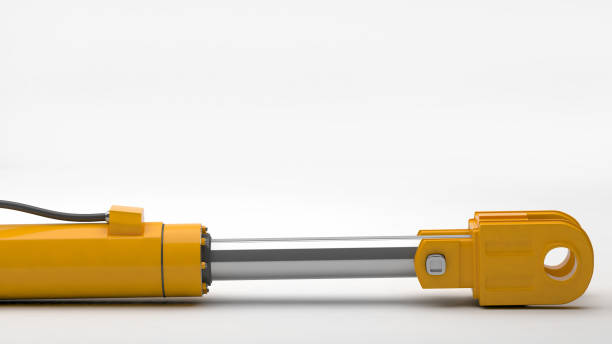
The freight mode decision for hydraulic lift cylinder orders is driven by urgency, weight, and the relative cost of freight versus machine downtime:
| PARAMETER | SEA LCL | SEA FCL (20′) | AIR FREIGHT |
|---|---|---|---|
| Transit to Australia | 22–30 days | 18–24 days | 3–5 days |
| Transit to Netherlands | 30–40 days | 28–35 days | 3–5 days |
| Cost for 500 kg shipment | USD 250–450 | USD 800–1400 (full container) | USD 1 500–3 500 |
| Minimum quantity | 1 unit | 5–10 m³ min economic | 1 unit |
| Best use case | Planned orders, small–medium volume | Large volume orders 10+ units | Emergency breakdown replacement |
SECTION 04
Required Shipping Documents
A complete set of shipping documents is required for every lift cylinder international shipment to enable customs clearance at the destination port. Missing documents are the most common cause of customs hold-ups for lift cylinder imports. For a standard lift cylinder sea freight shipment, the following documents must be provided by the manufacturer:
01
Commercial Invoice. Must show: seller and buyer name/address, invoice number and date, description of goods (“hydraulic linear actuator, double-acting, bore 100 mm, stroke 1 000 mm”), HS code, quantity, unit price, total value, Incoterms, and country of origin (China). The invoice value must match the actual transaction value — under-declaring the invoice value to reduce import duty is illegal in all destination countries and creates penalties for both seller and buyer.
02
Packing List. Shows the number of packages, dimensions, gross weight, and net weight of each crate or package. The packing list dimensions and weights must match the actual shipping marks on the packages. Discrepancies between packing list and actual package weights cause customs delays when goods are weighed on arrival.
03
Bill of Lading (sea) / Air Waybill (air). The transport document issued by the carrier. Original B/L is required for customs clearance in most countries — the buyer cannot collect goods without presenting the original or a telex release. Seaways B/L is faster and avoids the risk of original document loss in transit.
04
Certificate of Origin. For preferential duty rates (e.g. ChAFTA for Australia, RCEP for participating countries), a Form E (China-ASEAN FTA origin certificate) or other FTA-specific certificate is required. Standard CO issued by Chinese Chamber of Commerce is needed for non-preferential entry. Without a valid CO, the importer pays the standard MFN duty rate regardless of the applicable FTA rate.
05
ISPM 15 Phytosanitary Certificate / HT stamp. The ISPM 15 heat-treatment stamp on the wooden crate is the standard compliance method. If for any reason the stamp is absent, a separate phytosanitary certificate from the Chinese plant quarantine authority is required — this takes 3–5 additional days to obtain and adds cost. Request ISPM 15 HT-stamped crates at order placement.
A complete shipping document set — commercial invoice, packing list, B/L, CO, and ISPM 15 certificate — is provided with every lift cylinder shipment. Documents are emailed to the buyer and freight forwarder within 24 hours of vessel departure.
SECTION 05
HS Code Classification and Import Duty Rates
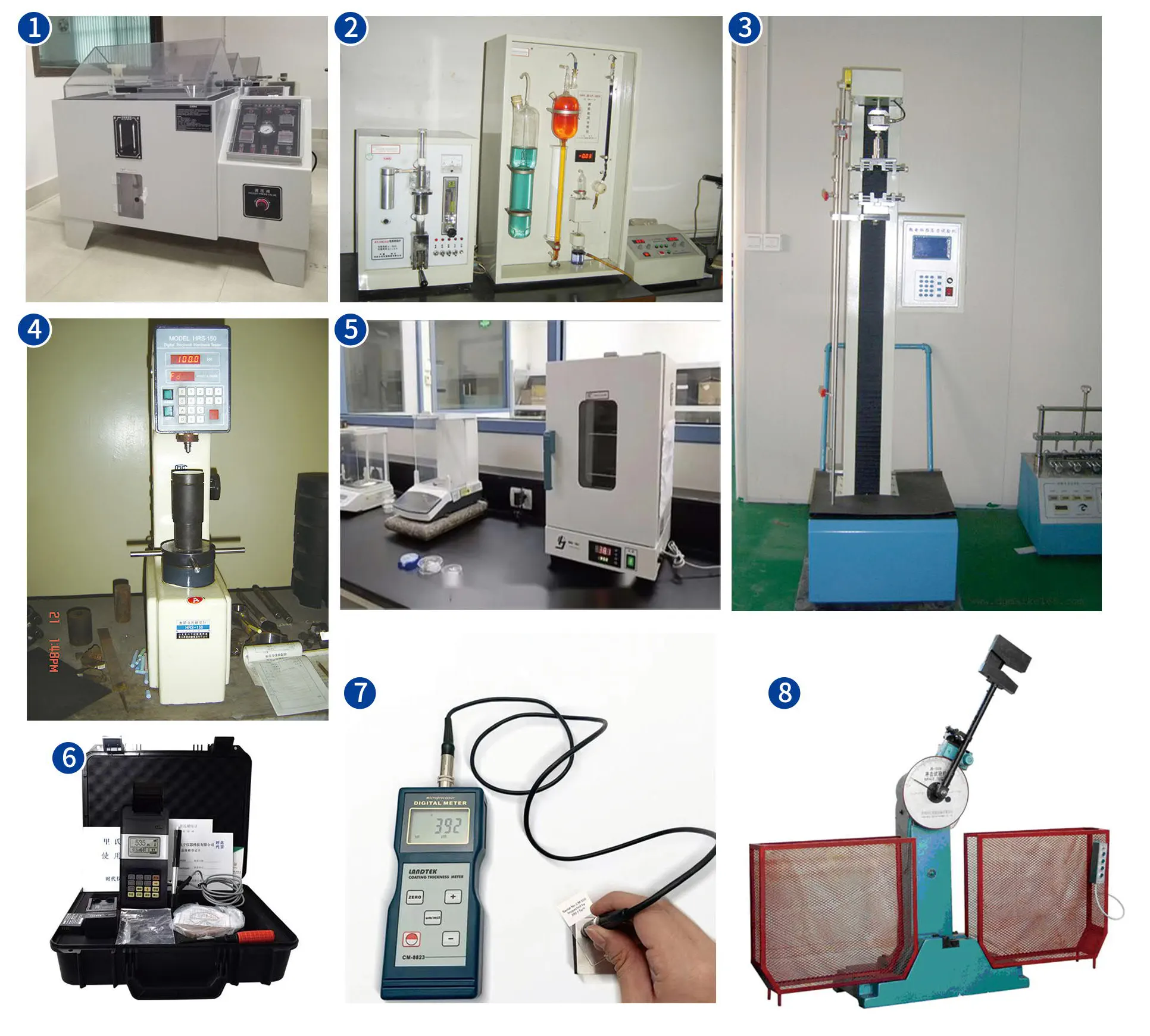
Hydraulic lift cylinders (including single- and double-acting types) classify under HS Chapter 84 (Nuclear reactors, boilers, machinery and mechanical appliances). The correct heading depends on the cylinder’s action type:
| MARKET | HS CODE | MFN DUTY | PREFERENTIAL / NOTE |
|---|---|---|---|
| EU (Netherlands, Germany etc.) | 8412.21.90 / 8412.29.89 | 2.7% | No EU-China FTA; MFN rate applies. Add VAT at destination country rate on customs value + duty. |
| United Kingdom | 8412.21.00 / 8412.29.00 | 2.7% | UK Global Tariff mirrors EU rate post-Brexit; no UK-China FTA. Add 20% VAT. |
| Australia | 8412.21.00 / 8412.29.00 | 0% (ChAFTA) | China-Australia FTA: 0% with Form E origin certificate. Without Form E: 5% MFN. GST applies. |
| Canada | 8412.21.00 / 8412.29.00 | 0% | Canada MFN tariff for hydraulic actuators is 0% — no FTA required. GST/HST applicable. |
| Brazil | 8412.21.99 / 8412.29.99 | 14% | MERCOSUR CET rate; no China-Brazil FTA. Multiple Brazilian domestic taxes (IPI, PIS, COFINS) add significantly to landed cost. Use a local customs broker experienced in machinery imports. |
SECTION 06
Common Customs and Import Issues
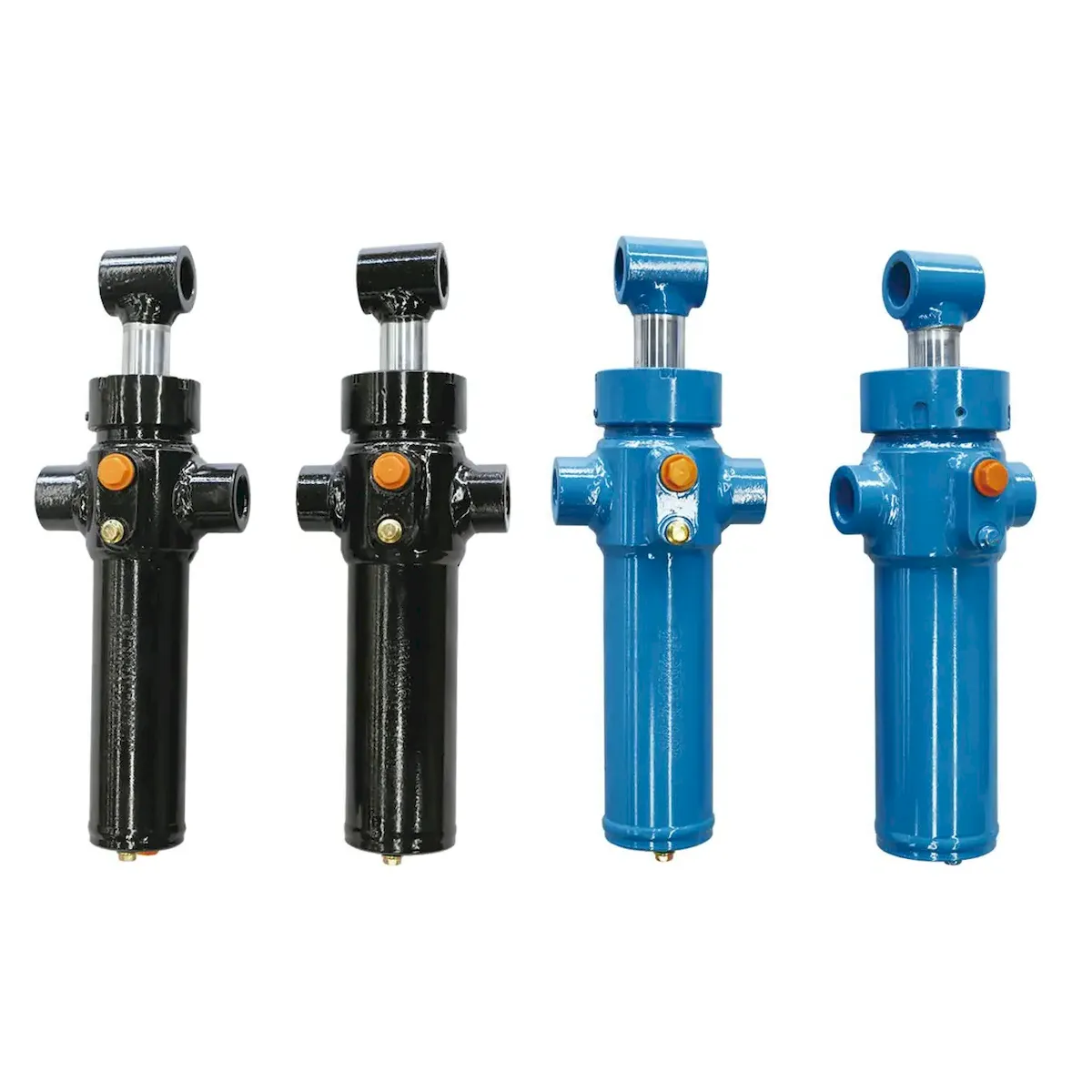
The following issues account for the majority of customs delays and unexpected costs on lift cylinder import shipments:
UNDER-DECLARED
VALUE
Some Chinese suppliers offer to under-declare the lift cylinder invoice value to reduce the buyer’s import duty. This is customs fraud in all destination countries — penalties include confiscation of goods, retrospective duty assessment for past shipments, fines, and in some jurisdictions criminal liability for the importer. Insist on full-value invoicing. The duty saving on a 2.7% EU tariff is too small relative to the compliance risk to justify under-declaration.
MISSING
FORM E
Australian buyers who are entitled to 0% duty under ChAFTA but do not request a Form E origin certificate from the manufacturer end up paying the 5% MFN rate. Request the Form E at order placement — it must be issued by the Chinese customs authority before the goods depart China and cannot be back-dated retroactively. Once the vessel has sailed without a Form E, the buyer must pay MFN duty at destination (or use a retrospective origin declaration in some cases).
WRONG
HS CODE
Hydraulic lift cylinders mis-classified on the commercial invoice — for example, coded as 8412.90 (parts for hydraulic power engines) instead of 8412.29 (hydraulic linear actuators) — attract a different duty rate and trigger customs queries. In most markets, the importer’s customs broker should verify the HS code before the first shipment and confirm the correct code with the customs authority if there is any doubt about the correct heading for a specific product.
ISPM 15
FAILURE
Wooden crates without the ISPM 15 HT stamp are detained at Australian, EU, and UK ports for phytosanitary treatment or destruction — adding 5–15 days and USD 200–800 in treatment fees. The ISPM 15 stamp must be physically branded or stencilled on the crate, not printed on a paper label. Confirm with the lift cylinder manufacturer that ISPM 15 HT crates are used and request photographic evidence of the crate markings before shipment if importing to Australia (which has the strictest enforcement).
For mobile machinery hydraulic cylinder imports into Australia, Brazil, and other markets with complex customs requirements, our team provides pre-shipment document review on request to confirm all documentation is correct before the vessel sails.
IMPORT FAQ
Import and Shipping Questions
Q 01
Our lift cylinder shipment has been held at Australian customs — what are the most likely causes and how do we resolve them?
Customs holds for lift cylinder shipments at Australian ports most commonly result from four causes: (1) missing or non-compliant ISPM 15 HT stamp on wooden crates — requires the goods to be treated on arrival (methyl bromide fumigation or heat treatment) at the importer’s cost, typically AUD 300–800, taking 2–5 days; (2) the HS code on the lift cylinder commercial invoice not matching the Australian Customs tariff code used in the import declaration — your customs broker can usually resolve this quickly with a product description letter from the manufacturer; (3) the invoice value appearing inconsistent with the HS code and product description — Customs may query the transaction value if it appears unusually low for the type of goods declared; (4) the shipment triggering a random compliance inspection — this is simply bad luck and cannot be prevented, but having complete documentation available for immediate presentation to the customs officer minimises the hold duration. In all cases, your customs broker (licensed customs agent in Australia) is the correct person to liaise with the Australian Border Force on your behalf — do not attempt to resolve holds directly without their involvement as incorrect representations to customs officers create additional compliance issues.
Q 02
We import lift cylinders into multiple EU countries — do we need a separate import declaration in each country?
No — the EU Customs Union means that goods cleared through customs in any EU member state are in free circulation throughout the EU without further customs declaration in other member states. A lift cylinder shipment cleared at Rotterdam or Antwerp can be delivered to a customer in Germany, Sweden, or Poland without any further customs formalities. The practical implication for lift cylinder sourcing is that you can consolidate all EU-bound shipments through a single entry point (whichever port your freight forwarder nominates) and distribute from there across the EU by road. The import VAT due in each country depends on where the goods are invoiced and used, not where they enter the EU — this is a VAT rather than customs question and depends on your EU VAT registration structure. Most B2B lift cylinder buyers import under their own VAT number and reclaim import VAT, so the duty cost (2.7%) is the primary customs-related procurement cost, not the VAT.
Q 03
Our lift cylinder arrived with a damaged chrome rod — what should we do and can we claim against the manufacturer?
A lift cylinder with a damaged chrome rod must be handled in a specific sequence to protect the damage claim. Immediate actions: (1) photograph the lift cylinder damage comprehensively before removing any packaging, then photograph the packaging condition — this documents whether damage was caused by inadequate packaging or by carrier mishandling; (2) note the damage on the delivery receipt when signing with the carrier or freight forwarder’s agent — “goods received with visible damage” on the delivery receipt is essential for a freight insurance claim; (3) do not install the damaged cylinder — operating a cylinder with damaged chrome will destroy the rod seal immediately, potentially causing secondary damage that complicates the claim. Determining responsibility: if the packaging was visibly intact and the rod was damaged inside, the cause is inadequate packaging — claim against the manufacturer. If the crate was visibly damaged or crushed, the cause is carrier mishandling — claim against the freight insurance. In practice, the manufacturer and freight forwarder should both be notified within 24 hours. A quality lift cylinder manufacturer will respond with a replacement or rod repair offer within 5 working days; resolution of the insurance claim may take longer. For future shipments, specify rod protection requirements explicitly in the purchase order and request confirmation that foam-sleeved VCI-wrapped rod protection is in place before shipment.
Q 04
Can we consolidate lift cylinder orders from multiple Chinese suppliers into a single container to reduce freight cost?
Yes — consolidating orders for lift cylinders from multiple Chinese suppliers into a single LCL (less than container load) or FCL (full container) shipment is both practical and cost-effective. The process uses a freight consolidator (also called a consolidation agent or groupage provider) based near the Chinese port. The consolidator collects goods from multiple suppliers, stores them in their warehouse, consolidates them into a single container when the total volume or weight justifies it, and issues a single bill of lading to the buyer for the consolidated shipment. Advantages: lower per-unit freight cost versus individual LCL shipments; single customs entry for all goods; one freight insurance policy covering all items. Practical considerations: the consolidator’s warehouse adds 3–7 days to the total transit time; all goods in the consolidation must have the same destination; if any supplier’s lift cylinder goods are delayed, all shipments may be held together. Most established freight forwarders offering China-to-Australia or China-to-Europe services offer consolidation as a standard service — discuss your typical lift cylinder order volumes with your forwarder to determine whether consolidation or individual LCL shipments are more cost-effective for your lift cylinder sourcing volumes.
LIFT CYLINDER EXPORT DOCUMENTATION
Complete Documentation, Every Shipment
Every lift cylinder order includes commercial invoice, packing list, Form E origin certificate, ISPM 15 HT crates, and full quality documentation — all emailed within 24 hours of vessel departure.
Editor: Cxm