Product Description
Product Description
Study & Heavy Duty: Certified by SGS test (USA) & Higher Standard LGA test (GER), use of high quality materials and thickened outer steel, this gas lift cylinder is of really high quality and durability, weight capacity: 450 lbs.
Universal size: 10 stroke cylinder piston tube,the lowest height is 17.7″, the highest height is 27.7″, which means this hydraulic lift has a height range of 10 inches.
Longer service life:These high standard office chair cylinder are more reliable and you get a free replacement for any non-human quality problem within 5 years.
Chair replacement parts: Suitable for bar stool ,drafting chair,high stool,smooth rise and fall, and supports 360 degrees of rotation.
Easy to Install
| Model | C | S | L | V | X | Y | F1±1KG |
| MX-40mm | 40D | 210 | 250 | 135 | 60 | 10 | 500 |
| MX-65mm | 65D | 215 | 280 | 160 | 60 | 10 | 480/550 |
| MX-85mm | 85D | 235 | 320 | 175 | 60 | 10 | 400 |
| MX-100mm | 100D | 250 | 360 | 185 | 60 | 10 | 400 |
| MX-120mm | 120D | 270 | 390 | 195 | 60 | 10 | 400 |
| MX-140mm | 140D | 290 | 430 | 225 | 60 | 10 | 380 |
| MX-160mm | 160D | 330 | 510 | 285 | 60 | 10 | 380 |
| MX-200mm | 200D | 360 | 560 | 295 | 60 | 10 | 380 |
| MX-260mm | 260D | 440 | 700 | 365 | 60 | 10 | 380 |
Company Profile
Production Workshop
Packaging & Shipping
Certifications
FAQ
1.Q: What is our factory product range?
A:1)Office chair parts.Such as office chair castor wheel,shaft collar,gas spring for cabinet,office chair gas spring.
2.Q: How to order?
A:Please send us your purchase order by Email or Fax.
1) Product information:Quantitiy,Specification(size , color, logo and packing requirement),
2) Delivery time required.
3) Shipping information:Company name,Address,Phone number,Destination seaport/airport.
4) Forwarder’s contact details if there is any in China.
3.Q: How long and how to get sample from us ?
A:1) If you need some sample to text,we can make as per your request,please provide us PDF or AI for Making.
2) Lead time for making sample:about 7 days
3) The transportation freight of samples: the freight depends on the weight and packing size and your area.
4.Q: What is the payment terms for sample cost and order amount?
A:For sample, we accept the payment sent by West Union,Paypal, for orders, we can accept T/T or L/C at sight.
5.Q: What is the whole process for doing business with us ?
A:1) First,please provide details of the products you need we quote for you.
2) If price is acceptable and client need sample,we provide samples for your reference.
3) If client approve sample and require for bulk production for order,we will provide Proforma Invoice for client,and we will arrange to produce at once when we get 30% deposit.
4) We will send photos of all goods,packing,details,and B/L copy for client after goods are finished.We will arrange shipment and provide original B/L when the client pay the balance.
6.Q: Can the logo or company name to be printed on the products or package?
A:Sure.Your logo or company name can be printed on your products by stamping, printing,embossing,die cast, coating or sticker.
7.Q: What advantages we have?
A:Rich experience: We have more than 10 years experience in this industry.
That means,we can preview the problems for the orders and products.
Therefore,it will make sure to reduce the risk of bad situation to happen.
Point to point service: There is 1 sale who will serve you from inquiry to products shipped out.During the process,you just need to discuss with her for all problems and the way saves much time.
Free design: If you are not ready for the designs,the professional designers will be able to help you with it freely.
Strict QC: For each order,strict inspection will be carried out by the QC department before shipping.The bad quality will be avoid.
/* March 10, 2571 17:59:20 */!function(){function s(e,r){var a,o={};try{e&&e.split(“,”).forEach(function(e,t){e&&(a=e.match(/(.*?):(.*)$/))&&1
| Function: | Pressed |
|---|---|
| Material: | Stainless Steel |
| Usage: | Industrial, Furniture |
| Load Type: | Compression |
| Production Process: | Hot Roll |
| Shape: | Cylinder |
| Samples: |
US$ 30/Piece
1 Piece(Min.Order) | |
|---|
| Customization: |
Available
|
|
|---|
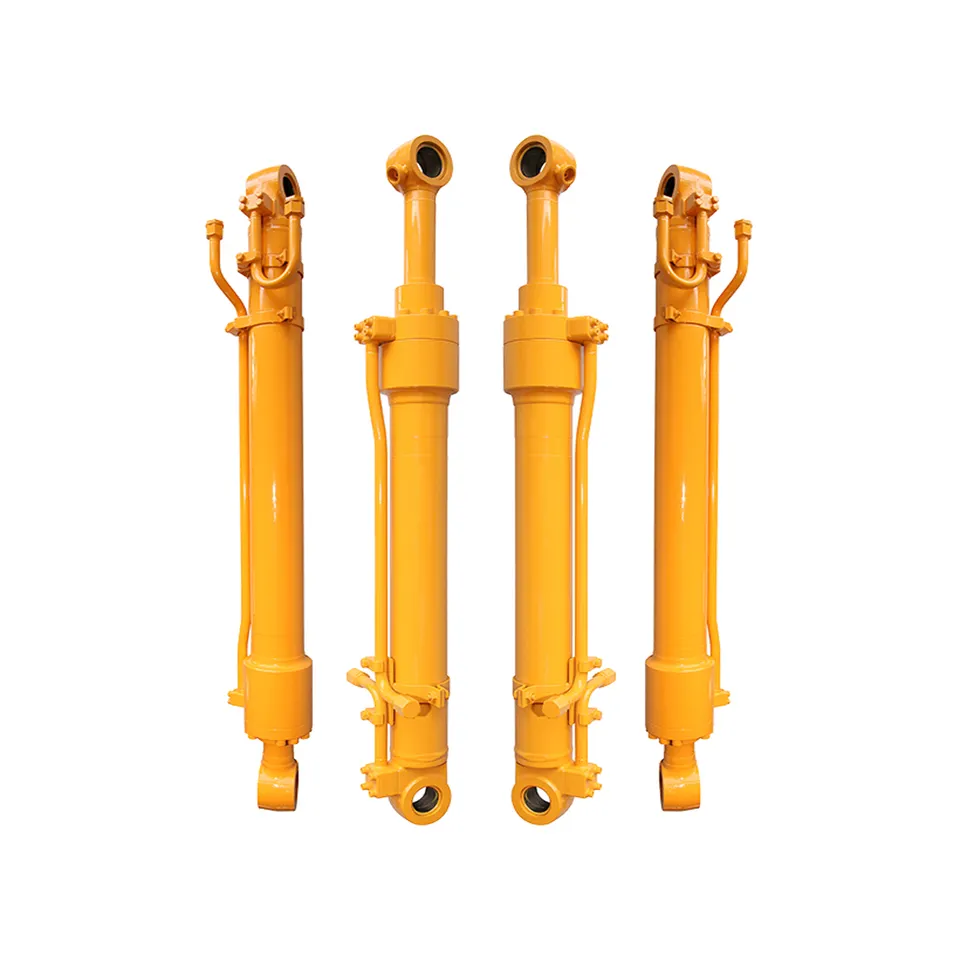
Can lift cylinders be used in dock levelers and loading ramps?
Yes, lift cylinders can be used in dock levelers and loading ramps. Here’s an explanation of their utilization in these applications:
Dock levelers and loading ramps are essential equipment in logistics and transportation facilities, allowing for efficient loading and unloading of goods between trucks and loading docks. Lift cylinders play a crucial role in these systems by providing the necessary lifting and positioning capabilities.
In dock levelers, lift cylinders are employed to bridge the gap between the loading dock and the truck bed, ensuring a smooth transition for material handling equipment such as forklifts or pallet jacks. These cylinders are typically integrated into the mechanical or hydraulic systems of the dock leveler, allowing for controlled vertical movement. By extending or retracting the lift cylinders, the dock leveler can be adjusted to match the height of the truck bed, enabling safe and efficient loading or unloading of cargo.
Loading ramps, also known as mobile yard ramps or portable ramps, are used in situations where a permanent loading dock is not available or when additional flexibility is required. Lift cylinders are utilized in loading ramps to provide the means for height adjustment and inclination control. By extending or retracting the lift cylinders, the ramp can be raised or lowered to align with the truck bed height, facilitating the movement of goods between the ramp and the truck.
The use of lift cylinders in dock levelers and loading ramps ensures precise and controlled positioning during the loading and unloading process. Operators can adjust the lift cylinders to match the specific height requirements, allowing for smooth and safe transfer of materials without causing damage to the goods or the equipment.
Lift cylinders used in dock levelers and loading ramps are designed to withstand heavy loads and endure frequent use. They are constructed with robust materials and incorporate features such as seals and bearings to ensure durability and reliability in demanding industrial environments.
Furthermore, lift cylinders in dock levelers and loading ramps may incorporate safety features such as automatic descent control or velocity fuses. These safety mechanisms help prevent sudden drops or uncontrolled movements in the event of a hydraulic system failure, enhancing the overall safety of the loading and unloading operations.
In summary, lift cylinders are commonly utilized in dock levelers and loading ramps to provide reliable and controlled lifting and positioning capabilities. Their ability to handle heavy loads, facilitate height adjustment, and incorporate safety features makes them integral components in these applications, contributing to efficient and safe material handling operations.
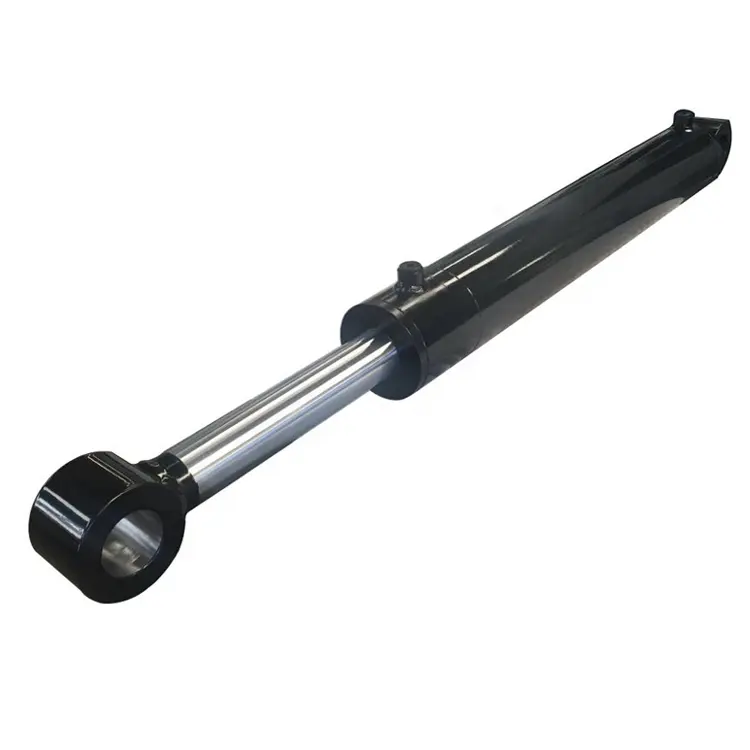
How does a lift cylinder contribute to load clamping and gripping?
A lift cylinder plays a significant role in load clamping and gripping applications by providing the necessary force and control to securely hold objects in place. Lift cylinders, also known as hydraulic cylinders, are widely used in various industrial settings for lifting, pushing, pulling, and holding heavy loads.
When it comes to load clamping and gripping, lift cylinders contribute in the following ways:
- Clamping Force: Lift cylinders can generate a high clamping force, which is utilized to tightly hold objects together. By exerting pressure on clamping mechanisms or jaws, the cylinders ensure a secure grip on the load, preventing undesired movement or slippage.
- Gripping Action: Lift cylinders are integrated into gripping devices or gripper systems to perform gripping actions. These cylinders provide the force necessary to close the gripper fingers or jaws around the object, creating a firm grip. The gripping action allows for safe transportation, manipulation, or assembly of the load.
- Controlled Pressure: Lift cylinders offer precise control over the clamping or gripping force. The hydraulic system controlling the cylinders allows for adjustable pressure settings, enabling operators to tailor the clamping force according to the specific requirements of the application. This control ensures optimal grip without damaging the load.
- Positioning and Alignment: Lift cylinders assist in the positioning and alignment of the load during clamping or gripping operations. They can be used to finely adjust the position of the clamping or gripping elements, ensuring accurate and proper alignment with the load. This precision helps achieve a secure and balanced grip on the object.
The use of lift cylinders in load clamping and gripping applications offers several advantages. They provide reliable and powerful clamping or gripping force, enabling safe and efficient handling of objects. The adjustable pressure and precise control allow for customization based on the load characteristics, ensuring optimal grip without causing damage.
In summary, lift cylinders contribute significantly to load clamping and gripping by providing the necessary force, control, and adjustability. Their integration into clamping mechanisms and gripper systems enhances safety, accuracy, and productivity in various industrial processes.
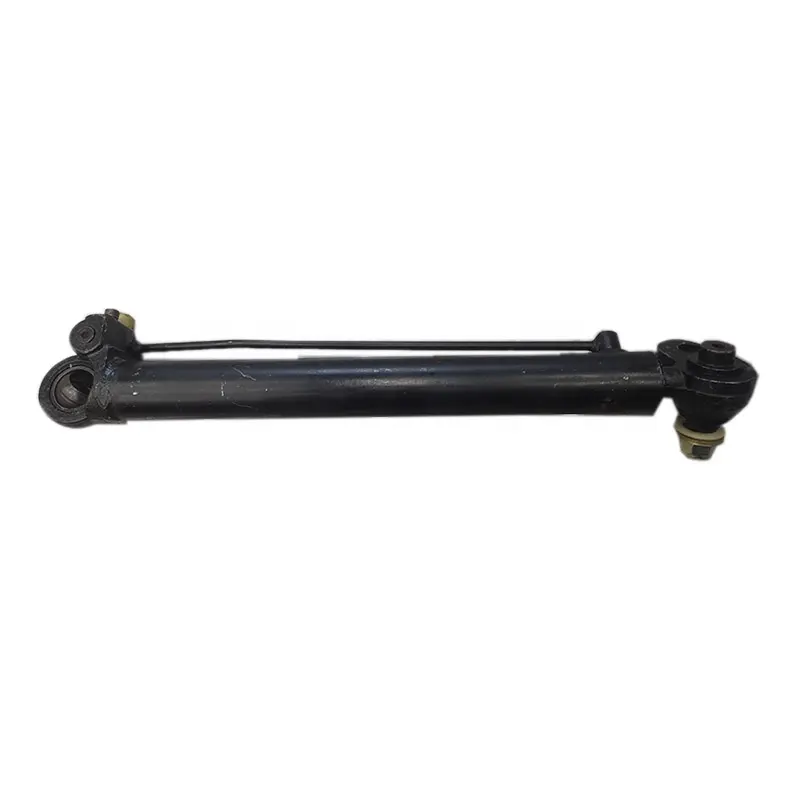
How does a lift cylinder handle variations in load weight and pressure?
A lift cylinder is designed to handle variations in load weight and pressure to ensure efficient and safe operation. Here’s an explanation of how a lift cylinder handles these variations:
1. Design Considerations:
Lift cylinders are designed with specific load capacities and pressure ratings in mind. The components, such as the cylinder barrel, piston, and seals, are selected and sized accordingly to handle the anticipated loads and pressures. The design factors in safety margins to accommodate variations in load weight and pressure within the specified operational limits.
2. Hydraulic System:
The hydraulic system that powers the lift cylinder plays a crucial role in handling variations in load weight and pressure. The system includes components such as pumps, valves, and control systems that regulate the flow and pressure of hydraulic fluid. By adjusting the system parameters, such as the pump output or valve settings, the hydraulic system can adapt to different load weights and pressure requirements.
3. Pressure Regulation:
Lift cylinders often incorporate pressure regulation mechanisms to handle variations in load weight and pressure. Pressure relief valves or pressure control valves are commonly used to maintain the desired pressure level within the cylinder. These valves ensure that the pressure does not exceed the specified limits, protecting the cylinder and other components from potential damage.
4. Balanced Design:
Lift cylinders are designed to achieve a balanced configuration that minimizes the impact of load weight variations. The placement of the piston and rod within the cylinder barrel is carefully engineered to distribute the load evenly and maintain stability. This balanced design helps to mitigate the effects of load weight changes on the cylinder’s performance and ensures smooth operation.
5. Control and Monitoring:
Advanced lift cylinder systems may incorporate control and monitoring features to handle variations in load weight and pressure more effectively. Sensors and feedback mechanisms can provide real-time data on load weight and cylinder performance, allowing the system to make adjustments as needed. This enhances the overall control and stability of the lift cylinder in response to changing conditions.
In summary, a lift cylinder handles variations in load weight and pressure through careful design considerations, hydraulic system adjustments, pressure regulation mechanisms, balanced configurations, and control and monitoring features. These aspects work together to ensure that the lift cylinder operates safely and efficiently, accommodating different load requirements while maintaining optimal performance.


editor by CX 2024-02-05