Product Description
DSW brand medical oxygen cylinder
Model Number: ISO229-50-200
Material: Steel 34Crmo4
new seamless steel gas cylinder for N2,O2
Industrial nitrogen Gas
Pressure: High
Place of Origin: China (Mainland)
Brand Name: CHINAMFG seamless steel cylinder
Thickness of seamless:4.3mm
weight of seamless: 50kg
TP:200KG/CM2
PW:300KG/CM2
| 40L and 50L medical oxygen cylinders | |||||||
| Type | (mm) Outside Diameter |
(L) Water Capacity |
(mm) () Height (Withoutvalve) |
(Kg) (,) Weight(Without valve,cap) |
(Mpa) Working Pressure |
(mm) Design Wall Thickness |
Material Grades |
| ISO232-40-150 | 219 | 40 | 1167 | 43 | 200 | 5.2 | 37Mn |
| ISO232-47-150 | 47 | 1351 | 49 | ||||
| ISO232-50-150 | 50 | 1430 | 51.6 | ||||
| ISO232-40-200 | 232 | 40 | 1156 | 44.9 | 200 | 5.2 | 34CrMo4 |
| ISO232-46.7-200 | 46.7 | 1333 | 51 | ||||
| ISO232-47-200 | 47 | 1341 | 51.3 | ||||
| ISO232-50-200 | 50 | 1420 | 54 | ||||
| EN232-40-210 | 232(TPED) | 40 | 1156 | 44.9 | 230 | 5.8 | 34CrMo4 |
| EN232-46.7-210 | 46.7 | 1333 | 51 | ||||
| EN232-47-210 | 47 | 1341 | 51.3 | ||||
| EN232-50-210 | 50 | 1420 | 54 | ||||
| EN232-40-230 | 40 | 1156 | 44.9 | 230 | 5.8 | 34CrMo4 | |
| EN232-46.7-230 | 46.7 | 1333 | 51 | ||||
| ISO232-47-230 | 47 | 1341 | 51.3 | ||||
| ISO232-50-230 | 50 | 1420 | 54 | ||||
| ISO267-40-150 | 267 | 40 | 922 | 43.3 | 150 | 5.8 | 37Mn |
| ISO267-50-150 | 50 | 1119 | 51.3 | ||||
| 50L (10M3) Oxygen cylinder record of hydrostatic test pressure time ≥ 60S | ||||||||
| S.N | Serial No. | ()The weight without valve&cap(kg) | Volumetric Capacity(L) | Total expansion(ml) | Permanent expansion(ml) | Percent of Permanent to totalexpanison(%) | Test Pressure 250Bar | Lot and Batch No. |
| 351 | 18Y571 001 | 56.4 | 50.2 | 215.1 | 3.1 | 1.4 | 300 | 18Y571 |
| 352 | 18Y571 002 | 56.5 | 50.4 | 208.5 | 3.0 | 1.4 | 300 | 18Y571 |
| 353 | 18Y571 003 | 56.4 | 50.2 | 212.2 | 2.8 | 1.3 | 300 | 18Y571 |
| 354 | 18Y571 004 | 56.2 | 50.0 | 214.9 | 3.0 | 1.4 | 300 | 18Y571 |
| 355 | 18Y571 005 | 56.3 | 50.2 | 212.2 | 2.8 | 1.3 | 300 | 18Y571 |
| 356 | 18Y571 006 | 56 | 50.0 | 219.8 | 2.9 | 1.3 | 300 | 18Y571 |
| 357 | 18Y571 007 | 56.3 | 50.1 | 213.5 | 2.8 | 1.3 | 300 | 18Y571 |
| 358 | 18Y571 008 | 56.1 | 50.4 | 210.5 | 3.2 | 1.5 | 300 | 18Y571 |
| 359 | 18Y571 009 | 56.1 | 50.5 | 212.1 | 2.8 | 1.3 | 300 | 18Y571 |
| 360 | 18Y571 571 | 55.9 | 50.7 | 203.5 | 3.1 | 1.5 | 300 | 18Y571 |
| 361 | 18Y571 011 | 56.1 | 50.0 | 214.9 | 2.8 | 1.3 | 300 | 18Y571 |
| 362 | 18Y571 012 | 56.6 | 50.4 | 210.5 | 3.2 | 1.5 | 300 | 18Y571 |
| 363 | 18Y571 013 | 55.9 | 50.2 | 211.2 | 2.7 | 1.3 | 300 | 18Y571 |
| 364 | 18Y571 014 | 55.8 | 50.2 | 211.2 | 3.1 | 1.5 | 300 | 18Y571 |
| 365 | 18Y571 015 | 55.9 | 50.1 | 211.6 | 2.8 | 1.3 | 300 | 18Y571 |
| 366 | 18Y571 016 | 55.6 | 50.0 | 213.9 | 3.2 | 1.5 | 300 | 18Y571 |
| 367 | 18Y571 017 | 56.1 | 50.0 | 213.9 | 2.8 | 1.3 | 300 | 18Y571 |
| 368 | 18Y571 018 | 56.3 | 50.0 | 213.9 | 3.0 | 1.4 | 300 | 18Y571 |
| 369 | 18Y571 019 | 56.1 | 50.6 | 205.8 | 3.2 | 1.6 | 300 | 18Y571 |
| 370 | 18Y571 571 | 55.8 | 50.3 | 209.9 | 2.6 | 1.2 | 300 | 18Y571 |
| 371 | 18Y571 571 | 55.7 | 50.0 | 213.9 | 3.1 | 1.4 | 300 | 18Y571 |
| 372 | 18Y571 571 | 55.7 | 50.1 | 212.6 | 2.8 | 1.3 | 300 | 18Y571 |
| 373 | 18Y571 571 | 56 | 50.1 | 211.6 | 2.8 | 1.3 | 300 | 18Y571 |
| 374 | 18Y571 571 | 56.5 | 50.1 | 214.5 | 2.8 | 1.3 | 300 | 18Y571 |
| 375 | 18Y571 571 | 56.1 | 50.3 | 210.8 | 2.8 | 1.3 | 300 | 18Y571 |
| 376 | 18Y571 026 | 56.2 | 50.3 | 210.8 | 3.2 | 1.5 | 300 | 18Y571 |
| 377 | 18Y571 571 | 56.3 | 50.0 | 214.9 | 3.1 | 1.4 | 300 | 18Y571 |
| 378 | 18Y571 571 | 56 | 50.2 | 212.2 | 2.9 | 1.4 | 300 | 18Y571 |
| 379 | 18Y571 571 | 56.7 | 50.2 | 211.2 | 3.0 | 1.4 | 300 | 18Y571 |
| 380 | 18Y571 030 | 56.1 | 50.1 | 213.5 | 2.6 | 1.2 | 300 | 18Y571 |
| 381 | 18Y571 031 | 55.9 | 50.0 | 213.9 | 2.8 | 1.3 | 300 | 18Y571 |
| 382 | 18Y571 032 | 55.9 | 54.0 | 163.8 | 2.6 | 1.6 | 300 | 18Y571 |
| 383 | 18Y571 033 | 56.3 | 50.1 | 212.6 | 2.8 | 1.3 | 300 | 18Y571 |
| 384 | 18Y571 034 | 55.9 | 50.5 | 207.1 | 3.2 | 1.5 | 300 | 18Y571 |
| 385 | 18Y571 035 | 56.3 | 50.3 | 210.8 | 3.0 | 1.4 | 300 | 18Y571 |
| 386 | 18Y571 036 | 56.3 | 50.4 | 208.5 | 2.8 | 1.3 | 300 | 18Y571 |
| 387 | 18Y571 037 | 55.7 | 50.3 | 211.8 | 2.7 | 1.3 | 300 | 18Y571 |
| 388 | 18Y571 038 | 56 | 50.0 | 217.9 | 2.8 | 1.3 | 300 | 18Y571 |
| 389 | 18Y571 039 | 56.1 | 50.0 | 212.9 | 3.1 | 1.5 | 300 | 18Y571 |
| 390 | 18Y571 040 | 56.2 | 50.2 | 211.2 | 2.8 | 1.3 | 300 | 18Y571 |
| 391 | 18Y571 041 | 56.6 | 50.6 | 205.8 | 2.6 | 1.3 | 300 | 18Y571 |
| 392 | 18Y571 042 | 56.4 | 50.1 | 212.6 | 3.3 | 1.6 | 300 | 18Y571 |
| 393 | 18Y571 043 | 56.2 | 50.2 | 213.2 | 2.6 | 1.2 | 300 | 18Y571 |
| 394 | 18Y571 044 | 55.8 | 50.4 | 208.5 | 2.7 | 1.3 | 300 | 18Y571 |
| 395 | 18Y571 045 | 55.7 | 50.0 | 213.9 | 2.8 | 1.3 | 300 | 18Y571 |
| 396 | 18Y571 046 | 56.4 | 50.0 | 213.9 | 3.3 | 1.5 | 300 | 18Y571 |
| 397 | 18Y571 047 | 56.1 | 50.2 | 213.2 | 3.2 | 1.5 | 300 | 18Y571 |
| 398 | 18Y571 048 | 56.2 | 50.0 | 213.9 | 2.7 | 1.3 | 300 | 18Y571 |
| 399 | 18Y571 049 | 56.4 | 50.1 | 214.5 | 3.1 | 1.4 | 300 | 18Y571 |
| 400 | 18Y571 050 | 56 | 50.4 | 210.5 | 3.2 | 1.5 | 300 | 18Y571 |
100% new high quality seamless steel pipe from Bao Shan Iron co.,ltd (Baosteel).
Total 5 working line make 3000pcs per day for oxygen gas cylinder, argon gas cylinder, helium gas cylinder, Nitrogen gas cylinder , Co2 gas cylinder, N2O gas cylinder..etc
China top 1 advanced heat treatment machine. And China top 1 internal polishing machine to make high purity gas cylinder with 99.999% oxygen gas, helium gas, N2O gas and argon gas….
100% Hydrostatic prssure test and leakage test to keep the quality
Advanced automatic spraying working line make the spraying at high top quality , no any bubble , without shrinkage and distoration .
Japan imported shoulder marking machine make it the most qualified ones .
DSW seamless gas cylinder have nice appearance shoulders because we use shape-correction machine treatment make the cylinder shoulder most beautiful shape which other supplier can’t be compared.
Laboratory test standard ISO9809-3 and ISO9809-1, DOT-3AA, EN1964,GB5099 ..etc
Place of Origin: China
| Material: | Steel |
|---|---|
| 219*1340mm: | 40L |
| Usage: | Oxygen |
| Structure: | General Cylinder |
| Power: | Hydraulic |
| Standard: | Standard |
| Customization: |
Available
|
|
|---|
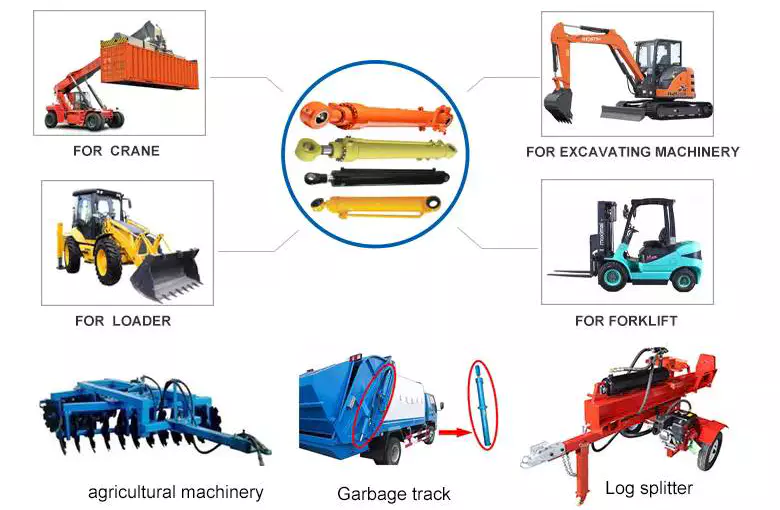
Are there any emerging trends in hydraulic cylinder technology, such as smart features?
Yes, there are several emerging trends in hydraulic cylinder technology, including the integration of smart features. As industries continue to adopt advanced technologies and seek greater efficiency, hydraulic cylinders are being equipped with innovative capabilities to enhance their performance and provide additional benefits. Here are some of the emerging trends in hydraulic cylinder technology:
1. Sensor Integration:
– One of the significant trends in hydraulic cylinder technology is the integration of sensors. Sensors can be embedded within the hydraulic cylinder to monitor various parameters such as pressure, temperature, position, and load. These sensors provide real-time data, allowing for condition monitoring, predictive maintenance, and improved operational control. By collecting and analyzing data, operators can optimize the performance of hydraulic systems, detect potential issues in advance, and prevent failures, resulting in increased reliability and reduced downtime.
2. Connectivity and IoT:
– Hydraulic cylinders are being integrated into the Internet of Things (IoT) ecosystem, enabling connectivity and data exchange. By connecting hydraulic cylinders to a network, operators can remotely monitor and control their performance. IoT-enabled hydraulic cylinders facilitate features such as remote diagnostics, performance optimization, and predictive maintenance. The connectivity aspect allows for better integration with overall equipment systems and enables data-driven decision-making for improved efficiency and productivity.
3. Energy-Efficient Designs:
– With the increasing focus on sustainability and energy efficiency, hydraulic cylinder technology is evolving to incorporate energy-saving features. Manufacturers are developing hydraulic cylinders with improved sealing technologies, reduced friction, and optimized fluid flow dynamics. These advancements minimize energy losses and increase overall system efficiency. Energy-efficient hydraulic cylinders contribute to reduced power consumption, lower operating costs, and a smaller environmental footprint.
4. Advanced Materials and Coatings:
– The use of advanced materials and coatings is another emerging trend in hydraulic cylinder technology. Manufacturers are exploring lightweight materials, such as composites and alloys, to reduce the overall weight of hydraulic cylinders without compromising strength and durability. Furthermore, specialized coatings and surface treatments are being applied to improve corrosion resistance, wear resistance, and lifespan. These advancements enhance the longevity and reliability of hydraulic cylinders, particularly in demanding environments.
5. Intelligent Control Systems:
– Hydraulic cylinder technology is embracing intelligent control systems that optimize performance and enable advanced functionalities. These systems utilize algorithms, machine learning, and artificial intelligence to automate processes, adapt to changing conditions, and optimize hydraulic cylinder movements. Intelligent control systems can adjust parameters in real-time, ensuring precise and efficient operation. This trend allows for increased automation, improved productivity, and enhanced safety in hydraulic system applications.
6. Predictive Maintenance:
– Predictive maintenance is gaining prominence in hydraulic cylinder technology. By utilizing data collected from sensors and monitoring systems, predictive maintenance algorithms can analyze the condition and performance of hydraulic cylinders. This analysis helps to identify potential failures or degradation in advance, enabling proactive maintenance actions. Predictive maintenance reduces unplanned downtime, extends the lifespan of hydraulic cylinders, and optimizes maintenance schedules, resulting in cost savings and improved equipment availability.
7. Enhanced Safety Features:
– Hydraulic cylinder technology is incorporating enhanced safety features to improve operator and equipment safety. These features include integrated safety valves, load monitoring systems, and emergency stop functionalities. Safety systems in hydraulic cylinders help prevent accidents, protect against overloads, and ensure reliable operation. The integration of advanced safety features contributes to safer working environments and compliance with stringent safety regulations.
These emerging trends in hydraulic cylinder technology demonstrate the industry’s focus on innovation, performance optimization, and sustainability. The integration of smart features, connectivity, advanced materials, and predictive maintenance capabilities enables hydraulic cylinders to operate more efficiently, provide real-time insights, and enhance overall system performance. As technology continues to advance, hydraulic cylinder technology is expected to evolve further, offering increased functionality and efficiency for various industries and applications.
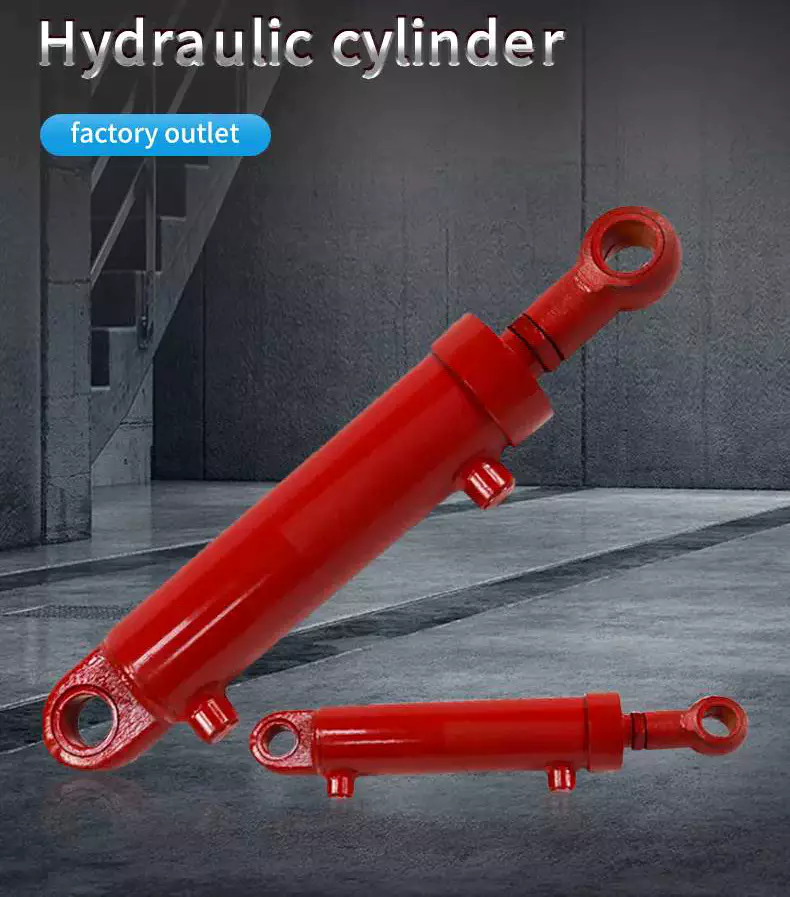
Impact of Hydraulic Cylinders on Overall Productivity of Manufacturing Operations
Hydraulic cylinders play a crucial role in enhancing the overall productivity of manufacturing operations. These versatile devices are widely used in various industrial applications due to their ability to generate powerful and controlled linear motion. Let’s explore how hydraulic cylinders impact the overall productivity of manufacturing operations:
- Powerful Force Generation: Hydraulic cylinders are capable of generating high forces, which enables them to handle heavy loads and perform demanding tasks. By providing the necessary force, hydraulic cylinders facilitate efficient and effective operation of machinery and equipment in manufacturing processes. This ability to exert substantial force contributes to increased productivity by enabling the handling of larger workpieces, enhancing process efficiency, and reducing manual labor requirements.
- Precision and Control: Hydraulic cylinders offer precise control over the movement of loads, allowing for accurate positioning, alignment, and repetitive tasks. The smooth and controlled linear motion provided by hydraulic cylinders ensures precise operation in manufacturing processes, such as assembly, material handling, and machining. This precision and control minimize errors, rework, and scrap, leading to improved productivity and higher-quality output.
- Speed and Efficiency: Hydraulic cylinders can operate at high speeds, enabling rapid movement and cycle times in manufacturing operations. The combination of high force and speed allows for faster operation of machinery and equipment, reducing production cycle times and increasing overall throughput. By optimizing the speed and efficiency of manufacturing processes, hydraulic cylinders contribute to improved productivity and output.
- Flexibility and Adaptability: Hydraulic cylinders are highly flexible and adaptable to different manufacturing applications. They can be customized to meet specific requirements, such as load capacity, stroke length, and mounting options. This versatility allows hydraulic cylinders to be integrated into a wide range of machinery and equipment, accommodating diverse manufacturing needs. The ability to adapt to different tasks and environments enhances overall productivity by enabling efficient utilization of resources and facilitating process optimization.
- Reliability and Durability: Hydraulic cylinders are known for their robustness and durability, making them suitable for demanding manufacturing environments. Their ability to withstand heavy loads, repeated use, and harsh operating conditions ensures reliable performance over extended periods. Minimizing downtime due to cylinder failure or maintenance requirements contributes to increased productivity and uninterrupted manufacturing operations.
In summary, hydraulic cylinders have a significant impact on the overall productivity of manufacturing operations. Their powerful force generation, precision and control, speed and efficiency, flexibility and adaptability, as well as reliability and durability, contribute to optimized processes, increased throughput, improved quality, and reduced labor requirements. By leveraging the capabilities of hydraulic cylinders, manufacturers can enhance productivity, streamline operations, and achieve greater efficiency in their manufacturing processes.
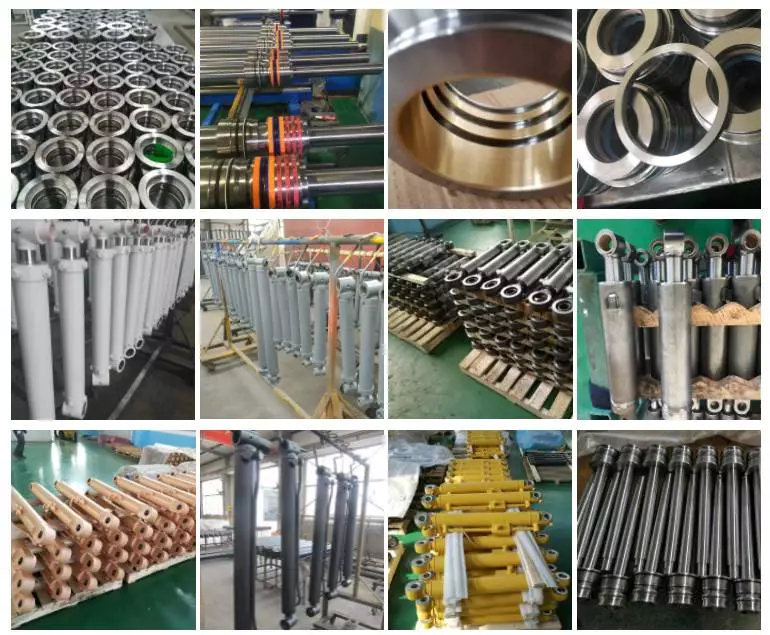
What are the common signs of wear or leakage that indicate hydraulic cylinder issues?
Hydraulic cylinders are critical components in hydraulic systems, and wear or leakage can lead to performance issues and potential system failures. It is important to be aware of the common signs that indicate hydraulic cylinder problems. Here’s a detailed explanation of the common signs of wear or leakage that indicate hydraulic cylinder issues:
1. Fluid Leakage:
– Fluid leakage is one of the most obvious signs of hydraulic cylinder problems. If you notice hydraulic fluid leaking from the cylinder, it indicates a seal failure or damage to the cylinder. Leaking fluid may be visible around the rod, piston, or cylinder body. It is important to address fluid leakage promptly as it can lead to a loss of system efficiency, contamination of the surrounding environment, and potential damage to other system components.
2. Reduced Performance:
– Wear or internal damage to the hydraulic cylinder can result in reduced performance. You may notice a decrease in the cylinder’s force output, slower operation, or difficulty in extending or retracting the cylinder. Reduced performance can be indicative of worn seals, damaged piston or rod, internal leakage, or contamination within the cylinder. Any noticeable decrease in the cylinder’s performance should be inspected and addressed to prevent further damage or system inefficiencies.
3. Abnormal Noise or Vibrations:
– Unusual noise or vibrations during the operation of a hydraulic cylinder can indicate internal wear or damage. Excessive noise, knocking sounds, or vibrations that are not typical for the system may suggest problems such as worn bearings, misalignment, or loose internal components. These signs should be investigated to identify the source of the issue and take appropriate corrective measures.
4. Excessive Heat:
– Overheating of the hydraulic cylinder is another sign of potential issues. If the cylinder feels excessively hot to the touch during normal operation, it may indicate problems such as internal leakage, fluid contamination, or inadequate lubrication. Excessive heat can lead to accelerated wear, reduced efficiency, and overall system malfunctions. Monitoring the temperature of the hydraulic cylinder is important to detect and address potential problems.
5. External Damage:
– Physical damage to the hydraulic cylinder, such as dents, scratches, or bent rods, can contribute to wear and leakage issues. External damage can compromise the integrity of the cylinder, leading to fluid leakage, misalignment, or inefficient operation. Regular inspection of the cylinder’s external condition is essential to identify any visible signs of damage and take appropriate actions.
6. Seal Failure:
– Hydraulic cylinder seals are critical components that prevent fluid leakage and maintain system integrity. Signs of seal failure include fluid leakage, reduced performance, and increased friction during cylinder operation. Damaged or worn seals should be replaced promptly to prevent further deterioration of the cylinder’s performance and potential damage to other system components.
7. Contamination:
– Contamination within the hydraulic cylinder can cause wear, damage to seals, and overall system inefficiencies. Signs of contamination include the presence of foreign particles, debris, or sludge in the hydraulic fluid or visible damage to seals and other internal components. Regular fluid analysis and maintenance practices should be implemented to prevent contamination and address any signs of contamination promptly.
8. Irregular Seal Wear:
– Hydraulic cylinder seals can wear over time due to friction, pressure, and operating conditions. Irregular seal wear patterns, such as uneven wear or excessive wear in specific areas, may indicate misalignment or improper installation. Monitoring the condition of the seals during regular maintenance can help identify potential issues and prevent premature seal failure.
It is important to address these common signs of wear or leakage promptly to prevent further damage, ensure the optimal performance of hydraulic cylinders, and maintain the overall efficiency and reliability of the hydraulic system. Regular inspection, maintenance, and timely repairs or replacements of damaged components are key to mitigating hydraulic cylinder issues and maximizing system longevity.

editor by CX 2023-12-04