Product Description
Superior Quality 6.5kg single-acting Lift cylinder for Cart
A single-acting lift cylinder is a type of hydraulic cylinder that operates in 1 direction, typically providing lifting capabilities. Unlike double-acting cylinders that can exert force in both directions (extend and retract), single-acting lift cylinders generate power in only 1 order, usually the extension stroke.
| bore diameter (D) | rod diameter (d) | stroke (S) | Installation distance (L) | working pressure | Interface dimensions (M) | weight |
| Φ45 | Φ40 | 155 | 355 | 20MPa | Φ6 | 6.5kg |
(1) Our company can customize non-standard oil cylinders within the range of cylinder diameter D360MM and stroke L6000MM according to customer requirements;
(2) The above product prices are nontax unit prices, excluding packaging and transportation costs required for the export
Here are some key features and aspects of single-acting lift cylinders:
-
Construction: A single-acting lift cylinder consists of a cylinder barrel, piston, piston rod, seals, and hydraulic connections. The cylinder barrel houses the piston, and the piston rod is attached to the load or lifting mechanism.
-
Hydraulic Operation: Single-acting lift cylinders are powered by hydraulic fluid, typically oil or another. The liquid is supplied to 1 side of the cylinder, usually the bottom, creating pressure that extends the piston and provides the lifting force. The retraction or lowering of the cylinder is achieved by allowing the fluid to flow back to the reservoir freely or using gravity.
-
Application of Force: Single-acting lift cylinders exert force in only 1 direction, usually upward or in the extension stroke. External influences like gravity, springs, or the weight of the load typically achieve the downward or retraction stroke.
-
Control Mechanism: Single-acting lift cylinders are usually controlled by a directional control valve that regulates the flow of hydraulic fluid to the cylinder. The valve directs the fluid to extend the cylinder, while the retracting movement is achieved by releasing the pressure or allowing the fluid to flow back to the reservoir.
-
Load Capacity: Single-acting lift cylinders are available in different load capacities, allowing them to handle various lifting requirements. The load capacity should be carefully considered to meet the specific application needs and safety requirements.
-
Applications: Single-acting lift cylinders are commonly used in applications such as hydraulic lifts, scissor lifts, dump trailers, and other lifting mechanisms where the primary function is to raise or lift loads.
Application of Oil Lift cylinders
-
Material Handling: Oil Lift cylinders are extensively used in material handling equipment such as forklifts, pallet jacks, and scissor lifts. They provide the lifting force necessary to raise and lower heavy loads, facilitating the movement of goods and materials within warehouses, distribution centers, and manufacturing facilities.
-
Automotive Maintenance: In automotive repair shops and garages, Oil Lift cylinders are used in automotive lifts. They enable the lifting of vehicles for inspection, maintenance, and repair work, allowing mechanics to access the undercarriage or engine components easily.
-
Construction and Heavy Equipment: Oil Lift cylinders are employed in construction machinery and heavy equipment, such as cranes, excavators, and loaders. They are vital in lifting and positioning heavy materials and facilitating construction and earthmoving operations.
-
Aerial Work Platforms: Oil Lift cylinders are utilized in aerial work platforms, such as scissor lifts and boom lifts. They provide the vertical lifting capability required for workers to access elevated work areas safely, such as for maintenance, installation, or inspection tasks.
-
Industrial Machinery: Oil Lift cylinders are integrated into various industrial machinery and equipment, including assembly lines, packaging machines, and conveyor systems. They enable the lifting or lowering of components, products, or materials at different stages of the manufacturing or production process.
-
Ergonomic Workstations: Oil Lift cylinders enable height adjustment in ergonomic workstations or adjustable-height desks. They allow users to customize the height of their work surface, promoting ergonomic comfort and reducing strain on the body.
-
Healthcare and Medical Equipment: Oil Lift cylinders are used in medical and healthcare equipment, such as patient beds, surgical tables, and examination chairs. They provide the necessary lifting and lowering functions to adjust the height and position of the equipment for patient care, surgeries, or medical procedures.
Our Company
We have a first-class independent R&D platform for assembly. The forklift cylinder production workshop has 4 semi-automatic lifting cylinder assembly lines and 1 fully automatic tilting cylinder assembly line, with a designed annual production capacity of 1 million pieces; the special cylinder workshop is equipped with semi-automatic cleaning and assembly systems of various specifications, with a designed annual production capacity of 200,000 essays. It has famous CNC machining equipment, machining centers, special equipment for high-precision cylinder processing, robot welding machines, automatic cleaning machines, automatic cylinder assembly machines, and automatic paint production lines. We have more than 300 sets of critical equipment running. The optimized allocation and efficient utilization of equipment resources ensure the precision requirements of the products and meet the high standard quality requirements of the products.
|
Forklift cylinder assembly shop |
Other types of cylinder assembly shop |
Welding
Painting & coating
|
Painting & coating line |
Fully automatic water-based |
Testing
To further improve product performance, and establish the leadership position of our hydraulic cylinder in the industry, our company and zjimee jointly established a Comprehensive performance laboratory of hydraulic cylinders, hydraulic valves, and hydraulic pumps; the lab is computer-assisted testing, using electro-hydraulic control technology, the test conditions preset by computer, which improves the test accuracy and system versatility, and the experimental data.
The automatic collection is realized through the application of sensors, and the output data, such as the internal leakage and load efficiency of the cylinder or the valve, are directly processed by the computer and converted to standard units (ml/min; %). At the same time, to ensure the working safety of the hydraulic system, the state monitoring function is carried out for key performance parameters, such as “oil temperature monitoring, liquid level monitoring, filter device monitoring,” etc. Among them, the hydraulic cylinder test stand can test the performance of “load efficiency” and “internal leakage” by readings. At the same time, it is equipped with a grating ruler measuring instrument, which meets the requirements of all test items of hydraulic cylinder products in the national standard.
Our Factory
Packaging & Shipping
A short lifting cylinder for a forklift is a specific type of hydraulic cylinder designed for vertical lifting applications in forklifts. It is typically used to raise and lower the mast assembly and forks of the forklift, allowing for the lifting and positioning of loads.
| Certification: | GS, RoHS, CE, ISO9001 |
|---|---|
| Pressure: | Medium Pressure |
| Work Temperature: | Normal Temperature |
| Acting Way: | Double Acting |
| Working Method: | Rotary |
| Adjusted Form: | Regulated Type |
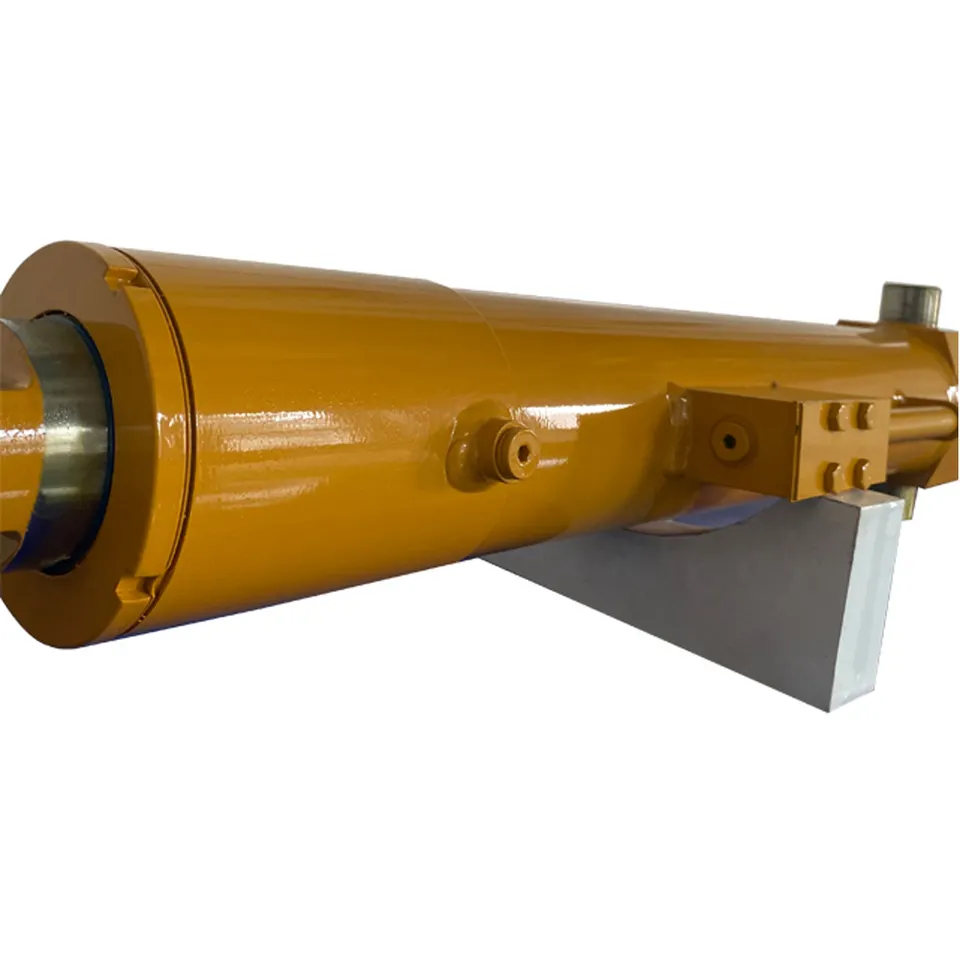
How does a lift cylinder contribute to efficient and reliable lifting?
A lift cylinder plays a crucial role in enabling efficient and reliable lifting operations. Here’s an explanation of how a lift cylinder contributes to efficient and reliable lifting:
1. High Lifting Capacity:
Lift cylinders are specifically designed to provide high lifting capacities. They can generate substantial force to lift heavy loads, making them well-suited for material handling tasks that involve large or bulky items. The high lifting capacity ensures that the cylinder can effectively handle the intended load, contributing to efficient lifting without the need for additional equipment or manual labor.
2. Precise Control:
Lift cylinders offer precise control over the lifting process. By regulating the flow and pressure of hydraulic fluid, operators can achieve accurate positioning and controlled movements. This level of control allows for efficient and precise placement of the load, reducing the risk of damage to the load or surrounding objects. The precise control also enables operators to optimize the lifting process, saving time and effort.
3. Smooth and Stable Operation:
Lift cylinders provide smooth and stable operation during lifting operations. The hydraulic system ensures that the lifting motion is steady and controlled, minimizing jerking or sudden movements. This smooth operation is important for the safe handling of delicate or fragile materials. It also enhances operator confidence and reduces the risk of accidents, contributing to reliable lifting performance.
4. Quick Response Time:
Lift cylinders offer quick response times, allowing for efficient and timely lifting operations. When activated, the hydraulic system quickly directs fluid into the cylinder, initiating the lifting motion. This rapid response time reduces downtime and enables operators to complete lifting tasks more efficiently.
5. Durability and Reliability:
Lift cylinders are built to withstand the demands of heavy-duty lifting operations. They are constructed with durable materials and designed to handle repetitive lifting tasks over extended periods. The robust construction and reliable performance of lift cylinders ensure that they can consistently deliver efficient lifting performance without frequent breakdowns or malfunctions.
6. Safety Features:
Lift cylinders often incorporate safety features to enhance reliability during lifting operations. These features can include load-holding valves, pressure relief valves, and fail-safe mechanisms. Load-holding valves prevent the load from dropping in the event of hydraulic pressure loss, ensuring the load remains securely lifted. Pressure relief valves protect the system from excessive pressure, preventing potential damage. Fail-safe mechanisms provide additional safety by engaging in the event of a system failure or power loss. The presence of these safety features contributes to reliable and safe lifting operations.
7. Integration with Control Systems:
Advanced lift cylinders can be integrated with control systems, such as electronic controls or programmable logic controllers (PLCs). This integration allows for automation and optimized control of the lifting process. By incorporating sensors, feedback mechanisms, and pre-programmed sequences, the lift cylinder can operate efficiently and reliably with minimal operator intervention.
In summary, a lift cylinder contributes to efficient and reliable lifting through its high lifting capacity, precise control, smooth and stable operation, quick response time, durability and reliability, incorporation of safety features, and integration with control systems. These features and capabilities ensure that the lifting process is efficient, accurate, and safe, thereby enhancing overall lifting performance.
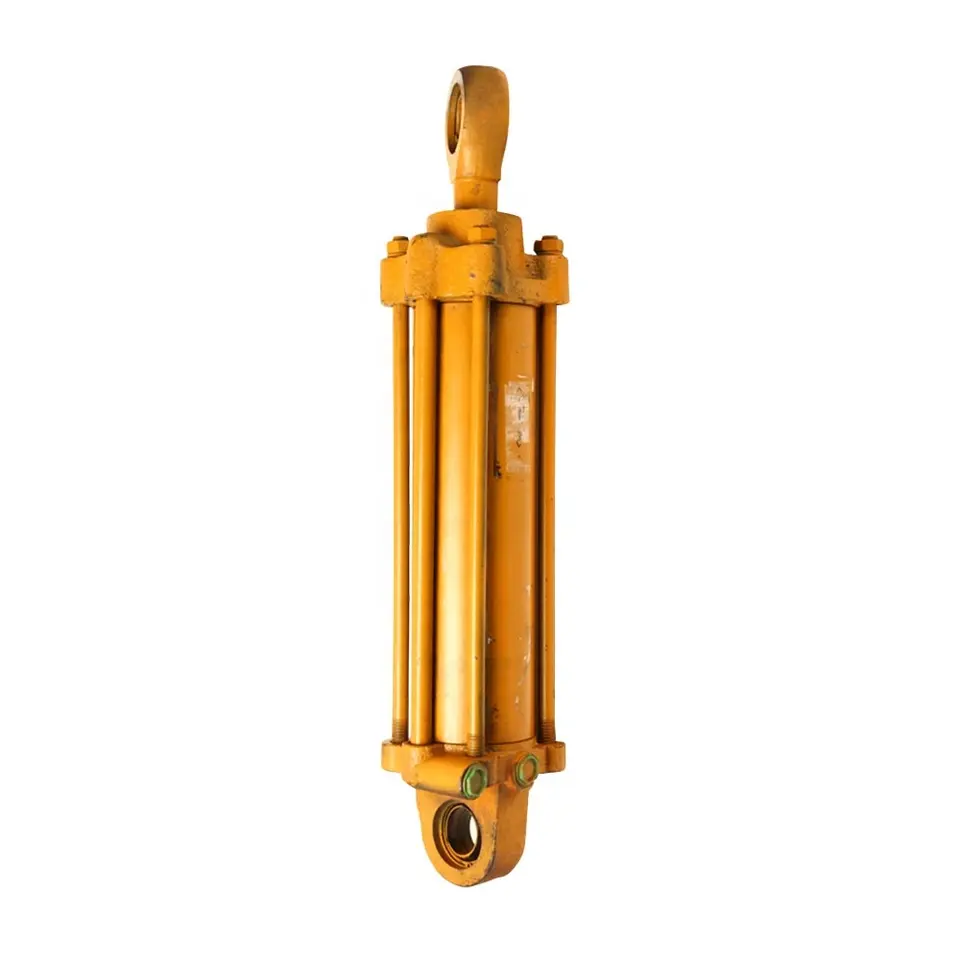
How Does a Lift Cylinder Contribute to Precise Load Handling and Positioning?
A lift cylinder plays a crucial role in achieving precise load handling and positioning in various applications. It is a hydraulic component commonly used in material handling equipment, including forklifts, cranes, and other lifting devices. The lift cylinder utilizes hydraulic power to control the vertical movement of loads, allowing for precise and controlled lifting, lowering, and positioning. Here’s a detailed explanation of how a lift cylinder contributes to precise load handling and positioning:
- Vertical Lifting:
- Load Stability:
- Positioning Control:
- Load Balancing:
- Controlled Speed and Acceleration:
- Force Feedback and Sensing:
The primary function of a lift cylinder is to provide the vertical lifting force required to raise and lower loads. When hydraulic pressure is applied to the cylinder, it extends or retracts the piston rod, depending on the design. This controlled extension or retraction enables the lift cylinder to raise or lower the load with precision. The hydraulic system allows operators to adjust the lifting speed and control the movement of the cylinder, ensuring smooth and accurate load handling.
One of the key factors in precise load handling is maintaining load stability throughout the lifting and positioning process. Lift cylinders are designed to provide a stable lifting platform by minimizing unwanted movements or vibrations. The hydraulic system, combined with the mechanical structure of the cylinder, offers excellent control over the load’s vertical movement, preventing sudden shifts or instability. This stability allows operators to handle delicate or fragile loads without compromising their integrity.
A lift cylinder offers precise positioning control, enabling operators to place the load accurately at the desired location. By regulating the hydraulic pressure, operators can control the speed and direction of the cylinder’s movement. This control allows for fine adjustments during the lifting or lowering process, ensuring that the load is positioned precisely according to the requirements. The hydraulic system offers responsiveness and sensitivity, allowing for real-time adjustments for optimal load placement.
Load balancing is essential for maintaining stability and preventing excessive stress on the lifting equipment. Lift cylinders are often used in combination with other hydraulic components, such as counterbalance valves or load sensing systems, to achieve load balancing. These systems monitor the load and adjust the hydraulic pressure within the lift cylinder to ensure that the load remains balanced during lifting and lowering operations. By maintaining load balance, the lift cylinder contributes to precise load handling and positioning, reducing the risk of accidents or damage.
Precise load handling requires controlled speed and acceleration during lifting and lowering operations. Lift cylinders, integrated with hydraulic control valves, allow for precise adjustment of the lifting speed and acceleration profile. Operators can control the flow rate of hydraulic fluid entering or exiting the cylinder, regulating the speed of the piston’s movement. This control over speed and acceleration enables smooth and gradual load handling, preventing sudden jolts or jerky movements that could affect load positioning accuracy.
Some advanced lift cylinder systems incorporate force feedback mechanisms or load sensing capabilities. These features provide operators with real-time information on the load’s weight or force exerted on the cylinder. By receiving feedback on the load conditions, operators can make precise adjustments to the lifting or lowering operation. This feedback mechanism enhances load handling precision, allowing operators to adapt to changing load characteristics and ensure accurate positioning.
A lift cylinder’s ability to provide vertical lifting force, maintain load stability, offer precise positioning control, assist in load balancing, enable controlled speed and acceleration, and incorporate force feedback or load sensing capabilities all contribute to precise load handling and positioning. These features make lift cylinders valuable components in material handling equipment, ensuring safe and efficient handling of loads in various industries and applications.
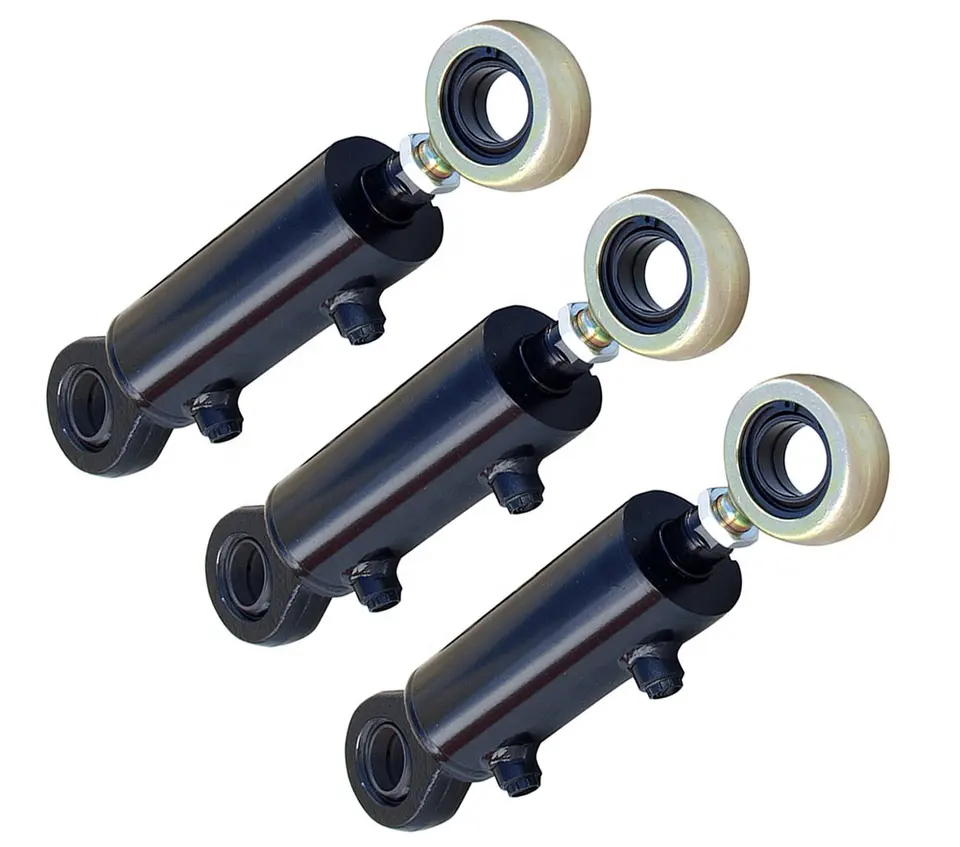
What is the importance of regular maintenance for lift cylinders?
Regular maintenance for lift cylinders is of utmost importance to ensure their optimal performance, longevity, and safe operation. Here’s an explanation of the importance of regular maintenance for lift cylinders:
1. Safety:
Regular maintenance helps identify and address potential safety issues with lift cylinders. Over time, wear and tear, leaks, or component failures can compromise the integrity and stability of the cylinder. Through regular inspections and maintenance, any safety concerns can be detected early and resolved, reducing the risk of accidents or equipment failures.
2. Performance:
Maintaining lift cylinders at regular intervals helps ensure their consistent performance. By inspecting and servicing the cylinder components, such as seals, rods, and pistons, any issues affecting the cylinder’s efficiency and functionality can be addressed. Properly maintained cylinders are more reliable, provide smoother operation, and deliver the required lifting power consistently.
3. Preventive Measures:
Regular maintenance allows for preventive measures to be taken to avoid major breakdowns or costly repairs. By following a maintenance schedule, potential problems can be identified early and resolved before they escalate. This includes tasks such as lubrication, seal replacement, cleaning, and adjusting hydraulic fluid levels, which can help extend the lifespan of the cylinder and minimize downtime.
4. Cost Savings:
Regular maintenance can lead to significant cost savings in the long run. By addressing minor issues promptly, it helps prevent major failures that require expensive repairs or cylinder replacements. Well-maintained cylinders also tend to have a longer service life, reducing the need for frequent replacements and associated costs.
5. Compliance with Manufacturer’s Recommendations:
Manufacturers often provide specific maintenance guidelines for lift cylinders. Adhering to these recommendations ensures that the cylinders are maintained according to the intended specifications. Regular maintenance helps uphold warranty requirements, maintain compliance with industry standards, and maximize the cylinder’s performance according to the manufacturer’s specifications.
6. System Efficiency:
Lift cylinders are often part of larger hydraulic systems. Regular maintenance of the cylinders helps maintain the overall efficiency of the system. Any issues or inefficiencies in the cylinders can affect the performance of the entire hydraulic system, leading to decreased productivity, increased energy consumption, and potential damage to other system components.
In summary, regular maintenance for lift cylinders is crucial for safety, performance, preventive measures, cost savings, compliance with manufacturer’s recommendations, and system efficiency. By investing in regular inspections, servicing, and adherence to maintenance schedules, lift cylinders can operate reliably, efficiently, and safely throughout their lifespan.


editor by CX 2023-10-14