Product Description
|
Specifications These gas springs are used for the office chairs and various other systems where step less height adjustment is required. These gas springs bring comfort to the occupant who is carring out various activities while sitting for long periods. |
|
Advantages: 1) ease of height adjustment with touch of a knob, to suit the mood of the occupant and to achieve the operational height conformity for comfort better productivity. 2) slight cushioning effect in the block condition, resist or reduces the pressure on the back while sitting or occupying the chair for a long period. 3) easy installation. 4)this gas springs facilitates ergonomic characteristic in seating system. |
|
Areas of application 1) swivel chairs for smooth height adjustment. 2) industrial chairs and stools for ergonomic sitting in the industry. 3) dental stools and ophthalmic chairs. 4) work tables. 5) beauty parlor chairs |
Product Description
| Model | C | S | L | V | X | Y | F1±1KG |
| MX-40mm | 40D | 210 | 250 | 135 | 60 | 10 | 500 |
| MX-65mm | 65D | 215 | 280 | 160 | 60 | 10 | 480/550 |
| MX-85mm | 85D | 235 | 320 | 175 | 60 | 10 | 400 |
| MX-100mm | 100D | 250 | 360 | 185 | 60 | 10 | 400 |
| MX-120mm | 120D | 270 | 390 | 195 | 60 | 10 | 400 |
| MX-140mm | 140D | 290 | 430 | 225 | 60 | 10 | 380 |
| MX-160mm | 160D | 330 | 510 | 285 | 60 | 10 | 380 |
| MX-200mm | 200D | 360 | 560 | 295 | 60 | 10 | 380 |
| MX-260mm | 260D | 440 | 700 | 365 | 60 | 10 | 380 |
Company Profile
Production Workshop
Packaging & Shipping
Certifications
FAQ
1.Q: What is our factory product range?
A:1)Office chair parts.Such as office chair castor wheel,shaft collar,gas spring for cabinet,office chair gas spring.
2.Q: How to order?
A:Please send us your purchase order by Email or Fax.
1) Product information:Quantitiy,Specification(size , color, logo and packing requirement),
2) Delivery time required.
3) Shipping information:Company name,Address,Phone number,Destination seaport/airport.
4) Forwarder’s contact details if there is any in China.
3.Q: How long and how to get sample from us ?
A:1) If you need some sample to text,we can make as per your request,please provide us PDF or AI for Making.
2) Lead time for making sample:about 7 days
3) The transportation freight of samples: the freight depends on the weight and packing size and your area.
4.Q: What is the payment terms for sample cost and order amount?
A:For sample, we accept the payment sent by West Union,Paypal, for orders, we can accept T/T or L/C at sight.
5.Q: What is the whole process for doing business with us ?
A:1) First,please provide details of the products you need we quote for you.
2) If price is acceptable and client need sample,we provide samples for your reference.
3) If client approve sample and require for bulk production for order,we will provide Proforma Invoice for client,and we will arrange to produce at once when we get 30% deposit.
4) We will send photos of all goods,packing,details,and B/L copy for client after goods are finished.We will arrange shipment and provide original B/L when the client pay the balance.
6.Q: Can the logo or company name to be printed on the products or package?
A:Sure.Your logo or company name can be printed on your products by stamping, printing,embossing,die cast, coating or sticker.
7.Q: What advantages we have?
A:Rich experience: We have more than 10 years experience in this industry.
That means,we can preview the problems for the orders and products.
Therefore,it will make sure to reduce the risk of bad situation to happen.
Point to point service: There is 1 sale who will serve you from inquiry to products shipped out.During the process,you just need to discuss with her for all problems and the way saves much time.
Free design: If you are not ready for the designs,the professional designers will be able to help you with it freely.
Strict QC: For each order,strict inspection will be carried out by the QC department before shipping.The bad quality will be avoid within door.
| Function: | Pressed |
|---|---|
| Material: | Stainless Steel |
| Usage: | Industrial, Furniture |
| Load Type: | Compression |
| Production Process: | Hot Roll |
| Shape: | Cylinder |
| Samples: |
US$ 30/Piece
1 Piece(Min.Order) | |
|---|
| Customization: |
Available
|
|
|---|
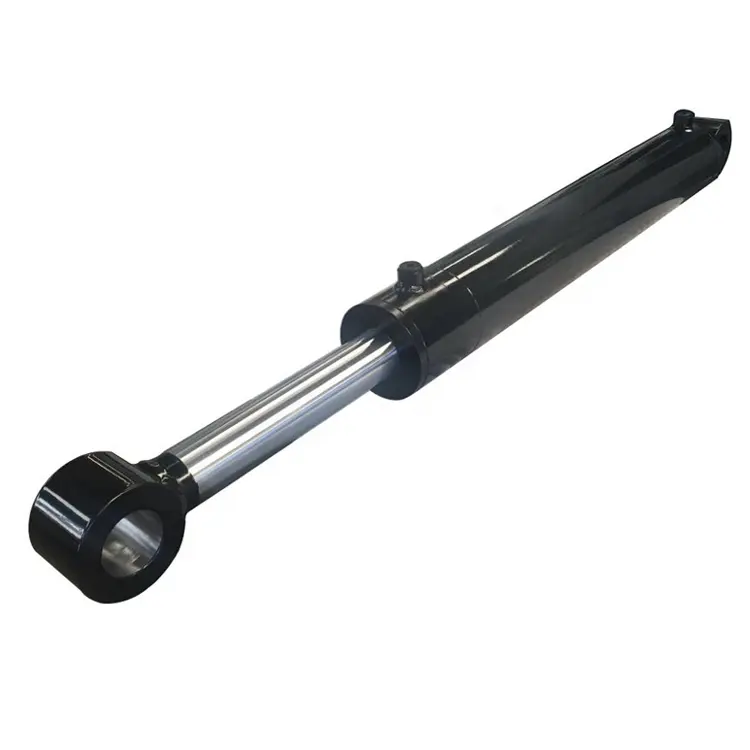
How does a lift cylinder contribute to energy-efficient lifting?
A lift cylinder plays a significant role in promoting energy-efficient lifting operations. Here’s an explanation of how lift cylinders contribute to energy efficiency:
1. Hydraulic System Efficiency:
Lift cylinders are commonly used in hydraulic systems, which are known for their high efficiency. Hydraulic systems utilize pressurized fluid to transmit power, allowing for smooth and controlled lifting operations. The hydraulic fluid is circulated within the system, and the lift cylinder converts the pressure of the fluid into mechanical force to lift the load. Compared to other mechanical lifting mechanisms, hydraulic systems, including lift cylinders, experience minimal energy loss due to their efficient power transmission.
2. Power-to-Weight Ratio:
Lift cylinders are designed to have a high power-to-weight ratio. This means that they can generate a substantial lifting force relative to their weight. By utilizing lightweight yet durable materials and optimizing the design, lift cylinders can effectively lift heavy loads while minimizing the amount of energy required. The efficient power-to-weight ratio contributes to energy efficiency by reducing the overall power consumption during lifting operations.
3. Load-Specific Design:
Lift cylinders are often engineered to match the specific load requirements of lifting applications. By customizing the design parameters, such as bore size, stroke length, and operating pressure, lift cylinders can be optimized for the intended load capacities and lifting tasks. This load-specific design ensures that the lift cylinder operates at its optimal efficiency, minimizing energy waste and maximizing the lifting performance.
4. Regenerative Systems:
In certain lifting applications, lift cylinders can be integrated into regenerative systems. Regenerative systems capture and store energy that would otherwise be dissipated as heat during the lowering phase of the lifting operation. This stored energy can then be reused to assist in the subsequent lifting process, reducing the overall energy consumption. Regenerative systems enhance energy efficiency by utilizing the otherwise wasted energy to partially power the lifting operation.
5. Control Systems:
Advanced control systems can be implemented in conjunction with lift cylinders to optimize energy efficiency. These control systems, such as proportional valves or variable-speed drives, allow for precise control of the lifting process. By adjusting the flow rate or speed of the hydraulic fluid, operators can match the power output of the lift cylinder to the specific load requirements, minimizing energy waste and improving overall efficiency.
6. Maintenance and Optimization:
Regular maintenance and optimization of lift cylinders are essential for maintaining energy efficiency. Proper lubrication, seal replacements, and overall system inspections help ensure that the lift cylinder operates at its peak performance. By identifying and addressing any issues or inefficiencies, maintenance practices contribute to energy-efficient lifting operations.
In summary, lift cylinders contribute to energy-efficient lifting through hydraulic system efficiency, a high power-to-weight ratio, load-specific design, regenerative systems, control systems, and proper maintenance. By utilizing these features and practices, lift cylinders help minimize energy consumption and enhance overall lifting efficiency.
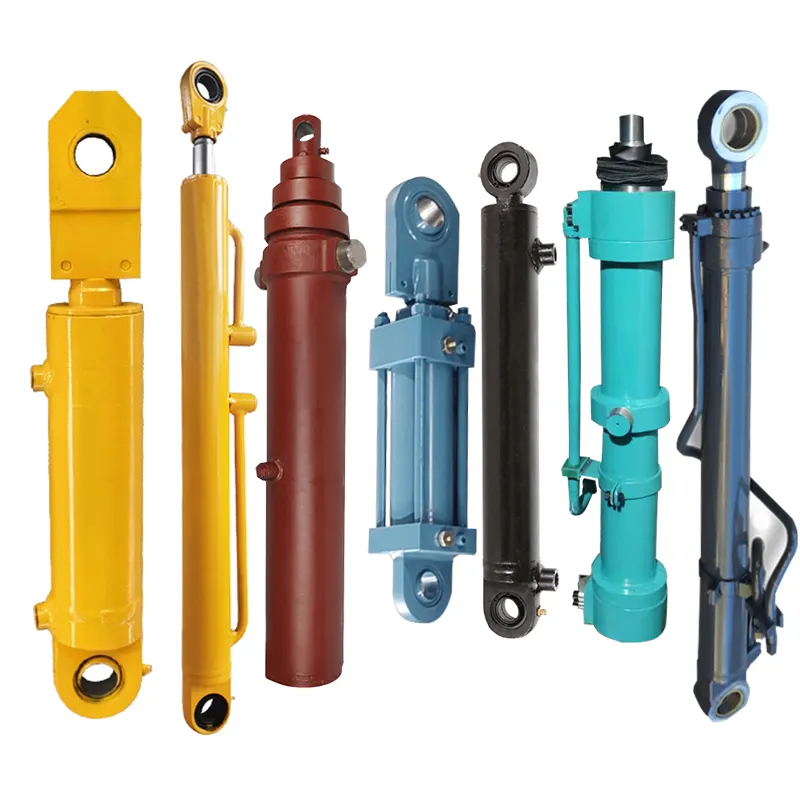
How Does a Lift Cylinder Contribute to Load Leveling and Distribution?
A lift cylinder plays a significant role in load leveling and distribution, ensuring stability and balanced weight distribution in various applications. Here’s a detailed explanation of how a lift cylinder contributes to load leveling and distribution:
- Vertical Force Generation:
- Multi-Cylinder Systems:
- Self-Leveling Mechanisms:
- Force Sensing and Control:
- Structural Support and Stability:
- Customization for Specific Applications:
When a lift cylinder is activated, it generates a vertical force that lifts or supports a load. The force exerted by the cylinder is directly proportional to its hydraulic or pneumatic pressure and the effective area of the piston. By adjusting the pressure or controlling the flow of fluid or gas into the cylinder, the force can be precisely regulated to achieve load leveling and distribution.
In applications where load leveling and distribution are critical, multiple lift cylinders may be used in a system. These cylinders work in synchronization to evenly distribute the load and maintain balance. By connecting the cylinders in parallel or series, the hydraulic or pneumatic pressure can be distributed across all cylinders, ensuring that each cylinder contributes proportionately to the load leveling and distribution process.
Some lift cylinder systems incorporate self-leveling mechanisms to automatically adjust the position and angle of the load. These mechanisms utilize sensors or feedback systems that monitor the load distribution and make real-time adjustments to the lift cylinders. If an imbalance or uneven weight distribution is detected, the self-leveling mechanisms activate the appropriate lift cylinders to counteract the imbalance and restore equilibrium. This contributes to load leveling and distribution, preventing excessive stress on specific areas or components.
Advanced lift cylinder systems may employ force sensing and control technologies to achieve precise load leveling and distribution. Force sensors are integrated into the lifting mechanism, allowing real-time monitoring of the forces exerted by the cylinders. This information is then used to adjust the hydraulic or pneumatic pressure, ensuring that each cylinder contributes optimally to the load distribution. By continuously monitoring and controlling the forces, the lift cylinder system can adapt to changing load conditions and maintain stable load leveling and distribution.
Lift cylinders provide structural support and stability to the load-bearing components in various applications. By evenly distributing the load, the cylinders help prevent excessive stress or strain on specific components. They ensure that the weight is evenly spread across the supporting structure, reducing the risk of structural damage or failure. Lift cylinders also contribute to the overall stability of the system, minimizing unwanted movements or vibrations caused by imbalanced loads.
Lift cylinders can be customized and tailored to specific applications to optimize load leveling and distribution. Factors such as cylinder size, stroke length, bore diameter, and material strength can be selected based on the load characteristics and weight distribution requirements of the particular application. By considering the specific needs of the application, lift cylinders can be designed and implemented to achieve the desired load leveling and distribution performance.
Overall, a lift cylinder is a crucial component in achieving load leveling and distribution in various applications. Whether through vertical force generation, multi-cylinder systems, self-leveling mechanisms, force sensing and control, structural support, or customization, lift cylinders contribute to maintaining stability, balance, and even weight distribution, ensuring optimal performance and safety in diverse industrial and mechanical systems.
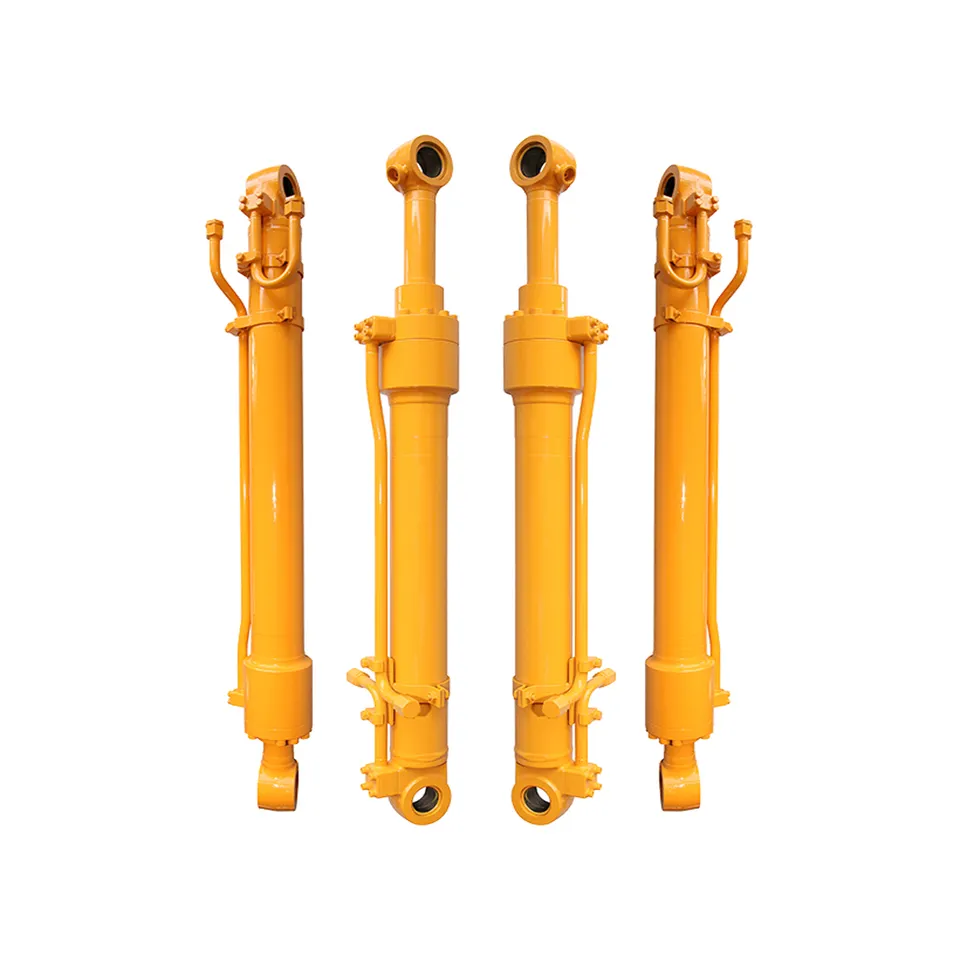
Can you explain the role of hydraulic fluid in a lift cylinder?
Hydraulic fluid plays a crucial role in the operation of a lift cylinder. It serves as the medium through which force is transmitted to generate motion and provide lifting or lowering capabilities. Here’s an explanation of the role of hydraulic fluid in a lift cylinder:
1. Transmission of Force:
Hydraulic fluid acts as a medium for transmitting force within the lift cylinder. When pressurized, the hydraulic fluid applies force on the piston, which then transfers that force to the load through the rod. The force exerted by the hydraulic fluid is transmitted equally in all directions due to Pascal’s law, allowing for effective lifting or lowering of heavy loads.
2. Energy Transfer:
Hydraulic fluid is responsible for transferring energy within the hydraulic system. The hydraulic fluid is pressurized by a pump, which converts mechanical energy into hydraulic energy. This pressurized fluid carries the energy to the lift cylinder, where it is converted back into mechanical energy to perform the lifting or lowering action. The ability of hydraulic fluid to store and transmit energy efficiently makes it ideal for power transmission in hydraulic systems.
3. Lubrication and Cooling:
Hydraulic fluid serves as a lubricant within the lift cylinder to reduce friction and wear between moving parts, such as the piston and the cylinder barrel. This lubrication helps to enhance the longevity and smooth operation of the cylinder components. Additionally, the hydraulic fluid also aids in cooling the system by absorbing heat generated during operation, preventing overheating and ensuring optimal performance.
4. Sealing and Contamination Control:
Hydraulic fluid plays a critical role in sealing the lift cylinder and preventing leakage. It works in conjunction with seals located between the piston and cylinder barrel, as well as around the rod, to create a tight and secure hydraulic system. The hydraulic fluid also helps to control contamination by keeping external contaminants, such as dirt and debris, from entering the cylinder and affecting its performance.
5. System Efficiency:
The properties of hydraulic fluid, such as its viscosity and flow characteristics, directly impact the efficiency of the lift cylinder system. The choice of the appropriate hydraulic fluid ensures smooth and efficient operation, minimizing energy losses and maximizing system performance.
In summary, hydraulic fluid plays a vital role in a lift cylinder by transmitting force, transferring energy, lubricating and cooling the system, sealing against leaks, controlling contamination, and contributing to system efficiency. It enables the lift cylinder to generate the necessary force and motion to lift or lower heavy loads, while also ensuring the smooth and reliable operation of the hydraulic system.


editor by CX 2023-10-26