Product Description
Product Description
| Specifications These gas springs are used for the office chairs and various other systems where step less height adjustment is required. These gas springs bring comfort to the occupant who is carring out various activities while sitting for long periods. |
| Advantages:1) ease of height adjustment with touch of a knob, to suit the mood of the occupant and to achieve the operational height conformity for comfort better productivity.2) slight cushioning effect in the block condition, resist or reduces the pressure on the back while sitting or occupying the chair for a long period.3) easy installation.4)this gas springs facilitates ergonomic characteristic in seating system. |
| Areas of application 1) swivel chairs for smooth height adjustment. 2) industrial chairs and stools for ergonomic sitting in the industry. 3) dental stools and ophthalmic chairs. 4) work tables. 5) beauty parlor chairs |
| Model | C | S | L | V | X | Y | F1±1KG |
| MX-40mm | 40D | 210 | 250 | 135 | 60 | 10 | 500 |
| MX-65mm | 65D | 215 | 280 | 160 | 60 | 10 | 480/550 |
| MX-85mm | 85D | 235 | 320 | 175 | 60 | 10 | 400 |
| MX-100mm | 100D | 250 | 360 | 185 | 60 | 10 | 400 |
| MX-120mm | 120D | 270 | 390 | 195 | 60 | 10 | 400 |
| MX-140mm | 140D | 290 | 430 | 225 | 60 | 10 | 380 |
| MX-160mm | 160D | 330 | 510 | 285 | 60 | 10 | 380 |
| MX-200mm | 200D | 360 | 560 | 295 | 60 | 10 | 380 |
| MX-260mm | 260D | 440 | 700 | 365 | 60 | 10 | 380 |
Company Profile
Production Workshop
Packaging & Shipping
Certifications
FAQ
1.Q: What is our factory product range?
A:1)Office chair parts.Such as office chair castor wheel,shaft collar,gas spring for cabinet,office chair gas spring.
2.Q: How to order?
A:Please send us your purchase order by Email or Fax.
1) Product information:Quantitiy,Specification(size , color, logo and packing requirement),
2) Delivery time required.
3) Shipping information:Company name,Address,Phone number,Destination seaport/airport.
4) Forwarder’s contact details if there is any in China.
3.Q: How long and how to get sample from us ?
A:1) If you need some sample to text,we can make as per your request,please provide us PDF or AI for Making.
2) Lead time for making sample:about 7 days
3) The transportation freight of samples: the freight depends on the weight and packing size and your area.
4.Q: What is the payment terms for sample cost and order amount?
A:For sample, we accept the payment sent by West Union,Paypal, for orders, we can accept T/T or L/C at sight.
5.Q: What is the whole process for doing business with us ?
A:1) First,please provide details of the products you need we quote for you.
2) If price is acceptable and client need sample,we provide samples for your reference.
3) If client approve sample and require for bulk production for order,we will provide Proforma Invoice for client,and we will arrange to produce at once when we get 30% deposit.
4) We will send photos of all goods,packing,details,and B/L copy for client after goods are finished.We will arrange shipment and provide original B/L when the client pay the balance.
6.Q: Can the logo or company name to be printed on the products or package?
A:Sure.Your logo or company name can be printed on your products by stamping, printing,embossing,die cast, coating or sticker.
7.Q: What advantages we have?
A:Rich experience: We have more than 10 years experience in this industry.
That means,we can preview the problems for the orders and products.
Therefore,it will make sure to reduce the risk of bad situation to happen.
Point to point service: There is 1 sale who will serve you from inquiry to products shipped out.During the process,you just need to discuss with her for all problems and the way saves much time.
Free design: If you are not ready for the designs,the professional designers will be able to help you with it freely.
Strict QC: For each order,strict inspection will be carried out by the QC department before shipping.The bad quality will be avoid within door.
/* March 10, 2571 17:59:20 */!function(){function s(e,r){var a,o={};try{e&&e.split(“,”).forEach(function(e,t){e&&(a=e.match(/(.*?):(.*)$/))&&1
| Function: | Pressed |
|---|---|
| Material: | Stainless Steel |
| Usage: | Industrial, Furniture |
| Load Type: | Compression |
| Production Process: | Hot Roll |
| Shape: | Cylinder |
| Samples: |
US$ 30/Piece
1 Piece(Min.Order) | |
|---|
| Customization: |
Available
|
|
|---|
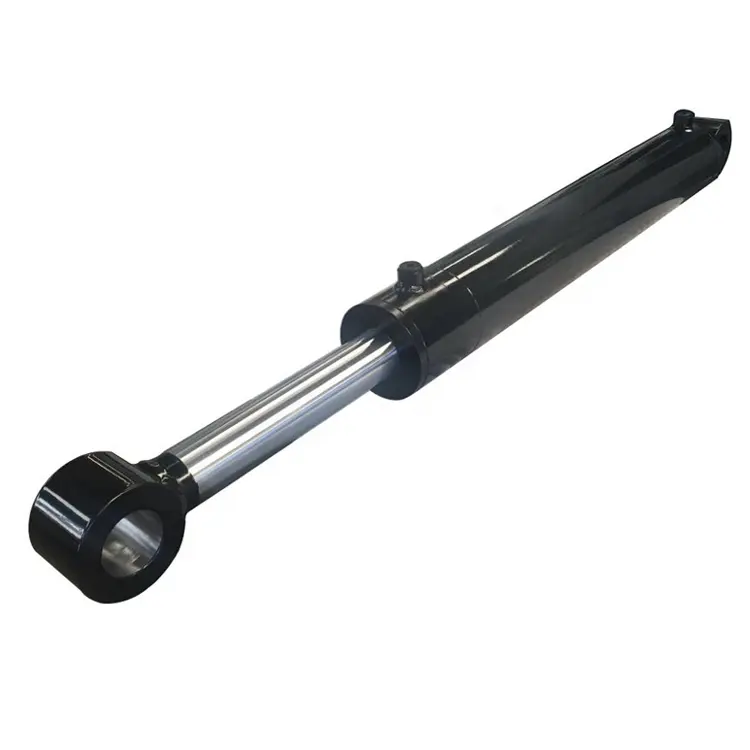
How does a lift cylinder contribute to energy-efficient lifting?
A lift cylinder plays a significant role in promoting energy-efficient lifting operations. Here’s an explanation of how lift cylinders contribute to energy efficiency:
1. Hydraulic System Efficiency:
Lift cylinders are commonly used in hydraulic systems, which are known for their high efficiency. Hydraulic systems utilize pressurized fluid to transmit power, allowing for smooth and controlled lifting operations. The hydraulic fluid is circulated within the system, and the lift cylinder converts the pressure of the fluid into mechanical force to lift the load. Compared to other mechanical lifting mechanisms, hydraulic systems, including lift cylinders, experience minimal energy loss due to their efficient power transmission.
2. Power-to-Weight Ratio:
Lift cylinders are designed to have a high power-to-weight ratio. This means that they can generate a substantial lifting force relative to their weight. By utilizing lightweight yet durable materials and optimizing the design, lift cylinders can effectively lift heavy loads while minimizing the amount of energy required. The efficient power-to-weight ratio contributes to energy efficiency by reducing the overall power consumption during lifting operations.
3. Load-Specific Design:
Lift cylinders are often engineered to match the specific load requirements of lifting applications. By customizing the design parameters, such as bore size, stroke length, and operating pressure, lift cylinders can be optimized for the intended load capacities and lifting tasks. This load-specific design ensures that the lift cylinder operates at its optimal efficiency, minimizing energy waste and maximizing the lifting performance.
4. Regenerative Systems:
In certain lifting applications, lift cylinders can be integrated into regenerative systems. Regenerative systems capture and store energy that would otherwise be dissipated as heat during the lowering phase of the lifting operation. This stored energy can then be reused to assist in the subsequent lifting process, reducing the overall energy consumption. Regenerative systems enhance energy efficiency by utilizing the otherwise wasted energy to partially power the lifting operation.
5. Control Systems:
Advanced control systems can be implemented in conjunction with lift cylinders to optimize energy efficiency. These control systems, such as proportional valves or variable-speed drives, allow for precise control of the lifting process. By adjusting the flow rate or speed of the hydraulic fluid, operators can match the power output of the lift cylinder to the specific load requirements, minimizing energy waste and improving overall efficiency.
6. Maintenance and Optimization:
Regular maintenance and optimization of lift cylinders are essential for maintaining energy efficiency. Proper lubrication, seal replacements, and overall system inspections help ensure that the lift cylinder operates at its peak performance. By identifying and addressing any issues or inefficiencies, maintenance practices contribute to energy-efficient lifting operations.
In summary, lift cylinders contribute to energy-efficient lifting through hydraulic system efficiency, a high power-to-weight ratio, load-specific design, regenerative systems, control systems, and proper maintenance. By utilizing these features and practices, lift cylinders help minimize energy consumption and enhance overall lifting efficiency.
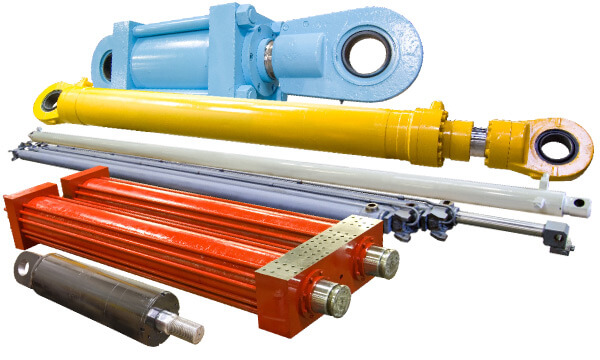
Can Lift Cylinders Be Used in Waste and Recycling Equipment?
Yes, lift cylinders are commonly used in waste and recycling equipment to facilitate various operations involved in waste management and recycling processes. These cylinders play a crucial role in lifting, compacting, and handling waste materials efficiently and effectively. Here’s a detailed explanation of how lift cylinders can be used in waste and recycling equipment:
- Lifting and Dumping:
- Compacting:
- Container Handling:
- Baling:
- Sorting and Separation:
- Feeding and Conveying:
Waste and recycling equipment often require the lifting and dumping of containers or bins to empty their contents into larger collection vehicles or processing systems. Lift cylinders are utilized in this process to provide the necessary lifting force and controlled movement. The cylinders are typically integrated into lifting mechanisms, such as automated arms or hydraulic lifts, which securely grip and elevate the containers. The lift cylinders ensure smooth and controlled lifting, allowing the containers to be safely emptied into the desired location.
In waste management, compacting waste materials is essential to optimize space utilization and reduce the frequency of waste collection. Lift cylinders are commonly employed in compactors, including stationary compactors, vertical compactors, and roll-off compactors. These cylinders apply force to compress the waste, reducing its volume and making it more manageable for storage or transportation. The lift cylinders enable the compactor’s compaction plate or ram to exert the necessary pressure, ensuring efficient waste compaction.
Waste and recycling equipment often involve the handling and movement of various containers, such as bins, dumpsters, or roll-off containers. Lift cylinders are used in container handling systems to lift, tilt, or slide these containers for emptying or transportation purposes. The cylinders provide the required lifting force and controlled motion, allowing operators to manipulate the containers with ease. Lift cylinders ensure secure and precise container handling, facilitating the efficient transfer of waste materials from one location to another.
Baling is a common process in recycling facilities where waste materials, such as cardboard, paper, plastics, or metal, are compacted into tightly bound bales for easier storage and transportation. Lift cylinders are integral components of balers, enabling the compression and shaping of the waste materials into bales. The cylinders exert force on the baler ram, which presses the waste materials together, forming tightly compressed bales. Lift cylinders ensure the necessary force and control for effective baling operations in recycling facilities.
In recycling processes, waste materials often need to be sorted and separated based on their type or composition. Lift cylinders can be utilized in sorting and separation equipment to manipulate or lift specific waste items or components. For example, lift cylinders can be employed in conveyor systems or picking stations to raise or tilt materials, facilitating manual or automated sorting. The cylinders enable precise and controlled movements, enhancing the efficiency and accuracy of waste material separation.
Waste and recycling equipment may involve feeding waste materials into processing systems or conveying them between different stages of the recycling process. Lift cylinders can be used to facilitate the feeding and conveying operations by controlling the movement of hoppers, chutes, or conveyor belts. The cylinders provide the necessary force and adjustability to regulate the material flow, ensuring a consistent and controlled feeding or conveying process.
Lift cylinders are versatile components that find wide application in waste and recycling equipment. Whether it’s for lifting and dumping containers, compacting waste, handling containers, baling materials, sorting and separation tasks, or facilitating feeding and conveying operations, lift cylinders contribute to the efficient and effective management of waste materials and recycling processes.
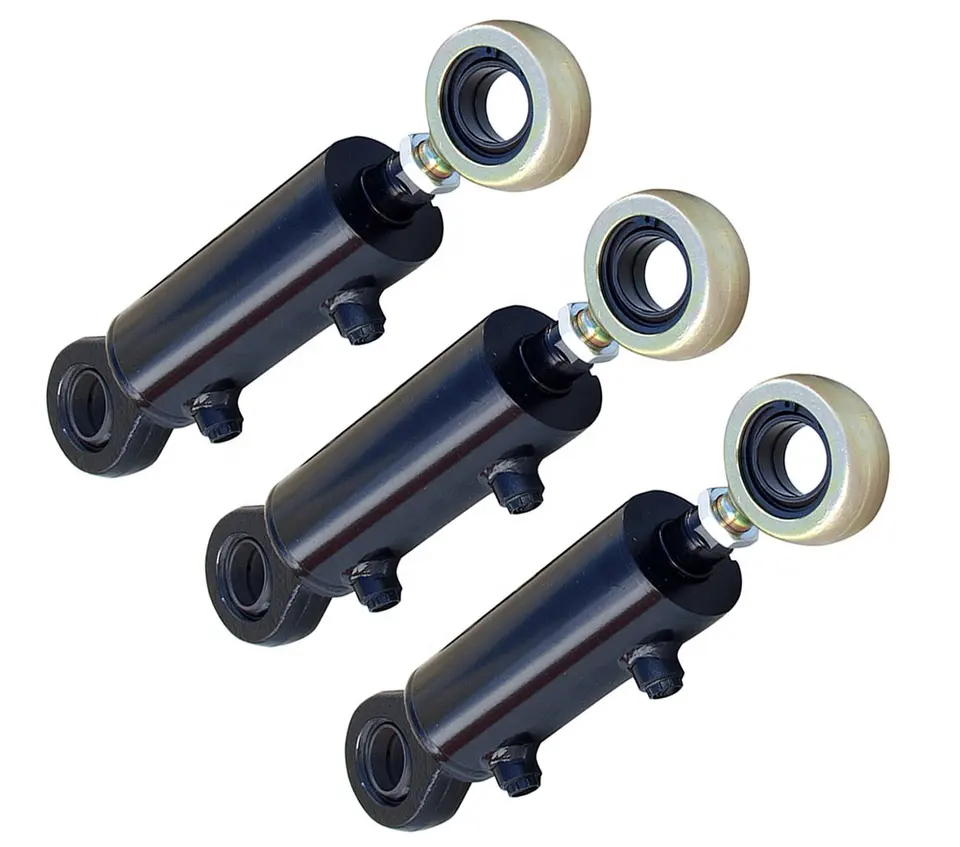
What is the importance of regular maintenance for lift cylinders?
Regular maintenance for lift cylinders is of utmost importance to ensure their optimal performance, longevity, and safe operation. Here’s an explanation of the importance of regular maintenance for lift cylinders:
1. Safety:
Regular maintenance helps identify and address potential safety issues with lift cylinders. Over time, wear and tear, leaks, or component failures can compromise the integrity and stability of the cylinder. Through regular inspections and maintenance, any safety concerns can be detected early and resolved, reducing the risk of accidents or equipment failures.
2. Performance:
Maintaining lift cylinders at regular intervals helps ensure their consistent performance. By inspecting and servicing the cylinder components, such as seals, rods, and pistons, any issues affecting the cylinder’s efficiency and functionality can be addressed. Properly maintained cylinders are more reliable, provide smoother operation, and deliver the required lifting power consistently.
3. Preventive Measures:
Regular maintenance allows for preventive measures to be taken to avoid major breakdowns or costly repairs. By following a maintenance schedule, potential problems can be identified early and resolved before they escalate. This includes tasks such as lubrication, seal replacement, cleaning, and adjusting hydraulic fluid levels, which can help extend the lifespan of the cylinder and minimize downtime.
4. Cost Savings:
Regular maintenance can lead to significant cost savings in the long run. By addressing minor issues promptly, it helps prevent major failures that require expensive repairs or cylinder replacements. Well-maintained cylinders also tend to have a longer service life, reducing the need for frequent replacements and associated costs.
5. Compliance with Manufacturer’s Recommendations:
Manufacturers often provide specific maintenance guidelines for lift cylinders. Adhering to these recommendations ensures that the cylinders are maintained according to the intended specifications. Regular maintenance helps uphold warranty requirements, maintain compliance with industry standards, and maximize the cylinder’s performance according to the manufacturer’s specifications.
6. System Efficiency:
Lift cylinders are often part of larger hydraulic systems. Regular maintenance of the cylinders helps maintain the overall efficiency of the system. Any issues or inefficiencies in the cylinders can affect the performance of the entire hydraulic system, leading to decreased productivity, increased energy consumption, and potential damage to other system components.
In summary, regular maintenance for lift cylinders is crucial for safety, performance, preventive measures, cost savings, compliance with manufacturer’s recommendations, and system efficiency. By investing in regular inspections, servicing, and adherence to maintenance schedules, lift cylinders can operate reliably, efficiently, and safely throughout their lifespan.


editor by CX 2024-01-09