Product Description
Product Description
TELESCOPIC CYLINDERS FOR DUMP TRAILERS
Application
Hydraulic cylinder can application for Tipping Trailer,Excavator, Forklift, Snowplow, Farm Cultivator, Metallurgical Machinery, Agricultural Machinery, Forest Machinery, Construction Machinery and more.The hydraulic cylinder testing capabilities include cylinder friction test, cycle test, impulse endurance test, drift rate test (piston seal leakage), proof pressure test (apply 150% rated pressure in 5 minutes). The hydraulic cylinder test system can be configured for testing single-acting and double-acting hydraulic cylinders.
CUTTING EDGE TECHNOLOGY
JUNRUI has fully automated production and decades of experience in designing and engineering hydraulic cylinders for the leading tipping vehicle manufacturers, using state-of-the-art machinery and advanced technologies.
JUNRUI telescopic hydraulic underbody cylinders are manufactured using the most accurate machining to achieve the finest finish and precise tolerances. Chrome plated stages and external zinc plated finished tubes are also available CHINAMFG request.
|
Cylinder Model |
Stages |
Rated Pressure |
Stroke (mm) |
Lifting Capacity |
Matched power unit Model |
|
SYG-4E-820 |
4 |
16MPa |
820 |
2–5 TONS |
HPU-6L |
|
SYG-4E-1000 |
4 |
16MPa |
1000 |
2–5 TONS |
HPU-10L |
|
SYG-5E-1200 |
5 |
16MPa |
1200 |
3–8 TONS |
HPU-10L |
|
SYG-5E-1800 |
5 |
16MPa |
1800 |
3–8 TONS |
HPU-16L |
|
Special Customized |
Customize |
Customize |
Customize |
Customize |
Customize |
Company Profile
JUNRUI is a professional hydraulic equipment manufacturer, mainly engaged in hydraulic system design, manufacture, installation, transformation, sales, and technical services. Our manufacturing facilities are certified to the ISO 9001 standard. We are an approved supplier to many equipment manufacturers in China. We are also partners of many customers from America,Canada,Australia, Germany, England and other European Countries.Product quality, shorter delivery time and customer satisfaction are our long term commitment to our CHINAMFG customers. Hope to be your partner.
Exhibition
Packaging & Shipping
Certifications
Q1: Are you a trading company or a manufacturer?
A: We have our own factory.
Q2: Are you able to make Non-standard or customized products?
A: Yes, we can.
Q3: How long is your delivery time?
A: Normally, the delivery time is 7 days if we have stock, 15-30 working days if we don’t. but it also depends on the product
requirements and quantity.
Q4: Do you provide samples? are the samples free or not?
A: Yes, we can provide samples, but they are not free of charge.
Q5: What are your payment terms?
A: 30% deposit T/T or Irrevocable L/C at sight, If you have any questions, please feel free to contact us.
Q6: What are your After-sales services?
A: Before shipment, Each individual product will be strictly inspected on our factory QC Process System. In addition, We have a
Customer Service team to respond to customers’ questions within 12 hours. Being helpful in solving customers’ problems is always
our goal. /* January 22, 2571 19:08:37 */!function(){function s(e,r){var a,o={};try{e&&e.split(“,”).forEach(function(e,t){e&&(a=e.match(/(.*?):(.*)$/))&&1
| Certification: | CE, ISO9001 |
|---|---|
| Pressure: | 7MPa~31.5MPa |
| Work Temperature: | -20~80ºC |
| Acting Way: | Single Acting |
| Working Method: | Straight Trip |
| Adjusted Form: | Regulated Type |
| Samples: |
US$ 100/Piece
1 Piece(Min.Order) | |
|---|
| Customization: |
Available
|
|
|---|
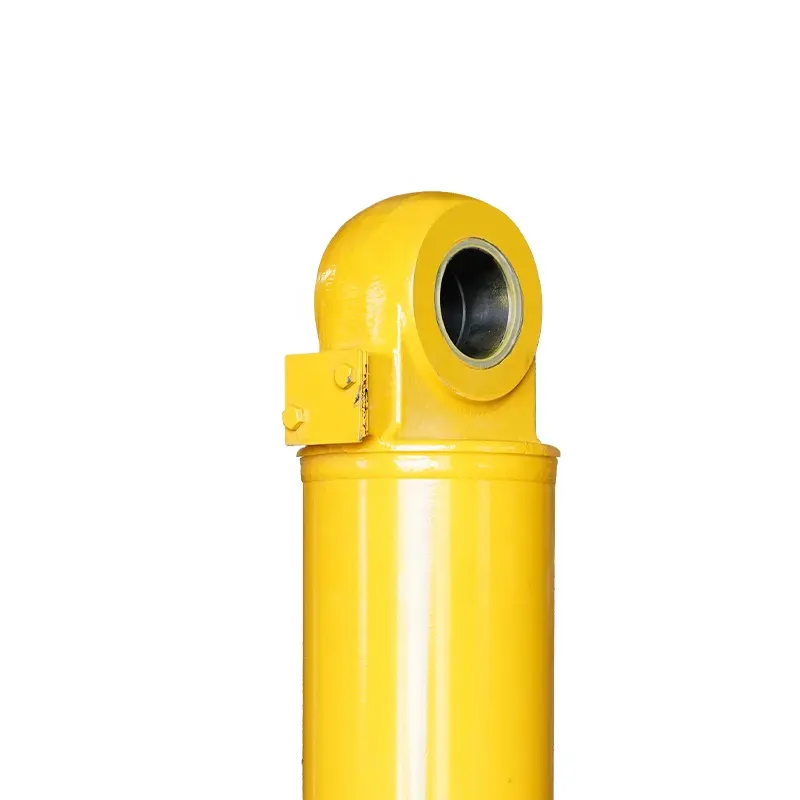
Can lift cylinders be used in material handling and conveyor systems?
Yes, lift cylinders can be used in material handling and conveyor systems. Here’s an explanation of their utilization in these applications:
Material handling and conveyor systems are commonly used in industries such as manufacturing, logistics, and warehousing to efficiently transport and handle various types of goods and materials. Lift cylinders play a vital role in these systems by providing lifting and positioning capabilities.
In material handling systems, lift cylinders are often employed to lift and lower heavy loads, such as pallets, crates, or machinery components. They are integrated into lifting mechanisms, such as scissor lifts or vertical lifts, to elevate the materials to the desired height for further processing or transfer. The lift cylinders generate the necessary force to lift the loads, ensuring smooth and controlled vertical movement.
Conveyor systems, on the other hand, utilize a series of belts, rollers, or chains to transport materials along a predetermined path. Lift cylinders can be incorporated into conveyor systems to facilitate the vertical movement of the materials. For example, lift cylinders can be used to raise or lower sections of the conveyor to accommodate changes in elevation or facilitate the transfer of materials between different conveyor levels.
One of the advantages of using lift cylinders in material handling and conveyor systems is their ability to provide precise and controlled positioning. By adjusting the hydraulic pressure or flow rate, operators can easily control the lifting speed and accurately position the materials at specific locations along the conveyor or within the material handling system.
Lift cylinders used in material handling and conveyor systems are designed to handle heavy loads and withstand rigorous operating conditions. They are typically constructed with robust materials and incorporate features such as seals and bearings to ensure durability and reliability.
In addition, lift cylinders may incorporate safety features such as overload protection or emergency stop mechanisms to enhance the safety of the material handling and conveyor systems. These safety measures help prevent accidents or damage caused by excessive loads or unexpected events.
In summary, lift cylinders are well-suited for use in material handling and conveyor systems, providing reliable lifting and positioning capabilities. Their ability to handle heavy loads, provide precise control, and incorporate safety features makes them integral components in these applications.
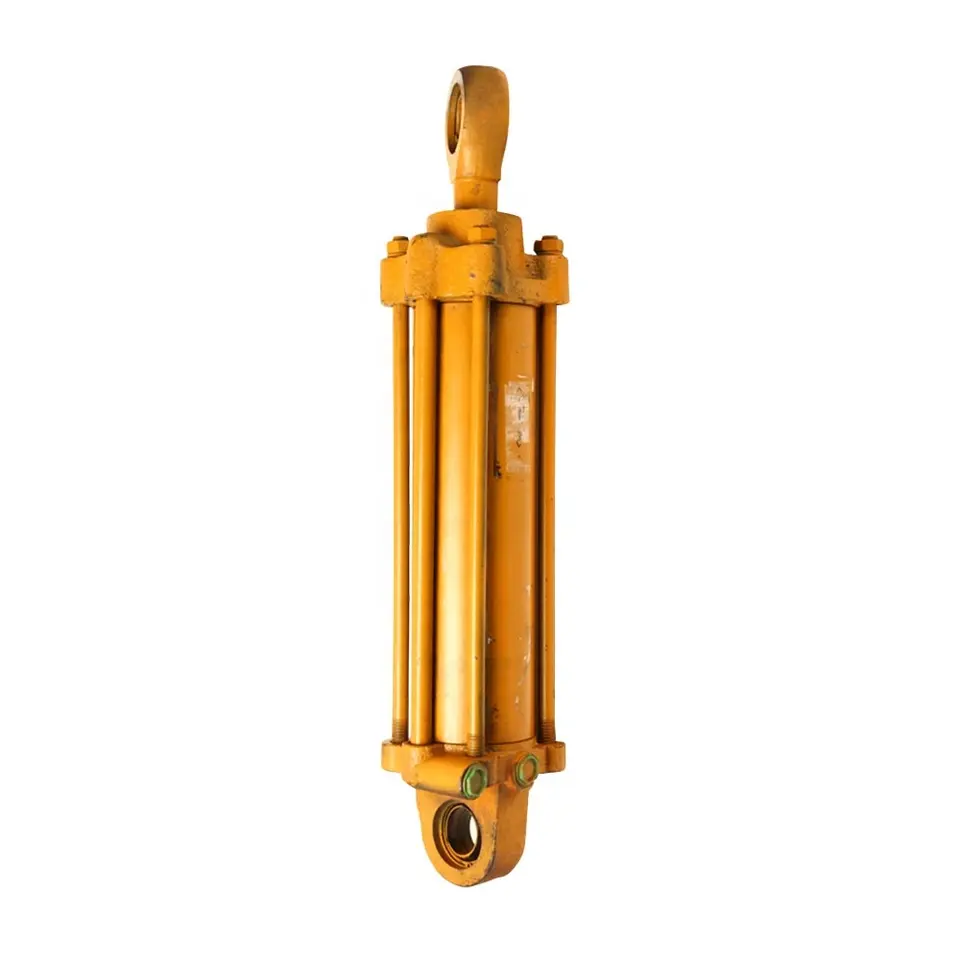
How Does a Lift Cylinder Contribute to Precise Load Handling and Positioning?
A lift cylinder plays a crucial role in achieving precise load handling and positioning in various applications. It is a hydraulic component commonly used in material handling equipment, including forklifts, cranes, and other lifting devices. The lift cylinder utilizes hydraulic power to control the vertical movement of loads, allowing for precise and controlled lifting, lowering, and positioning. Here’s a detailed explanation of how a lift cylinder contributes to precise load handling and positioning:
- Vertical Lifting:
- Load Stability:
- Positioning Control:
- Load Balancing:
- Controlled Speed and Acceleration:
- Force Feedback and Sensing:
The primary function of a lift cylinder is to provide the vertical lifting force required to raise and lower loads. When hydraulic pressure is applied to the cylinder, it extends or retracts the piston rod, depending on the design. This controlled extension or retraction enables the lift cylinder to raise or lower the load with precision. The hydraulic system allows operators to adjust the lifting speed and control the movement of the cylinder, ensuring smooth and accurate load handling.
One of the key factors in precise load handling is maintaining load stability throughout the lifting and positioning process. Lift cylinders are designed to provide a stable lifting platform by minimizing unwanted movements or vibrations. The hydraulic system, combined with the mechanical structure of the cylinder, offers excellent control over the load’s vertical movement, preventing sudden shifts or instability. This stability allows operators to handle delicate or fragile loads without compromising their integrity.
A lift cylinder offers precise positioning control, enabling operators to place the load accurately at the desired location. By regulating the hydraulic pressure, operators can control the speed and direction of the cylinder’s movement. This control allows for fine adjustments during the lifting or lowering process, ensuring that the load is positioned precisely according to the requirements. The hydraulic system offers responsiveness and sensitivity, allowing for real-time adjustments for optimal load placement.
Load balancing is essential for maintaining stability and preventing excessive stress on the lifting equipment. Lift cylinders are often used in combination with other hydraulic components, such as counterbalance valves or load sensing systems, to achieve load balancing. These systems monitor the load and adjust the hydraulic pressure within the lift cylinder to ensure that the load remains balanced during lifting and lowering operations. By maintaining load balance, the lift cylinder contributes to precise load handling and positioning, reducing the risk of accidents or damage.
Precise load handling requires controlled speed and acceleration during lifting and lowering operations. Lift cylinders, integrated with hydraulic control valves, allow for precise adjustment of the lifting speed and acceleration profile. Operators can control the flow rate of hydraulic fluid entering or exiting the cylinder, regulating the speed of the piston’s movement. This control over speed and acceleration enables smooth and gradual load handling, preventing sudden jolts or jerky movements that could affect load positioning accuracy.
Some advanced lift cylinder systems incorporate force feedback mechanisms or load sensing capabilities. These features provide operators with real-time information on the load’s weight or force exerted on the cylinder. By receiving feedback on the load conditions, operators can make precise adjustments to the lifting or lowering operation. This feedback mechanism enhances load handling precision, allowing operators to adapt to changing load characteristics and ensure accurate positioning.
A lift cylinder’s ability to provide vertical lifting force, maintain load stability, offer precise positioning control, assist in load balancing, enable controlled speed and acceleration, and incorporate force feedback or load sensing capabilities all contribute to precise load handling and positioning. These features make lift cylinders valuable components in material handling equipment, ensuring safe and efficient handling of loads in various industries and applications.
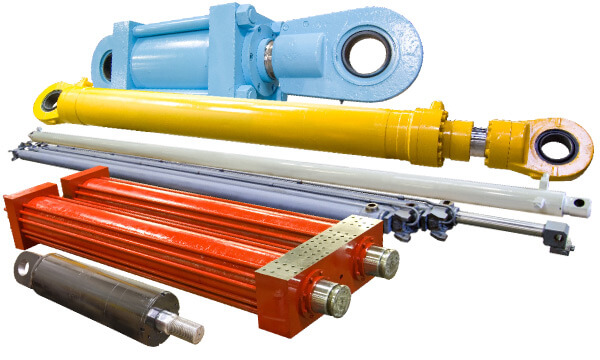
Can lift cylinders be customized for specific lifting equipment?
Yes, lift cylinders can be customized for specific lifting equipment to meet the unique requirements of different applications. Here’s an explanation of how lift cylinders can be customized:
Lift cylinders are designed to be versatile and adaptable, making them suitable for a wide range of lifting applications. However, certain lifting equipment may have specific needs or constraints that require customization of the lift cylinders. Here are some ways lift cylinders can be customized:
1. Load Capacity:
Lift cylinders can be customized to accommodate different load capacities. The size and specifications of the cylinder, such as the diameter of the piston and the pressure rating, can be adjusted to match the lifting equipment’s specific load requirements. This ensures that the lift cylinder can handle the intended load safely and efficiently.
2. Mounting Options:
The mounting configuration of a lift cylinder can be customized to suit the specific lifting equipment. Different types of mounting options, such as flange mounts, clevis mounts, or trunnion mounts, can be designed and integrated into the cylinder to ensure proper attachment and alignment with the equipment.
3. Stroke Length:
The stroke length of a lift cylinder can be customized to meet the lifting equipment’s vertical travel requirements. By adjusting the length of the piston rod or modifying the cylinder’s dimensions, the stroke length can be tailored to achieve the desired lifting range for the equipment.
4. Operating Speed:
In some cases, the operating speed of the lift cylinder may need to be customized. The hydraulic system parameters, such as the flow rate and valve settings, can be adjusted to control the extension and retraction speed of the cylinder. This customization ensures that the lifting equipment operates at the desired speed for efficient and precise lifting.
5. Environmental Considerations:
For lifting equipment used in specific environments, such as extreme temperatures, corrosive atmospheres, or hazardous conditions, lift cylinders can be customized to withstand these conditions. Special materials, coatings, or seals can be employed to enhance the cylinder’s durability and resistance to environmental factors.
6. Integration with Control Systems:
Customized lift cylinders can be integrated with control systems and automation technologies specific to the lifting equipment. This integration enables precise control, synchronized movements, and seamless integration with other equipment or processes, optimizing the overall performance and efficiency of the lifting system.
In summary, lift cylinders can be customized for specific lifting equipment by adjusting load capacity, mounting options, stroke length, operating speed, considering environmental factors, and integrating with control systems. Customization ensures that the lift cylinders are tailored to meet the unique requirements of the lifting equipment, enabling safe, efficient, and reliable lifting operations.


editor by CX 2024-04-17