Product Description
Product Description
Single acting hydraulic cylinder for dump truck
PK SINGLE-ACTING TELESCOPIC CYLINDERS
Work: Up by hydraulic control. Down by trailer body’s self weightInstall position: front-end of the truck
Application:
Dump Trucks and Trailers
Mining Vehicles
Material Handling Vehicles
Construction Vehicles
| Model | Extended Stages | Working Pressure | Max.Rod Diameter | Max.Stroke Length | Lifting Capacity | FC Price (USD) | Suitable Length of Truck Body |
| 129-3E-3880 | 3 | 16-19 MPa | 129mm | 3880mm | 20-35 ton | 1110 | 5.2m |
| 149-3E-3880 | 3 | 16-19 MPa | 149mm | 3880mm | 25-45 ton | 1293 | 5.2m |
| 149-3E-4280 | 3 | 16-19 MPa | 149mm | 4280mm | 25-45 ton | 1293 | 5.6m |
| 149-4E-3880 | 4 | 16-19 MPa | 149mm | 3880mm | 25-40 ton | 1293 | 5.2m |
| 149-4E-4280 | 4 | 16-19 MPa | 149mm | 4280mm | 25-40 ton | 1293 | 5.6m |
| 169-4E-4280 | 4 | 16-19 MPa | 169mm | 4280mm | 30-50 ton | 1400 | 5.2-5.6m |
| 169-4E-4640 | 4 | 16-19 MPa | 169mm | 4640mm | 32-55 ton | 1495 | 5.6-6.1m |
| 169-4E-5000 | 4 | 16-19 MPa | 169mm | 5000mm | 32-60 ton | 1585 | 6.2-6.8m |
| 169-4E-5180 | 4 | 16-19 MPa | 169mm | 5180mm | 32-60 ton | 1630 | 6.2-6.9m |
| 169-4E-5390 | 4 | 16-19 MPa | 169mm | 5390mm | 32-60 ton | 1675 | 6.2-6.9 |
| 169-4E-5460 | 4 | 16-19 MPa | 169mm | 5460mm | 32-60 ton | 1695 | 6.5-7.3 |
| 185-4E-4280 | 4 | 16-19 MPa | 185mm | 4280mm | 25-45 ton | 1295 | 5.6m |
| 185-4E-4640 | 4 | 16-19 MPa | 185mm | 4640mm | 30-45 ton | 1385 | 5.6-6.1m |
| 185-4E-5000 | 4 | 16-19 MPa | 185mm | 5000mm | 32-50 ton | 1475 | 6.2-6.5m |
| 185-4E-5390 | 4 | 16-19 MPa | 185mm | 5390mm | 40-60 ton | 1570 | 6.2-6.8m |
| 185-4E-5460 | 4 | 16-19 MPa | 185mm | 5460mm | 40-65 ton | 1461 | 6.5-7.3m |
| 185-4E-5780 | 4 | 16-19 MPa | 185mm | 5780mm | 45-70 ton | 1610 | 6.9-7.7m |
| 185-4E-6000 | 4 | 16-19 MPa | 185mm | 6000mm | 50-80 ton | 1755 | 7.3-8.2m |
| 191-5E-5780 | 5 | 16-19 MPa | 191mm | 5780mm | 40-70 ton | 2125 | 6.9-7.7m |
| 191-5E-6200 | 5 | 16-19 MPa | 191mm | 6200mm | 45-80 ton | 2270 | 7.3-8.2m |
| 191-5E-7130 | 5 | 16-19 MPa | 191mm | 7130mm | 50-85 ton | 2640 | 7.8-8.5m |
| 191-5E-9030 | 5 | 16-19 MPa | 191mm | 9030mm | 55-90 ton | 3380 | 10-11m |
| 220-5E-7130 | 5 | 16-19 MPa | 220mm | 7130mm | 65-100 ton | 3420 | 7.8-8.5m |
| 220-5E-9030 | 5 | 16-19 MPa | 220mm | 9030mm | 65-100 ton | 4435 | 10-11m |
NOTICE :
1. All cylinder tube material is 27SiMn seamless honed tube.
2. All mounting parts use the high strength forgings and welded on the cylinder rod or tube by the automatic welding machine. Regular and full weld.
3. All import material seal kit (voneseals, hallite or hercules). U-cap with V packing without seal adjustment needed.
4. All the cylinder tube (quenching and heat treatment), with more than 0.03mm hard chromeplating.
5. All tube doing the boring and rolling.
6. All the part produced by CNC MACHINING CENTER.
7. All the parts do the clean before assembly.
All the cylinder do the pressure test and keep pressure more than 5 Min. Test the welding part with developer.
Production process
Product Parameters
Company Profile
ZheJiang Dingsheng Industrial Trade Co., Ltd. is a professional enterprise that supply hydraulic cylinders, hydraulic systems, hydraulic power unit and hydraulic machinery and equipment, with complete product categories, reliable quality and reasonable price. Our factory covers an area of 66,600 square meters. It has a total of 100 sets of deep hole boring equipment, test equipment, various CNC machining machine, cylindrical grinding machines, centerless grinding machines, welding production lines. The factory passed IS O 9001quality system certification.
We take time with each of our customers to ensure that their needs are met from the purchase order to the production, inspection till the delivery, great care goes into each single item we manufacture and sell!
Besides, you deserve more from Dingsheng to know us better:
Verify audit report/Replied within 12 hours/Up to date catalogs/Inspection report/On-time Shipping.
From the vast offerings of innovative designing to our exceptional service, including the ability to customize programs & strict quality control, competitive pricing, these are just a few criteria that have allowed us to achieve the level of success we have today and to partner with some of exciting, innovative customers in today’s international marketplace.
At Dingsheng, your success is our success!
Packaging & Shipping
Customer feedback
Certifications
Our Exhibition
/* October 22, 2571 15:47:17 */(()=>{function d(e,r){var a,o={};try{e&&e.split(“,”).forEach(function(e,t){e&&(a=e.match(/(.*?):(.*)$/))&&1
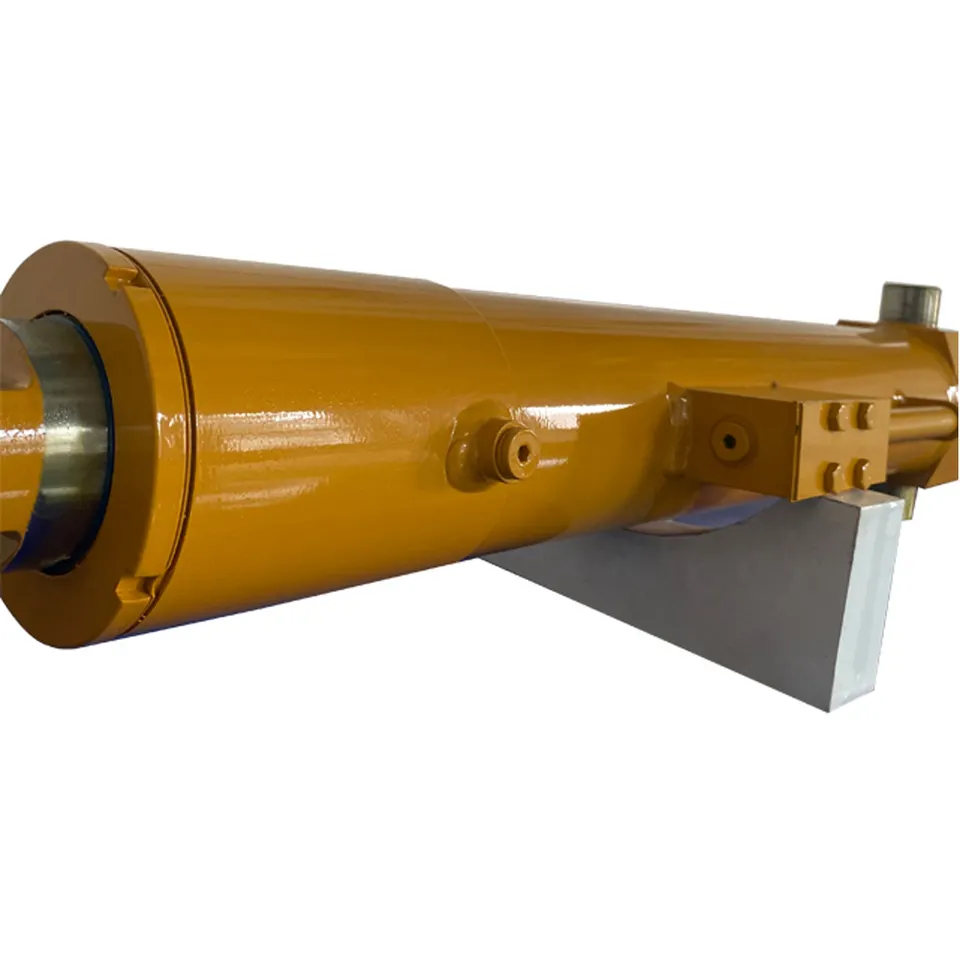
How does a lift cylinder contribute to efficient and reliable lifting?
A lift cylinder plays a crucial role in enabling efficient and reliable lifting operations. Here’s an explanation of how a lift cylinder contributes to efficient and reliable lifting:
1. High Lifting Capacity:
Lift cylinders are specifically designed to provide high lifting capacities. They can generate substantial force to lift heavy loads, making them well-suited for material handling tasks that involve large or bulky items. The high lifting capacity ensures that the cylinder can effectively handle the intended load, contributing to efficient lifting without the need for additional equipment or manual labor.
2. Precise Control:
Lift cylinders offer precise control over the lifting process. By regulating the flow and pressure of hydraulic fluid, operators can achieve accurate positioning and controlled movements. This level of control allows for efficient and precise placement of the load, reducing the risk of damage to the load or surrounding objects. The precise control also enables operators to optimize the lifting process, saving time and effort.
3. Smooth and Stable Operation:
Lift cylinders provide smooth and stable operation during lifting operations. The hydraulic system ensures that the lifting motion is steady and controlled, minimizing jerking or sudden movements. This smooth operation is important for the safe handling of delicate or fragile materials. It also enhances operator confidence and reduces the risk of accidents, contributing to reliable lifting performance.
4. Quick Response Time:
Lift cylinders offer quick response times, allowing for efficient and timely lifting operations. When activated, the hydraulic system quickly directs fluid into the cylinder, initiating the lifting motion. This rapid response time reduces downtime and enables operators to complete lifting tasks more efficiently.
5. Durability and Reliability:
Lift cylinders are built to withstand the demands of heavy-duty lifting operations. They are constructed with durable materials and designed to handle repetitive lifting tasks over extended periods. The robust construction and reliable performance of lift cylinders ensure that they can consistently deliver efficient lifting performance without frequent breakdowns or malfunctions.
6. Safety Features:
Lift cylinders often incorporate safety features to enhance reliability during lifting operations. These features can include load-holding valves, pressure relief valves, and fail-safe mechanisms. Load-holding valves prevent the load from dropping in the event of hydraulic pressure loss, ensuring the load remains securely lifted. Pressure relief valves protect the system from excessive pressure, preventing potential damage. Fail-safe mechanisms provide additional safety by engaging in the event of a system failure or power loss. The presence of these safety features contributes to reliable and safe lifting operations.
7. Integration with Control Systems:
Advanced lift cylinders can be integrated with control systems, such as electronic controls or programmable logic controllers (PLCs). This integration allows for automation and optimized control of the lifting process. By incorporating sensors, feedback mechanisms, and pre-programmed sequences, the lift cylinder can operate efficiently and reliably with minimal operator intervention.
In summary, a lift cylinder contributes to efficient and reliable lifting through its high lifting capacity, precise control, smooth and stable operation, quick response time, durability and reliability, incorporation of safety features, and integration with control systems. These features and capabilities ensure that the lifting process is efficient, accurate, and safe, thereby enhancing overall lifting performance.
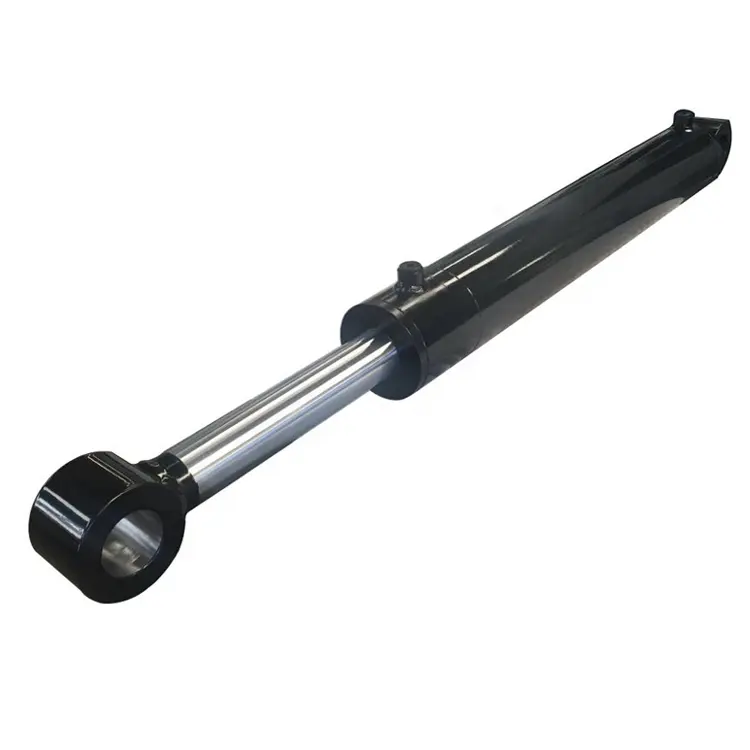
How does a lift cylinder handle variations in hydraulic seal technology?
A lift cylinder is designed to accommodate variations in hydraulic seal technology. Here’s an explanation of how lift cylinders handle these variations:
1. Seal Types:
Hydraulic seal technology offers various types of seals, including O-rings, lip seals, V-rings, and wipers. Lift cylinders are designed to incorporate different seal types based on the specific requirements of the application. The selection of seal types depends on factors such as pressure, temperature, fluid compatibility, and environmental conditions. Lift cylinders are manufactured with the necessary seal grooves and configurations to accommodate these variations in seal types.
2. Seal Materials:
Hydraulic seals are manufactured using different materials, such as rubber, polyurethane, PTFE (polytetrafluoroethylene), and various composite materials. Each material offers specific properties, including resistance to wear, temperature, chemicals, and extrusion. Lift cylinders are engineered to work with different seal materials, ensuring compatibility and optimal performance. The cylinder design takes into account the specific characteristics and requirements of the seal materials used.
3. Seal Profiles and Dimensions:
Hydraulic seals come in various profiles and dimensions to suit different applications and equipment. Lift cylinders are designed with corresponding seal grooves and dimensions to accommodate the specific seal profiles. The seal profiles may include standard shapes such as U-cups, piston seals, rod seals, and specialized profiles for specific sealing requirements. Lift cylinders are manufactured with precise tolerances to ensure proper installation and sealing effectiveness.
4. Sealing Performance and Efficiency:
Lift cylinders are engineered to provide optimal sealing performance and efficiency. They are designed to minimize leakage and maintain the required hydraulic pressure during operation. The cylinder components, including the piston, rod, and cylinder housing, are precisely machined to ensure a tight fit and prevent bypass of hydraulic fluid. Lift cylinders undergo rigorous testing and quality control measures to verify their sealing performance and efficiency under various operating conditions.
5. Seal Maintenance and Replacement:
Lift cylinders are designed to facilitate seal maintenance and replacement. Over time, hydraulic seals may wear out or degrade due to factors such as usage, environmental conditions, or fluid contamination. Lift cylinders are constructed to allow for easy access to the seals, making maintenance and replacement procedures efficient. This design consideration reduces downtime and ensures the longevity of the lift cylinder’s sealing system.
In summary, lift cylinders are engineered to handle variations in hydraulic seal technology by accommodating different seal types, materials, profiles, and dimensions. Their design ensures optimal sealing performance, efficiency, and ease of maintenance. By incorporating the appropriate seal technology, lift cylinders maintain the integrity of the hydraulic system, prevent leaks, and ensure reliable and efficient operation.
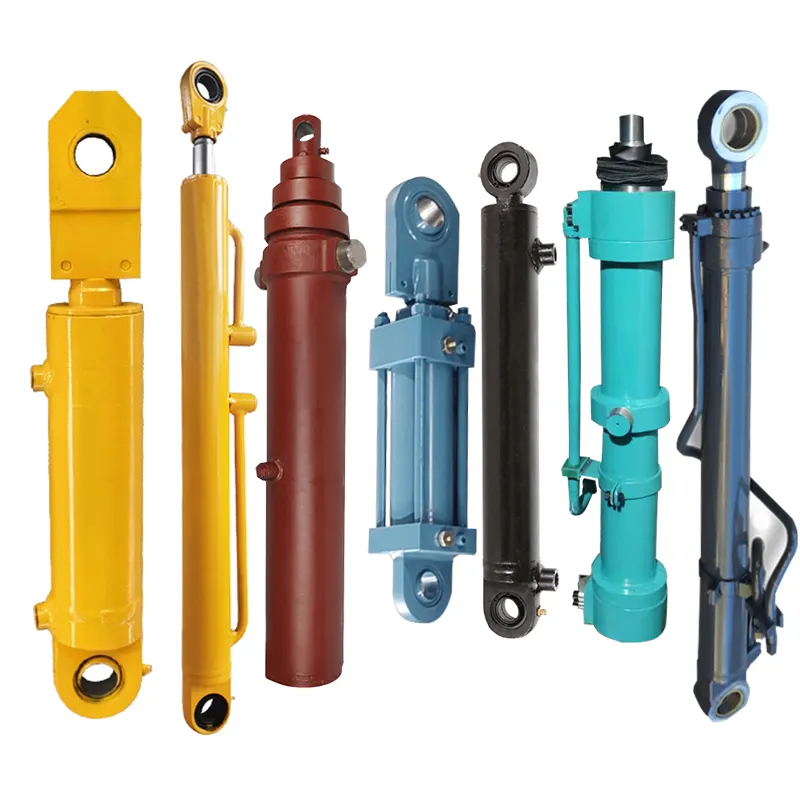
Can lift cylinders be repaired or replaced when damaged?
Yes, lift cylinders can be repaired or replaced when they are damaged. Here’s an explanation of the options for repairing or replacing lift cylinders:
1. Repair:
If a lift cylinder sustains damage, it is often possible to repair it. The extent of the damage and the specific components affected will determine the repair process. Common repairs may involve replacing seals, gaskets, or damaged hydraulic lines. In some cases, the cylinder may need to be disassembled, cleaned, and reassembled with new parts.
Repairing a lift cylinder typically requires expertise in hydraulic systems and cylinder repair. It is recommended to consult qualified professionals or authorized service centers to ensure proper diagnosis and repair procedures.
2. Replacement of Components:
If specific components within the lift cylinder are damaged or worn out, it may be possible to replace those components individually. This can include replacing the piston, rod, seals, or other internal parts. By replacing only the affected components, the cylinder can be restored to proper working condition without replacing the entire unit.
Replacement of components should be done with compatible parts that meet the manufacturer’s specifications. It may be necessary to consult the manufacturer’s documentation or seek guidance from authorized distributors or service centers to ensure proper component selection and installation.
3. Replacement of the Entire Cylinder:
In cases where the lift cylinder is severely damaged or if repairing or replacing individual components is not practical or cost-effective, it may be necessary to replace the entire cylinder. This involves removing the damaged cylinder and installing a new one that matches the specifications and requirements of the lifting equipment.
When replacing the entire cylinder, it is important to ensure compatibility with the equipment, including load capacity, mounting options, stroke length, and other specifications. The new cylinder should be selected based on the equipment’s requirements and the recommendations of the manufacturer or qualified experts.
4. Professional Assistance:
Repairing or replacing lift cylinders can be complex, especially when dealing with hydraulic systems and precise components. It is recommended to seek professional assistance from qualified technicians or authorized service centers. They have the knowledge, experience, and tools to properly diagnose, repair, or replace lift cylinders, ensuring the safety and optimal performance of the lifting equipment.
In summary, lift cylinders can be repaired or replaced when damaged. Repair options may involve replacing seals or damaged components, while component replacement allows for targeted repairs. In severe cases or when individual repairs are not feasible, the entire cylinder may need to be replaced. Professional assistance is recommended to ensure proper diagnosis, repair procedures, or component selection for the repair or replacement of lift cylinders.


editor by Dream 2024-11-28