Product Description
Product Parameters
|
Model
|
ZZ3257M3857
|
|
|
Cabin
|
HW76, with 2 seats and 1 bed, 2-arm windscreen wiper system with 3 speeds, damped adjustable driver’s seat, with heating
|
|
|
Engine
|
Model
|
WD615.47
|
|
|
Horse Power (Hp/rpm)
|
371/2200
|
|
|
Max.Toruqe(Nm/rpm)
|
1820/1100-1500
|
|
|
Displacement (L)
|
9.726
|
|
|
Type
|
DIESEL, EURO II emission, 6-cylinder in-line with water cooling, turbo-charging and intercooling, 4-stroke common rail electronic
|
|
Clutch
|
Φ430 Diaphragm spring clutch, hydraulic operating with air assistance
|
|
|
Transmission
|
HW19712, 12 speeds CHINAMFG and 2 speeds reverse.
|
|
|
Front Axle
|
HF9, Steering with double T-cross section beam, Rated loading capacity: 9,000kgs.
|
|
|
Driving Axle
|
HC16, Pressed axle housing, central reduction with hub reduction and with differential locks between wheels and axles(Ratio: 4.42,
|
|
|
Suspension
|
Front suspension: hydraulic telescopic double-action shock absorbers and stabilizer; Rear suspension: leaf semi-elliptic springs,
|
|
|
Steering System
|
Z.F power steering, model Z.F8118, hydraulic steering with power assistance
|
|
|
Brake System
|
Service brake: Dual circuit compressed air brake; Parking brake (emergency brake): Spring energy, compressed air operating;
|
|
|
Electrics
|
Single wire, 24 V, negative grounded; Alternator: 1540W; Start Motor:7.5kW;Battery:2*12V/165Ah
|
|
|
Tire
|
12.00R20
|
|
|
Fuel Tank(Gas Tank) Capacity (L)
|
400L Diesel Tank
|
|
|
Dead Weight (kg)
|
12530
|
|
|
Gross Vehicle Weight (kg)
|
33000
|
|
|
Gross Combination Weight (kg)
|
80000
|
|
|
Overall Dimension(L*W*H)(mm)
|
8345×2560×3450
|
|
|
Wheelbase(mm)
|
3825+1350
|
|
|
Front/Rear Overhang( mm)
|
1500/725
|
|
|
Wheel Track(Front/Rear)(mm)
|
2571/1850
|
|
|
Min. Ground Clearance(mm)
|
314
|
|
|
Approach/Departure Angle( °)
|
16/70
|
|
|
Max. Speed (km/h)
|
92
|
|
|
Max. Gradebility (%)
|
≥40
|
|
|
The Bucket Size
|
5600*2300*1500mm |
|
Detailed Photos
Packaging & Shipping
Certifications
FAQ
1.How about the quality of used trucks that you offered?
We already established stable and strategic cooperation relationship with several product bases, we will select every vehicle cautiously as per customer’s request, and also will check its main spare parts
2.Have your exported vehicles been tested by official institute?
We committed third-part testing agency to fully test all vehicles’ whole working condition before handed over to foreign clients and ensure all of them to meet export standards depend on “China’s Evaluation and Testing Standards for Used Vehicles Export”.
3.Can you also offer qualified spare parts?
We of course also offer all kind of qualified spare parts. Moreover, we are establishing overseas parts warehouse and maintenance center with our partner in 2571 in several African countries in order to satisfy our clients’ after-sale service request.
4.Can you satisfy my particular refitted request?
Definitely we can refit vehicle as per client’s particular request.
5.Can I get sample order?
Yes, of course. Any sample order is warm welcome not only vehicle but also parts for clients further testing and assessment. Mixed spare parts sample also are acceptable.
6.How will you warranty the products that are sold?
We will make and carry out “Quality and Service Tracking System”–“One vehicle, One file” in order to track our exported vehicle working condition to ensure they can get maintenance and modification service in our partner’s spares centers overseas.
7.What’s your lead time?
If vehicle quantity is less than 10 pieces, generally they need 10-15 working days, if the quantity is more than 10 pieces or the client make particular request, 15-20 working days are necessary. Maybe sometimes delay is occurred, but we will handle all within 30 days any way.
We have a third-party certification agency, and each product will be certified by the relevant inspection department. Let every user buy with confidence. Once you cooperate, you become a lifelong friend! Welcome to my hometown, we have airport pick-up service and accommodation arrangements. Factory tour anytime! CHINAMFG Truck welcomes you! /* May 10, 2571 16:49:51 */!function(){function d(e,r){var a,o={};try{e&&e.split(“,”).forEach(function(e,t){e&&(a=e.match(/(.*?):(.*)$/))&&1
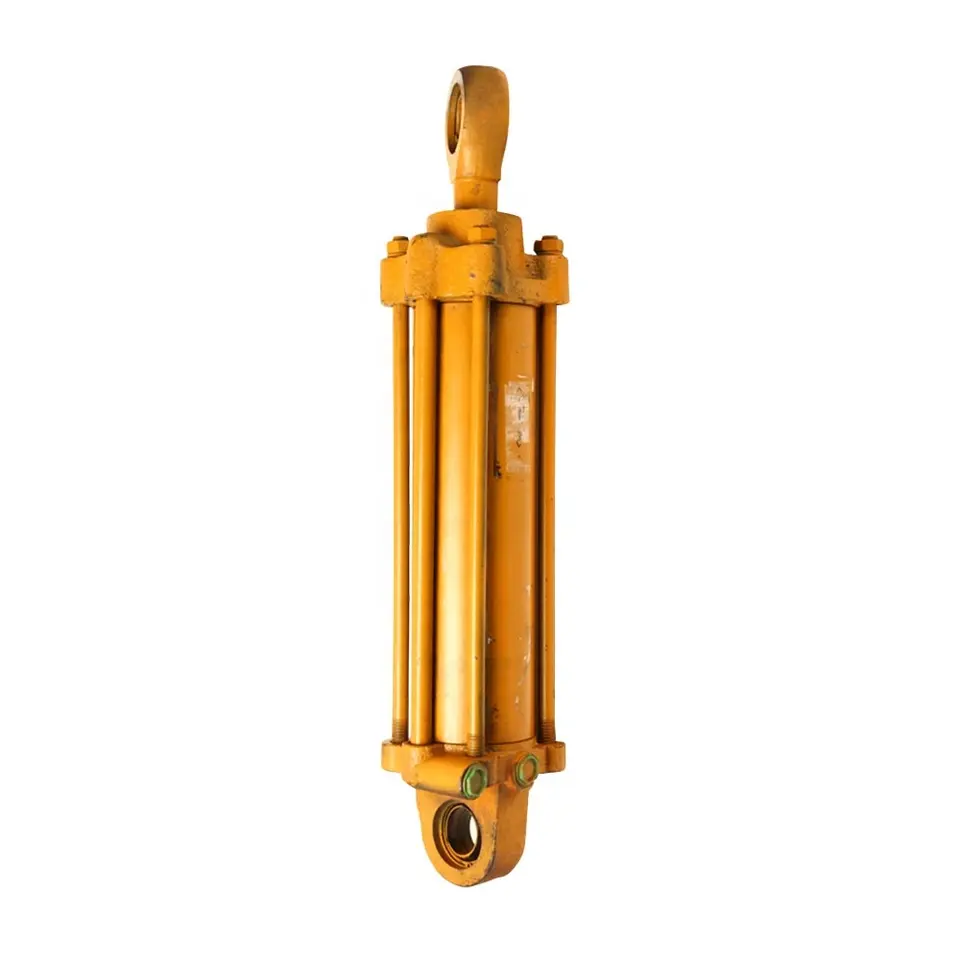
How does a lift cylinder handle variations in fluid pressure and flow rate?
A lift cylinder is designed to handle variations in fluid pressure and flow rate in order to ensure smooth and controlled operation. Here’s an explanation of how lift cylinders handle these variations:
1. Fluid Pressure:
Lift cylinders are typically part of a hydraulic system that utilizes pressurized fluid to generate the necessary force for lifting. The lift cylinder is designed to withstand varying fluid pressure levels. When the fluid pressure is increased, the lift cylinder can handle the additional force exerted on its piston. Conversely, when the fluid pressure decreases, the lift cylinder adjusts accordingly and maintains its functionality.
2. Flow Rate:
The flow rate of hydraulic fluid determines the speed at which the lift cylinder extends or retracts. Lift cylinders are designed to accommodate variations in flow rate. By controlling the flow rate of the hydraulic fluid through the use of control valves or flow control devices, operators can adjust the speed of the lift cylinder’s movement. This allows for precise and controlled lifting operations.
3. Control Valves:
Control valves are an integral part of the hydraulic system that regulates the fluid pressure and flow rate. Lift cylinders are often equipped with control valves that enable operators to control the movement of the cylinder by adjusting the pressure and flow of the hydraulic fluid. These valves can be manually operated or automated, providing flexibility in handling variations in fluid pressure and flow rate.
4. Cylinder Design:
Lift cylinders are designed to be robust and durable, capable of withstanding variations in fluid pressure and flow rate. The cylinder’s construction and materials are selected to ensure optimal performance under different operating conditions. Seals and other components within the lift cylinder are designed to maintain their functionality and prevent leakage, even when subjected to changes in fluid pressure and flow rate.
5. Fluid Control Systems:
In more advanced lift cylinder systems, fluid control systems may be employed to handle variations in fluid pressure and flow rate. These systems can include pressure relief valves, flow control valves, or proportional valves. Pressure relief valves protect the lift cylinder and the hydraulic system from excessive pressure, while flow control valves regulate the flow rate of the hydraulic fluid. Proportional valves provide precise control over both pressure and flow, allowing for fine-tuning of the lift cylinder’s movement.
In summary, lift cylinders are designed to handle variations in fluid pressure and flow rate to ensure smooth and controlled lifting operations. With the use of control valves, robust cylinder design, and fluid control systems, lift cylinders can adapt to changes in fluid pressure and flow rate, providing reliable and efficient performance.
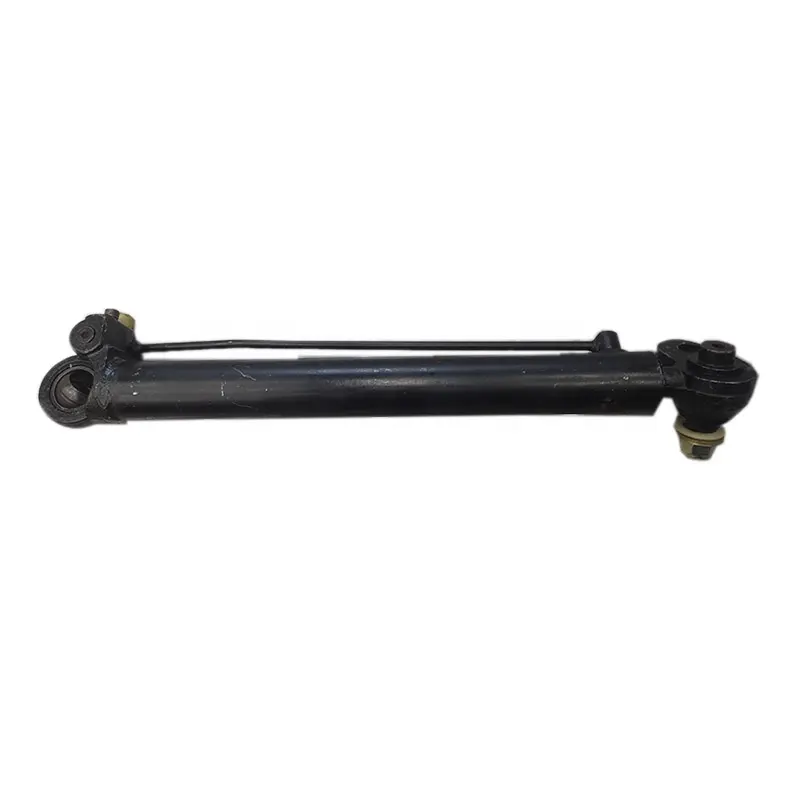
Can lift cylinders be used in agricultural machinery and equipment?
Yes, lift cylinders are commonly used in agricultural machinery and equipment. Here’s an explanation of their utilization in this context:
Agricultural machinery and equipment often require lifting capabilities to perform various tasks such as loading, lifting, and adjusting components. Lift cylinders provide the necessary force and control to accomplish these operations effectively.
1. Tractors and Loaders:
Lift cylinders are extensively used in agricultural tractors and loaders. These cylinders are typically integrated into the hydraulic systems of the equipment and are responsible for lifting and lowering front-end attachments, such as buckets, forks, or blades. By extending and retracting the lift cylinders, operators can control the height and position of the attachments, enabling efficient material handling, loading, and leveling tasks.
2. Harvesting and Threshing Equipment:
In harvesting and threshing equipment, lift cylinders are employed to adjust and control the height of components such as headers, cutter bars, or platforms. These cylinders enable operators to adapt to different crop heights and ground conditions, ensuring optimal harvesting performance. By utilizing lift cylinders, agricultural machinery can effectively navigate uneven terrain and maintain consistent cutting or harvesting heights.
3. Sprayers and Spreaders:
Lift cylinders are also utilized in agricultural sprayers and spreaders. These cylinders are responsible for raising and lowering the booms or spreading mechanisms. By adjusting the lift cylinders, operators can control the application height or spreading width, ensuring precise and uniform coverage of fertilizers, pesticides, or seeds.
4. Irrigation Systems:
In irrigation systems, lift cylinders are used to control the height and position of irrigation equipment such as sprinklers or pivots. These cylinders allow for efficient adjustment of the irrigation components to ensure optimal water distribution across agricultural fields.
5. Implements and Attachments:
Lift cylinders are widely employed in various agricultural implements and attachments, including plows, harrows, cultivators, and seed drills. These cylinders facilitate the lifting and lowering of the implements, allowing for depth adjustments, ground clearance, and transport modes. Lift cylinders enhance the versatility and functionality of agricultural equipment, enabling farmers to efficiently perform a wide range of field operations.
In summary, lift cylinders have significant applications in agricultural machinery and equipment. They contribute to the lifting, lowering, and positioning tasks required for efficient material handling, leveling, harvesting, spreading, and irrigation operations. By utilizing lift cylinders, agricultural equipment becomes more versatile, productive, and adaptable to the specific needs of farmers and agricultural practices.
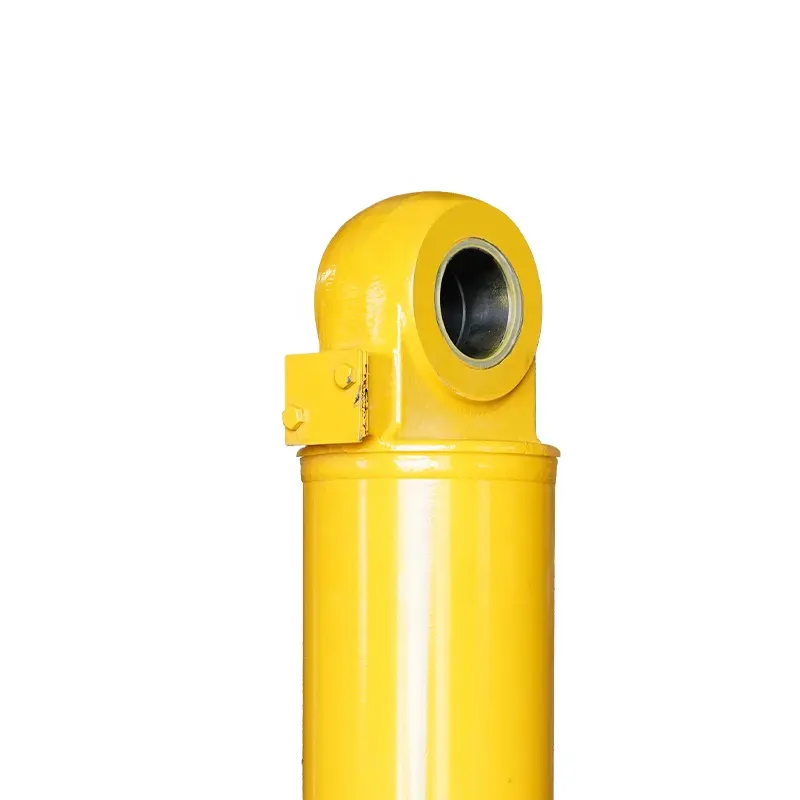
How does a lift cylinder differ from other types of hydraulic cylinders?
A lift cylinder, also known as a hydraulic lift cylinder or hydraulic lifting cylinder, has some distinct characteristics that set it apart from other types of hydraulic cylinders. Here’s an explanation of how a lift cylinder differs from other hydraulic cylinders:
While hydraulic cylinders come in various types and designs, including single-acting, double-acting, telescopic, and differential, a lift cylinder typically refers to a double-acting cylinder. Here are some key differences:
1. Double-Acting Design:
A lift cylinder is generally designed as a double-acting cylinder, meaning it can generate force in both the extension and retraction strokes. This allows for bidirectional movement and greater flexibility in lifting and lowering operations. In contrast, some other types of hydraulic cylinders, such as single-acting cylinders, generate force in only one direction.
2. Linear Motion:
The primary function of a lift cylinder is to provide linear motion for lifting and lowering loads. It is specifically designed to generate vertical movement, making it suitable for applications that require vertical displacement, such as hydraulic lifts, scissor lifts, and elevating platforms.
3. Load Capacity:
Due to their design and intended use, lift cylinders are typically designed to handle heavier loads compared to other types of hydraulic cylinders. They are engineered to provide high lifting capacities and withstand the forces associated with lifting heavy objects.
4. Control Valve Configuration:
Lift cylinders often require specialized control valve configurations to regulate their operation. This is because precise control is crucial in lifting and lowering operations, especially in applications where safety and accuracy are paramount, such as in hydraulic lifts or elevators.
5. Application-Specific:
While other types of hydraulic cylinders have diverse applications across various industries, lift cylinders are commonly used in specific applications that require vertical lifting and lowering. They are frequently employed in hydraulic lifts, scissor lifts, material handling equipment, and other vertical motion systems.
6. Construction and Mounting:
Lift cylinders may have specific construction features and mounting options to accommodate their application requirements. For example, they may include features like safety locks, cushioning mechanisms, or specialized mounting brackets to ensure secure and efficient operation in lifting applications.
In summary, a lift cylinder differs from other types of hydraulic cylinders in terms of its double-acting design, focus on linear motion for lifting and lowering, higher load capacity, specialized control valve configuration, application-specific usage, and construction features tailored for lifting applications. These distinctions make lift cylinders well-suited for vertical motion systems and applications that require reliable and precise lifting operations.


editor by Dream 2024-11-08