
TECHNICAL GUIDE · COLD WEATHER & ARCTIC · HYDRAULIC LIFT CYLINDERS
Lift Cylinders in
Cold Weather Operations
Arctic · Sub-Zero · −40°C
A hydraulic lift cylinder that performs perfectly at operating temperature can fail within minutes of cold-start at −30°C if its seals, rod coating, and hydraulic fluid are not specified for low-temperature operation. Standard NBR seals become brittle and crack under dynamic loading at −25°C. Standard mineral oil at −30°C is so viscous it can barely be pumped — and when it finally flows, the pressure differential across the cold viscous oil film damages seal lips designed for warmer conditions. This guide covers every element of cold-weather and arctic lift cylinder specification: seal materials, rod coatings, hydraulic fluid grades, cold-start procedures, and the heating systems that prevent the most damaging cold-start conditions.
Arctic Fluid
Cold-Start Protocol
LIFT CYLINDERS · COLD WEATHER ENGINEERING · JULY 2026
REFERENCE · COLD-WEATHER LIFT CYLINDER CRITICAL TEMPERATURES
NBR SEAL LIMIT
−25°C
Standard NBR rod seals begin to crack under dynamic loading below −25°C — do not use in arctic-duty lift cylinders
ARCTIC PU LIMIT
−50°C
Low-temperature polyurethane seals rated to −50°C — correct specification for Scandinavian and Canadian boreal forestry
OIL POUR POINT
≤ −45°C
Arctic-grade hydraulic fluid pour point must be at least 15°C below the minimum expected ambient temperature
WARM-UP MINIMUM
15 min
Minimum warm-up at idle before full-speed lift cylinder operation below −20°C — prevents cold-viscosity seal damage
SECTION 01
How Cold Temperature Affects Lift Cylinder Performance
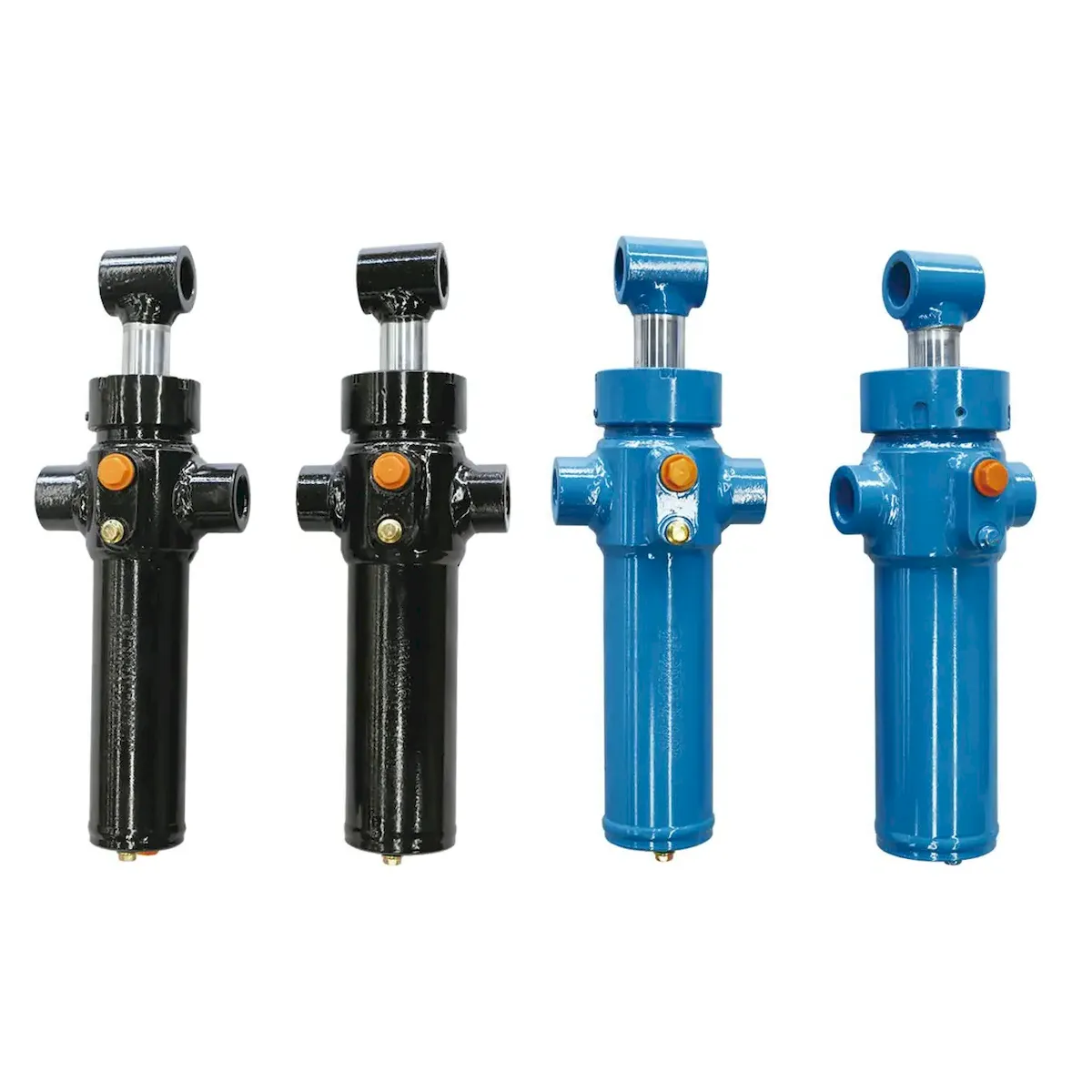
Temperature affects three distinct systems within a hydraulic lift cylinder, each in a different way and on a different timescale:
SEAL
ELASTOMERS
Elastomeric seal materials stiffen as temperature drops. The glass transition temperature (Tg) — the point at which an elastomer changes from flexible rubber to rigid glass-like material — is the critical threshold: below Tg, the seal cannot deform to maintain contact with the rod or bore surface. Standard NBR has a Tg of approximately −20°C to −28°C depending on formulation. Below this range, an NBR rod seal on a lift cylinder will crack on the first extension stroke of the day, producing immediate gland leakage and loss of system pressure. The crack is typically a circumferential fracture of the seal lip.
HYDRAULIC
FLUID
Mineral hydraulic oil viscosity increases dramatically at low temperature. ISO VG 46 mineral oil at 40°C has a viscosity of 46 cSt — its design point. At 0°C the same oil is approximately 400 cSt; at −20°C it may be 2 000–5 000 cSt depending on pour point depressant additives. At these viscosities, the oil film between the rod and seal is so thick that the pressure differential required to push it through the gland clearance can exceed the seal’s rated lip force, folding the seal lip inward on retraction. A high-viscosity-index (HV) grade with a low pour point is the minimum requirement; synthetic ester arctic-grade oil is the correct choice for sustained operation below −25°C.
ROD
COATING
Hard chrome rod coating on a lift cylinder is vulnerable to freeze-thaw cycling. Chrome has a lower coefficient of thermal expansion than the underlying steel — repeated rapid temperature cycling creates differential expansion stresses at the chrome-steel interface. Over many cycles, micro-cracks develop in the chrome layer that grow into full delamination — a process called “chrome flaking” that exposes bare steel and destroys the rod seal within days. Freeze-thaw cycling between −30°C and +20°C (common in autumn and spring in boreal and subarctic climates) is the most damaging condition for chrome-plated lift cylinder rods.
SECTION 02
Seal Material Selection for Sub-Zero Operation
The choice of seal material for a cold-climate lift cylinder is the single most important specification decision. Each elastomer has a minimum dynamic temperature rating below which it will crack or harden to the point of losing sealing function:
| MATERIAL | MIN DYNAMIC TEMP | MAX TEMP | COLD CLIMATE USE CASE |
|---|---|---|---|
| NBR (standard) | −25°C | +100°C | Not suitable below −20°C dynamic operation. Acceptable for temperate winter (above −15°C). |
| Standard PU (polyurethane) | −35°C | +90°C | Suitable for most northern European and Canadian winter conditions. Verify formulation — PU grades vary widely in low-temp performance. |
| Arctic PU (low-temp plasticiser) | −50°C | +80°C | Arctic forestry, oil & gas surface equipment, sub-Arctic mining. Must-specify for operations below −35°C. |
| EPDM | −55°C | +120°C | Best cold-weather lift cylinder seal material for mineral oil systems. Also required for biodegradable HEES ester fluid systems in forestry. |
| FKM (Viton) | −20°C | +200°C | Not recommended for cold climates — Viton’s excellent heat resistance comes at the cost of poor low-temperature flexibility. |
Cold-climate lift cylinders with Arctic PU or EPDM seal kits are available as a standard option from the lift cylinder product range. Specify the minimum operating ambient temperature at the time of enquiry — the seal kit and wiper specification will be selected accordingly. Do not assume a standard seal kit is suitable: confirm the minimum temperature rating with the manufacturer before committing to any lift cylinder specification for cold-climate deployment.
SECTION 03
Rod Coating Selection in Freeze-Thaw Environments
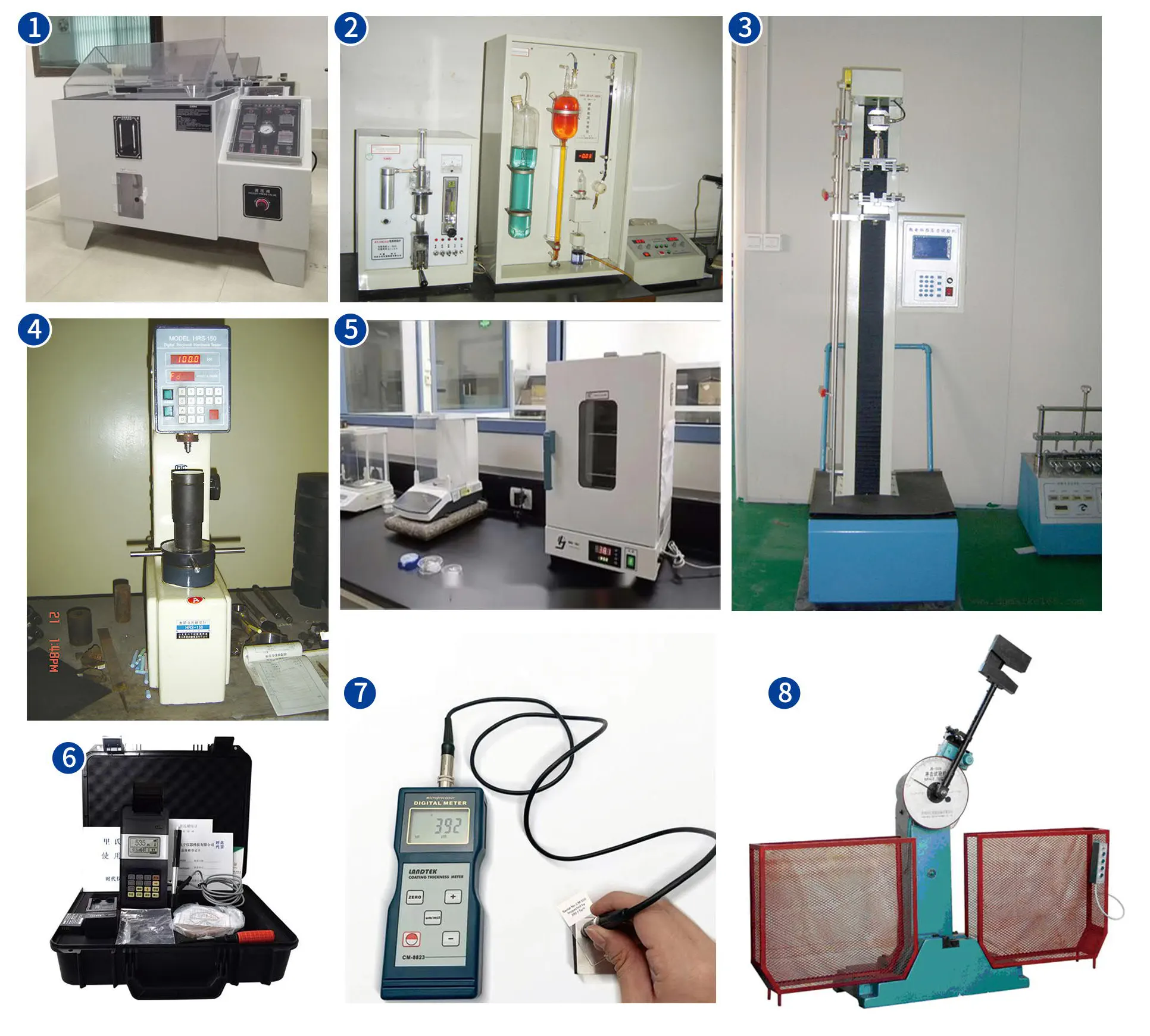
The freeze-thaw cycle — the daily or weekly alternation between sub-zero night temperatures and above-freezing daytime temperatures in northern climates — is the specific thermal condition that causes chrome delamination on lift cylinder rods. The choice between hard chrome and HVOF coating depends on how frequently and severely the rod experiences these cycles:
HARD CHROME — LIMITATIONS
The thermal expansion coefficient of chrome (6.2 × 10⁻⁶ /°C) is significantly lower than mild steel (11.7 × 10⁻⁶ /°C). A 50°C temperature swing causes the steel rod to expand 1.9× more than the chrome layer — an inward tensile stress at the chrome-steel interface that grows with each cycle. Electroplated chrome, which has a columnar microstructure with pre-existing micro-cracks, is particularly vulnerable. After 50–200 freeze-thaw cycles between −30°C and +20°C, chrome delamination is commonly observed on lift cylinder rods in boreal forestry and subarctic mining applications.
HVOF TUNGSTEN CARBIDE — ADVANTAGES
HVOF (High Velocity Oxygen Fuel) thermal spray tungsten carbide coating is applied as lamellar splats rather than electrodeposited columns — the coating has a compressive residual stress rather than chrome’s tensile residual stress. Compressive stress resists delamination under thermal cycling. HVOF WC-CoCr coatings have been tested to 1 000+ freeze-thaw cycles between −40°C and +60°C without delamination. For lift cylinders in freeze-thaw environments, HVOF is the standard specification in northern Scandinavia, arctic Canada, and Siberian oil and gas surface equipment.
SECTION 04
Arctic Hydraulic Fluid Specification
The hydraulic fluid in a cold-climate system must remain pumpable at the lowest ambient temperature that will be encountered at start-up, while retaining adequate film strength at the highest operating temperature that will be reached during continuous work. These two requirements constrain the fluid grade to a narrow band — too light for cold start, too thin at operating temperature:
HYDRAULIC FLUID SELECTION BY MINIMUM AMBIENT TEMPERATURE
ABOVE −10°C
ISO VG 46 mineral
Standard temperate-climate grade. Pour point typically −27°C. Adequate for occasional mild frost but not designed for sustained cold.
−10°C TO −25°C
ISO VG 32 or 46 HV
High-viscosity-index mineral grade with pour point depressant. Suitable for Scandinavian and Canadian prairie winter operations at moderate cold.
−25°C TO −40°C
ISO VG 32 HV or synthetic
ISO VG 32 HV or PAO-based synthetic with pour point below −50°C. For sustained boreal winter and sub-Arctic operations.
BELOW −40°C
Dedicated Arctic synthetic
Purpose-formulated Arctic PAO or ester with pour point below −60°C. For Siberia, northern Alaska, and Yukon operations at extreme cold.
Critical: The oil pour point must be at least 15°C below the minimum expected ambient start-up temperature. A lift cylinder circuit filled with oil at its pour point will not allow the pump to turn over without damage. Always consult the fluid manufacturer’s viscosity-temperature chart to verify pumpability at the lowest expected temperature before selecting a grade for cold-climate lift cylinder deployment.
SECTION 05
Cold-Start Procedure and Reservoir Heating
Even a correctly specified cold-climate lift cylinder will be damaged if it is operated at full speed and full load immediately from a cold start. A warm-up procedure is mandatory in cold climates — it protects both the seals and the hydraulic pump:
STEP 1 — 0 TO 5 MIN
Engine idle, hydraulic system at low pressure. Start the engine but do not engage any hydraulic function. Allow the pump to circulate cold oil through the filter, reservoir, and return line at zero load for the first 5 minutes. This allows the pump gear or vane elements to warm up slightly before the full viscosity load of a lift cylinder function is applied. Monitor for unusual pump noise — if the pump cavitates, shut down immediately and allow the reservoir oil to warm passively.
STEP 2 — 5 TO 15 MIN
Low-speed lift cylinder cycling without load. Extend and retract each lift cylinder in the system slowly — at approximately 20% of normal operating speed — without load. This circulates warm oil from the reservoir through the lift cylinder circuits, warming the seals progressively rather than shocking them with full-pressure cold oil. Monitor the rod seal area for any oil seeping past the gland seal that would indicate a cold-hardened seal has cracked. If leakage is seen, stop immediately — do not continue to operate a leaking lift cylinder at low temperature.
STEP 3 — 15 TO 25 MIN
Progressive load increase. Apply 25% of rated load and cycle each lift cylinder 5 times at slow speed. Increase to 50% load for 5 more cycles. Only after 25 minutes total warm-up time from cold start, and with oil temperature confirmed above −5°C by the hydraulic oil temperature gauge, is full-speed and full-load operation appropriate.
RESERVOIR HEATING SYSTEMS
For equipment that must be operational within minutes of cold start at temperatures below −30°C — emergency vehicles, military equipment, oil and gas well service units — an immersion heater in the hydraulic reservoir is standard. A 500–2 000 W electric element thermostatically controlled to maintain the oil above −10°C eliminates the warm-up requirement and protects both the lift cylinder seals and the hydraulic pump from cold-viscosity damage. For mobile equipment without shore power, a diesel-fuelled coolant heater (Webasto or Eberspächer type) can be plumbed through a heat exchanger in the hydraulic reservoir to maintain oil temperature during cold-soak overnight stops. Mobile machinery lift cylinder systems in arctic oilfield service typically use both a reservoir heater and an HVOF rod coating as the minimum cold-weather package.
For mobile machinery lift cylinder configurations specified for arctic and cold-climate operation, the mobile machinery hydraulic cylinder range provides configurations with EPDM or Arctic PU seals, HVOF rod coating, and arctic-grade oil pre-fill options.
SECTION 06
Cold-Climate Lift Cylinder Specification by Region
Cold-climate requirements differ significantly by region — a machine deployed in southern Sweden has very different cold-weather demands to one operating in northern Siberia. The following regional specifications represent industry-standard lift cylinder cold-weather packages for each climate zone:
| REGION / MARKET | MIN TEMP | SEAL GRADE | ROD COATING | FLUID GRADE |
|---|---|---|---|---|
| Netherlands, UK, central Europe | −10°C | Standard PU | Hard chrome | ISO 46 mineral |
| Scandinavia, Canada prairie | −25°C | PU −35°C rated | HVOF (freeze-thaw) | ISO 32 HV |
| Northern Canada, Alaska, boreal | −40°C | Arctic PU or EPDM −50°C | HVOF mandatory | ISO 32 HV synthetic |
| Siberia, Yukon, extreme arctic | −55°C | EPDM −55°C + reservoir heater | HVOF + stainless rod option | Dedicated Arctic synthetic ≤ −60°C pour pt |
TECHNICAL FAQ
Cold-Weather Cylinder Questions
Q 01
Our lift cylinders seal correctly in summer but start to weep oil at the gland every winter morning — what is the likely cause?
Morning gland weeping in winter that disappears as the machine warms up is the classic symptom of a rod seal that is at or beyond its minimum dynamic temperature rating. The seal is cold-hardened and cannot deform enough to maintain contact with the rod surface at cold-start; as the system warms, the seal regains its flexibility and the leakage stops. This is not a seal failure — it is a specification mismatch. The standard NBR or warm-climate PU seal in the lift cylinder is not rated for the minimum ambient temperature being experienced. The remedy is to replace the rod seal kit with a cold-rated grade — Arctic PU for temperatures to −50°C or EPDM for temperatures to −55°C — and to ensure the replacement is bedded in during warm conditions before the next cold-season start. Operating with a gland weep, even a cold-morning-only weep, over multiple winters will eventually emulsify the hydraulic oil with condensation and accelerate bore corrosion.
Q 02
The chrome rod on our forestry machine lift cylinder has started flaking — orange rust is visible under lifted chrome patches. How urgent is this to repair?
Very urgent — chrome flaking on a lift cylinder rod is not a gradual cosmetic deterioration. Once delamination starts, each extension stroke draws the edge of the lifted chrome patch against the wiper lip, cutting through the wiper rubber and allowing the raised chrome edge to reach the rod seal on the next stroke. A chrome-flaking lift cylinder rod will typically destroy the rod seal within 20–50 operating cycles of the flaking becoming visible — after which the lift cylinder will leak continuously and must be removed from service for rod re-chroming or replacement. The urgency depends on the machine’s role: if the lift cylinder is safety-critical (supporting a raised boom, platform, or load), it must be taken out of service and the rod repaired before the machine is used again. If the lift cylinder is in a non-critical position (outrigger, stabiliser), a temporary protective wax coating on the flaking area can extend the life slightly while a replacement rod is sourced, but this is a short-term measure only. Long-term: specify HVOF rods as standard for all forestry and subarctic machine cylinders — this failure mode is entirely preventable.
Q 03
We need to convert a machine from standard specification to arctic grade for a project in northern Canada — which components in the lift cylinder circuit need to change?
A full arctic conversion for northern Canada (minimum temperature −40°C) requires changes to: (1) the lift cylinder seal kits — replace all NBR or standard PU rod seals with Arctic PU −50°C rated or EPDM; (2) the rod surface on each lift cylinder — replace chrome with HVOF-coated rods or chrome rods rated for arctic thermal cycling; (3) the hydraulic oil — drain all standard mineral oil and refill with ISO VG 32 HV synthetic or PAO-based arctic grade with pour point below −50°C; (4) the hydraulic oil filter — replace standard filter elements with low-temperature rated elements that remain porous at −40°C rather than blocking due to wax crystallisation in the filter medium; (5) the hydraulic reservoir thermostat and optionally fit an immersion heater to maintain oil above −15°C during extended cold stops; (6) check all hoses — standard hose inner liner compounds stiffen at −40°C and can crack at the fittings; arctic-rated hose with a low-temperature cover compound is required for exposed sections. Performing this conversion correctly requires draining and flushing the entire hydraulic circuit — old standard-grade oil must be fully removed before arctic fluid is added, as mixing the two grades dilutes the arctic fluid’s low-temperature properties.
Q 04
Is EPDM compatible with standard mineral hydraulic oil, or does it require a biodegradable fluid?
EPDM is fully compatible with standard mineral hydraulic oil — it is commonly used in mineral oil hydraulic systems precisely because of its excellent low-temperature flexibility compared to NBR and PU. The misconception that EPDM requires biodegradable fluid arises from the fact that EPDM is also the correct seal material for HEES (synthetic ester) biodegradable fluids — but its use in biodegradable systems is a result of its chemical compatibility with esters, not a requirement exclusive to those systems. A cylinder sealed with EPDM and filled with standard ISO 46 mineral hydraulic oil is a valid, well-established combination used widely in Scandinavian forestry, arctic mining, and cold-climate agricultural equipment where the low-temperature seal flexibility of EPDM is required but mineral oil remains the operating fluid. Always verify compatibility with the specific EPDM compound grade and the specific oil brand — while general mineral oil-EPDM compatibility is established, some specialist oil additives (particularly certain friction modifiers and zinc-based anti-wear additives at high concentration) can cause minor EPDM swell that should be checked against the seal supplier’s compatibility data before a large fleet conversion.
COLD-CLIMATE LIFT CYLINDER SUPPLY
Specifying Lift Cylinders for Cold-Weather Operation?
Tell us the minimum ambient temperature, the application, and the fluid type — our engineers select the correct seal grade, rod coating, and wiper specification for your lift cylinder cold-climate deployment.
Editor: Cxm














