Product Description
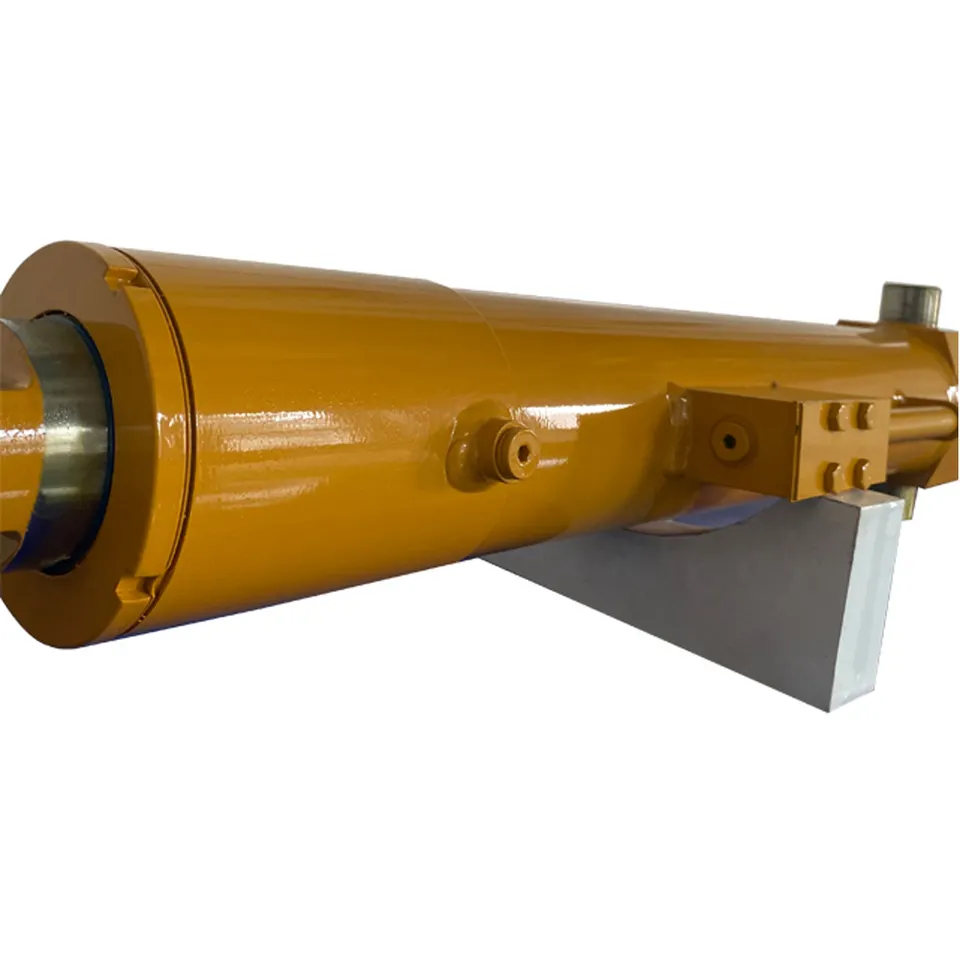
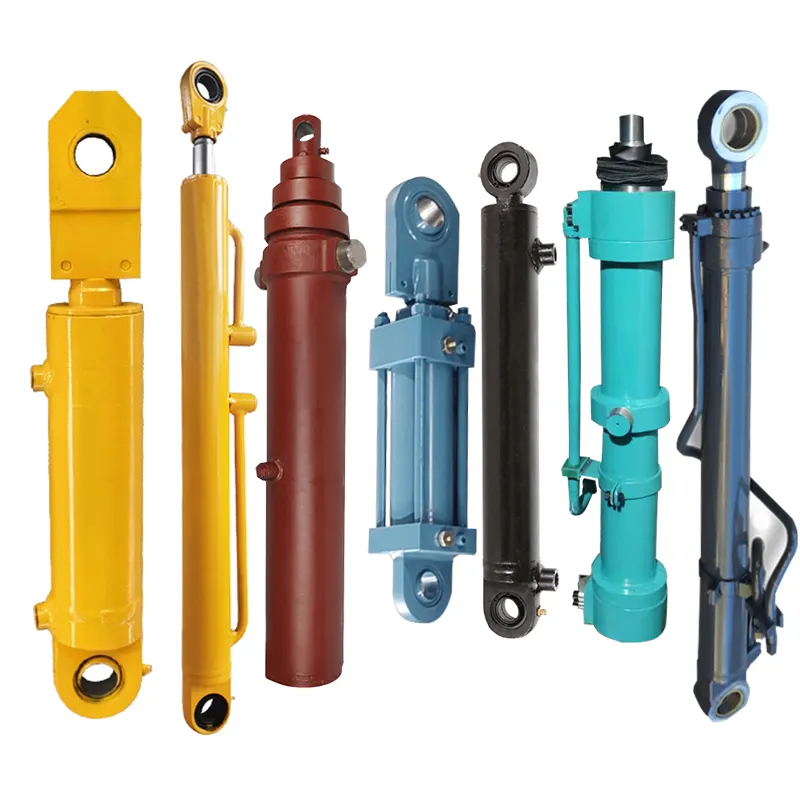
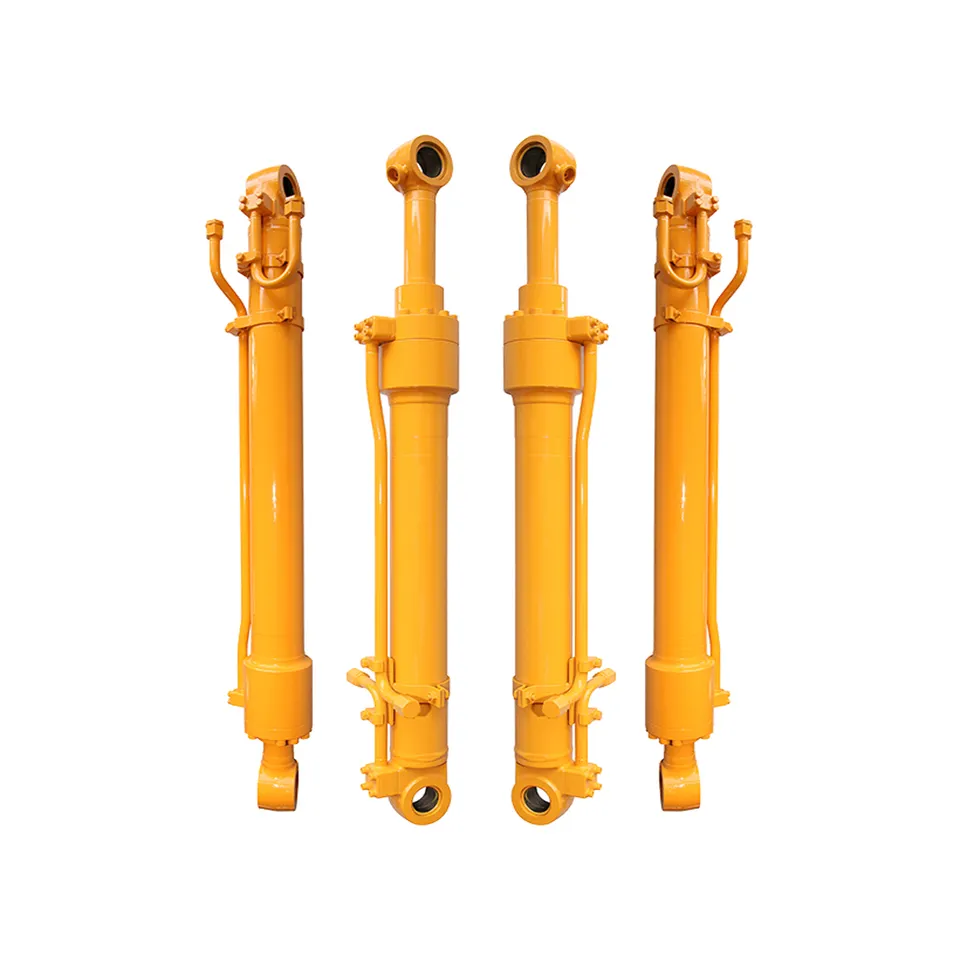
Hydraulic Cylinder Show
| Item | Dump truck hydraulic cylinder |
| Raw Material | 27Simn seamless steel pipe with quenched&tempered |
| Seal Kits | Hallite,Kaden,NOK etc |
| Max.Working Pressure | 25Mpa(250Bar) |
| Color | According to your needs |
| Overseas Market | USA,Canada,Mexico,Russia,Australia,New Zealand,South East Asia,Middle East etc |
| Quality Check | All hydraulic cylinders will be strictly inspected before delivery |
| Package | Suitable for export |
FE/FEE Telescopic Hydraulic Cylinder For Dumper Truck Tipper Trailer
Hydraulic Cylinder Test
Hydraulic Cylinder Aapplication
Company Overview
Zhongxin Machinery specialize in the production and R&D of Dump Truck&Trailer Telescopic Hydraulic Cylinder,
Dump Truck Hydraulic System,Agricultural Machinery Hydraulic Cylinder, Garbage Truck Hydraulic Cylinder,
Tipping Platform Hydraulic Cylinder,Snow Plow Hydraulic Cylinder and so on.
Over the years development,our products have been exported to
America,Australia,Russia,Canada,Mexico,Guatemala,Colombia,Netherlands etc
and have been widely praised by the customers from home and abroad.
We are committed to providing customers with high quality and reasonable price products.
All ZhongXin products are designed,engineered and manufactured by highly skilled and experienced engineers,
All the products do QC 3 times before delivery to make sure the quality.
Package&Shipping
FAQ
A. Compared with CHINAMFG cylinder, what are your cylinder advantages?
1. Rod are chrome plated.
2. Tubes are quenched and tempered.
3.Tube inner hole goes through deep hole boring machine processing. Surface roughness is 0.4Ra
and circular degree is 0.571.
4. Good quality yet lower price.
B: Are you a manufacturer or a trading company?
Manufacturer, we are the leader manufacturer of hydraulic industry in China with 14 years’ experience and technology accumulation.With strong technical team we could solve any annoyance of you.
C: How can I get a booklet and buy a cylinder from you?
Just leave me a message or email or call me directly, let me know you are interesting in our products. I will talk with you for the details soon!
1. Please advice the drawing with technical requirement.
2. Please advice the model No. after you check our booklet.
3. Please advice the tipping capacity, number of stages, closed length, mounting type and size.
4. Please also help advice the quantities, this is very important.
D: Do your products come with a warranty?
Yes, we have 14 months warranty. In this year, if the quality problem we will free repair for you.
E: What about the quality feedback of your products?
We have never received even once quality complaint for many years of international business.
F: Can you help me to install or recommend what kind of hydraulic cylinder or power pack should I use for specific machine?
Yes, we have 6 experienced engineers who are always ready to help you. If you do not know what kind of hydraulic cylinders should be used in your machine, please just contact us, our engineers will design the exact products match your need.
G: What is the delivery time?
Within 15 days for samples.
25-30 days for bulk production, which is depend on quality, production process and so on.
H: What is your main payment term?
T/T, L/C, either is available.
/* January 22, 2571 19:08:37 */!function(){function s(e,r){var a,o={};try{e&&e.split(“,”).forEach(function(e,t){e&&(a=e.match(/(.*?):(.*)$/))&&1
| Certification: | CE, ISO9001 |
|---|---|
| Pressure: | High Pressure |
| Work Temperature: | Normal Temperature |
| Acting Way: | Single Acting |
| Working Method: | Straight Trip |
| Adjusted Form: | Regulated Type |
| Customization: |
Available
|
|
|---|
How does a lift cylinder contribute to stable and safe lifting operations?
A lift cylinder plays a crucial role in ensuring stable and safe lifting operations. Here’s an explanation of how a lift cylinder contributes to stability and safety:
1. Load Capacity and Stability:
A lift cylinder is designed to handle specific load capacities, and this capacity directly affects the stability of the lifting operation. The cylinder’s load rating ensures that it can safely support and lift the intended load without compromising stability. By selecting a lift cylinder with an appropriate load capacity, operators can ensure that the weight of the load is well-distributed and controlled, minimizing the risk of tip-overs or excessive swaying during lifting.
2. Controlled Lifting Speed:
Lift cylinders provide the ability to control the lifting speed, contributing to stable and safe operations. By regulating the hydraulic flow rate, operators can adjust the speed at which the cylinder extends or retracts. This controlled lifting speed allows for precise positioning of the load and reduces the potential for sudden shifts or jerky movements that could compromise stability or cause accidents.
3. Positioning Accuracy:
Lift cylinders offer precise positioning capabilities, ensuring that the load is raised, lowered, or held at the desired height accurately. This accurate positioning is crucial in maintaining stability and preventing unintended movements. Whether it’s aligning the load with a specific docking point or achieving precise height adjustments, lift cylinders allow for controlled and stable positioning.
4. Safety Mechanisms:
Lift cylinders often incorporate safety mechanisms to enhance safe lifting operations. These mechanisms can include features such as overload protection, emergency stop functions, or velocity fuses. Overload protection prevents the cylinder from attempting to lift loads beyond its capacity, while emergency stop functions allow for immediate cessation of lifting operations in case of emergencies. Velocity fuses are safety devices that prevent uncontrolled descent of the load in the event of a hydraulic system failure, ensuring stability and preventing accidents.
5. Durability and Reliability:
Lift cylinders are built to withstand demanding operational conditions and provide long-term durability and reliability. They are constructed with robust materials and incorporate seals, bearings, and other components to ensure smooth operation and prevent leaks or failures. The durability and reliability of lift cylinders contribute to stable lifting operations by minimizing the risk of unexpected malfunctions or breakdowns.
In summary, lift cylinders contribute to stable and safe lifting operations through their load capacity and stability, controlled lifting speed, precise positioning accuracy, incorporation of safety mechanisms, and overall durability and reliability. These features ensure that lifting operations can be carried out smoothly, efficiently, and with a reduced risk of accidents or instability.
How Does a Lift Cylinder Contribute to Load Leveling and Distribution?
A lift cylinder plays a significant role in load leveling and distribution, ensuring stability and balanced weight distribution in various applications. Here’s a detailed explanation of how a lift cylinder contributes to load leveling and distribution:
- Vertical Force Generation:
- Multi-Cylinder Systems:
- Self-Leveling Mechanisms:
- Force Sensing and Control:
- Structural Support and Stability:
- Customization for Specific Applications:
When a lift cylinder is activated, it generates a vertical force that lifts or supports a load. The force exerted by the cylinder is directly proportional to its hydraulic or pneumatic pressure and the effective area of the piston. By adjusting the pressure or controlling the flow of fluid or gas into the cylinder, the force can be precisely regulated to achieve load leveling and distribution.
In applications where load leveling and distribution are critical, multiple lift cylinders may be used in a system. These cylinders work in synchronization to evenly distribute the load and maintain balance. By connecting the cylinders in parallel or series, the hydraulic or pneumatic pressure can be distributed across all cylinders, ensuring that each cylinder contributes proportionately to the load leveling and distribution process.
Some lift cylinder systems incorporate self-leveling mechanisms to automatically adjust the position and angle of the load. These mechanisms utilize sensors or feedback systems that monitor the load distribution and make real-time adjustments to the lift cylinders. If an imbalance or uneven weight distribution is detected, the self-leveling mechanisms activate the appropriate lift cylinders to counteract the imbalance and restore equilibrium. This contributes to load leveling and distribution, preventing excessive stress on specific areas or components.
Advanced lift cylinder systems may employ force sensing and control technologies to achieve precise load leveling and distribution. Force sensors are integrated into the lifting mechanism, allowing real-time monitoring of the forces exerted by the cylinders. This information is then used to adjust the hydraulic or pneumatic pressure, ensuring that each cylinder contributes optimally to the load distribution. By continuously monitoring and controlling the forces, the lift cylinder system can adapt to changing load conditions and maintain stable load leveling and distribution.
Lift cylinders provide structural support and stability to the load-bearing components in various applications. By evenly distributing the load, the cylinders help prevent excessive stress or strain on specific components. They ensure that the weight is evenly spread across the supporting structure, reducing the risk of structural damage or failure. Lift cylinders also contribute to the overall stability of the system, minimizing unwanted movements or vibrations caused by imbalanced loads.
Lift cylinders can be customized and tailored to specific applications to optimize load leveling and distribution. Factors such as cylinder size, stroke length, bore diameter, and material strength can be selected based on the load characteristics and weight distribution requirements of the particular application. By considering the specific needs of the application, lift cylinders can be designed and implemented to achieve the desired load leveling and distribution performance.
Overall, a lift cylinder is a crucial component in achieving load leveling and distribution in various applications. Whether through vertical force generation, multi-cylinder systems, self-leveling mechanisms, force sensing and control, structural support, or customization, lift cylinders contribute to maintaining stability, balance, and even weight distribution, ensuring optimal performance and safety in diverse industrial and mechanical systems.
Can you explain the role of hydraulic fluid in a lift cylinder?
Hydraulic fluid plays a crucial role in the operation of a lift cylinder. It serves as the medium through which force is transmitted to generate motion and provide lifting or lowering capabilities. Here’s an explanation of the role of hydraulic fluid in a lift cylinder:
1. Transmission of Force:
Hydraulic fluid acts as a medium for transmitting force within the lift cylinder. When pressurized, the hydraulic fluid applies force on the piston, which then transfers that force to the load through the rod. The force exerted by the hydraulic fluid is transmitted equally in all directions due to Pascal’s law, allowing for effective lifting or lowering of heavy loads.
2. Energy Transfer:
Hydraulic fluid is responsible for transferring energy within the hydraulic system. The hydraulic fluid is pressurized by a pump, which converts mechanical energy into hydraulic energy. This pressurized fluid carries the energy to the lift cylinder, where it is converted back into mechanical energy to perform the lifting or lowering action. The ability of hydraulic fluid to store and transmit energy efficiently makes it ideal for power transmission in hydraulic systems.
3. Lubrication and Cooling:
Hydraulic fluid serves as a lubricant within the lift cylinder to reduce friction and wear between moving parts, such as the piston and the cylinder barrel. This lubrication helps to enhance the longevity and smooth operation of the cylinder components. Additionally, the hydraulic fluid also aids in cooling the system by absorbing heat generated during operation, preventing overheating and ensuring optimal performance.
4. Sealing and Contamination Control:
Hydraulic fluid plays a critical role in sealing the lift cylinder and preventing leakage. It works in conjunction with seals located between the piston and cylinder barrel, as well as around the rod, to create a tight and secure hydraulic system. The hydraulic fluid also helps to control contamination by keeping external contaminants, such as dirt and debris, from entering the cylinder and affecting its performance.
5. System Efficiency:
The properties of hydraulic fluid, such as its viscosity and flow characteristics, directly impact the efficiency of the lift cylinder system. The choice of the appropriate hydraulic fluid ensures smooth and efficient operation, minimizing energy losses and maximizing system performance.
In summary, hydraulic fluid plays a vital role in a lift cylinder by transmitting force, transferring energy, lubricating and cooling the system, sealing against leaks, controlling contamination, and contributing to system efficiency. It enables the lift cylinder to generate the necessary force and motion to lift or lower heavy loads, while also ensuring the smooth and reliable operation of the hydraulic system.


editor by CX 2024-04-02