Product Description
Hydraulic Cylinder Product Selling Points:
1. High Durability: The hydraulic cylinder is designed to withstand high pressure and heavy loads, ensuring long-lasting performance in even the most demanding applications.
2. Customizable Options: Our hydraulic cylinders can be customized to fit your specific needs and requirements, including bore sizes, stroke lengths, and mounting options.
3. Efficient Operation: The hydraulic cylinder provides efficient power transfer, allowing for smooth and precise movement of heavy equipment and machinery.
4. Low Maintenance: The hydraulic cylinder is designed for easy maintenance and repair, with minimal downtime required for servicing.
5. Wide Range of Applications: Our hydraulic cylinders can be used in a variety of industries, including construction, agriculture, mining, and transportation.
6. Quality Assurance: Our hydraulic cylinders are manufactured to strict quality standards, ensuring reliable and consistent performance.
7. Competitive Pricing: We offer competitive pricing on our hydraulic cylinders, making them a cost-effective solution for your equipment needs.
In summary, our hydraulic cylinders provide high durability, customizable options, efficient operation, low maintenance, a wide range of applications, quality assurance, and competitive pricing, making them an excellent choice for your equipment needs.
About US
HangZhou LD Cylinder Co., Ltd. was founded in 1988, LD covers an area of 380,000sq.ft with more than 150 workers.
Through the construction of modern factories, enterprises have realized the transformation from traditional manufacturing to a new model of intelligent manufacturing.
LD application of highly intelligent system software, advanced process flow, automated production lines, innovative technology research and development design, It makes LD developed into a high-tech professional production of hydraulic cylinder Company.
| Certification: | ISO9001 |
|---|---|
| Pressure: | Medium Pressure |
| Work Temperature: | Normal Temperature |
| Acting Way: | Double Acting |
| Working Method: | Straight Trip |
| Adjusted Form: | Regulated Type |
| Customization: |
Available
|
|
|---|
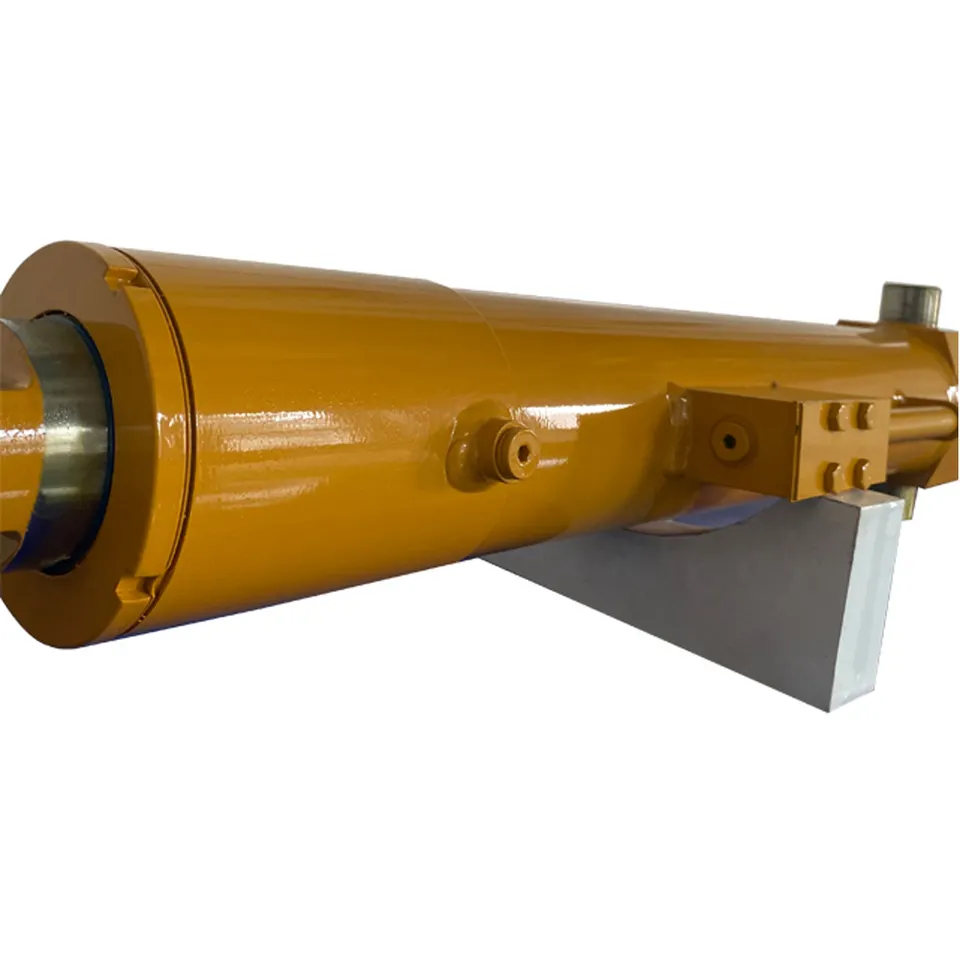
How does a lift cylinder contribute to efficient and reliable lifting?
A lift cylinder plays a crucial role in enabling efficient and reliable lifting operations. Here’s an explanation of how a lift cylinder contributes to efficient and reliable lifting:
1. High Lifting Capacity:
Lift cylinders are specifically designed to provide high lifting capacities. They can generate substantial force to lift heavy loads, making them well-suited for material handling tasks that involve large or bulky items. The high lifting capacity ensures that the cylinder can effectively handle the intended load, contributing to efficient lifting without the need for additional equipment or manual labor.
2. Precise Control:
Lift cylinders offer precise control over the lifting process. By regulating the flow and pressure of hydraulic fluid, operators can achieve accurate positioning and controlled movements. This level of control allows for efficient and precise placement of the load, reducing the risk of damage to the load or surrounding objects. The precise control also enables operators to optimize the lifting process, saving time and effort.
3. Smooth and Stable Operation:
Lift cylinders provide smooth and stable operation during lifting operations. The hydraulic system ensures that the lifting motion is steady and controlled, minimizing jerking or sudden movements. This smooth operation is important for the safe handling of delicate or fragile materials. It also enhances operator confidence and reduces the risk of accidents, contributing to reliable lifting performance.
4. Quick Response Time:
Lift cylinders offer quick response times, allowing for efficient and timely lifting operations. When activated, the hydraulic system quickly directs fluid into the cylinder, initiating the lifting motion. This rapid response time reduces downtime and enables operators to complete lifting tasks more efficiently.
5. Durability and Reliability:
Lift cylinders are built to withstand the demands of heavy-duty lifting operations. They are constructed with durable materials and designed to handle repetitive lifting tasks over extended periods. The robust construction and reliable performance of lift cylinders ensure that they can consistently deliver efficient lifting performance without frequent breakdowns or malfunctions.
6. Safety Features:
Lift cylinders often incorporate safety features to enhance reliability during lifting operations. These features can include load-holding valves, pressure relief valves, and fail-safe mechanisms. Load-holding valves prevent the load from dropping in the event of hydraulic pressure loss, ensuring the load remains securely lifted. Pressure relief valves protect the system from excessive pressure, preventing potential damage. Fail-safe mechanisms provide additional safety by engaging in the event of a system failure or power loss. The presence of these safety features contributes to reliable and safe lifting operations.
7. Integration with Control Systems:
Advanced lift cylinders can be integrated with control systems, such as electronic controls or programmable logic controllers (PLCs). This integration allows for automation and optimized control of the lifting process. By incorporating sensors, feedback mechanisms, and pre-programmed sequences, the lift cylinder can operate efficiently and reliably with minimal operator intervention.
In summary, a lift cylinder contributes to efficient and reliable lifting through its high lifting capacity, precise control, smooth and stable operation, quick response time, durability and reliability, incorporation of safety features, and integration with control systems. These features and capabilities ensure that the lifting process is efficient, accurate, and safe, thereby enhancing overall lifting performance.
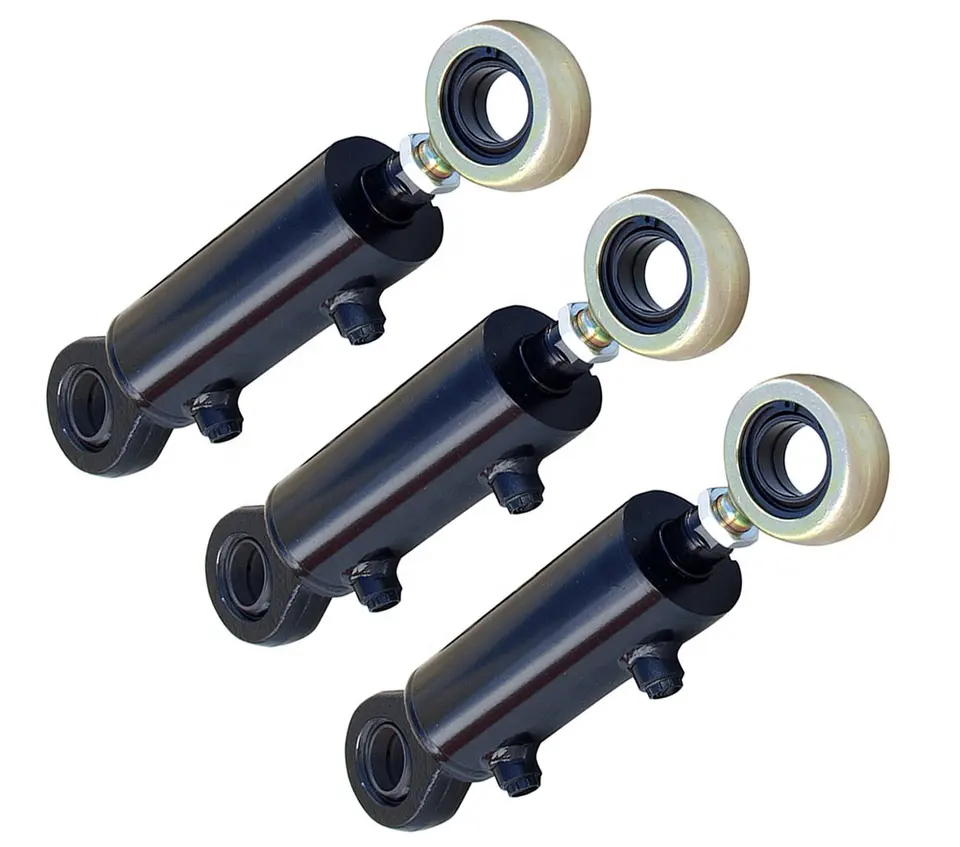
Can lift cylinders be used in hydraulic presses for material forming?
Yes, lift cylinders can be used in hydraulic presses for material forming. Hydraulic presses are widely employed in manufacturing processes that involve shaping, bending, or compressing materials such as metal, plastic, or rubber.
Lift cylinders, also known as hydraulic cylinders, play a crucial role in hydraulic presses by providing the force required for material forming. Here’s how lift cylinders are utilized in this context:
- Force Generation: Lift cylinders are responsible for generating the force necessary to exert pressure on the material being formed. They convert hydraulic energy into mechanical force, enabling the press to shape or mold the material according to the desired specifications.
- Stroke Length: Lift cylinders have an adjustable stroke length, allowing them to accommodate different material forming requirements. By modifying the stroke length, the press can apply varying degrees of force and control to achieve the desired shape and dimensions of the formed material.
- Control and Precision: Lift cylinders offer precise control over the force and movement in hydraulic presses. The hydraulic system controlling the cylinders allows for accurate adjustment and regulation of the pressure, speed, and timing of the forming process. This control ensures consistent and precise material forming results.
- Die Mounting: Lift cylinders are employed in the mounting of dies or tooling within the hydraulic press. The cylinders provide the necessary lifting and lowering action to secure the dies in place and facilitate their proper alignment with the material being formed. This ensures accurate and repeatable forming operations.
- Safety Features: Hydraulic presses incorporating lift cylinders often include safety features such as pressure relief valves, emergency stop controls, and overload protection. These features help safeguard operators and prevent damage to the press or the formed material.
The use of lift cylinders in hydraulic presses for material forming offers several advantages. They provide the high force capability required for effective shaping and forming of various materials. The adjustable stroke length and precise control allow for versatility and customization, accommodating different forming needs. The integration of safety features ensures safe operation and protects both the equipment and personnel.
In conclusion, lift cylinders are suitable for use in hydraulic presses for material forming. Their ability to generate force, adjust stroke length, and provide precise control makes them essential components in achieving accurate, efficient, and reliable material forming processes.
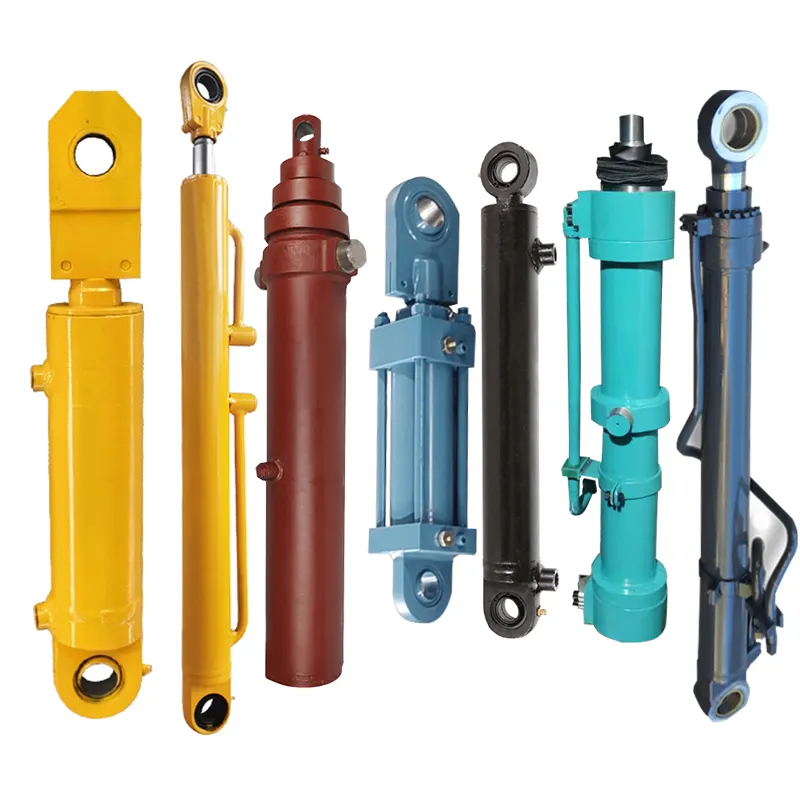
Can lift cylinders be repaired or replaced when damaged?
Yes, lift cylinders can be repaired or replaced when they are damaged. Here’s an explanation of the options for repairing or replacing lift cylinders:
1. Repair:
If a lift cylinder sustains damage, it is often possible to repair it. The extent of the damage and the specific components affected will determine the repair process. Common repairs may involve replacing seals, gaskets, or damaged hydraulic lines. In some cases, the cylinder may need to be disassembled, cleaned, and reassembled with new parts.
Repairing a lift cylinder typically requires expertise in hydraulic systems and cylinder repair. It is recommended to consult qualified professionals or authorized service centers to ensure proper diagnosis and repair procedures.
2. Replacement of Components:
If specific components within the lift cylinder are damaged or worn out, it may be possible to replace those components individually. This can include replacing the piston, rod, seals, or other internal parts. By replacing only the affected components, the cylinder can be restored to proper working condition without replacing the entire unit.
Replacement of components should be done with compatible parts that meet the manufacturer’s specifications. It may be necessary to consult the manufacturer’s documentation or seek guidance from authorized distributors or service centers to ensure proper component selection and installation.
3. Replacement of the Entire Cylinder:
In cases where the lift cylinder is severely damaged or if repairing or replacing individual components is not practical or cost-effective, it may be necessary to replace the entire cylinder. This involves removing the damaged cylinder and installing a new one that matches the specifications and requirements of the lifting equipment.
When replacing the entire cylinder, it is important to ensure compatibility with the equipment, including load capacity, mounting options, stroke length, and other specifications. The new cylinder should be selected based on the equipment’s requirements and the recommendations of the manufacturer or qualified experts.
4. Professional Assistance:
Repairing or replacing lift cylinders can be complex, especially when dealing with hydraulic systems and precise components. It is recommended to seek professional assistance from qualified technicians or authorized service centers. They have the knowledge, experience, and tools to properly diagnose, repair, or replace lift cylinders, ensuring the safety and optimal performance of the lifting equipment.
In summary, lift cylinders can be repaired or replaced when damaged. Repair options may involve replacing seals or damaged components, while component replacement allows for targeted repairs. In severe cases or when individual repairs are not feasible, the entire cylinder may need to be replaced. Professional assistance is recommended to ensure proper diagnosis, repair procedures, or component selection for the repair or replacement of lift cylinders.


editor by CX 2023-11-16