Product Description
Product Description
hydraulic cylinder with a nut and an oil station
The hydraulic jacks and pumps shown above are all customized by customers. We can customize tonnage, stroke, nuts, flanges, colors and even add your logo according to your project. Please contact us.
The electric hydraulic jack is powered by ZB series of high pressure electric oil pumps, the function is for oil pressure rebound, and overflow, it is designed as a safe protect pressurizer, and it can protect emergent overpressure, especially construction can protect the jack.
Hydraulic jack can bear partial loading at 5% of rated pressure. High pressure alloy cylinder is very durable, especially in larger projects, it is easy to be operated and controlled. It has large output, is lightweight, has remote control, and has other advantages, it can match our high pressure oil pump, and it can reach jack, push, pull extrusion, and other kinds of work.
Product Parameters
| Model | Tonnage T |
Stroke B-A mm |
Cloase height A mm |
Extend height B mm |
Outer diameter of oil cylinder mm |
Dimension of plunger mm |
Dimension of oil pump mm |
Weight kg |
Pressure | Recommend electric oil pump |
| STQ50-100 | 50 | 100 | 225 | 325 | 127 | 70 | 100 | 35 | 63MPA | 50T-200T 0.55KW 0.75KW 1.5KW 3KW 4KW 5.5KW |
| STQ50-160 | 160 | 285 | 445 | 39 | ||||||
| STQ50-200 | 200 | 325 | 525 | 46 | ||||||
| STQ50-300 | 300 | 425 | 725 | 48 | ||||||
| STQ50-500 | 500 | 625 | 1125 | 63 | ||||||
| STQ100-100 | 100 | 100 | 250 | 350 | 180 | 100 | 140 | 58 | 63MPA | |
| STQ100-160 | 160 | 310 | 470 | 63 | ||||||
| STQ100-200 | 200 | 350 | 550 | 78 | ||||||
| STQ100-300 | 300 | 450 | 750 | 96 | ||||||
| STQ100-500 | 500 | 650 | 1150 | 130 | ||||||
| STQ150-100 | 150 | 100 | 260 | 360 | 219 | 125 | 180 | 58 | 63MPA | |
| STQ150-160 | 160 | 320 | 480 | 69 | ||||||
| STQ150-200 | 200 | 360 | 560 | 86 | ||||||
| STQ150-300 | 300 | 460 | 760 | 103 | ||||||
| STQ150-500 | 500 | 660 | 1160 | 255 | ||||||
| STQ200-100 | 200 | 100 | 285 | 385 | 240 | 150 | 200 | 96 | 63MPA | |
| STQ200-160 | 160 | 345 | 505 | 103 | ||||||
| STQ200-200 | 200 | 385 | 585 | 116 | ||||||
| STQ200-300 | 300 | 485 | 785 | 161 | ||||||
| STQ200-500 | 500 | 685 | 1185 | 221 | ||||||
| STQ320-100 | 320 | 100 | 310 | 410 | 330 | 180 | 250 | 196 | 63MPA | 1.5KW 3KW 4KW 5.5KW |
| STQ320-160 | 160 | 370 | 530 | 240 | ||||||
| STQ320-200 | 200 | 410 | 610 | 258 | ||||||
| STQ320-300 | 300 | 510 | 810 | 311 | ||||||
| STQ320-500 | 500 | 710 | 1210 | 456 | ||||||
| STQ400-100 | 400 | 100 | 355 | 455 | 380 | 200 | 290 | 198 | 63MPA | 3KW 4KW 5.5KW 7.5KW |
| STQ400-160 | 160 | 415 | 575 | 231 | ||||||
| STQ400-200 | 200 | 460 | 660 | 264 | ||||||
| STQ400-300 | 300 | 555 | 855 | 367 | ||||||
| STQ400-500 | 500 | 755 | 1255 | 456 | ||||||
| STQ500-100 | 500 | 100 | 360 | 460 | 430 | 200 | 320 | 323 | 63MPA | 3KW 4KW 5.5KW 7.5KW |
| STQ500-160 | 160 | 420 | 580 | 330 | ||||||
| STQ500-200 | 200 | 460 | 660 | 420 | ||||||
| STQ500-300 | 300 | 560 | 860 | 581 | ||||||
| STQ500-500 | 500 | 760 | 1260 | 599 | ||||||
| STQ630-100 | 630 | 100 | 417 | 517 | 500 | 250 | 360 | 560 | 63MPA | 4KW 5.5KW 7.5KW 11KW |
| STQ630-160 | 160 | 477 | 637 | 633 | ||||||
| STQ630-200 | 200 | 517 | 717 | 696 | ||||||
| STQ630-300 | 300 | 617 | 917 | 898 | ||||||
| STQ630-500 | 500 | 817 | 1317 | 1250 | ||||||
| STQ800-100 | 800 | 100 | 488 | 588 | 560 | 300 | 400 | 896 | 63MPA | 7.5KW 11KW |
| STQ800-200 | 200 | 598 | 798 | 1040 | ||||||
| STQ800-300 | 300 | 698 | 998 | 1380 | ||||||
| STQ800-500 | 500 | 898 | 1398 | 1520 | ||||||
| STQ1000-100 | 1000 | 100 | 530 | 630 | 600 | 320 | 450 | 1286 | 63MPA | 7.5KW 11KW |
| STQ1000-200 | 200 | 630 | 830 | 1332 | ||||||
| STQ1000-300 | 300 | 760 | 1060 | 1663 |
If the model you need is not in the form, please contact us. We can customize it according to your project!
Product Application
Our hydraulic jacks have been widely used in industrial fields, such as steel plants, the cement industry, chemical and refineries, bridges, railways, highways, hydropower stations, ship repair, building, construction, and maintenance.
Company Profile
HangZhou Lead Equipment Co., Ltd. Has been in hydraulic tools industry since 2009.
Our main products are as follows:
Single acting hydraulic jack/cylinder/ram (10-100 tons)
Single acting hollow hydraulic jack/cylinder/ram (12-100 tons)
Double acting hydraulic jack/cylinder/ram (50-2000 tons)
Double acting hollow hydraulic jack/cylinder/ram (50-2000 tons)
Single acting hydraulic jack/cylinder/ram with lock nut (55-200 tons)
Thin type single acting hydraulic jack/cylinder/ram (10-200 tons)
Ultrathin hydraulic jack/cylinder/ram (10-200 tons)
Flange type hydraulic jack/cylinder/ram (10-630 tons)
Synchronous hydraulic jack (10-1000 tons)
Hydraulic accessories: high pressure oil hose, couplers, seal kits, manifolds, etc.
All the tonnage, stroke, and height can be customized according to client’s requirements, supplying the best quality and service. Our warranty is 2 years.
/* January 22, 2571 19:08:37 */!function(){function s(e,r){var a,o={};try{e&&e.split(“,”).forEach(function(e,t){e&&(a=e.match(/(.*?):(.*)$/))&&1
| After-sales Service: | Yes |
|---|---|
| Warranty: | 2 years |
| Type: | Hydraulic Jack |
| Samples: |
US$ 2000/Piece
1 Piece(Min.Order) | Order Sample |
|---|
| Customization: |
Available
|
|
|---|
.shipping-cost-tm .tm-status-off{background: none;padding:0;color: #1470cc}
|
Shipping Cost:
Estimated freight per unit. |
about shipping cost and estimated delivery time. |
|---|
| Payment Method: |
|
|---|---|
|
Initial Payment Full Payment |
| Currency: | US$ |
|---|
| Return&refunds: | You can apply for a refund up to 30 days after receipt of the products. |
|---|
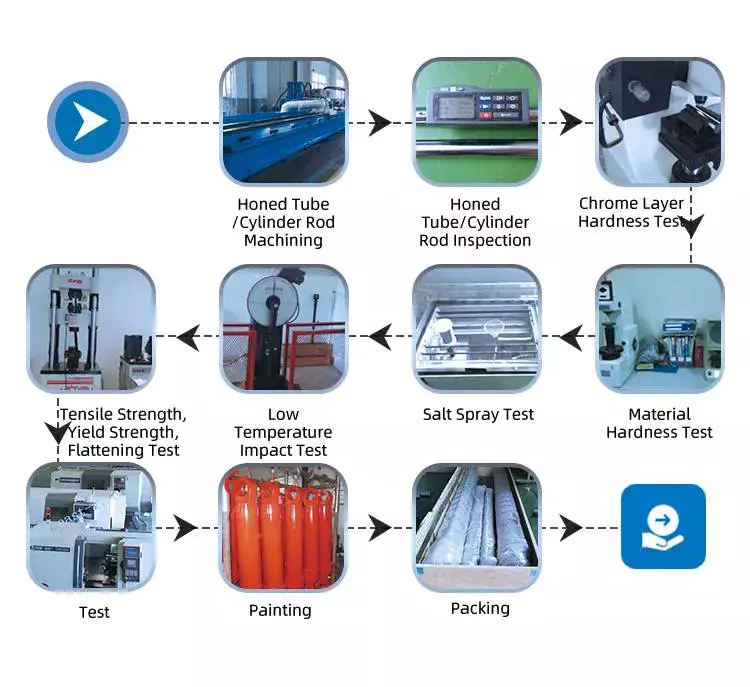
How do hydraulic cylinders handle variations in temperature and harsh operating environments?
Hydraulic cylinders are designed to handle variations in temperature and harsh operating environments by incorporating specific features and materials that ensure their durability, reliability, and performance. The ability of hydraulic cylinders to withstand extreme temperatures, corrosive environments, and other harsh conditions is crucial for their successful operation in a wide range of applications. Here’s a detailed explanation of how hydraulic cylinders handle variations in temperature and harsh operating environments:
1. Temperature Range:
– Hydraulic cylinders are designed to operate within a specified temperature range. The materials used in their construction, such as cylinder barrels, pistons, seals, and lubricants, are selected to withstand the anticipated temperature variations. Specialized seals and O-rings made from materials like nitrile, Viton, or polyurethane are used to maintain their sealing properties over a wide temperature range. Heat-resistant coatings or thermal insulation may be applied to certain components to protect them from high temperatures.
2. Thermal Expansion:
– Hydraulic cylinders are designed to accommodate thermal expansion and contraction that occurs with temperature changes. The materials used in their construction have different coefficients of thermal expansion, allowing the cylinder components to expand or contract at a similar rate. This design consideration prevents excessive stress, binding, or leakage that could result from thermal expansion or contraction.
3. Heat Dissipation:
– In applications where hydraulic cylinders are subjected to high temperatures, heat dissipation mechanisms are employed to prevent overheating. Cooling fins or heat sinks may be incorporated into the cylinder design to increase the surface area for heat transfer. In some cases, external cooling methods such as air or liquid cooling systems can be used to maintain optimal operating temperatures.
4. Corrosion Resistance:
– Hydraulic cylinders used in harsh operating environments are constructed from materials that exhibit excellent corrosion resistance. Stainless steel, chrome-plated steel, or other corrosion-resistant alloys are commonly used for cylinder components exposed to corrosive substances or environments. Additionally, surface treatments such as coatings, plating, or specialized paints can provide an extra layer of protection against corrosion.
5. Sealing Systems:
– Hydraulic cylinders employ sealing systems that are specifically designed to withstand harsh operating environments. The seals used in hydraulic cylinders are selected based on their resistance to temperature extremes, chemicals, abrasion, and other environmental factors. Specialized seal designs, such as wiper seals, rod seals, or high-temperature seals, are utilized to maintain effective sealing and prevent contamination of the hydraulic fluid.
6. Lubrication:
– Proper lubrication is essential for the smooth operation and longevity of hydraulic cylinders, particularly in harsh operating environments. Lubricants are selected based on their ability to withstand high temperatures, resist oxidation, and provide effective lubrication under extreme conditions. Regular maintenance and lubrication practices ensure that the cylinder components continue to operate smoothly and reduce the effects of wear and friction.
7. Robust Construction:
– Hydraulic cylinders designed for harsh operating environments are built with robust construction techniques to withstand the rigors of such conditions. The cylinder barrels, rods, and other components are manufactured to meet strict quality and durability standards. Welded or bolted construction methods are employed to ensure the structural integrity of the cylinders. Reinforcements, such as flanges or tie rods, may be added to enhance the cylinder’s strength and resistance to external forces.
8. Environmental Protection:
– Hydraulic cylinders can be equipped with additional protective features to shield them from harsh operating environments. Protective covers, boots, or bellows can be used to prevent contaminants, debris, or moisture from entering the cylinder and compromising its performance. These protective measures help extend the service life of hydraulic cylinders in demanding conditions.
9. Compliance with Standards:
– Hydraulic cylinders manufactured for specific industries or applications often comply with industry standards or regulations related to operating temperature ranges, environmental conditions, or safety requirements. Compliance with these standards ensures that hydraulic cylinders are designed and tested to meet the specific demands of their intended operating environments.
In summary, hydraulic cylinders are designed to handle variations in temperature and harsh operating environments by incorporating suitable materials, thermal expansion considerations, heat dissipation mechanisms, corrosion-resistant components, specialized sealing systems, proper lubrication, robust construction techniques, protective features, and compliance with industry standards. These design considerations and features enable hydraulic cylinders to operate reliably and effectively in a wide range of demanding applications and environmental conditions.
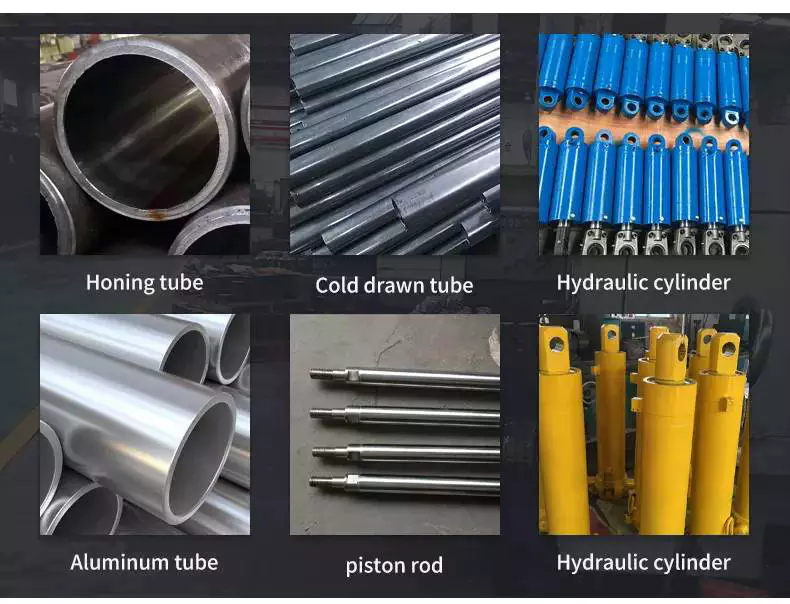
Ensuring Consistent Force Output for Repetitive Tasks with Hydraulic Cylinders
Hydraulic cylinders are designed to ensure consistent force output for repetitive tasks. This consistency is essential for maintaining precise control, achieving uniform results, and optimizing the performance of hydraulic systems. Let’s explore how hydraulic cylinders achieve consistent force output for repetitive tasks:
- Design and Manufacturing Standards: Hydraulic cylinders are manufactured to meet strict design and manufacturing standards. These standards ensure that the cylinders are built with precision and accuracy, enabling them to deliver consistent force output. The components, such as the piston, cylinder barrel, seals, and valves, are engineered to work together harmoniously, minimizing variations in force generation.
- Pressure Regulation: Hydraulic systems incorporate pressure regulation mechanisms to maintain a constant pressure level. Pressure relief valves, pressure regulators, and pressure-compensated pumps help maintain a consistent hydraulic pressure throughout the system. By regulating the pressure, hydraulic cylinders receive a consistent supply of pressurized fluid, resulting in consistent force output for repetitive tasks.
- Flow Control: Flow control valves are utilized in hydraulic systems to manage the flow rate of hydraulic fluid. These valves regulate the speed at which the fluid enters and exits the hydraulic cylinder, influencing the force output. By controlling the flow rate, hydraulic cylinders can achieve consistent force output for repetitive tasks. This is particularly important when it comes to tasks that require precise and uniform force application.
- Effective Seal Performance: Sealing systems play a crucial role in hydraulic cylinders by preventing fluid leakage and maintaining pressure integrity. High-quality seals and proper installation ensure effective sealing throughout the cylinder’s operation. By minimizing internal leakage, hydraulic cylinders can maintain consistent force output, even during repetitive tasks.
- Maintenance and Inspection: Regular maintenance and inspection of hydraulic cylinders are essential for ensuring consistent force output. By following maintenance schedules, replacing worn-out components, and monitoring cylinder performance, any potential issues that could affect force consistency can be identified and addressed promptly. This proactive approach helps maintain the reliability and performance of hydraulic cylinders over time.
In summary, hydraulic cylinders employ various mechanisms to ensure consistent force output for repetitive tasks. Adherence to design and manufacturing standards, pressure regulation, flow control, effective seal performance, and regular maintenance all contribute to achieving consistent force output. By maintaining precision, minimizing variations, and addressing potential issues, hydraulic cylinders provide reliable and consistent force generation, facilitating the successful completion of repetitive tasks in various applications.
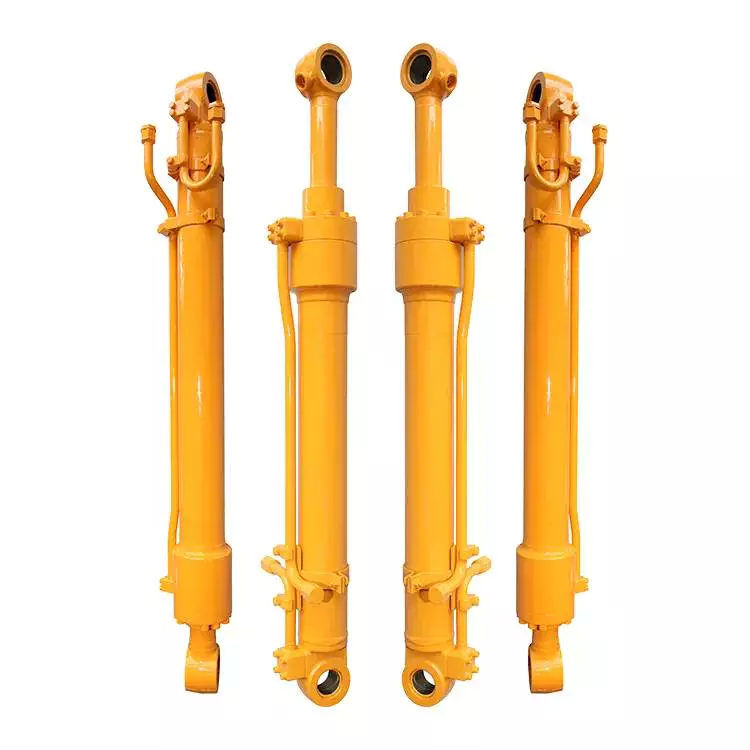
What maintenance practices are essential for extending the lifespan of hydraulic cylinders?
Maintaining hydraulic cylinders is crucial for extending their lifespan and ensuring optimal performance. Regular maintenance helps prevent premature wear, damage, and failure, ultimately reducing downtime and saving costs. Here are some essential maintenance practices to consider for extending the lifespan of hydraulic cylinders:
1. Regular Inspections:
– Conduct routine visual inspections of hydraulic cylinders to identify any signs of damage, leaks, or wear. Inspect the cylinder body, piston rod, seals, and mounting points. Look for fluid leaks, rust, dents, or any abnormal wear patterns. Early detection of issues allows for timely repairs or replacements, preventing further damage and extending the lifespan of the cylinder.
2. Cleanliness:
– Maintain a clean environment around hydraulic cylinders to prevent contaminants from entering the system. Dust, dirt, and debris can damage seals and other internal components, leading to accelerated wear and reduced performance. Regularly clean the cylinder and its surroundings to minimize the risk of contamination.
3. Proper Lubrication:
– Adequate lubrication is critical for the smooth operation and longevity of hydraulic cylinders. Follow the manufacturer’s recommendations for lubrication intervals and use the appropriate lubricant. Apply lubrication to the cylinder’s moving parts, such as the piston rod, to reduce friction and minimize wear.
4. Seal Maintenance:
– Seals play a vital role in preventing hydraulic fluid leaks and maintaining the cylinder’s performance. Inspect and replace worn or damaged seals promptly. Ensure that seals are properly installed and lubricated. Regularly clean the seal grooves to remove any debris that could compromise seal effectiveness.
5. Pressure Checks:
– Periodically check the hydraulic system’s pressure to ensure it is within the recommended operating range. Excessive pressure can strain the cylinder and its components, leading to premature wear. Monitor pressure levels and make adjustments as necessary to prevent overloading the cylinder.
6. Control Valve Maintenance:
– Maintain and inspect control valves that regulate the flow and direction of hydraulic fluid. Ensure that the valves are functioning correctly and not causing excessive stress or pressure spikes in the cylinder. Clean or replace control valves if they are damaged or malfunctioning.
7. Cylinder Alignment:
– Proper alignment of hydraulic cylinders is essential for their longevity. Misalignment can cause excessive side loads, leading to uneven wear and potential damage. Ensure that the cylinder is correctly aligned with other components and that the mounting points are secure.
8. Preventing Overloading:
– Avoid subjecting hydraulic cylinders to loads exceeding their rated capacity. Overloading can cause internal damage, seal failure, and reduced lifespan. Ensure that the load requirements are within the cylinder’s capabilities and consider using safety devices like overload protection systems when necessary.
9. Training and Operator Awareness:
– Provide proper training to equipment operators on the correct use and handling of hydraulic cylinders. Operators should be aware of the cylinder’s limitations, safe operating procedures, and the importance of regular maintenance. Promote a culture of proactive maintenance and encourage operators to report any potential issues promptly.
10. Documentation and Record-Keeping:
– Maintain detailed documentation of all maintenance activities, including inspections, repairs, and replacements. Keep records of lubrication schedules, pressure checks, and any maintenance performed on the hydraulic cylinders. This documentation helps track the cylinder’s history, identify recurring issues, and plan future maintenance effectively.
By following these maintenance practices, hydraulic cylinder lifespan can be extended, ensuring reliable performance and reducing the risk of unexpected failures. Regular inspections, cleanliness, proper lubrication, seal maintenance, pressure checks, control valve maintenance, cylinder alignment, preventing overloading, operator training, and documentation contribute to the overall longevity and optimal functioning of hydraulic cylinders.


editor by Dream 2024-04-22