Product Description
Gas Cylinder for Lift Door
Can be use with ball nail or other connector
Quality
180, 000 times -passed TUV fatigue test
RoHS certificated by SGS
Passed ISO9000: 2001 International Quality System Certification
ISO/TS16949
SPEC.
Can be used in all kinds of machinery&atuo, cars to strut the cover
Open Length: 100mm-600mm 600mm-1200mm 1200mm-3000mm
Pressure: 30N-500N 500-1000N 1000N-4000N
DIA: 12/4 15/6 18/8 22/10 25/12 28/14 28/16 40/20
Material: Steel/ss304/ss316
Color: Silver/black/others
Connector: Ball connector/metal eye/clevis and so on
The size can be made according the customer requirment.
Advantage
1)We can supply samples for free.
2)Competivite price.
3)Fast delivery time
| Material: | Steel |
|---|---|
| Usage: | Industrial, Auto, Furniture, Motorcycle, Home Appliance |
| Load Type: | Compression |
| Samples: |
US$ 5/Piece
1 Piece(Min.Order) | Order Sample |
|---|
| Customization: |
Available
|
|
|---|
.shipping-cost-tm .tm-status-off{background: none;padding:0;color: #1470cc}
| Shipping Cost:
Estimated freight per unit. |
about shipping cost and estimated delivery time. |
|---|
| Payment Method: |
|
|---|---|
|
Initial Payment Full Payment |
| Currency: | US$ |
|---|
| Return&refunds: | You can apply for a refund up to 30 days after receipt of the products. |
|---|
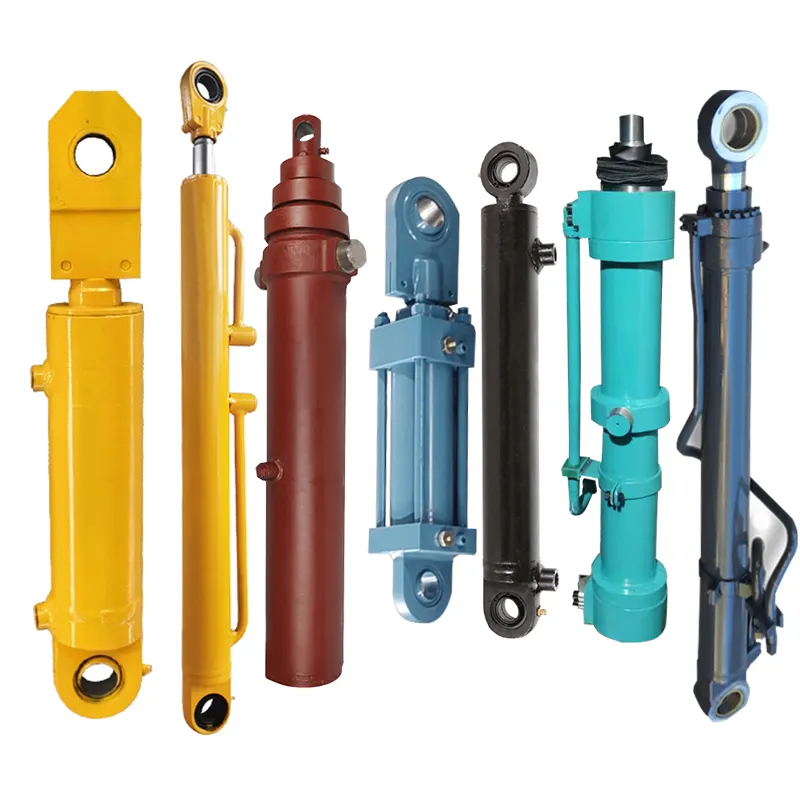
How does a lift cylinder handle variations in cylinder size and capacity?
A lift cylinder is designed to handle variations in cylinder size and capacity to accommodate different lifting requirements. Here’s an explanation of how lift cylinders handle these variations:
1. Size and Dimensions:
Lift cylinders come in various sizes and dimensions to suit different applications. The cylinder size refers to its overall dimensions, such as the diameter and length of the cylinder body. Lift cylinders can be manufactured in a range of sizes, allowing for flexibility in selecting the appropriate cylinder size based on the specific lifting needs. Larger cylinders are capable of generating greater lifting force, while smaller cylinders are more compact and suitable for applications with limited space.
2. Capacity and Load Rating:
The capacity of a lift cylinder refers to the maximum load it can lift safely. Lift cylinders are rated for specific load capacities, and it is important to select a cylinder with a suitable capacity for the intended lifting task. Lift cylinders with higher load ratings are designed to handle heavier loads, while cylinders with lower load ratings are suitable for lighter loads. The capacity of the lift cylinder is determined by factors such as its construction, materials, and structural integrity.
3. Hydraulic Pressure:
The hydraulic pressure applied to the lift cylinder affects its lifting capacity and force generation. By adjusting the hydraulic pressure within the system, operators can control the lifting capability of the cylinder. Higher hydraulic pressure results in increased lifting force, allowing the cylinder to handle larger loads. Conversely, lower hydraulic pressure reduces the lifting capacity of the cylinder, making it suitable for lighter loads. The hydraulic pressure can be regulated using control valves or pressure relief valves within the hydraulic system.
4. Application-specific Design:
Lift cylinders are designed to meet the requirements of specific applications. Manufacturers take into consideration factors such as load characteristics, operating conditions, and safety considerations when designing lift cylinders. This ensures that the cylinder size and capacity are matched to the demands of the application, allowing for efficient and safe lifting operations.
5. Customization Options:
In some cases, lift cylinders can be customized to fit specific size or capacity requirements. Manufacturers may offer customization options such as special sizes, load capacity modifications, or additional features to meet unique application needs. Customization allows for a tailored solution that optimizes the performance and efficiency of the lift cylinder in a particular setting.
In summary, lift cylinders handle variations in cylinder size and capacity by offering a range of sizes and load ratings. The hydraulic pressure can be adjusted to match the lifting requirements, and lift cylinders can be customized for specific applications. With their versatility and adaptability, lift cylinders provide efficient and reliable lifting capabilities across a wide range of industries and lifting tasks.
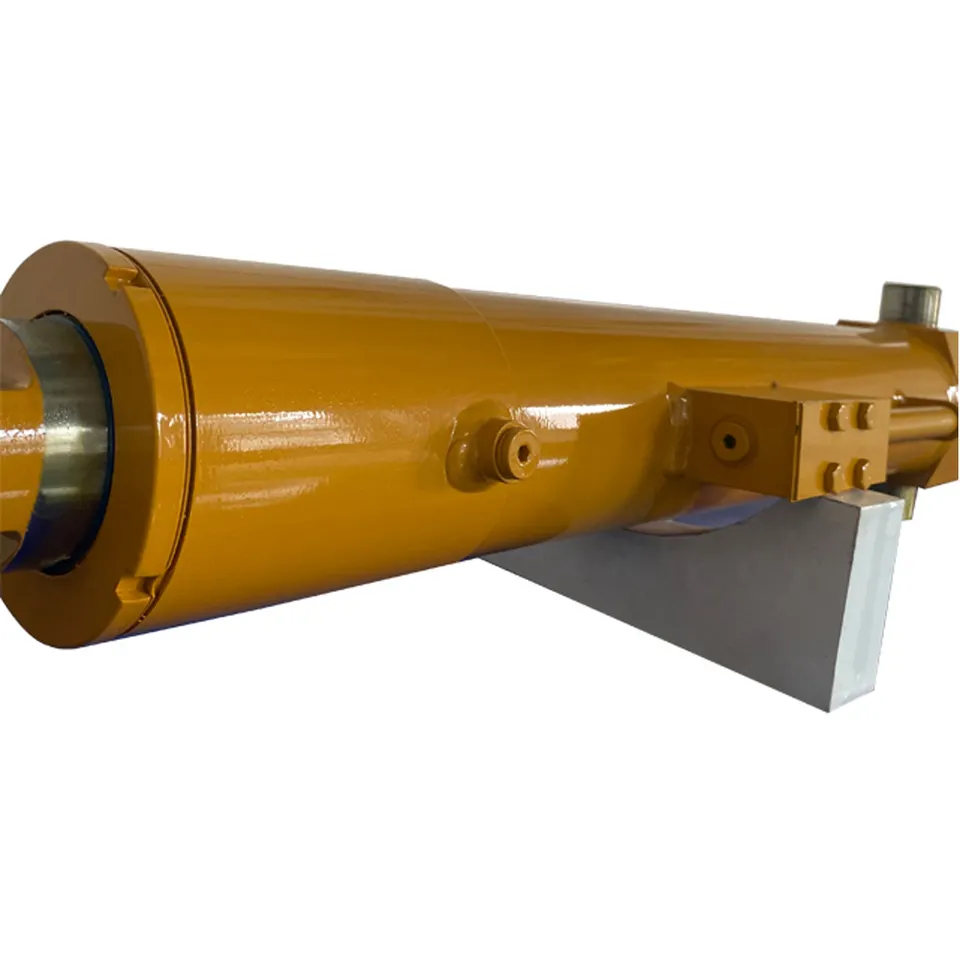
How does a lift cylinder handle variations in cylinder stroke length?
A lift cylinder is designed to handle variations in cylinder stroke length through its adjustable rod or piston. The stroke length refers to the distance the cylinder can extend or retract, and it can be adjusted to meet specific requirements in different applications.
In hydraulic lift cylinders, the stroke length can be modified by adjusting the position of the rod or piston within the cylinder. This adjustment is typically achieved by adding or removing spacers or by using adjustable stops. By changing the effective length of the cylinder, the stroke can be increased or decreased accordingly.
The adjustment of the stroke length allows the lift cylinder to accommodate different operational needs. For example, in material handling applications, where varying load sizes are encountered, the stroke length can be adjusted to ensure that the cylinder extends or retracts precisely to the required position. This flexibility enables the lift cylinder to handle a wide range of loads and adapt to different lifting or pushing scenarios.
In addition to adjusting the stroke length, lift cylinders often incorporate position feedback mechanisms. These mechanisms, such as linear transducers or position sensors, provide real-time feedback on the actual position of the cylinder. By monitoring the position, the control system can ensure accurate and precise control over the cylinder’s movement, regardless of the stroke length.
The ability to handle variations in cylinder stroke length is crucial in many industrial applications. It allows for adaptability, efficiency, and improved performance in tasks such as material handling, assembly, and automation. By adjusting the stroke length, lift cylinders can optimize their operation, ensuring that the required force and movement are achieved consistently.
In summary, lift cylinders handle variations in cylinder stroke length through adjustable rods or pistons. This adjustment capability, combined with position feedback mechanisms, enables precise control and adaptability in different applications. By accommodating different stroke lengths, lift cylinders can effectively meet the specific requirements of a wide range of industrial tasks.
What industries commonly use lift cylinders in their applications?
Lift cylinders, also known as hydraulic lift cylinders or hydraulic lifting cylinders, find applications in various industries where lifting, lowering, and vertical motion are required. Here are some industries that commonly use lift cylinders:
1. Material Handling and Logistics:
Lift cylinders are extensively used in material handling and logistics industries. They are employed in equipment such as forklifts, pallet jacks, and reach trucks to lift and lower loads, enabling efficient movement and storage of goods in warehouses, distribution centers, and manufacturing facilities.
2. Construction and Heavy Machinery:
In the construction industry, lift cylinders are utilized in equipment such as cranes, excavators, loaders, and scissor lifts. They provide the necessary lifting force to handle heavy materials, perform lifting operations at construction sites, and facilitate the movement of equipment and materials in challenging environments.
3. Automotive and Transportation:
In the automotive and transportation sectors, lift cylinders are used in applications such as vehicle lifts, car hoists, and hydraulic ramps. These cylinders enable the lifting and lowering of vehicles for maintenance, repair, and inspection purposes, ensuring efficient and safe operations in automotive workshops, garages, and service stations.
4. Aerospace and Aviation:
Lift cylinders play a critical role in the aerospace and aviation industries. They are employed in aircraft maintenance lifts, ground support equipment, and hydraulic systems for aircraft doors and landing gear. Lift cylinders enable the precise positioning and movement of aircraft components, ensuring safe and reliable operations in the aviation sector.
5. Manufacturing and Industrial Equipment:
In manufacturing and industrial settings, lift cylinders are utilized in a wide range of applications. They are used in hydraulic presses, machine tools, assembly lines, and industrial lifts to provide the necessary vertical motion for lifting, positioning, and manipulating various components and materials in production processes.
6. Healthcare and Medical Equipment:
Lift cylinders find applications in the healthcare industry, particularly in medical equipment such as patient lifts, hospital beds, and examination tables. These cylinders enable safe patient handling and positioning, facilitating caregiver tasks and ensuring patient comfort and mobility.
These are just a few examples of industries that commonly use lift cylinders in their applications. The versatility and reliability of lift cylinders make them valuable components in numerous sectors where controlled vertical motion and lifting capabilities are essential.


editor by CX 2023-10-17