Product Description
Factory Supply Customized Dump Truck Lift Hydraulic Cylinder
Product Display:
Specifications
| Item | Specifications |
| Product Name | Factory Supply Customized Dump Truck Lift Hydraulic Cylinder |
| Certificate: | CE, ISO9001 |
| Production Capacity: | 200,000 pcs per year |
| Sample Time | 7-10 days |
| Brand | GLIT or customer’s logo |
| Service | OEM & ODM |
| Piston Rod | Chrome or nickel plated,ground & polished piston rod |
| Seal Type | Parker,NOK, BUSAK SHAMBAN or as customer’s requirement |
| Tube | High tensile cold drawn tube, precision honed for extended seal life |
| Delivery Time | Based on order quantity. normally 15-30 days. |
| Price Advantage | Competitive factory price with guaranteed quality |
| Business Type | Manufacturer & Exporter |
Mounting method:
PRODUCTION PROCESS:
Inspection Process:
| Inspection Type | Inspection Standard |
| Raw Material Inspection | Before storage, QC takes the measurement of the raw materials. |
| Process Material Inspection | During the production, QCs conduct a random inspection. Before the hydraulic cylinder parts transferred to the next process, QCs takes inspection. |
| Final Function Testing | All the hydraulic cylinders take hydraulic function test |
Packing & Delivery:
Our Factory:
Appliactions:
Application: Mobile Cranes, Trailer, excavator, log splitter, hydraulic press, garbage compactor,
lift platform, dock leveler
About US:
HangZhou GLORIA INDUSTRIAL TECH Co., Ltd. is a leading Chinese company specializing in the manufacture of Hydraulic and pneumatic components.
High quality of the raw materials, the precision of the parts, the hard tests during and at the end of production are a warranty of reliability and features. Our real strength is to develop customized products to solve any requirement of utilization. The production runs conforming to the rigorous ISO 9001/2000 requirements .The product range consists of solenoid valves, process valves,Air source treatment units etc ,which are found in a variety of industrial applications such as machinery, metallurgy, food, textile and waste treatment.
If possible, when contact with us, please apply information as below
|
Bore |
Rod |
Stroke |
Work Pressure |
Mounting |
Work environment |
|
|
|
|
|
|
|
Or you can offer us your sketch diagram or photos so that we could understand you exactly meaning, help us avoid mistakes.
And if you have samples, we can manufacture according to your samples after sending to us.
Welcome to our factory if you have any time.
Your satisfaction is our biggest motivation.
Now, you can contact with us for any question or inquiry.
FAQ:
1, What does your company do?
A: we are a supplier of high quality hydraulic products including Hydraulic Cylinder, Hydraulic Motor, Hydraulic Power Pack, Hydraulic station and other Hydraulic components.
2, Are you a manufacture or a trading company?
A: We are a manufacturer.
3, What certificate do you have?
A: All our factories are ISO certificated. And our main suppliers of materials and parts are with CE, RoHS, CSA and UL certificates.
4, How long is your delivery time?
A: The delivery time depends on different products and quantity. The cylinder usually need about 45-60 days and the Motor need about 20-30 days.
5, Can you make parts as customer’s requirement or drawing?
A: Yes, we can OEM for you as your drawings. Our engineer also can give you professional support for technical suggestions.
6, What kind of payment terms do you accept?
A: We prefer T/T through bank. 40% when order is confirmed and 60% before shipment. L/C is also acceptable for amount over 20,000USD.
9, What is your warranty policy?
A: All our products are warranted for 1 full year from date of delivery against defects in materials and workmanship. This warranty does not cover parts that are worn out through the course of normal operation or are damaged through negligence. We serious remind that unclean hydraulic oil will definitely cause damage to your Hydraulic components. And this damage is not included in the warranty range. So we strongly suggest you to use new clean oil or make sure the system oil are clean when using our parts
/* January 22, 2571 19:08:37 */!function(){function s(e,r){var a,o={};try{e&&e.split(“,”).forEach(function(e,t){e&&(a=e.match(/(.*?):(.*)$/))&&1
| Certification: | GS, CE, ISO9001 |
|---|---|
| Pressure: | 7-35MPa |
| Work Temperature: | Normal Temperature |
| Acting Way: | Double Acting |
| Working Method: | Straight Trip |
| Adjusted Form: | Regulated Type |
| Customization: |
Available
|
|
|---|
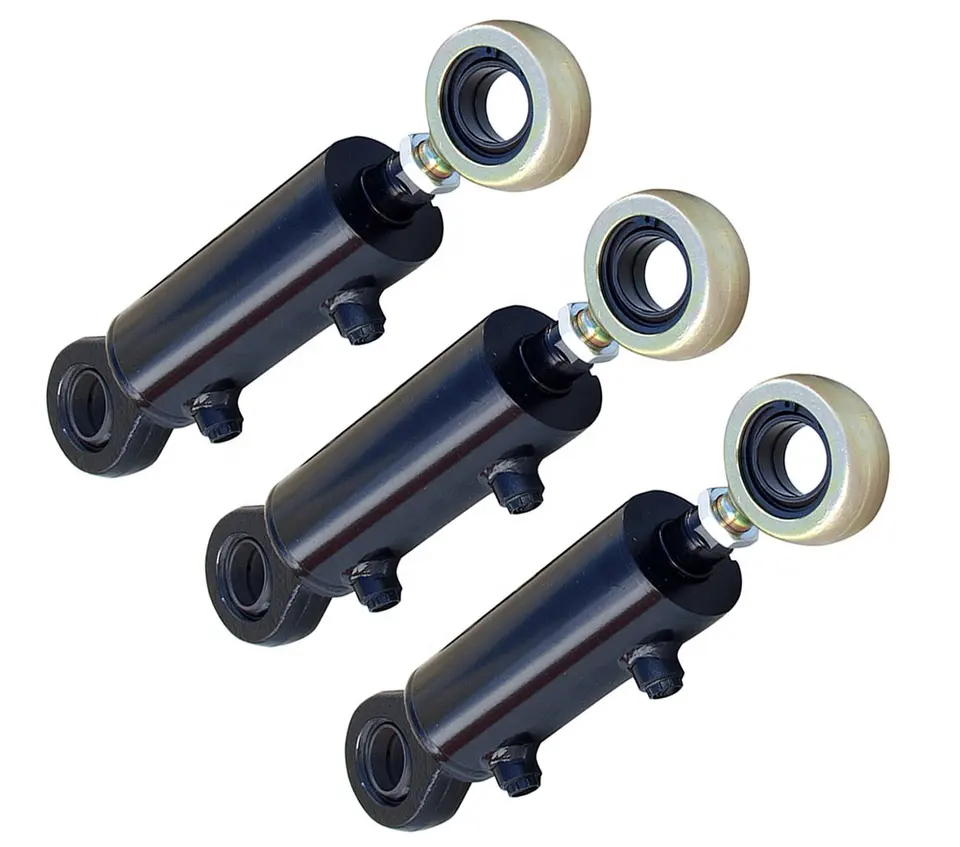
Can lift cylinders be used in aerial work platforms and scissor lifts?
Yes, lift cylinders are commonly used in aerial work platforms and scissor lifts. Here’s an explanation of their utilization in these types of equipment:
Aerial work platforms, also known as aerial lifts or elevated work platforms, are used to provide elevated access for various tasks, such as maintenance, construction, or inspection work. Scissor lifts are a specific type of aerial work platform that utilize a scissor mechanism to vertically extend the platform. Lift cylinders play a crucial role in the lifting operation of both aerial work platforms and scissor lifts.
In scissor lifts, multiple lift cylinders are typically positioned vertically and connected to the scissor mechanism. These lift cylinders work in synchronization to extend or retract the scissor arms, thereby raising or lowering the platform. The lift cylinders exert force to expand the scissor arms, creating a lifting motion that allows the platform to reach elevated positions. By controlling the flow of hydraulic fluid to the lift cylinders, operators can easily adjust the platform height and achieve the desired working elevation.
Lift cylinders used in aerial work platforms and scissor lifts are usually hydraulic cylinders. Hydraulic systems offer the advantages of smooth operation, precise control, and high lifting capacities. The hydraulic system includes a pump, control valves, hydraulic lines, and the lift cylinders. When the hydraulic system is activated, the pump pressurizes the hydraulic fluid, which is then directed to the lift cylinders through the control valves. The pressurized fluid causes the lift cylinders to extend, resulting in the upward movement of the platform.
One of the key benefits of using lift cylinders in aerial work platforms and scissor lifts is their ability to provide stable and controlled lifting. The synchronized movement of the lift cylinders ensures that the platform remains level and secure during the lifting process. This stability is essential for safe working conditions at elevated heights.
In addition to lifting capabilities, lift cylinders in aerial work platforms and scissor lifts may incorporate features such as safety locks, overload protection, or emergency descent mechanisms. These safety measures enhance the overall performance and reliability of the equipment, ensuring the well-being of operators working at height.
Overall, lift cylinders are integral components in aerial work platforms and scissor lifts, enabling the vertical lifting motion and providing stability during elevated work. Their hydraulic operation, synchronized movement, and safety features make them essential for efficient and secure access at height.
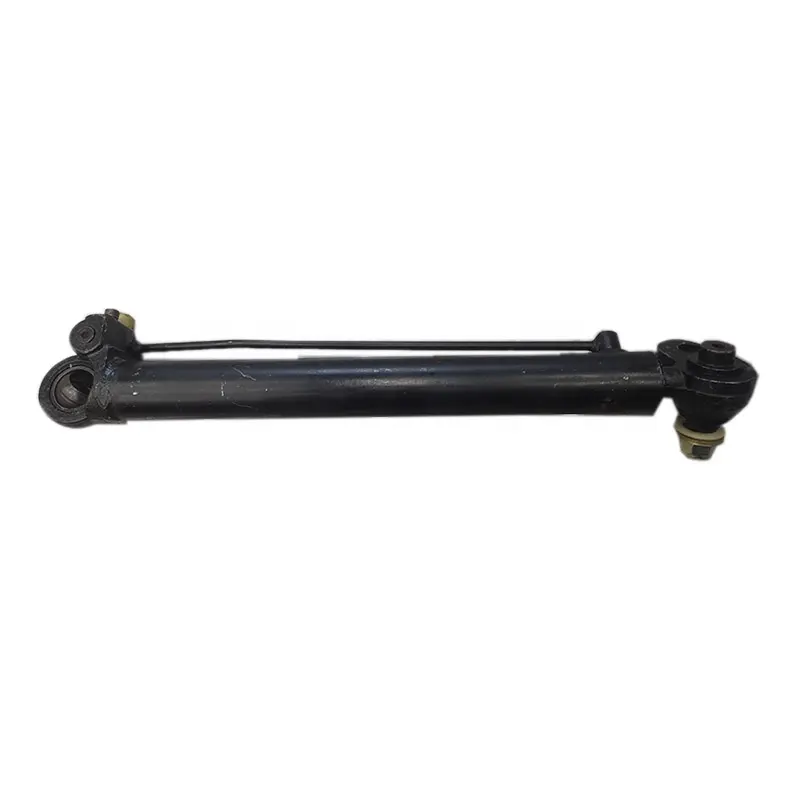
Can lift cylinders be used in agricultural machinery and equipment?
Yes, lift cylinders are commonly used in agricultural machinery and equipment. Here’s an explanation of their utilization in this context:
Agricultural machinery and equipment often require lifting capabilities to perform various tasks such as loading, lifting, and adjusting components. Lift cylinders provide the necessary force and control to accomplish these operations effectively.
1. Tractors and Loaders:
Lift cylinders are extensively used in agricultural tractors and loaders. These cylinders are typically integrated into the hydraulic systems of the equipment and are responsible for lifting and lowering front-end attachments, such as buckets, forks, or blades. By extending and retracting the lift cylinders, operators can control the height and position of the attachments, enabling efficient material handling, loading, and leveling tasks.
2. Harvesting and Threshing Equipment:
In harvesting and threshing equipment, lift cylinders are employed to adjust and control the height of components such as headers, cutter bars, or platforms. These cylinders enable operators to adapt to different crop heights and ground conditions, ensuring optimal harvesting performance. By utilizing lift cylinders, agricultural machinery can effectively navigate uneven terrain and maintain consistent cutting or harvesting heights.
3. Sprayers and Spreaders:
Lift cylinders are also utilized in agricultural sprayers and spreaders. These cylinders are responsible for raising and lowering the booms or spreading mechanisms. By adjusting the lift cylinders, operators can control the application height or spreading width, ensuring precise and uniform coverage of fertilizers, pesticides, or seeds.
4. Irrigation Systems:
In irrigation systems, lift cylinders are used to control the height and position of irrigation equipment such as sprinklers or pivots. These cylinders allow for efficient adjustment of the irrigation components to ensure optimal water distribution across agricultural fields.
5. Implements and Attachments:
Lift cylinders are widely employed in various agricultural implements and attachments, including plows, harrows, cultivators, and seed drills. These cylinders facilitate the lifting and lowering of the implements, allowing for depth adjustments, ground clearance, and transport modes. Lift cylinders enhance the versatility and functionality of agricultural equipment, enabling farmers to efficiently perform a wide range of field operations.
In summary, lift cylinders have significant applications in agricultural machinery and equipment. They contribute to the lifting, lowering, and positioning tasks required for efficient material handling, leveling, harvesting, spreading, and irrigation operations. By utilizing lift cylinders, agricultural equipment becomes more versatile, productive, and adaptable to the specific needs of farmers and agricultural practices.
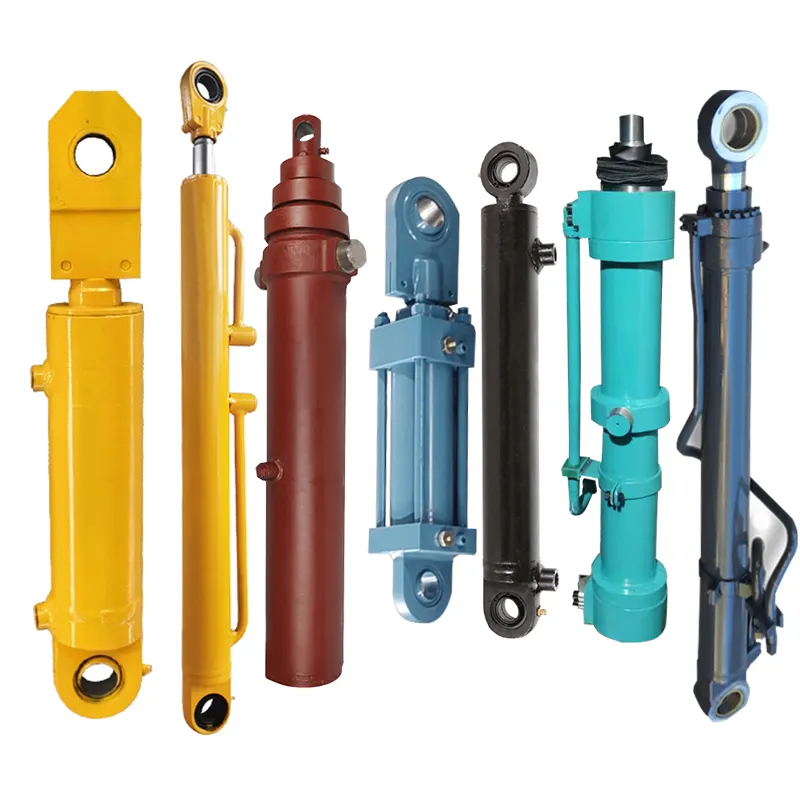
What are the key components of a lift cylinder?
A lift cylinder, also known as a hydraulic lift cylinder or hydraulic lifting cylinder, consists of several key components that work together to enable its functionality. Here’s an explanation of the key components of a lift cylinder:
1. Cylinder Barrel:
The cylinder barrel is a cylindrical hollow tube that forms the main body of the lift cylinder. It provides the housing for the other components and contains the hydraulic fluid, allowing it to flow in and out of the cylinder.
2. Piston:
The piston is a cylindrical component that separates the cylinder barrel into two chambers. It is typically made of metal and has a precise fit within the cylinder barrel. The piston’s movement within the cylinder barrel is crucial for generating the lifting force.
3. Rod:
The rod, also known as the piston rod or plunger rod, is attached to the piston and extends from the cylinder barrel. It serves as a connection point for the load or the mechanism being lifted. The rod transfers the lifting force generated by the piston to the load.
4. Seals:
Seals are essential components that prevent hydraulic fluid leakage and maintain the integrity of the hydraulic system. They are located between the cylinder barrel and the piston, as well as around the rod. Seals ensure that the hydraulic fluid remains contained within the cylinder and prevent external contaminants from entering the system.
5. Hydraulic Fluid:
Hydraulic fluid, such as oil or synthetic fluid, is the medium used to transmit force within the lift cylinder. It is stored within the cylinder barrel and flows in and out of the cylinder to generate the necessary pressure for lifting and lowering operations.
6. Control Valve:
A control valve is a crucial component that regulates the flow of hydraulic fluid into and out of the lift cylinder. It determines the direction and amount of fluid entering the cylinder, allowing for precise control of the lifting and lowering operations. The control valve is typically operated by the operator or controlled automatically in hydraulic systems.
These key components work together to enable the operation of the lift cylinder. When hydraulic fluid is supplied to the appropriate chamber of the cylinder, it applies pressure on the piston, causing it to move and extend or retract the rod. This movement generates the lifting or lowering force required for a specific application.


editor by CX 2024-03-24