Product Description
| Name | Easy Master Lift Gas Spring Cylinder for Wall Bed | ||||
| 1.100,000 times -passed fatigue test | |||||
| 2. SGS Cerifty | |||||
| 3.Passed ISO9001 International Quality System Certification | |||||
| Use | Automobile;Auto,car;Furniture;Tool Box;Machines,mechanical equipment; Boat,container,etc. | ||||
| Material | steel/ss304/ss316 | ||||
| Color | silver/black/others | ||||
| Connector | ball connector/metal eye/clevis and so on | ||||
| Advantage | 1.pass 180,000 times fatigue times | ||||
| 2.we can supply samples for free | |||||
| 3.Competitive price | |||||
| 4.Fast delivery time:1000 pcs 3 days | |||||
| The size can be made according the customer requirment | |||||
For you refer how to choose reasonable diameter as pressure
| Extended length | Stroke | DIA | Force |
| 100-300 | 30-100 | 12*4 | 5-100N |
| 300-600 | 100-200 | 15*6 | 10-300N |
| 600-900 | 200-300 | 18*8 | 50-600N |
| 900-1200 | 300-400 | 22*10 | 100-1200N |
| 1200-1600 | 400-500 | 25*12 | 100-1800N |
| 1600-2000 | 500-600 | 28*14 | 100-3000N |
| 2000-2500 | 600-700 | 28*16 | 100-3000N |
| 2500-3000 | 700-900 | 40*20 | 300-4000N |
| The size can be made according the customer requirment. | |||
Technical Requirements:
1.Our gas spring according to the standard of GB/T 25751-2571;GB/T 25750-2571 or produce by customers’ requirements.
2.Cylinder:20#, black paint on surface, smooth coating, no grinning, no aberration.
3.Piston rod:45#,the surface is treated by chemical deposition for Ni- P alloy,72h salt spray resistance
4.The gas spring have no block and abnormal sound during working.
Multiple Connectors,Switch and other accessory
Application
About Our Factory
Packing & Shipping
FAQ
1. Q1: What is our factory product range?
A1: Furniture Gas Spring; Office Chair Gas Lift; Supporting Gas Spring; Locking Gas Spring; Auto Gas Spring;
Any stop Gas Spring; Traction Gas Spring; Hydraulic Damper; Kitchen door buffer; End Fittings etc.
Q2: What’s your MOQ of this gas spring?
A2: 100pcs.Small quantity is available .
Q3: Is it all right to make customer’s own brand name?
A3: that’s all right. if customer required, we’ll make customer’s brand name. otherwise we make our own brand name.
Q4: How is the lead time of our order?
A4: For Sample3-7days , for Order the lead time is according to the quantity.
Q5: Can we visit your factory before we order from you ?
A5: Yes,welcome ! That is our pleasure to be visited.
.
Q6: Do you provide samples ? is it free or extra ?
A6: Yes, some product can offer the sample for free charge, and some product sample is not free, but do not pay the cost of freight.
/* March 10, 2571 17:59:20 */!function(){function s(e,r){var a,o={};try{e&&e.split(“,”).forEach(function(e,t){e&&(a=e.match(/(.*?):(.*)$/))&&1
| Material: | Steel |
|---|---|
| Usage: | Office chair, Medical Bed |
| Surface Treatment: | Chrome/Powder Coating |
| Control: | Manual |
| Stroke: | 10-900mm |
| Condition: | New |
| Samples: |
US$ 2/Piece
1 Piece(Min.Order) | |
|---|
| Customization: |
Available
|
|
|---|
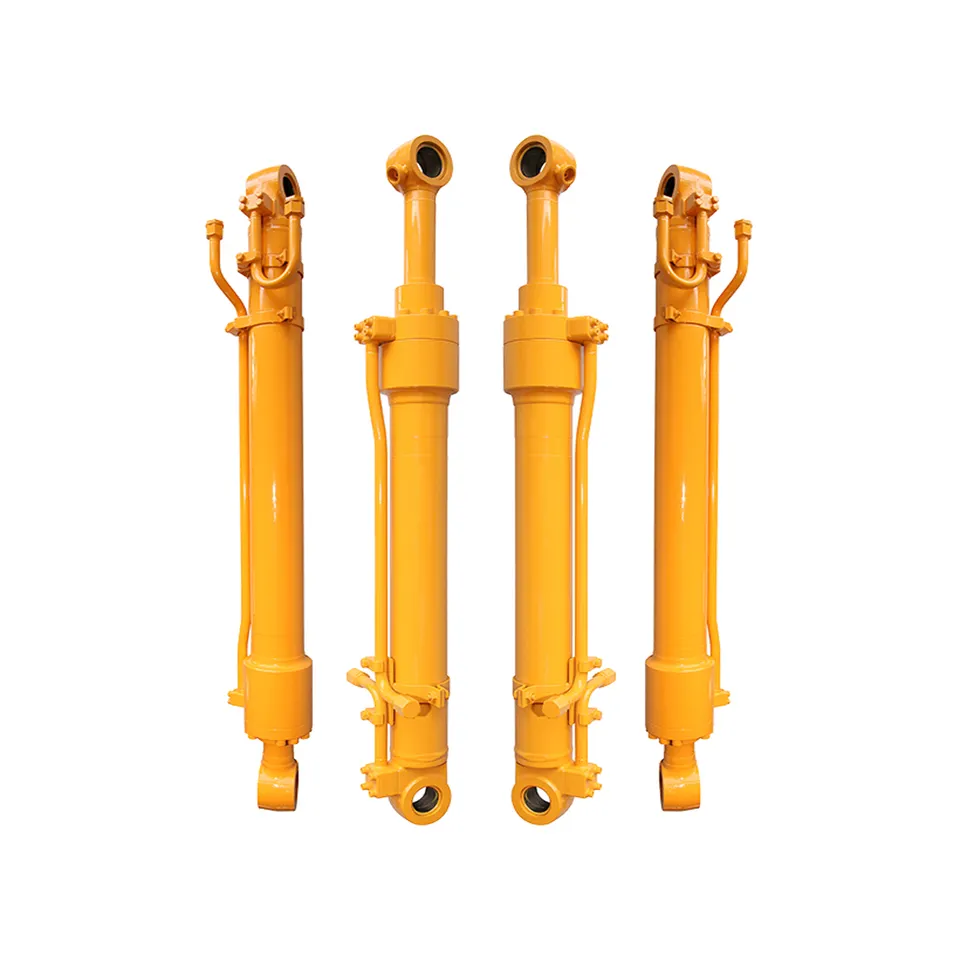
What are the advantages of using lift cylinders in material handling?
Using lift cylinders in material handling offers several advantages that enhance efficiency, productivity, and safety. Here are some key advantages of using lift cylinders:
1. Lifting Capacity:
Lift cylinders are designed to provide substantial lifting capacity. They can handle heavy loads and are available in various sizes and configurations to accommodate different weight requirements. This allows for efficient lifting and moving of materials, reducing the need for manual labor or multiple lifting mechanisms.
2. Precise Control:
Lift cylinders offer precise control over the lifting and lowering operations. By regulating the flow and pressure of hydraulic fluid, operators can achieve accurate positioning and controlled movements. This level of control ensures safe and precise material handling, preventing damage to the load and the surrounding environment.
3. Smooth and Stable Operation:
Lift cylinders provide smooth and stable operation during lifting and lowering processes. The hydraulic system minimizes jerking or sudden movements, ensuring a controlled and stable lifting experience. This stability is crucial when handling fragile or delicate materials that require careful maneuvering.
4. Flexibility:
Lift cylinders offer flexibility in terms of their application and adaptability to different material handling scenarios. They can be integrated into various types of equipment, such as forklifts, cranes, or material handling platforms. This versatility allows for efficient material handling across different industries and environments.
5. Space Efficiency:
Compared to other lifting mechanisms, lift cylinders are relatively compact, which makes them suitable for applications where space is limited. The vertical movement of the cylinder allows for efficient use of vertical space, optimizing storage capacity and workspace utilization.
6. Durability and Longevity:
Lift cylinders are built to withstand rigorous and demanding material handling operations. They are constructed with sturdy materials and designed to withstand heavy loads, repetitive motions, and harsh working conditions. Proper maintenance and care can ensure their longevity, providing reliable performance over an extended period.
7. Safety:
Lift cylinders prioritize safety during material handling operations. They incorporate safety features such as pressure relief valves, load holding devices, and fail-safe mechanisms to prevent accidents or uncontrolled movements. These safety features help protect operators, bystanders, and the materials being lifted.
8. Reduced Manual Labor:
Using lift cylinders in material handling reduces the reliance on manual labor for lifting heavy loads. This improves productivity, reduces the risk of injuries associated with manual lifting, and allows operators to focus on other essential tasks, enhancing overall operational efficiency.
In summary, the advantages of using lift cylinders in material handling include high lifting capacity, precise control, smooth and stable operation, flexibility in application, space efficiency, durability, safety features, and reduced reliance on manual labor. These advantages contribute to improved efficiency, productivity, and safety in material handling operations.
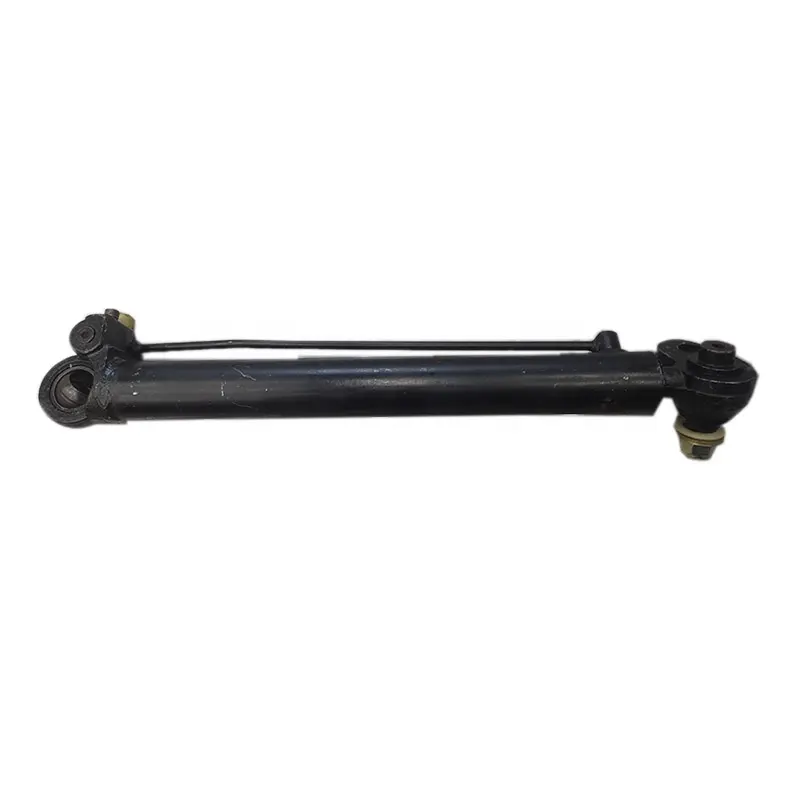
Can lift cylinders be used in agricultural machinery and equipment?
Yes, lift cylinders are commonly used in agricultural machinery and equipment. Here’s an explanation of their utilization in this context:
Agricultural machinery and equipment often require lifting capabilities to perform various tasks such as loading, lifting, and adjusting components. Lift cylinders provide the necessary force and control to accomplish these operations effectively.
1. Tractors and Loaders:
Lift cylinders are extensively used in agricultural tractors and loaders. These cylinders are typically integrated into the hydraulic systems of the equipment and are responsible for lifting and lowering front-end attachments, such as buckets, forks, or blades. By extending and retracting the lift cylinders, operators can control the height and position of the attachments, enabling efficient material handling, loading, and leveling tasks.
2. Harvesting and Threshing Equipment:
In harvesting and threshing equipment, lift cylinders are employed to adjust and control the height of components such as headers, cutter bars, or platforms. These cylinders enable operators to adapt to different crop heights and ground conditions, ensuring optimal harvesting performance. By utilizing lift cylinders, agricultural machinery can effectively navigate uneven terrain and maintain consistent cutting or harvesting heights.
3. Sprayers and Spreaders:
Lift cylinders are also utilized in agricultural sprayers and spreaders. These cylinders are responsible for raising and lowering the booms or spreading mechanisms. By adjusting the lift cylinders, operators can control the application height or spreading width, ensuring precise and uniform coverage of fertilizers, pesticides, or seeds.
4. Irrigation Systems:
In irrigation systems, lift cylinders are used to control the height and position of irrigation equipment such as sprinklers or pivots. These cylinders allow for efficient adjustment of the irrigation components to ensure optimal water distribution across agricultural fields.
5. Implements and Attachments:
Lift cylinders are widely employed in various agricultural implements and attachments, including plows, harrows, cultivators, and seed drills. These cylinders facilitate the lifting and lowering of the implements, allowing for depth adjustments, ground clearance, and transport modes. Lift cylinders enhance the versatility and functionality of agricultural equipment, enabling farmers to efficiently perform a wide range of field operations.
In summary, lift cylinders have significant applications in agricultural machinery and equipment. They contribute to the lifting, lowering, and positioning tasks required for efficient material handling, leveling, harvesting, spreading, and irrigation operations. By utilizing lift cylinders, agricultural equipment becomes more versatile, productive, and adaptable to the specific needs of farmers and agricultural practices.
Can you explain the role of hydraulic fluid in a lift cylinder?
Hydraulic fluid plays a crucial role in the operation of a lift cylinder. It serves as the medium through which force is transmitted to generate motion and provide lifting or lowering capabilities. Here’s an explanation of the role of hydraulic fluid in a lift cylinder:
1. Transmission of Force:
Hydraulic fluid acts as a medium for transmitting force within the lift cylinder. When pressurized, the hydraulic fluid applies force on the piston, which then transfers that force to the load through the rod. The force exerted by the hydraulic fluid is transmitted equally in all directions due to Pascal’s law, allowing for effective lifting or lowering of heavy loads.
2. Energy Transfer:
Hydraulic fluid is responsible for transferring energy within the hydraulic system. The hydraulic fluid is pressurized by a pump, which converts mechanical energy into hydraulic energy. This pressurized fluid carries the energy to the lift cylinder, where it is converted back into mechanical energy to perform the lifting or lowering action. The ability of hydraulic fluid to store and transmit energy efficiently makes it ideal for power transmission in hydraulic systems.
3. Lubrication and Cooling:
Hydraulic fluid serves as a lubricant within the lift cylinder to reduce friction and wear between moving parts, such as the piston and the cylinder barrel. This lubrication helps to enhance the longevity and smooth operation of the cylinder components. Additionally, the hydraulic fluid also aids in cooling the system by absorbing heat generated during operation, preventing overheating and ensuring optimal performance.
4. Sealing and Contamination Control:
Hydraulic fluid plays a critical role in sealing the lift cylinder and preventing leakage. It works in conjunction with seals located between the piston and cylinder barrel, as well as around the rod, to create a tight and secure hydraulic system. The hydraulic fluid also helps to control contamination by keeping external contaminants, such as dirt and debris, from entering the cylinder and affecting its performance.
5. System Efficiency:
The properties of hydraulic fluid, such as its viscosity and flow characteristics, directly impact the efficiency of the lift cylinder system. The choice of the appropriate hydraulic fluid ensures smooth and efficient operation, minimizing energy losses and maximizing system performance.
In summary, hydraulic fluid plays a vital role in a lift cylinder by transmitting force, transferring energy, lubricating and cooling the system, sealing against leaks, controlling contamination, and contributing to system efficiency. It enables the lift cylinder to generate the necessary force and motion to lift or lower heavy loads, while also ensuring the smooth and reliable operation of the hydraulic system.


editor by CX 2024-02-24