Product Description
Quick Details
| Payment Term: | Western Union / T T |
| Warranty: | 3 Months |
| Place of Origin: | China |
| Size: | Standard Size |
| Color: | Original Color |
| Truck Model: | Howo |
| Material: | Steel |
| Model Number: | Sinotruk HOWO |
| MOQ: | 1 Pieces |
| Brand Name: | Xihu (West Lake) Dis. |
| Type: | dump truck lift hydraulic cylinder |
| OEM No.: | WG9719820002 |
| Product name: | dump truck lift hydraulic cylinder |
| Quality: | High Level |
| Package: | Standrad Package |
| Weight(kg): | 3.2 kg |
| Application: | Shacman / Heavy Truck |
| Packaging Detail: | 1.Natural Packing /brand packing 2.wooden case 3.customized packaging 4.high cube container |
| Selling Units: | Single item |
| Single package size: | 10X10X35 cm |
| Single gross weight: | 5.0 KG |
|
Suitable truck |
sinotruk, shacman, CHINAMFG etc |
||
|
Estimated weight |
5 KG |
Part number |
WG9719820002 |
|
MOQ |
1 pcs |
Part name |
lifting pump |
|
Delivery time |
within 10 workdays |
Package |
carton or wooden case packagin |
|
Shipping method |
LCL, FCL and Bulk cargo |
Port |
HangZhou |
What can we supply?
1.Sinotruk/Weichai engine parts
Crankshaft, connecting rod, cylinder block, cylinder head, piston,flywheel, cylinder liner,piston ,piston rings, piston pin,connecting rod,bearing, crankshaft bearing ,intake&exhaust valve, valvesprings,camshaft, tappets, camshafts bearing, fuel tank, fuel pump, fuel filter,air filter, oil filter, battery,alternator, starter, starter motor, ignition coil,water pump, radiator, fan couplings, fan, thermostat, oil pump,pressure limiting valve ..
2.Sinotruk/FAST Gearbox Parts
Primary shaft, 2nd shaft, intermediate shaft, 2 / 3 associated gear,2nd speed gear(1/2/3/4/5) , reverse gear ,intermediate shaft(1/2/3/4/5),synchronize assembly, synchronizer slider,gearbox ,gearbox shell, gearbox cover, gearbox middle cover, shift fork assembly, PTO…
3.Chassis parts/Cabin spare parts
Clutch cover, clutch disk , wheel hub, brake drum, brake pads ,Brake shoes, lock, wiring harness, drive shaft, front axle, steering knuckle,steering arm, universal joints, rear axle , main reducer,differential,axle, planetary gears, sun gear, pinion and bevel gear, spring, shock absorbers, stabilizer bars,steering pole, straight rod, rod joint, wheel reducer, through axle, rear shell … ..
WHY CHOOSE US:
1.we have 14 years experience in the business of auto spare parts
2.good quality,reasonable lower price
3.fast delivery
4.with 24 hours online technical support
5.Sample will be offered before the trial order
Note: There are also kinds of products used for heavy truck for you to choose, if any need or interest, welcome to send us your detailed inquiry list.
Certifications
FAQ
Q1. What is your terms of packing?
A: Generally, we pack our goods in neutral boxes and brown cartons. If you have legally registered patent,
we can pack the goods in your branded boxes after getting your authorization letters.
Q2. What is your terms of payment?
A: T/T 30% as deposit, and 70% before delivery. We’ll show you the photos of the products and packages
before you pay the balance.
Q3. What is your terms of delivery?
A: EXW, FOB, CFR, CIF, DDU.
Q4. How about your delivery time?
A: Generally, it will take 15 to 30 days after receiving your advance payment. The specific delivery time depends
on the items and the quantity of your order.
Q5. Can you produce according to the samples?
A: Yes, we can produce by your samples or technical drawings. We can build the molds and fixtures.
Q6. Do you test all your goods before delivery?
A: Yes, we have 100% test before delivery
Q7: How do you make our business long-term and good relationship?
A:1. We keep good quality and competitive price to ensure our customers benefit ;
2. We respect every customer as our friend and we sincerely do business and make friends with them,
no matter where they come from.
| After-sales Service: | 3 Month, 24 H Service |
|---|---|
| Warranty: | 3 Month |
| Type: | Auto Bumper, Carrosserie |
| Certification: | ISO9001 |
| Driving System Parts: | Suspension |
| Electrical System Parts: | Starting System |
| Samples: |
US$ 26/Piece
1 Piece(Min.Order) | |
|---|
| Customization: |
Available
|
|
|---|
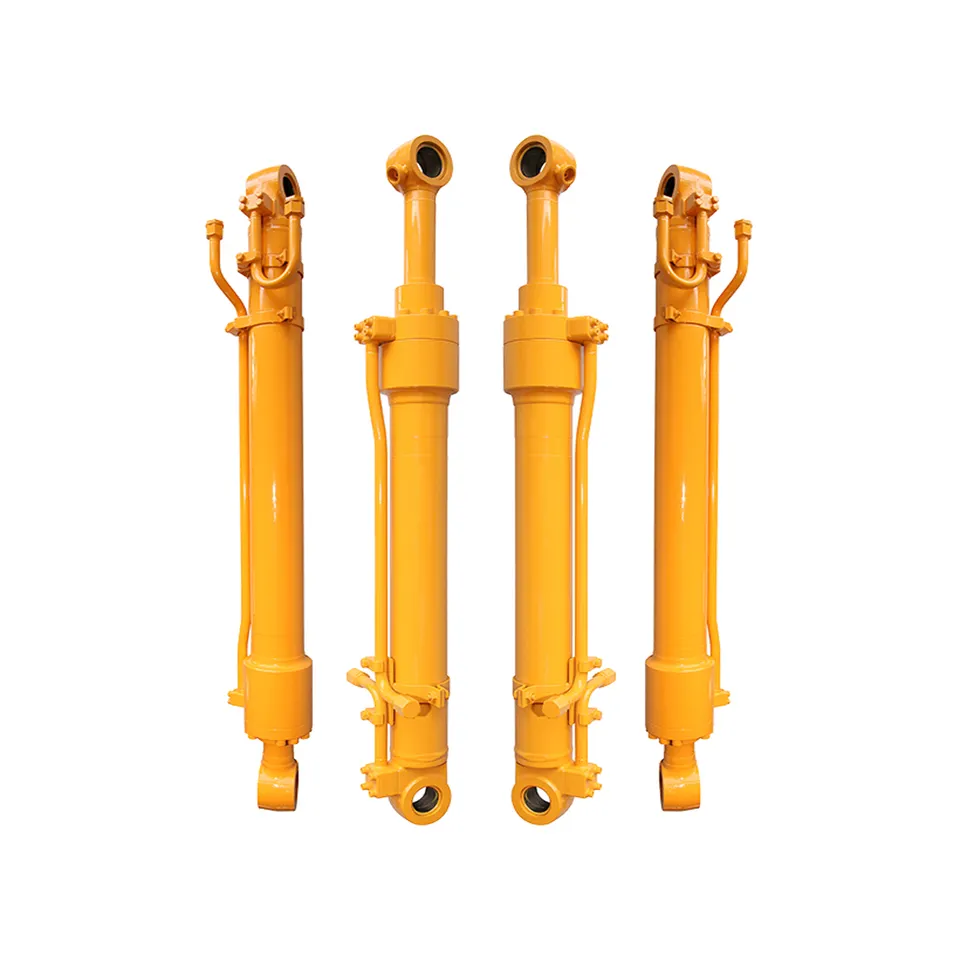
What are the advantages of using lift cylinders in material handling?
Using lift cylinders in material handling offers several advantages that enhance efficiency, productivity, and safety. Here are some key advantages of using lift cylinders:
1. Lifting Capacity:
Lift cylinders are designed to provide substantial lifting capacity. They can handle heavy loads and are available in various sizes and configurations to accommodate different weight requirements. This allows for efficient lifting and moving of materials, reducing the need for manual labor or multiple lifting mechanisms.
2. Precise Control:
Lift cylinders offer precise control over the lifting and lowering operations. By regulating the flow and pressure of hydraulic fluid, operators can achieve accurate positioning and controlled movements. This level of control ensures safe and precise material handling, preventing damage to the load and the surrounding environment.
3. Smooth and Stable Operation:
Lift cylinders provide smooth and stable operation during lifting and lowering processes. The hydraulic system minimizes jerking or sudden movements, ensuring a controlled and stable lifting experience. This stability is crucial when handling fragile or delicate materials that require careful maneuvering.
4. Flexibility:
Lift cylinders offer flexibility in terms of their application and adaptability to different material handling scenarios. They can be integrated into various types of equipment, such as forklifts, cranes, or material handling platforms. This versatility allows for efficient material handling across different industries and environments.
5. Space Efficiency:
Compared to other lifting mechanisms, lift cylinders are relatively compact, which makes them suitable for applications where space is limited. The vertical movement of the cylinder allows for efficient use of vertical space, optimizing storage capacity and workspace utilization.
6. Durability and Longevity:
Lift cylinders are built to withstand rigorous and demanding material handling operations. They are constructed with sturdy materials and designed to withstand heavy loads, repetitive motions, and harsh working conditions. Proper maintenance and care can ensure their longevity, providing reliable performance over an extended period.
7. Safety:
Lift cylinders prioritize safety during material handling operations. They incorporate safety features such as pressure relief valves, load holding devices, and fail-safe mechanisms to prevent accidents or uncontrolled movements. These safety features help protect operators, bystanders, and the materials being lifted.
8. Reduced Manual Labor:
Using lift cylinders in material handling reduces the reliance on manual labor for lifting heavy loads. This improves productivity, reduces the risk of injuries associated with manual lifting, and allows operators to focus on other essential tasks, enhancing overall operational efficiency.
In summary, the advantages of using lift cylinders in material handling include high lifting capacity, precise control, smooth and stable operation, flexibility in application, space efficiency, durability, safety features, and reduced reliance on manual labor. These advantages contribute to improved efficiency, productivity, and safety in material handling operations.
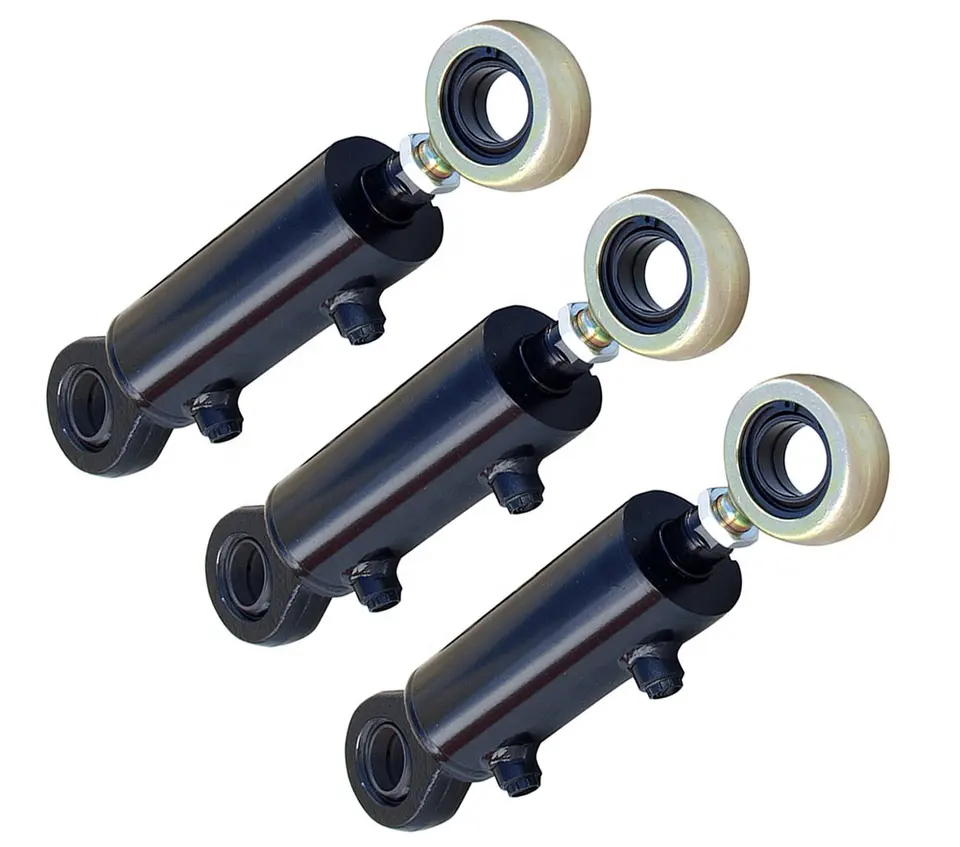
Can lift cylinders be used in construction equipment like cranes?
Yes, lift cylinders are commonly used in construction equipment, including cranes. Here’s an explanation of their utilization in this context:
Lift cylinders play a crucial role in the lifting and positioning operations of construction equipment, providing the necessary force and control to handle heavy loads and perform various construction tasks.
1. Mobile Cranes:
Lift cylinders are integral components of mobile cranes, such as hydraulic truck cranes and rough terrain cranes. These cylinders are typically employed in the boom and jib systems of the crane. By extending or retracting the lift cylinders, the crane can raise or lower the boom or jib, allowing for vertical lifting and horizontal reach. Lift cylinders enable precise control over the crane’s lifting capacity, height, and reach, making them essential for safe and efficient construction operations.
2. Tower Cranes:
In tower cranes, lift cylinders are used to control the movement of the crane’s jib and counter-jib. These cylinders facilitate the horizontal slewing of the jib, allowing the crane to cover a wide range of working areas. By adjusting the lift cylinders, the crane operator can position the load at specific locations on the construction site, contributing to accurate and controlled material handling.
3. Crawler Cranes:
Crawler cranes, which are equipped with tracks for mobility, also utilize lift cylinders in their lifting systems. These cylinders enable the crane to raise and lower the boom, adjust the angle of the boom, and control the movement of the load. Lift cylinders in crawler cranes provide the necessary stability and lifting capacity to handle heavy loads in various construction scenarios.
4. Excavators and Backhoes:
Lift cylinders are commonly found in excavators and backhoes used in construction projects. These cylinders are employed to control the movement of the boom, stick, and bucket attachments. By extending or retracting the lift cylinders, operators can perform digging, lifting, and material handling tasks, enhancing the versatility and productivity of the equipment.
5. Other Construction Equipment:
Lift cylinders are also utilized in a wide range of other construction equipment, including concrete pumps, aerial work platforms, telescopic handlers, and articulated dump trucks. These cylinders provide the lifting and positioning capabilities required to perform specific construction tasks, such as concrete pouring, elevated work, material placement, and load handling.
In summary, lift cylinders are extensively used in construction equipment like cranes to enable safe and efficient lifting and positioning operations. Whether in mobile cranes, tower cranes, crawler cranes, excavators, or other construction machinery, lift cylinders contribute to the control, stability, and versatility of the equipment, enhancing productivity and ensuring the successful execution of construction projects.
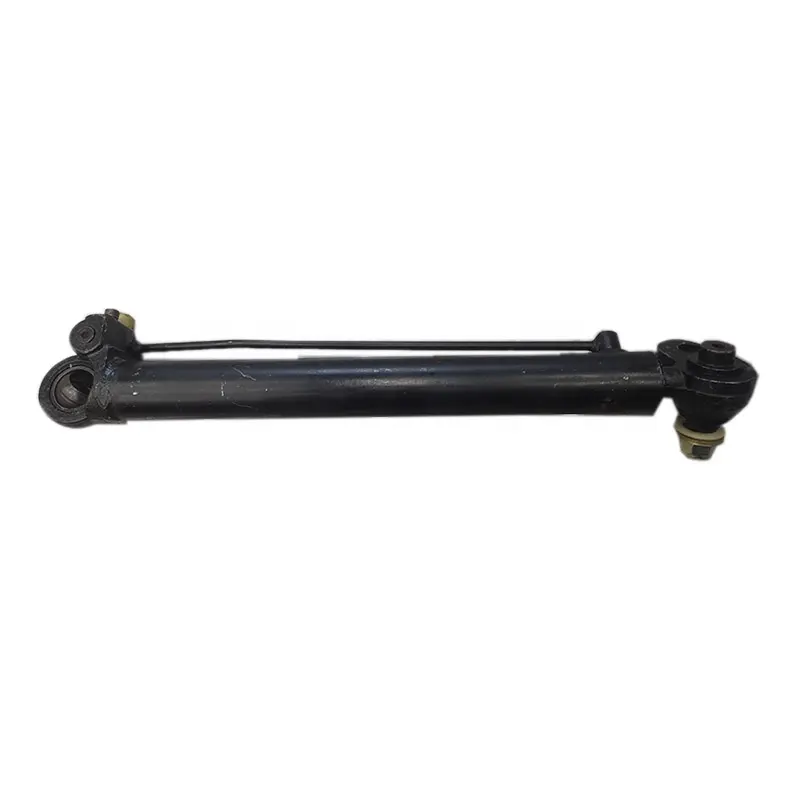
How does a lift cylinder handle variations in load weight and pressure?
A lift cylinder is designed to handle variations in load weight and pressure to ensure efficient and safe operation. Here’s an explanation of how a lift cylinder handles these variations:
1. Design Considerations:
Lift cylinders are designed with specific load capacities and pressure ratings in mind. The components, such as the cylinder barrel, piston, and seals, are selected and sized accordingly to handle the anticipated loads and pressures. The design factors in safety margins to accommodate variations in load weight and pressure within the specified operational limits.
2. Hydraulic System:
The hydraulic system that powers the lift cylinder plays a crucial role in handling variations in load weight and pressure. The system includes components such as pumps, valves, and control systems that regulate the flow and pressure of hydraulic fluid. By adjusting the system parameters, such as the pump output or valve settings, the hydraulic system can adapt to different load weights and pressure requirements.
3. Pressure Regulation:
Lift cylinders often incorporate pressure regulation mechanisms to handle variations in load weight and pressure. Pressure relief valves or pressure control valves are commonly used to maintain the desired pressure level within the cylinder. These valves ensure that the pressure does not exceed the specified limits, protecting the cylinder and other components from potential damage.
4. Balanced Design:
Lift cylinders are designed to achieve a balanced configuration that minimizes the impact of load weight variations. The placement of the piston and rod within the cylinder barrel is carefully engineered to distribute the load evenly and maintain stability. This balanced design helps to mitigate the effects of load weight changes on the cylinder’s performance and ensures smooth operation.
5. Control and Monitoring:
Advanced lift cylinder systems may incorporate control and monitoring features to handle variations in load weight and pressure more effectively. Sensors and feedback mechanisms can provide real-time data on load weight and cylinder performance, allowing the system to make adjustments as needed. This enhances the overall control and stability of the lift cylinder in response to changing conditions.
In summary, a lift cylinder handles variations in load weight and pressure through careful design considerations, hydraulic system adjustments, pressure regulation mechanisms, balanced configurations, and control and monitoring features. These aspects work together to ensure that the lift cylinder operates safely and efficiently, accommodating different load requirements while maintaining optimal performance.


editor by CX 2023-10-22