
Product Description
Why Choose us :
Product Description :
| Model Description / Details: | ||||||
| Model No. | GC | |||||
| Material | Iron | |||||
| Color | Black , Chromed | |||||
| Features | Big & Tall Office Chair Gas Cylinder Shock Lift Pneumatic
1. Gaslift for chair 2. Stroke 65~260mm 3. Black , chromed for option 4. BIFMA standard |
|||||
| Custom Made | Custom made available, professional OEM ODM factory | |||||
| Warranty | 3 Years | |||||
| Delivery Time | 25-35 days after receive 30% deposit | |||||
| Loding Port | HangZhou /HangZhou | |||||
| Payment Terms | T/T with 30% deposit , 70% balance before delivery | |||||
| MOQ | 10PCS | |||||
| Package | K/D package,Standard 5 layer paper cartons. | |||||
| Product Size / Packing Size: | ||||||
| Width | × | Depth | × | Height | ||
| Product Size | cm | |||||
| Package Size | 50.5 | 30 | 10.5 | cm | ||
| G.W/KGS | kgs | |||||
| N.W/KGS | kgs | |||||
| CTN/ Volume | 0.016 | m3 | Qty for 20’GP | PCS | ||
| Qty for 40’HQ | PCS | |||||
Product Pictures :
Big & Tall Office Chair Gas Cylinder Shock Lift Pneumatic
Packing Details :
Big & Tall Office Chair Gas Cylinder Shock Lift Pneumatic
5 Layer standard export carton packing
1. All the components are packed with PE Bag
2. Mechanism and gaslift are extra packed with small carton box
3. put extra paperboard to protect the cargos
4. Non-woven fabric to protect the frame
5. Outer packing with 5 layer standard export paper carton
Company Profile :
MAC is a professional ISO 9001 certified manufacturer of all kinds of office chairs and chair components. 10000 m2 workshop, 8 years experience, 3 years warranty, professional R&D team, ISO & SGS certificated, and pass the ANSI / BIFMA Test.
Contact Us :
MAC CHAIRS AND COMPONENTS CO., LTD.
Address: No.2nd, Xihu (West Lake) Dis. Road, Chongkou Industrial Zone,
Xihu (West Lake) Dis. Town, Xihu (West Lake) Dis., HangZhou, ZheJiang , China
/* January 22, 2571 19:08:37 */!function(){function s(e,r){var a,o={};try{e&&e.split(“,”).forEach(function(e,t){e&&(a=e.match(/(.*?):(.*)$/))&&1
| Usage: | Chair |
|---|---|
| Condition: | New |
| Function: | Height Adjustment |
| Transport Package: | by Sea / Air |
| Specification: | 65-260mm |
| Trademark: | MAC |
| Samples: |
US$ 2.05/Piece
1 Piece(Min.Order) | |
|---|
| Customization: |
Available
|
|
|---|
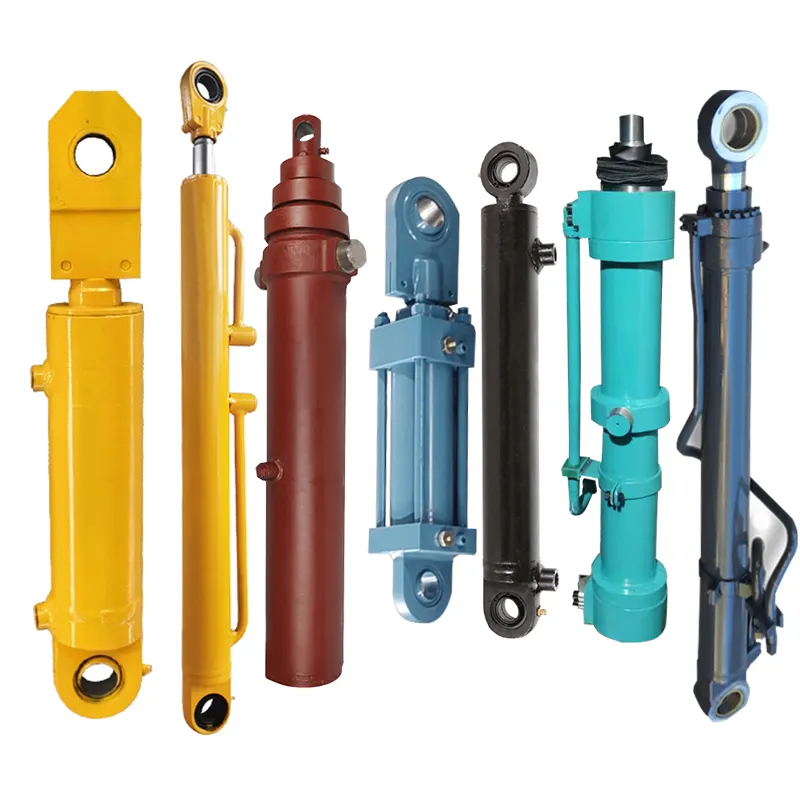
How does a lift cylinder handle variations in cylinder size and capacity?
A lift cylinder is designed to handle variations in cylinder size and capacity to accommodate different lifting requirements. Here’s an explanation of how lift cylinders handle these variations:
1. Size and Dimensions:
Lift cylinders come in various sizes and dimensions to suit different applications. The cylinder size refers to its overall dimensions, such as the diameter and length of the cylinder body. Lift cylinders can be manufactured in a range of sizes, allowing for flexibility in selecting the appropriate cylinder size based on the specific lifting needs. Larger cylinders are capable of generating greater lifting force, while smaller cylinders are more compact and suitable for applications with limited space.
2. Capacity and Load Rating:
The capacity of a lift cylinder refers to the maximum load it can lift safely. Lift cylinders are rated for specific load capacities, and it is important to select a cylinder with a suitable capacity for the intended lifting task. Lift cylinders with higher load ratings are designed to handle heavier loads, while cylinders with lower load ratings are suitable for lighter loads. The capacity of the lift cylinder is determined by factors such as its construction, materials, and structural integrity.
3. Hydraulic Pressure:
The hydraulic pressure applied to the lift cylinder affects its lifting capacity and force generation. By adjusting the hydraulic pressure within the system, operators can control the lifting capability of the cylinder. Higher hydraulic pressure results in increased lifting force, allowing the cylinder to handle larger loads. Conversely, lower hydraulic pressure reduces the lifting capacity of the cylinder, making it suitable for lighter loads. The hydraulic pressure can be regulated using control valves or pressure relief valves within the hydraulic system.
4. Application-specific Design:
Lift cylinders are designed to meet the requirements of specific applications. Manufacturers take into consideration factors such as load characteristics, operating conditions, and safety considerations when designing lift cylinders. This ensures that the cylinder size and capacity are matched to the demands of the application, allowing for efficient and safe lifting operations.
5. Customization Options:
In some cases, lift cylinders can be customized to fit specific size or capacity requirements. Manufacturers may offer customization options such as special sizes, load capacity modifications, or additional features to meet unique application needs. Customization allows for a tailored solution that optimizes the performance and efficiency of the lift cylinder in a particular setting.
In summary, lift cylinders handle variations in cylinder size and capacity by offering a range of sizes and load ratings. The hydraulic pressure can be adjusted to match the lifting requirements, and lift cylinders can be customized for specific applications. With their versatility and adaptability, lift cylinders provide efficient and reliable lifting capabilities across a wide range of industries and lifting tasks.
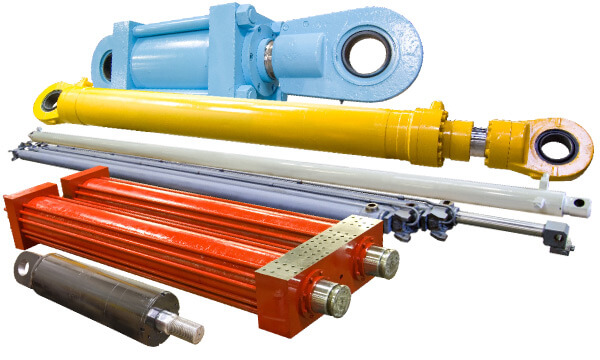
Can Lift Cylinders Be Used in Waste and Recycling Equipment?
Yes, lift cylinders are commonly used in waste and recycling equipment to facilitate various operations involved in waste management and recycling processes. These cylinders play a crucial role in lifting, compacting, and handling waste materials efficiently and effectively. Here’s a detailed explanation of how lift cylinders can be used in waste and recycling equipment:
- Lifting and Dumping:
- Compacting:
- Container Handling:
- Baling:
- Sorting and Separation:
- Feeding and Conveying:
Waste and recycling equipment often require the lifting and dumping of containers or bins to empty their contents into larger collection vehicles or processing systems. Lift cylinders are utilized in this process to provide the necessary lifting force and controlled movement. The cylinders are typically integrated into lifting mechanisms, such as automated arms or hydraulic lifts, which securely grip and elevate the containers. The lift cylinders ensure smooth and controlled lifting, allowing the containers to be safely emptied into the desired location.
In waste management, compacting waste materials is essential to optimize space utilization and reduce the frequency of waste collection. Lift cylinders are commonly employed in compactors, including stationary compactors, vertical compactors, and roll-off compactors. These cylinders apply force to compress the waste, reducing its volume and making it more manageable for storage or transportation. The lift cylinders enable the compactor’s compaction plate or ram to exert the necessary pressure, ensuring efficient waste compaction.
Waste and recycling equipment often involve the handling and movement of various containers, such as bins, dumpsters, or roll-off containers. Lift cylinders are used in container handling systems to lift, tilt, or slide these containers for emptying or transportation purposes. The cylinders provide the required lifting force and controlled motion, allowing operators to manipulate the containers with ease. Lift cylinders ensure secure and precise container handling, facilitating the efficient transfer of waste materials from one location to another.
Baling is a common process in recycling facilities where waste materials, such as cardboard, paper, plastics, or metal, are compacted into tightly bound bales for easier storage and transportation. Lift cylinders are integral components of balers, enabling the compression and shaping of the waste materials into bales. The cylinders exert force on the baler ram, which presses the waste materials together, forming tightly compressed bales. Lift cylinders ensure the necessary force and control for effective baling operations in recycling facilities.
In recycling processes, waste materials often need to be sorted and separated based on their type or composition. Lift cylinders can be utilized in sorting and separation equipment to manipulate or lift specific waste items or components. For example, lift cylinders can be employed in conveyor systems or picking stations to raise or tilt materials, facilitating manual or automated sorting. The cylinders enable precise and controlled movements, enhancing the efficiency and accuracy of waste material separation.
Waste and recycling equipment may involve feeding waste materials into processing systems or conveying them between different stages of the recycling process. Lift cylinders can be used to facilitate the feeding and conveying operations by controlling the movement of hoppers, chutes, or conveyor belts. The cylinders provide the necessary force and adjustability to regulate the material flow, ensuring a consistent and controlled feeding or conveying process.
Lift cylinders are versatile components that find wide application in waste and recycling equipment. Whether it’s for lifting and dumping containers, compacting waste, handling containers, baling materials, sorting and separation tasks, or facilitating feeding and conveying operations, lift cylinders contribute to the efficient and effective management of waste materials and recycling processes.
What are the key components of a lift cylinder?
A lift cylinder, also known as a hydraulic lift cylinder or hydraulic lifting cylinder, consists of several key components that work together to enable its functionality. Here’s an explanation of the key components of a lift cylinder:
1. Cylinder Barrel:
The cylinder barrel is a cylindrical hollow tube that forms the main body of the lift cylinder. It provides the housing for the other components and contains the hydraulic fluid, allowing it to flow in and out of the cylinder.
2. Piston:
The piston is a cylindrical component that separates the cylinder barrel into two chambers. It is typically made of metal and has a precise fit within the cylinder barrel. The piston’s movement within the cylinder barrel is crucial for generating the lifting force.
3. Rod:
The rod, also known as the piston rod or plunger rod, is attached to the piston and extends from the cylinder barrel. It serves as a connection point for the load or the mechanism being lifted. The rod transfers the lifting force generated by the piston to the load.
4. Seals:
Seals are essential components that prevent hydraulic fluid leakage and maintain the integrity of the hydraulic system. They are located between the cylinder barrel and the piston, as well as around the rod. Seals ensure that the hydraulic fluid remains contained within the cylinder and prevent external contaminants from entering the system.
5. Hydraulic Fluid:
Hydraulic fluid, such as oil or synthetic fluid, is the medium used to transmit force within the lift cylinder. It is stored within the cylinder barrel and flows in and out of the cylinder to generate the necessary pressure for lifting and lowering operations.
6. Control Valve:
A control valve is a crucial component that regulates the flow of hydraulic fluid into and out of the lift cylinder. It determines the direction and amount of fluid entering the cylinder, allowing for precise control of the lifting and lowering operations. The control valve is typically operated by the operator or controlled automatically in hydraulic systems.
These key components work together to enable the operation of the lift cylinder. When hydraulic fluid is supplied to the appropriate chamber of the cylinder, it applies pressure on the piston, causing it to move and extend or retract the rod. This movement generates the lifting or lowering force required for a specific application.


editor by CX 2024-03-05














