
Product Description
1 YEAR WARRANTY AND EXCELLENT SERVICE
24 HOURS OF SMOOTHLY COMMUNICATION
Products Description
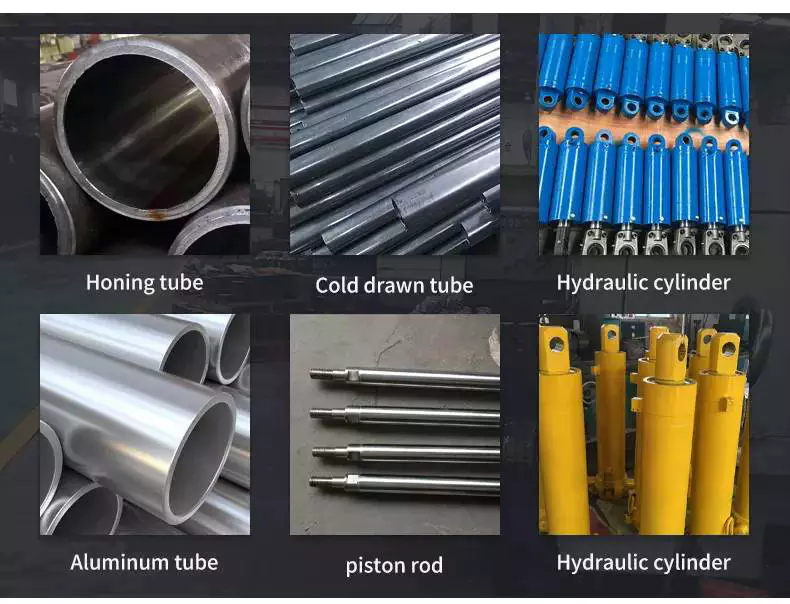
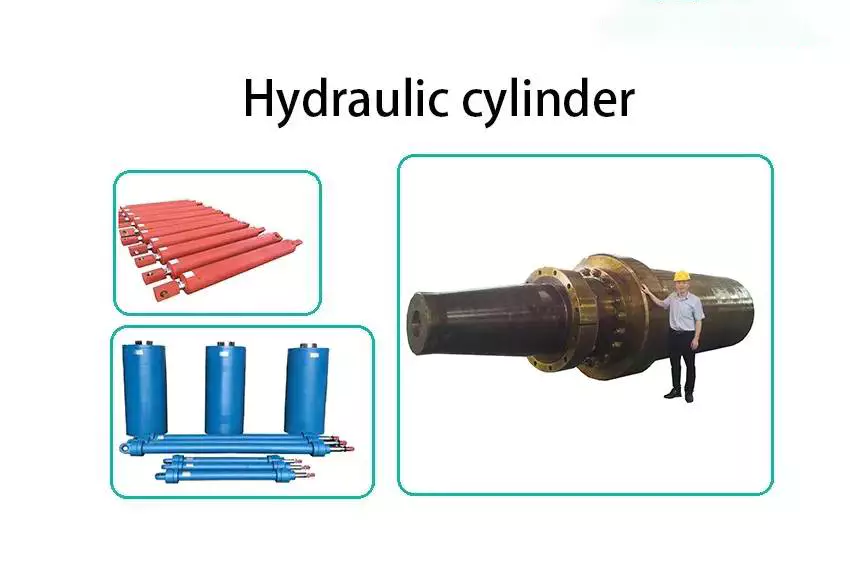
Factory customized hydraulic cylinder, cylinder head, piston, and hydraulic cylinder rod.
cylinder features :
Made of high-quality materials, advanced production technology, with high durability. Using Japan NOK reflected the
seal and the company’s unique sealing system design, can get the best sealing oil film and sealing performance. With
advanced production equipment and technology, makes the piston rod, cylinder, cylinder head, piston, and other
main components have good surface roughness and super performance, etc
|
Custom Hydraulic Cylinder / Pneumatic Cylinder |
|
|
Application |
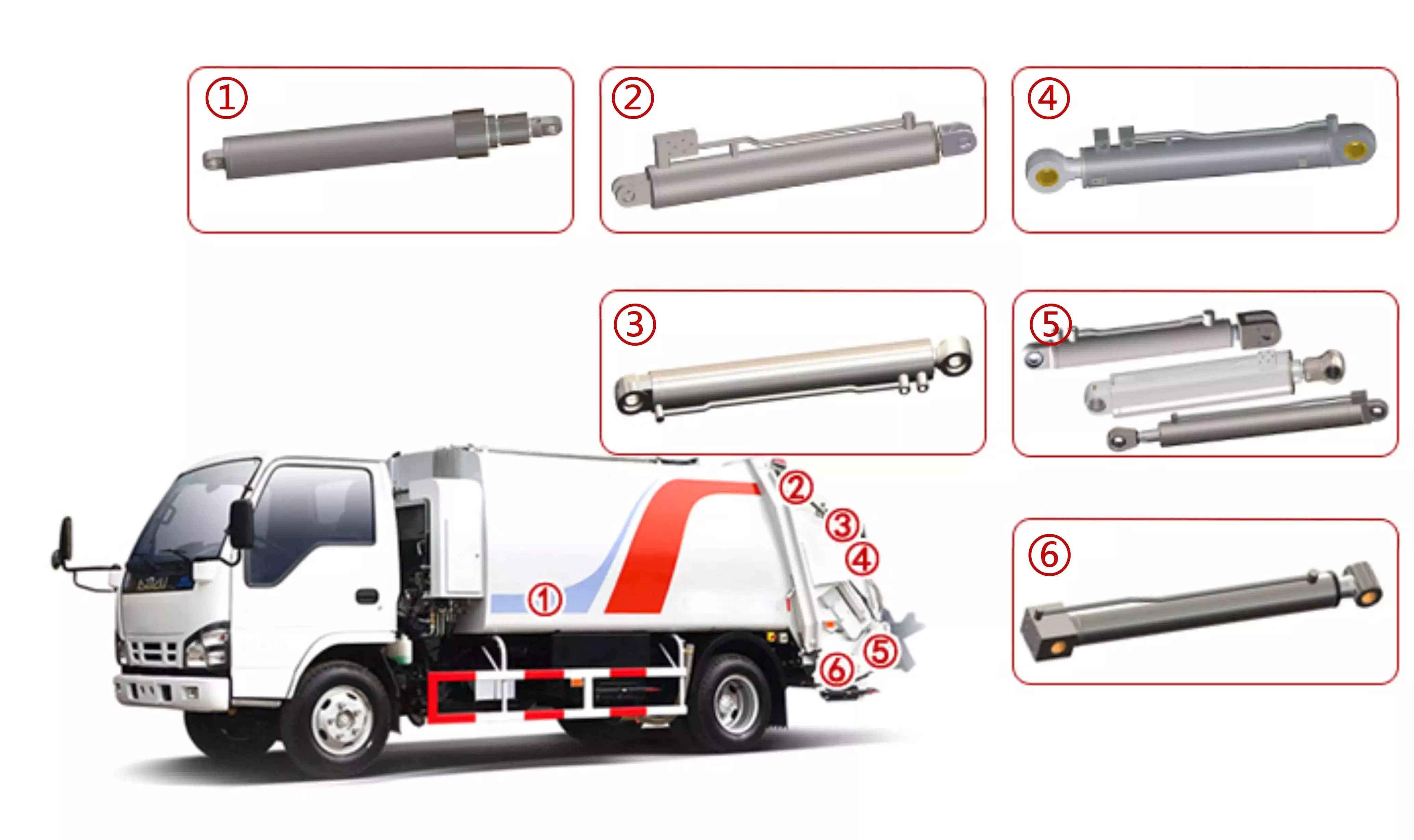
Construction Equipment, Engineering machinery, mine, shipping, metallurgy, water conservancy, offshore, agriculture, etc. |
|
Stroke |
20mm to 16000mm,Customizable |
|
Bore |
40mm to 1500mm,Customizable |
|
Shaft |
12mm to 1000mm,Customizable |
|
Work pressure |
16Mpa to 70Mpa (2250 CHINAMFG – 10150 PSI) |
|
Seal |
Parker, Merkel, NOK, Hallite,etc. |
|
Paint |
Red, Grey, Yellow, Black, etc. |
|
Material |
St52, CK45, 4140, Duplex2205, Stainless Steel 304/316, etc. |
|
Certificate |
ISO9001,CE, ABS, Lloyds, SGS, etc. |
|
Package |
Bubble-wrap packing, then in wooden case. |
|
Color |
choose the color according to customer requirement |
|
Model |
Double Acting or Single Acting |
|
Cylinder body material |
ST52, CK45, 4140, Duplex 2205, Stainless Steel 304/316, etc. |
|
Structure |
Piston Type, Plunger Type, Telescopic Type |
|
Tips: |
|
Details Images
Application
Company Profile
Product packaging
Certifications
FAQ
Q: Are you a trading company or a manufacturer?
A: We are a factory with more than 20 years’ experience.
Q: How long for delivery?
A: Generally it is 15-30days as we are a customized service we confirm with the customer when place an order.
Q: What is the MOQ?
A: It depends on what you are buying. Normally, our minimum order is 1 20′ full container and LCL container (less than a
container load) can be acceptable.
Q: Can you customize my products?
A: Yes, we can customized products with your design drawings like DWG, DXF, DXW, IGES, STEP, PDF etc.
Q: What is your terms of payment?
A: 30% T/T in advance, balance before shipment, or as per discussion.
Q: What about your quality control?
A: * . Checking the raw material after they reach our factory—–Incoming quality control(IQC)
* . Checking the details before the production line operated
* . Have full inspection and routing inspection during mass production—-In-process quality control(IPQC)
* . Checking the goods after they are finished—-Final quality control(FQC)
* . Checking the goods after they are finished—-Outgoing quality control(QC)
* . 100% inspection and delivery before shipment
| Certification: | GS, RoHS, CE, ISO9001 |
|---|---|
| Pressure: | Medium Pressure |
| Work Temperature: | Normal Temperature |
| Acting Way: | Single Acting |
| Working Method: | Straight Trip |
| Adjusted Form: | Regulated Type |
| Customization: |
Available
|
|
|---|
Can hydraulic cylinders be integrated with advanced control systems and automation?
Yes, hydraulic cylinders can be integrated with advanced control systems and automation technologies to enhance their functionality, precision, and overall performance. The integration of hydraulic cylinders with advanced control systems allows for more sophisticated and precise control over their operation, enabling automation and intelligent control. Here’s a detailed explanation of how hydraulic cylinders can be integrated with advanced control systems and automation:
1. Electronic Control:
– Hydraulic cylinders can be equipped with electronic sensors and transducers to provide real-time feedback on their position, force, pressure, or velocity. These sensors can be integrated with advanced control systems, such as programmable logic controllers (PLCs) or distributed control systems (DCS), to monitor and control the operation of hydraulic cylinders. By integrating electronic control, the position, speed, and force of hydraulic cylinders can be precisely monitored and adjusted, allowing for more accurate and automated control.
2. Closed-Loop Control:
– Closed-loop control systems use feedback from sensors to continuously monitor and adjust the operation of hydraulic cylinders. By integrating hydraulic cylinders with closed-loop control systems, precise control over position, velocity, and force can be achieved. Closed-loop control enables the system to automatically compensate for variations, external disturbances, or changes in operating conditions, ensuring accurate and consistent performance. This integration is particularly beneficial in applications that require precise positioning, synchronization, or force control.
3. Proportional and Servo Control:
– Hydraulic cylinders can be integrated with proportional and servo control systems to achieve finer control over their operation. Proportional control systems use proportional valves to regulate the flow and pressure of hydraulic fluid, allowing for precise adjustment of cylinder speed and force. Servo control systems, on the other hand, combine feedback sensors, high-performance valves, and advanced control algorithms to achieve extremely precise control over hydraulic cylinders. Proportional and servo control integration enhances the responsiveness, accuracy, and dynamic performance of hydraulic cylinders.
4. Human-Machine Interface (HMI):
– Hydraulic cylinders integrated with advanced control systems can be operated and monitored through human-machine interface (HMI) devices. HMIs provide a graphical user interface that allows operators to interact with the control system, monitor cylinder performance, and adjust parameters. HMIs enable operators to set desired positions, forces, or velocities, and visualize the real-time feedback from sensors. This integration simplifies the operation and monitoring of hydraulic cylinders, making them more user-friendly and facilitating seamless integration into automated systems.
5. Communication and Networking:
– Hydraulic cylinders can be integrated into communication and networking systems, enabling them to be part of a larger automated system. Integration with industrial communication protocols, such as Ethernet/IP, Profibus, or Modbus, allows for seamless information exchange between the hydraulic cylinders and other system components. This integration enables centralized control, data logging, remote monitoring, and coordination with other automated processes. Communication and networking integration enhance the overall efficiency, coordination, and integration of hydraulic cylinders within complex automation systems.
6. Automation and Sequential Control:
– By integrating hydraulic cylinders with advanced control systems, they can be seamlessly incorporated into automated processes and sequential control operations. The control system can execute predefined sequences or programmed logic to control the operation of hydraulic cylinders based on specific conditions, inputs, or timing. This integration enables the automation of complex tasks, such as material handling, assembly operations, or repetitive motions. Hydraulic cylinders can be synchronized with other actuators, sensors, or devices, allowing for coordinated and automated operation in various industrial applications.
7. Predictive Maintenance and Condition Monitoring:
– Advanced control systems can also enable predictive maintenance and condition monitoring for hydraulic cylinders. By integrating sensors and monitoring capabilities, the control system can continuously monitor the performance, health, and condition of hydraulic cylinders. This integration allows for the detection of abnormalities, wear, or potential failures in real-time. Predictive maintenance strategies can be implemented based on the collected data, optimizing maintenance schedules, reducing downtime, and enhancing the overall reliability of hydraulic systems.
In summary, hydraulic cylinders can be integrated with advanced control systems and automation technologies to enhance their functionality, precision, and performance. The integration allows for electronic control, closed-loop control, proportional and servo control, human-machine interface (HMI) interaction, communication and networking, automation and sequential control, as well as predictive maintenance and condition monitoring. These integrations enable more precise control, automation, improved efficiency, and optimized performance of hydraulic cylinders in various industrial applications.
Ensuring Consistent Force Output for Repetitive Tasks with Hydraulic Cylinders
Hydraulic cylinders are designed to ensure consistent force output for repetitive tasks. This consistency is essential for maintaining precise control, achieving uniform results, and optimizing the performance of hydraulic systems. Let’s explore how hydraulic cylinders achieve consistent force output for repetitive tasks:
- Design and Manufacturing Standards: Hydraulic cylinders are manufactured to meet strict design and manufacturing standards. These standards ensure that the cylinders are built with precision and accuracy, enabling them to deliver consistent force output. The components, such as the piston, cylinder barrel, seals, and valves, are engineered to work together harmoniously, minimizing variations in force generation.
- Pressure Regulation: Hydraulic systems incorporate pressure regulation mechanisms to maintain a constant pressure level. Pressure relief valves, pressure regulators, and pressure-compensated pumps help maintain a consistent hydraulic pressure throughout the system. By regulating the pressure, hydraulic cylinders receive a consistent supply of pressurized fluid, resulting in consistent force output for repetitive tasks.
- Flow Control: Flow control valves are utilized in hydraulic systems to manage the flow rate of hydraulic fluid. These valves regulate the speed at which the fluid enters and exits the hydraulic cylinder, influencing the force output. By controlling the flow rate, hydraulic cylinders can achieve consistent force output for repetitive tasks. This is particularly important when it comes to tasks that require precise and uniform force application.
- Effective Seal Performance: Sealing systems play a crucial role in hydraulic cylinders by preventing fluid leakage and maintaining pressure integrity. High-quality seals and proper installation ensure effective sealing throughout the cylinder’s operation. By minimizing internal leakage, hydraulic cylinders can maintain consistent force output, even during repetitive tasks.
- Maintenance and Inspection: Regular maintenance and inspection of hydraulic cylinders are essential for ensuring consistent force output. By following maintenance schedules, replacing worn-out components, and monitoring cylinder performance, any potential issues that could affect force consistency can be identified and addressed promptly. This proactive approach helps maintain the reliability and performance of hydraulic cylinders over time.
In summary, hydraulic cylinders employ various mechanisms to ensure consistent force output for repetitive tasks. Adherence to design and manufacturing standards, pressure regulation, flow control, effective seal performance, and regular maintenance all contribute to achieving consistent force output. By maintaining precision, minimizing variations, and addressing potential issues, hydraulic cylinders provide reliable and consistent force generation, facilitating the successful completion of repetitive tasks in various applications.
Can you explain the role and significance of hydraulic cylinders in machinery?
Hydraulic cylinders play a crucial role in machinery across various industries. They are essential components that provide controlled and powerful linear motion, enabling the operation of heavy equipment and facilitating numerous tasks. The role and significance of hydraulic cylinders in machinery can be explained in detail as follows:
Role of Hydraulic Cylinders:
– Conversion of Hydraulic Energy: Hydraulic cylinders convert hydraulic energy, typically in the form of pressurized hydraulic fluid, into linear force and motion. This conversion allows machinery to perform tasks such as lifting, pushing, pulling, clamping, tilting, and controlling various mechanisms.
– Generation of Linear Motion: Hydraulic cylinders generate linear motion by utilizing the principles of Pascal’s law. When hydraulic fluid is directed into one side of the cylinder, it applies pressure on the piston, resulting in linear movement of the piston and the attached piston rod. This linear motion can be used to actuate other components within the machinery or directly perform the required task.
– Force Generation: Hydraulic cylinders are capable of generating high forces due to the hydraulic pressure applied to the piston. The force output of a hydraulic cylinder depends on the surface area of the piston and the pressure of the hydraulic fluid. This force allows machinery to exert significant power for lifting heavy loads, applying pressure, or overcoming resistance.
– Precise Control: Hydraulic cylinders offer precise control over the linear motion and force exerted. By regulating the flow of hydraulic fluid, the speed and direction of the cylinder’s movement can be accurately adjusted. This level of control is crucial in machinery that requires precise positioning, delicate movements, or synchronization of multiple cylinders.
– Integration with Hydraulic Systems: Hydraulic cylinders are integral parts of hydraulic systems used in machinery. They work in conjunction with hydraulic pumps, valves, and actuators to create a complete hydraulic circuit. This integration allows for efficient power transmission, control, and coordination of various machine functions.
Significance of Hydraulic Cylinders:
– Heavy Equipment Operation: Hydraulic cylinders are vital in heavy machinery used in construction, mining, agriculture, material handling, and other industries. They enable the lifting and movement of heavy loads, the operation of attachments, and the performance of tasks that require high force and precision.
– Versatility and Adaptability: Hydraulic cylinders are versatile components that can be designed and tailored to meet specific machinery requirements. They can be integrated into various types of equipment and customized based on factors such as force capacity, stroke length, speed, and mounting options. This adaptability makes hydraulic cylinders suitable for diverse applications.
– Durability and Reliability: Hydraulic cylinders are built to withstand rigorous operating conditions, including high pressures, heavy loads, and continuous use. They are designed with robust materials, precise machining, and effective sealing systems to ensure durability and reliability over extended periods of operation.
– Safety and Load Control: Hydraulic cylinders provide safe and controlled operation in machinery. They offer overload protection mechanisms, such as relief valves, to prevent damage caused by excessive force or pressure. Additionally, hydraulic cylinders allow for precise load control, minimizing the risk of accidents during lifting, lowering, or positioning of heavy loads.
– Compact Design: Hydraulic cylinders offer a high power-to-size ratio, allowing for compact machinery design. Their relatively small size compared to the forces they can generate makes them suitable for applications where space is limited or weight restrictions apply.
– Energy Efficiency: Hydraulic cylinders contribute to energy efficiency in machinery. The use of hydraulic systems allows for the transfer of power over long distances without significant power losses. Additionally, hydraulic cylinders can incorporate energy-saving features such as load-sensing technology and regenerative circuits, reducing energy consumption.
Overall, hydraulic cylinders play a vital role in machinery by providing controlled and powerful linear motion. Their significance lies in their ability to convert hydraulic energy, generate high forces, offer precise control, integrate with hydraulic systems, and facilitate the operation of heavy equipment across various industries. Hydraulic cylinders contribute to increased productivity, safety, and efficiency in machinery applications, making them indispensable components in modern-day engineering.


editor by CX 2023-11-06














