Product Description
PRODUCT DESCRIPTION
Hot Sales Small CHINAMFG Hydraulic Rotary Actuator Cylinder For Lift Aerial Work Platform
Counterbalance Valve
PRODUCT PARAMETERS
|
WL10 |
WL20 |
WL30 |
WL40 |
WL50 |
|
2, 3, 6, 10, 16, 27 |
5, 9, 16, 27, 72 |
19, 28, 47, 73, 105, 140, 180, 240 |
28, 50, 67 |
|
|
180° 360° |
180° |
180° 360° |
220° |
110° 134° 180° |
|
Q:Front Flange |
Q:Front Flange S:Double Flange |
Q:Front Flange S:Double Flange Z:Shaft Output |
H:Spindle |
|
|
H:Rear Flange |
D:Foot M:Straddle |
D:Foot H:Rear Flange Q:Front Flange G:Rail |
Q:Front Flange |
D:Foot |
|
Y:With Valve W:No Valve |
Y:With Valve W:No Valve |
Y:With Valve W:No Valve |
Y:With Valve W:No Valve |
Y:With Valve W:No Valve |
|
J:Standard D:Low Temp G:High Temp |
J:Standard D:Low Temp G:High Temp |
J:Standard D:Low Temp G:High Temp |
J:Standard D:Low Temp G:High Temp |
J:Standard D:Low Temp G:High Temp |
|
G:Imperial M:Metric D:Customized |
G:Imperial M:Metric D:Customized |
G:Imperial M:Metric D:Customized |
G:Imperial M:Metric D:Customized |
G:Imperial M:Metric D:Customized |
INTERCHANGEABILITY CHART
|
WEITAI |
PARKER |
|
WL10 Series |
Helac L10 |
|
WL20 Series |
Helac L20 |
|
WL30 Series |
Helac L30 |
|
WL40 Series |
Helac T20/T30 |
|
WL50 Series |
Customized |
* HKS and Moveco CHINAMFG solutions are available as well
COMPANY PROFILE
Weitai Hydraulic is 1 of China’s leading hydraulic suppliers, the earliest enterprise specializing in exporting mobile hydraulics. We are committed to providing excellent hydraulic products and services to both businesses and final consumers. Starting as a small OEM manufacturer of hydraulic cylinders, we grew into a global company specializing in research and development, production, and sales of high-end hydraulic parts. Hydraulic rotary actuators are 1 of our main products. All of our factories are ISO certified and all of our material suppliers have CE, RoHS, CSA and UL certificates. We don’t just manufacture our standard models, but can also design and customize actuators based on our customers’ requirements.
FAQ
Q1 How much do CHINAMFG rotary actuators cost?
Our prices are subject to change depending on order quantity, raw materials market fluctuactions, etc. We will send you an updated price list right after your company contacts us.
Q2 Do you have a minimum order quantity?
Yes, we require all international orders to have an ongoing minimum order quantity. Please contact us to learn more specific information.
Q3 Can you provide relevant documentation?
Yes, we are ready to provide all kinds of documents, including Certificate of Analysis/Certificate of Conformance, Insurance, Certificate of Origin, and others.
Q4 What is the average lead time?
For samples, the lead time is about 7 days. For mass production, the lead time is 20-30 days after receiving the deposit payment.
Q5 What kinds of payment methods do you accept?
You can make the payment to our bank account, Western Union or PayPal. 30% deposit in advance, 70% balance against the copy of B/L.
Q6 What is the product warranty?
1 year
| Certification: | ISO9001 |
|---|---|
| Working Method: | Rotary |
| Material: | Steel |
| Type: | Hydraulic Cylinder |
| Condition: | New |
| Shaft Diameter: | 75-300 |
| Customization: |
Available
|
|
|---|
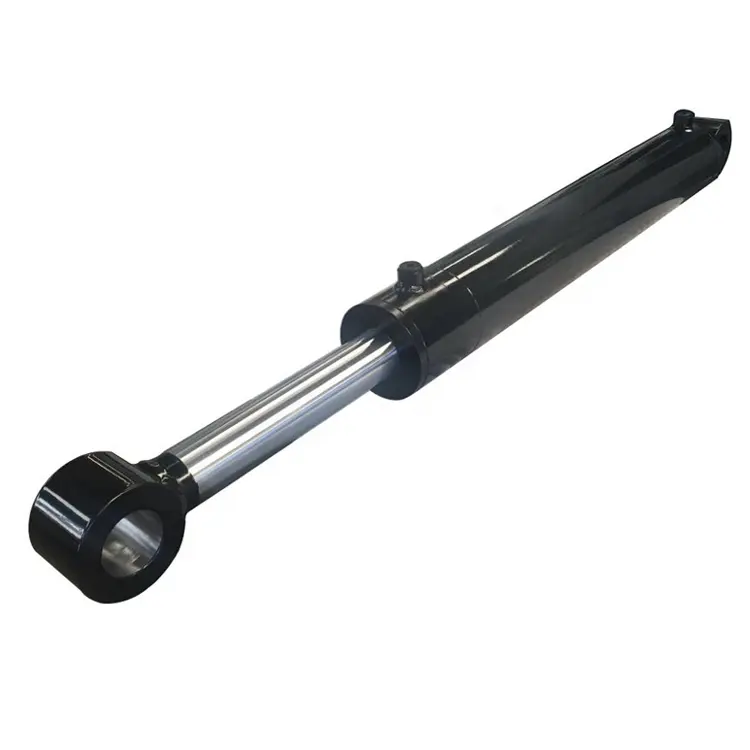
How does a lift cylinder contribute to energy-efficient lifting?
A lift cylinder plays a significant role in promoting energy-efficient lifting operations. Here’s an explanation of how lift cylinders contribute to energy efficiency:
1. Hydraulic System Efficiency:
Lift cylinders are commonly used in hydraulic systems, which are known for their high efficiency. Hydraulic systems utilize pressurized fluid to transmit power, allowing for smooth and controlled lifting operations. The hydraulic fluid is circulated within the system, and the lift cylinder converts the pressure of the fluid into mechanical force to lift the load. Compared to other mechanical lifting mechanisms, hydraulic systems, including lift cylinders, experience minimal energy loss due to their efficient power transmission.
2. Power-to-Weight Ratio:
Lift cylinders are designed to have a high power-to-weight ratio. This means that they can generate a substantial lifting force relative to their weight. By utilizing lightweight yet durable materials and optimizing the design, lift cylinders can effectively lift heavy loads while minimizing the amount of energy required. The efficient power-to-weight ratio contributes to energy efficiency by reducing the overall power consumption during lifting operations.
3. Load-Specific Design:
Lift cylinders are often engineered to match the specific load requirements of lifting applications. By customizing the design parameters, such as bore size, stroke length, and operating pressure, lift cylinders can be optimized for the intended load capacities and lifting tasks. This load-specific design ensures that the lift cylinder operates at its optimal efficiency, minimizing energy waste and maximizing the lifting performance.
4. Regenerative Systems:
In certain lifting applications, lift cylinders can be integrated into regenerative systems. Regenerative systems capture and store energy that would otherwise be dissipated as heat during the lowering phase of the lifting operation. This stored energy can then be reused to assist in the subsequent lifting process, reducing the overall energy consumption. Regenerative systems enhance energy efficiency by utilizing the otherwise wasted energy to partially power the lifting operation.
5. Control Systems:
Advanced control systems can be implemented in conjunction with lift cylinders to optimize energy efficiency. These control systems, such as proportional valves or variable-speed drives, allow for precise control of the lifting process. By adjusting the flow rate or speed of the hydraulic fluid, operators can match the power output of the lift cylinder to the specific load requirements, minimizing energy waste and improving overall efficiency.
6. Maintenance and Optimization:
Regular maintenance and optimization of lift cylinders are essential for maintaining energy efficiency. Proper lubrication, seal replacements, and overall system inspections help ensure that the lift cylinder operates at its peak performance. By identifying and addressing any issues or inefficiencies, maintenance practices contribute to energy-efficient lifting operations.
In summary, lift cylinders contribute to energy-efficient lifting through hydraulic system efficiency, a high power-to-weight ratio, load-specific design, regenerative systems, control systems, and proper maintenance. By utilizing these features and practices, lift cylinders help minimize energy consumption and enhance overall lifting efficiency.
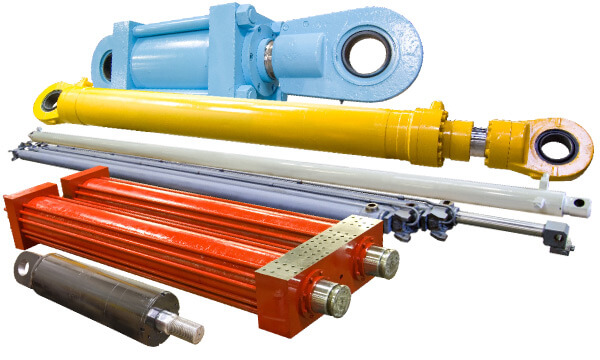
Can Lift Cylinders Be Used in Waste and Recycling Equipment?
Yes, lift cylinders are commonly used in waste and recycling equipment to facilitate various operations involved in waste management and recycling processes. These cylinders play a crucial role in lifting, compacting, and handling waste materials efficiently and effectively. Here’s a detailed explanation of how lift cylinders can be used in waste and recycling equipment:
- Lifting and Dumping:
- Compacting:
- Container Handling:
- Baling:
- Sorting and Separation:
- Feeding and Conveying:
Waste and recycling equipment often require the lifting and dumping of containers or bins to empty their contents into larger collection vehicles or processing systems. Lift cylinders are utilized in this process to provide the necessary lifting force and controlled movement. The cylinders are typically integrated into lifting mechanisms, such as automated arms or hydraulic lifts, which securely grip and elevate the containers. The lift cylinders ensure smooth and controlled lifting, allowing the containers to be safely emptied into the desired location.
In waste management, compacting waste materials is essential to optimize space utilization and reduce the frequency of waste collection. Lift cylinders are commonly employed in compactors, including stationary compactors, vertical compactors, and roll-off compactors. These cylinders apply force to compress the waste, reducing its volume and making it more manageable for storage or transportation. The lift cylinders enable the compactor’s compaction plate or ram to exert the necessary pressure, ensuring efficient waste compaction.
Waste and recycling equipment often involve the handling and movement of various containers, such as bins, dumpsters, or roll-off containers. Lift cylinders are used in container handling systems to lift, tilt, or slide these containers for emptying or transportation purposes. The cylinders provide the required lifting force and controlled motion, allowing operators to manipulate the containers with ease. Lift cylinders ensure secure and precise container handling, facilitating the efficient transfer of waste materials from one location to another.
Baling is a common process in recycling facilities where waste materials, such as cardboard, paper, plastics, or metal, are compacted into tightly bound bales for easier storage and transportation. Lift cylinders are integral components of balers, enabling the compression and shaping of the waste materials into bales. The cylinders exert force on the baler ram, which presses the waste materials together, forming tightly compressed bales. Lift cylinders ensure the necessary force and control for effective baling operations in recycling facilities.
In recycling processes, waste materials often need to be sorted and separated based on their type or composition. Lift cylinders can be utilized in sorting and separation equipment to manipulate or lift specific waste items or components. For example, lift cylinders can be employed in conveyor systems or picking stations to raise or tilt materials, facilitating manual or automated sorting. The cylinders enable precise and controlled movements, enhancing the efficiency and accuracy of waste material separation.
Waste and recycling equipment may involve feeding waste materials into processing systems or conveying them between different stages of the recycling process. Lift cylinders can be used to facilitate the feeding and conveying operations by controlling the movement of hoppers, chutes, or conveyor belts. The cylinders provide the necessary force and adjustability to regulate the material flow, ensuring a consistent and controlled feeding or conveying process.
Lift cylinders are versatile components that find wide application in waste and recycling equipment. Whether it’s for lifting and dumping containers, compacting waste, handling containers, baling materials, sorting and separation tasks, or facilitating feeding and conveying operations, lift cylinders contribute to the efficient and effective management of waste materials and recycling processes.
What is a lift cylinder and how does it function in hydraulic systems?
A lift cylinder, also known as a hydraulic lift cylinder or hydraulic lifting cylinder, is a device used in hydraulic systems to generate linear motion and provide lifting force. It is a type of hydraulic actuator that converts hydraulic pressure into mechanical force to lift heavy loads. Here’s an explanation of what a lift cylinder is and how it functions in hydraulic systems:
A lift cylinder consists of a cylindrical barrel, a piston, and a rod. The barrel is a hollow tube that houses the piston and allows fluid to flow in and out. The piston is a cylindrical component that separates the barrel into two chambers. The rod, attached to the piston, extends from the cylinder to connect with the load or the mechanism being lifted.
The lift cylinder operates based on the principles of Pascal’s law, which states that pressure exerted on a fluid in a confined space is transmitted equally in all directions. Here’s how a lift cylinder functions:
1. Extension:
When pressurized hydraulic fluid enters one side of the cylinder (the chamber behind the piston), it applies force on the piston, causing it to move in the direction of the load. This movement extends the rod outward, lifting or pushing the load.
2. Retraction:
Conversely, when the hydraulic fluid is supplied to the other side of the cylinder (the chamber in front of the piston), the pressure differential causes the piston to move in the opposite direction. This retracts the rod, lowering or pulling the load.
3. Control Valve:
The flow of hydraulic fluid into and out of the lift cylinder is controlled by a directional control valve. The valve regulates the direction and amount of fluid entering the cylinder, determining whether the cylinder extends or retracts. This control allows for precise and controlled lifting and lowering of the load.
4. Force and Load Capacity:
The force generated by the lift cylinder is determined by the hydraulic pressure applied to the piston and the effective area of the piston. By increasing or decreasing the hydraulic pressure, the lifting force can be adjusted to meet the specific load requirements.
5. Application:
Lift cylinders are widely used in various hydraulic systems, including hydraulic lifts, cranes, forklifts, dump trucks, and construction equipment. They provide the necessary force to lift heavy objects, perform material handling tasks, and support heavy loads in a controlled and efficient manner.
In summary, a lift cylinder is a hydraulic actuator that converts hydraulic pressure into mechanical force for lifting heavy loads. It functions by utilizing hydraulic fluid pressure to move the piston and extend or retract the rod, enabling the lifting or lowering of the load. The control valve regulates the fluid flow, and the force generated by the lift cylinder is determined by the hydraulic pressure and piston area. Lift cylinders find extensive applications in hydraulic systems across various industries.


editor by CX 2023-10-13