Product Description
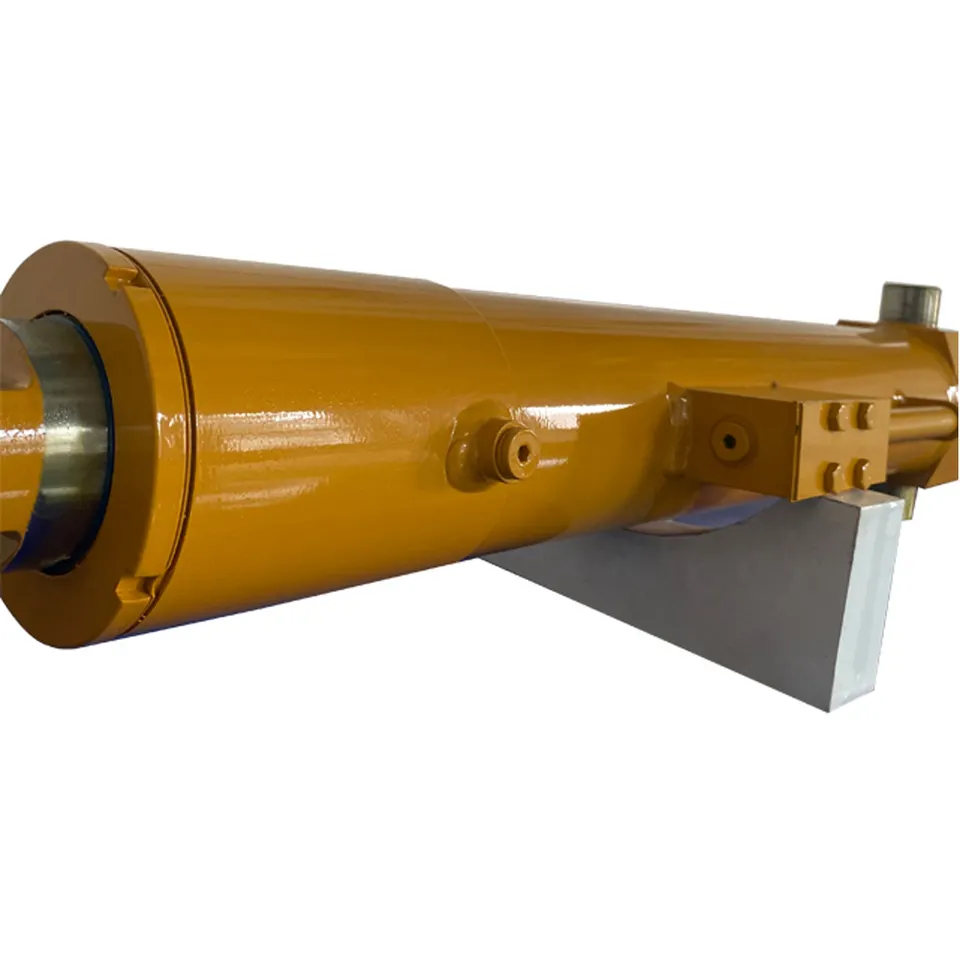
Hydraulic 6 oil cylinders for ground scissor car lift
Product Parameters
| Type | JL6000D |
| Lifting weight | 4000kg(88181b) |
| Secondary lifting | 3500kg(77161b) |
| Initial height | 200mm(7.9in) |
| Lifting height | 1680mm(66in) |
| Secondary lift height | 450mm(17.7in) |
| first layer length | 4500-5700mm(177.2-224.4in) |
| second layer length | 1515-1680mm(59.6-66.1in) |
| first layer width | 670mm(26in) |
| second layer width | 600mm(23.6in) |
| Power voltage | 220v/380v |
| Air supply voltage | 6-8kg/cm2 |
Detailed Photos
Company Profile
HangZhou CHINAMFG Automobile Testing Equipment Co.,Ltd. is a professional OEM/ODM manufacturer engaged in research, development, design, manufacturing, sales and service of auto repair and maintenance machines and tools. We are located in coastal city HangZhou CIty,ZheJiang Province,P.R.China with convenient traffic access. Our factory covers an area of more than 10,000 square meters. We have more than 15 years’ experience in manufacturing onground/underground scissor car lift, 2 post/4 post car lift, 3D wheel alignment system, 3D wheel aligner, tyre changer, wheel balancer, car frame straightening/denting bench table machine, washing machine and other related auto repair and maintenance machines and tools. Dedicated to strict quality control system and high level pre-sale/after-sale service, our experienced staff members are always available to take care your enquiries and give you the right solution. Our company has adopted a series of advanced equipment including 10,000 watt laser cutting machine, digital bending machine, CNC center drilling machine, automatic sand blasting spray line, robot welding machine. We have obtained certificates of CCC,ISO9001,CE,Patent,etc. Selling well in all cities and provinces in China, we also export to overseas countries and regions as Europe, North/South America, Russia, Southeast Asia,India,etc. We also welcome OEM/ODM orders. Our mission is: Quality first, Service foremost, and Innovation paramount. We will continue to work hard to better serving the domestic and international market.
We sincerely look CHINAMFG to working with you!
/* March 10, 2571 17:59:20 */!function(){function s(e,r){var a,o={};try{e&&e.split(“,”).forEach(function(e,t){e&&(a=e.match(/(.*?):(.*)$/))&&1
| After-sales Service: | Provide Installation Videos/Online Installation Gu |
|---|---|
| Warranty: | 18 Months |
| Type: | Six Cylinder Hydraulic Lift |
| Lifting Capacity: | 4T |
| Driving Type: | Hydraulic |
| Certification: | CE, ISO, RoHS, GS |
| Samples: |
US$ 3400/Piece
1 Piece(Min.Order) | |
|---|
| Customization: |
Available
|
|
|---|
How does a lift cylinder contribute to stable and safe lifting operations?
A lift cylinder plays a crucial role in ensuring stable and safe lifting operations. Here’s an explanation of how a lift cylinder contributes to stability and safety:
1. Load Capacity and Stability:
A lift cylinder is designed to handle specific load capacities, and this capacity directly affects the stability of the lifting operation. The cylinder’s load rating ensures that it can safely support and lift the intended load without compromising stability. By selecting a lift cylinder with an appropriate load capacity, operators can ensure that the weight of the load is well-distributed and controlled, minimizing the risk of tip-overs or excessive swaying during lifting.
2. Controlled Lifting Speed:
Lift cylinders provide the ability to control the lifting speed, contributing to stable and safe operations. By regulating the hydraulic flow rate, operators can adjust the speed at which the cylinder extends or retracts. This controlled lifting speed allows for precise positioning of the load and reduces the potential for sudden shifts or jerky movements that could compromise stability or cause accidents.
3. Positioning Accuracy:
Lift cylinders offer precise positioning capabilities, ensuring that the load is raised, lowered, or held at the desired height accurately. This accurate positioning is crucial in maintaining stability and preventing unintended movements. Whether it’s aligning the load with a specific docking point or achieving precise height adjustments, lift cylinders allow for controlled and stable positioning.
4. Safety Mechanisms:
Lift cylinders often incorporate safety mechanisms to enhance safe lifting operations. These mechanisms can include features such as overload protection, emergency stop functions, or velocity fuses. Overload protection prevents the cylinder from attempting to lift loads beyond its capacity, while emergency stop functions allow for immediate cessation of lifting operations in case of emergencies. Velocity fuses are safety devices that prevent uncontrolled descent of the load in the event of a hydraulic system failure, ensuring stability and preventing accidents.
5. Durability and Reliability:
Lift cylinders are built to withstand demanding operational conditions and provide long-term durability and reliability. They are constructed with robust materials and incorporate seals, bearings, and other components to ensure smooth operation and prevent leaks or failures. The durability and reliability of lift cylinders contribute to stable lifting operations by minimizing the risk of unexpected malfunctions or breakdowns.
In summary, lift cylinders contribute to stable and safe lifting operations through their load capacity and stability, controlled lifting speed, precise positioning accuracy, incorporation of safety mechanisms, and overall durability and reliability. These features ensure that lifting operations can be carried out smoothly, efficiently, and with a reduced risk of accidents or instability.
How does a lift cylinder handle variations in cylinder stroke length?
A lift cylinder is designed to handle variations in cylinder stroke length through its adjustable rod or piston. The stroke length refers to the distance the cylinder can extend or retract, and it can be adjusted to meet specific requirements in different applications.
In hydraulic lift cylinders, the stroke length can be modified by adjusting the position of the rod or piston within the cylinder. This adjustment is typically achieved by adding or removing spacers or by using adjustable stops. By changing the effective length of the cylinder, the stroke can be increased or decreased accordingly.
The adjustment of the stroke length allows the lift cylinder to accommodate different operational needs. For example, in material handling applications, where varying load sizes are encountered, the stroke length can be adjusted to ensure that the cylinder extends or retracts precisely to the required position. This flexibility enables the lift cylinder to handle a wide range of loads and adapt to different lifting or pushing scenarios.
In addition to adjusting the stroke length, lift cylinders often incorporate position feedback mechanisms. These mechanisms, such as linear transducers or position sensors, provide real-time feedback on the actual position of the cylinder. By monitoring the position, the control system can ensure accurate and precise control over the cylinder’s movement, regardless of the stroke length.
The ability to handle variations in cylinder stroke length is crucial in many industrial applications. It allows for adaptability, efficiency, and improved performance in tasks such as material handling, assembly, and automation. By adjusting the stroke length, lift cylinders can optimize their operation, ensuring that the required force and movement are achieved consistently.
In summary, lift cylinders handle variations in cylinder stroke length through adjustable rods or pistons. This adjustment capability, combined with position feedback mechanisms, enables precise control and adaptability in different applications. By accommodating different stroke lengths, lift cylinders can effectively meet the specific requirements of a wide range of industrial tasks.
What industries commonly use lift cylinders in their applications?
Lift cylinders, also known as hydraulic lift cylinders or hydraulic lifting cylinders, find applications in various industries where lifting, lowering, and vertical motion are required. Here are some industries that commonly use lift cylinders:
1. Material Handling and Logistics:
Lift cylinders are extensively used in material handling and logistics industries. They are employed in equipment such as forklifts, pallet jacks, and reach trucks to lift and lower loads, enabling efficient movement and storage of goods in warehouses, distribution centers, and manufacturing facilities.
2. Construction and Heavy Machinery:
In the construction industry, lift cylinders are utilized in equipment such as cranes, excavators, loaders, and scissor lifts. They provide the necessary lifting force to handle heavy materials, perform lifting operations at construction sites, and facilitate the movement of equipment and materials in challenging environments.
3. Automotive and Transportation:
In the automotive and transportation sectors, lift cylinders are used in applications such as vehicle lifts, car hoists, and hydraulic ramps. These cylinders enable the lifting and lowering of vehicles for maintenance, repair, and inspection purposes, ensuring efficient and safe operations in automotive workshops, garages, and service stations.
4. Aerospace and Aviation:
Lift cylinders play a critical role in the aerospace and aviation industries. They are employed in aircraft maintenance lifts, ground support equipment, and hydraulic systems for aircraft doors and landing gear. Lift cylinders enable the precise positioning and movement of aircraft components, ensuring safe and reliable operations in the aviation sector.
5. Manufacturing and Industrial Equipment:
In manufacturing and industrial settings, lift cylinders are utilized in a wide range of applications. They are used in hydraulic presses, machine tools, assembly lines, and industrial lifts to provide the necessary vertical motion for lifting, positioning, and manipulating various components and materials in production processes.
6. Healthcare and Medical Equipment:
Lift cylinders find applications in the healthcare industry, particularly in medical equipment such as patient lifts, hospital beds, and examination tables. These cylinders enable safe patient handling and positioning, facilitating caregiver tasks and ensuring patient comfort and mobility.
These are just a few examples of industries that commonly use lift cylinders in their applications. The versatility and reliability of lift cylinders make them valuable components in numerous sectors where controlled vertical motion and lifting capabilities are essential.


editor by CX 2024-02-18