Product Description
Product Description
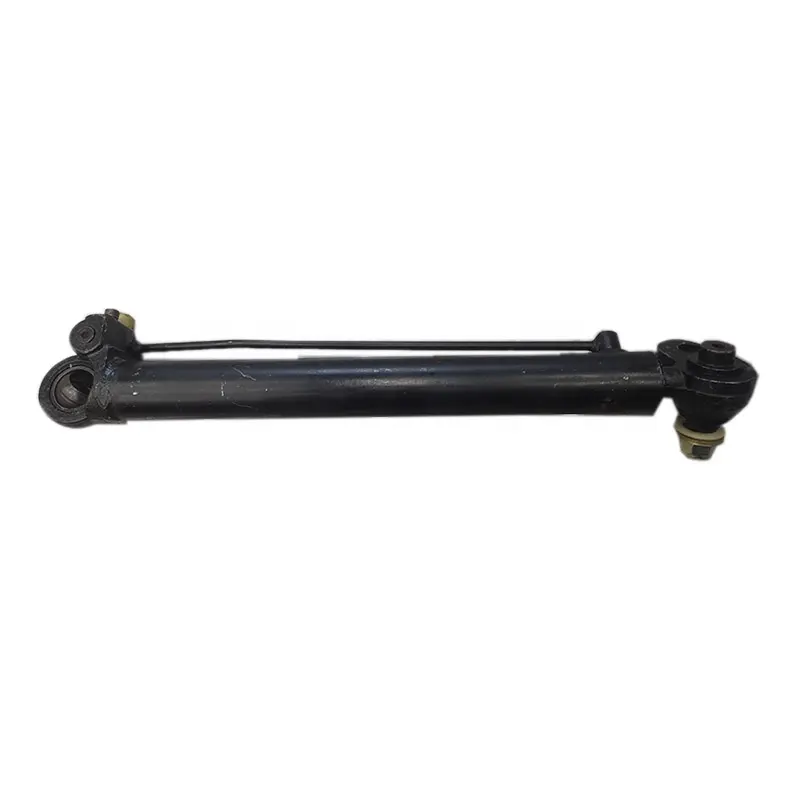
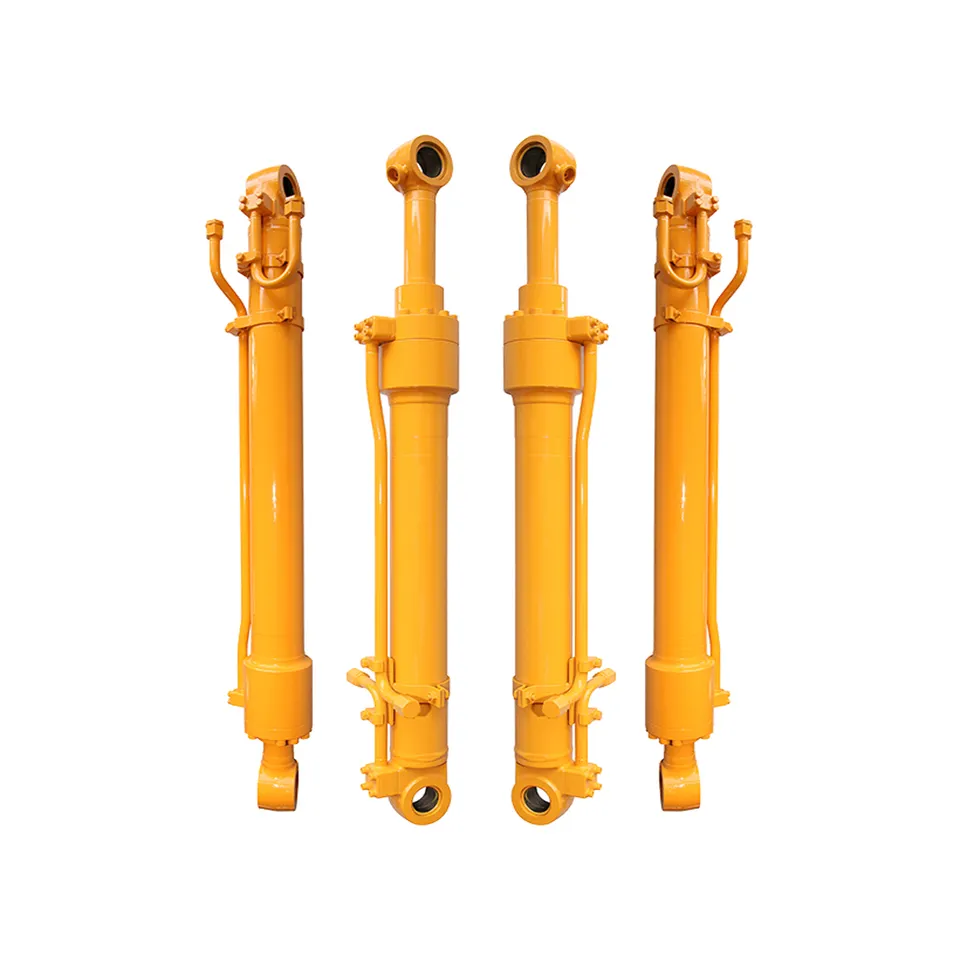
Vehicle hydraulic cylinder:
Due to Vehicle hydraulic cylinder frequent use, and bad working conditions, The high requirement of reliability.
Our company has a professional service life time test equipment, Batch hydraulic cylinder inspection according to AQL standard, A part of is 100% inspection, To ensuring product quality;
And we are cooperate with the customer, Make tropical, frigid zone test, realization to small, light, High strength and high reliable performance.
Our products have applications in:
- Pump truck;
- Dump truck;
- Lift car;
- Crane;
- Hydraulic pallet truck;
- Compactor truck;
- Sanitation truck;
- Rotary drilling rig;
- Pile driver;
- Aerial platform truck;
- Etc.
Product Parameters
| Material | Carbon steel, Alloy steel, Stainless steel |
| Honed tube | 20-2500mm, Heat treatment, honing, rolling |
| Piston rod | 10-2000mm ,tempering, plated nickel, Chromium or ceramic |
| Working Pressure | 5-300Mpa |
| Seals | Parker,Merkel,Hallite |
| Technology | Bosch CHINAMFG and Parker |
| Coating | Sandblasting, primer, middle paint, finish paint |
| Temperature range | -40ºC to +300ºC |
| Work medium | Hydraulic Oil |
| Piston speed | maximum 2m/s |
| Mounting style | Earrings, flange, foot mounting, screw thread. |
Product Application
Company Show
HETLOCK is a professional manufacturer of hydraulic cylinders in China, Founded in 1998, located in the international city of ZheJiang . Our plant is nearly 20000 square meter& We have 135 Employees including 11 experienced engineers and technical staff,More than 1800 type of hydraulic cylinder designed in every year. We can produce various kinds of hydraulic cylinders according to customer requirements.
The inside diameter of hydraulic cylinders can achieve the maximum 2500mm;
The hydraulic cylinders operating pressure can achieve the maximum 300MPa.
FAQ
Q1:Are you a manufacturer or trading company?
A: We are a manufacturer.
Q2: How many years of production experience do you have?
A: We have over 20 years of production experience.
Q3: Can it be customized?
A: Both standard and non-standard products can be customized.
Q4: How to ensure product quality?
A: We strictly follow the quality process for production and 100% inspection of each batch of products.
Q5: What services can you provide?
A: According to customer requirements, we can provide a one-stop solution from design, production, and delivery to meet their needs.
/* January 22, 2571 19:08:37 */!function(){function s(e,r){var a,o={};try{e&&e.split(“,”).forEach(function(e,t){e&&(a=e.match(/(.*?):(.*)$/))&&1
| Certification: | CE, ISO9001 |
|---|---|
| Pressure: | High Pressure |
| Work Temperature: | Normal Temperature |
| Acting Way: | Double Acting |
| Working Method: | Straight Trip |
| Adjusted Form: | Regulated Type |
| Customization: |
Available
|
|
|---|
Can lift cylinders be used in both mobile and stationary applications?
Yes, lift cylinders can be used in both mobile and stationary applications. Here’s an explanation of how lift cylinders are suitable for both types of applications:
Mobile Applications:
In mobile applications, lift cylinders are commonly used in various types of equipment that require lifting capabilities. Some examples include:
- Forklifts: Lift cylinders are essential components in forklifts, enabling them to lift and lower loads efficiently. They provide the lifting force needed to raise the forks and transport materials.
- Cranes: Lift cylinders are utilized in cranes to lift and position heavy objects. They play a vital role in the vertical movement of the crane’s boom and ensure controlled lifting operations.
- Scissor Lifts: Lift cylinders are integral to scissor lifts, enabling the platform to be raised or lowered. They provide the necessary force to extend and retract the scissor arms, allowing for elevation changes.
- Aerial Work Platforms: Lift cylinders are employed in aerial work platforms, such as cherry pickers or boom lifts. They facilitate the vertical movement of the platform, enabling operators to access elevated areas safely.
Stationary Applications:
In stationary applications, lift cylinders are commonly used in various industrial and commercial settings. Some examples include:
- Material Handling: Lift cylinders are utilized in stationary material handling equipment, such as conveyor systems or lift tables. They enable the vertical movement of materials, facilitating efficient loading, unloading, or positioning.
- Automotive Lifts: Lift cylinders are employed in automotive lifts used in garages or car service centers. They provide the lifting force needed to raise vehicles for maintenance, repairs, or inspections.
- Industrial Machinery: Lift cylinders are integrated into various industrial machinery, such as hydraulic presses or assembly line equipment. They assist in lifting heavy components or adjusting the position of workpieces during manufacturing processes.
- Warehouse Systems: Lift cylinders are used in stationary warehouse systems, including vertical storage systems or automated retrieval systems. They contribute to efficient vertical movement of goods, optimizing storage and retrieval processes.
Whether in mobile or stationary applications, lift cylinders offer the necessary force and control to perform lifting tasks. Their versatility and adaptability make them suitable for a wide range of industries and applications.
“`
Can lift cylinders be used in automotive lifting equipment?
Yes, lift cylinders can be used in automotive lifting equipment. Here’s an explanation of how lift cylinders are utilized in automotive lifting systems:
Lift cylinders play a crucial role in various types of automotive lifting equipment, providing the necessary force to raise vehicles for maintenance, repairs, or inspections. Here are some common examples:
- Automotive Lifts: Lift cylinders are integral components of automotive lifts, such as two-post lifts, four-post lifts, or scissor lifts. These lifts are used in garages, auto repair shops, or car service centers to elevate vehicles to a convenient working height. Lift cylinders are responsible for the vertical lifting motion of the lift platform or arms, allowing easy access to the undercarriage or other areas of the vehicle.
- Parking Lifts: Lift cylinders are also employed in parking lifts, also known as car stackers or vehicle storage lifts. These lifts are used to maximize parking space in residential or commercial settings. Lift cylinders enable the vertical movement of the lift platforms, allowing vehicles to be stacked vertically for efficient use of space.
- Wheel Alignment Lifts: Lift cylinders are utilized in wheel alignment lifts, which are specifically designed for performing wheel alignment or suspension work. Lift cylinders raise the vehicle to a suitable height, enabling technicians to access the wheels and suspension components for adjustments or repairs.
Lift cylinders in automotive lifting equipment are typically hydraulic cylinders. They utilize hydraulic fluid and pressure to generate the necessary force for lifting heavy vehicles. The hydraulic system includes a pump, control valves, and hydraulic lines that deliver the pressurized fluid to the lift cylinders.
When activated, the hydraulic pump pressurizes the fluid, which is then directed to the lift cylinders through control valves. The pressurized fluid causes the pistons within the lift cylinders to extend, thereby lifting the platform or arms of the lifting equipment. By adjusting the flow and pressure of the hydraulic fluid, operators can control the lifting process and achieve the desired working height.
In addition to lifting capabilities, automotive lift cylinders are designed with safety features to ensure secure and reliable operation. These features may include safety locks, mechanical or hydraulic safety systems, and overload protection mechanisms. These safety measures help prevent accidents or equipment failure during the lifting process.
In summary, lift cylinders are commonly used in automotive lifting equipment, providing the lifting force necessary for vehicle maintenance, repairs, and storage. Their hydraulic operation and incorporation of safety features make them essential components in automotive service facilities, contributing to efficient and reliable vehicle lifting operations.
Can lift cylinders be used in manufacturing and production machinery?
Yes, lift cylinders are commonly used in manufacturing and production machinery. Lift cylinders, also known as hydraulic cylinders, are devices that generate linear force and motion through the use of pressurized hydraulic fluid. They are widely employed in various industrial applications for lifting, pushing, pulling, and holding heavy loads.
In manufacturing and production machinery, lift cylinders play a crucial role in providing controlled movement and force for a wide range of tasks. Here are some examples of how lift cylinders are used:
- Material Handling: Lift cylinders are utilized in machinery such as forklifts, cranes, and material handling equipment to lift and transport heavy objects. They allow for precise positioning and movement of loads, improving efficiency and safety in material handling operations.
- Assembly and Automation: Lift cylinders are integrated into assembly lines and automated machinery to perform tasks like part insertion, pressing, and clamping. They provide the necessary force and motion required for assembling components or joining parts together.
- Presses and Punching Machines: Lift cylinders are employed in presses and punching machines to exert force for bending, forming, and shaping materials. These cylinders ensure accurate and consistent results in metalworking processes.
- Industrial Robots: Lift cylinders are used in robotic systems to enable lifting and manipulation of objects. They facilitate the controlled movement of robot arms and end-effectors, allowing robots to perform tasks such as pick-and-place operations, welding, and painting.
Lift cylinders offer several advantages in manufacturing and production machinery. They provide high force capabilities, precise control over movement, compact design, and the ability to operate in various orientations. Furthermore, their hydraulic nature allows for smooth and gradual acceleration and deceleration, reducing the risk of damage to the machinery or the materials being handled.
In conclusion, lift cylinders are extensively utilized in manufacturing and production machinery across different industries. Their versatility, reliability, and ability to generate controlled linear force make them essential components in a wide range of industrial applications.
What is the importance of regular maintenance for lift cylinders?
Regular maintenance for lift cylinders is of utmost importance to ensure their optimal performance, longevity, and safe operation. Here’s an explanation of the importance of regular maintenance for lift cylinders:
1. Safety:
Regular maintenance helps identify and address potential safety issues with lift cylinders. Over time, wear and tear, leaks, or component failures can compromise the integrity and stability of the cylinder. Through regular inspections and maintenance, any safety concerns can be detected early and resolved, reducing the risk of accidents or equipment failures.
2. Performance:
Maintaining lift cylinders at regular intervals helps ensure their consistent performance. By inspecting and servicing the cylinder components, such as seals, rods, and pistons, any issues affecting the cylinder’s efficiency and functionality can be addressed. Properly maintained cylinders are more reliable, provide smoother operation, and deliver the required lifting power consistently.
3. Preventive Measures:
Regular maintenance allows for preventive measures to be taken to avoid major breakdowns or costly repairs. By following a maintenance schedule, potential problems can be identified early and resolved before they escalate. This includes tasks such as lubrication, seal replacement, cleaning, and adjusting hydraulic fluid levels, which can help extend the lifespan of the cylinder and minimize downtime.
4. Cost Savings:
Regular maintenance can lead to significant cost savings in the long run. By addressing minor issues promptly, it helps prevent major failures that require expensive repairs or cylinder replacements. Well-maintained cylinders also tend to have a longer service life, reducing the need for frequent replacements and associated costs.
5. Compliance with Manufacturer’s Recommendations:
Manufacturers often provide specific maintenance guidelines for lift cylinders. Adhering to these recommendations ensures that the cylinders are maintained according to the intended specifications. Regular maintenance helps uphold warranty requirements, maintain compliance with industry standards, and maximize the cylinder’s performance according to the manufacturer’s specifications.
6. System Efficiency:
Lift cylinders are often part of larger hydraulic systems. Regular maintenance of the cylinders helps maintain the overall efficiency of the system. Any issues or inefficiencies in the cylinders can affect the performance of the entire hydraulic system, leading to decreased productivity, increased energy consumption, and potential damage to other system components.
In summary, regular maintenance for lift cylinders is crucial for safety, performance, preventive measures, cost savings, compliance with manufacturer’s recommendations, and system efficiency. By investing in regular inspections, servicing, and adherence to maintenance schedules, lift cylinders can operate reliably, efficiently, and safely throughout their lifespan.


editor by Dream 2024-05-13