Product Description
Product Description
A: Product Description
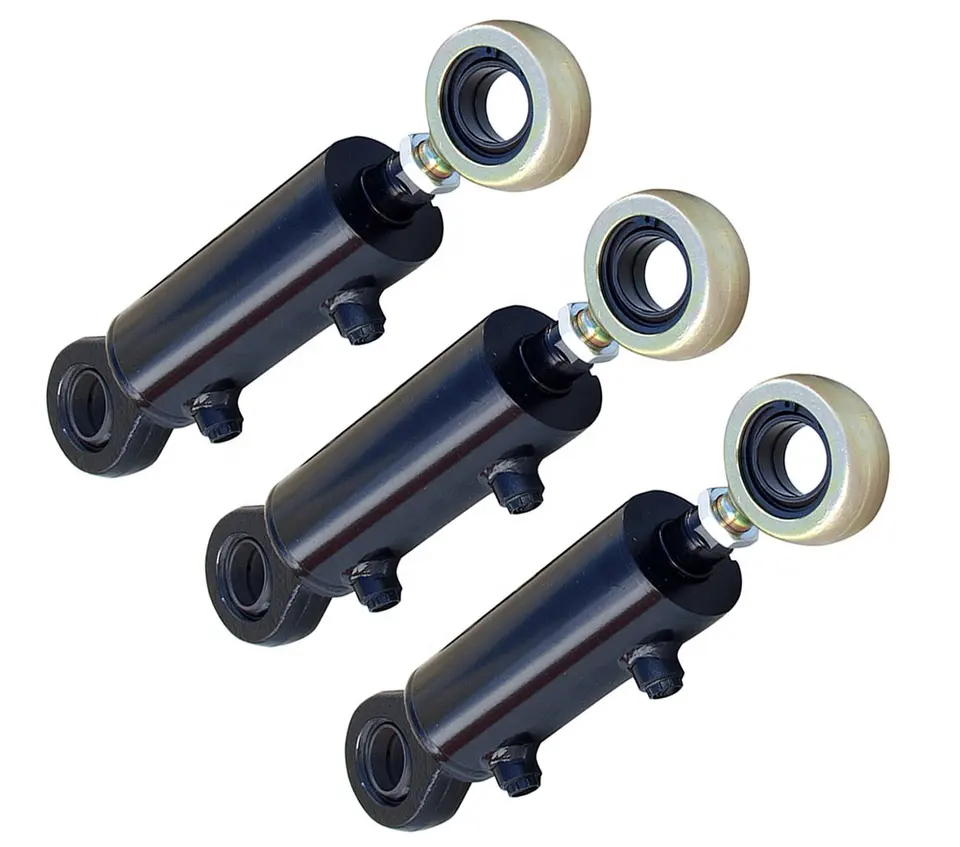
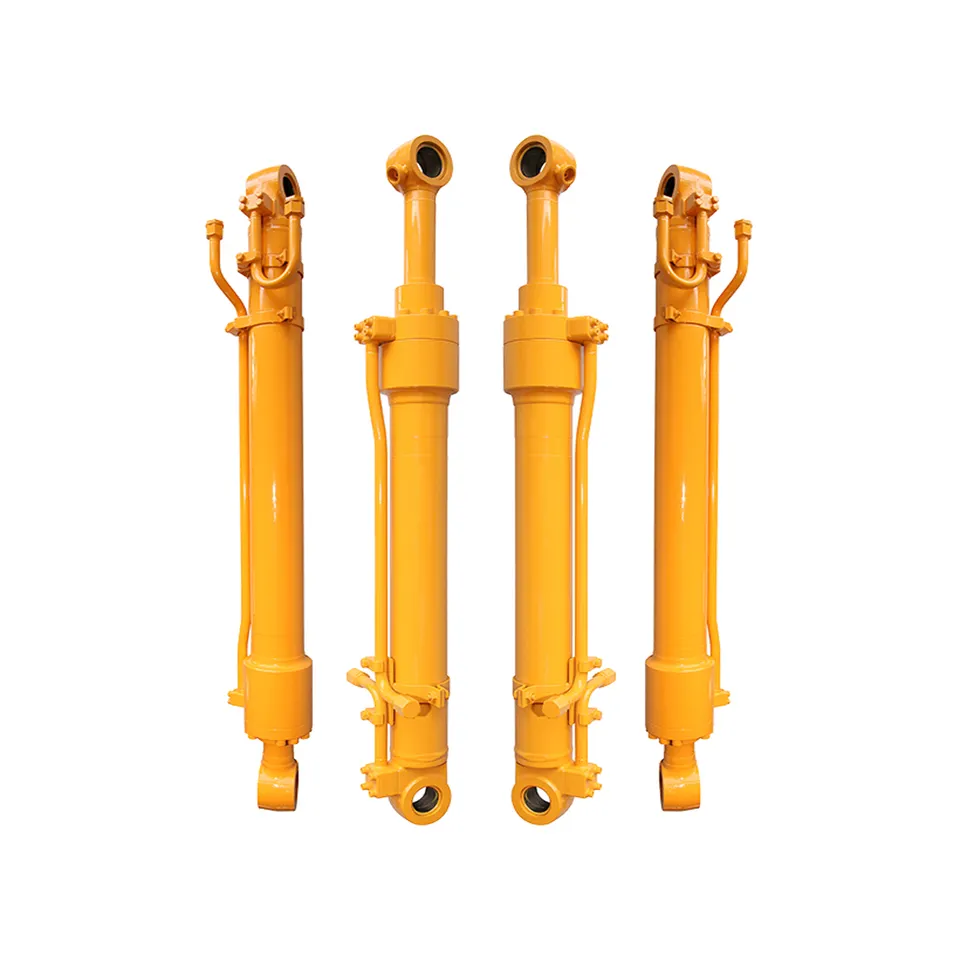
| Commodity Name | telescopic cylinder, telescopic hydraulic cylinder |
| Suitable Model | dump truck, dump tractor |
| Original | ZheJiang , China |
| Warranty | One year |
| Min of quantity | 1 piece |
| Packing | standard export wooden box or as your require |
| Time of Shipment | Usual 30-60days. Different according the quantity of order. |
| Port of Delivery | HangZhou, China |
Product Parameters
Product Overview
Factory Direct Sale 5 Stage Telescopic Hydraulic Cylinder.
We are the top machinery production and processing factory in China, with more than 10 years of export experience, and our after-sales service satisfaction ratio is always 100%. Due to our advantages in product quality, price and service, our sales are all from old customers’ return orders. We want to cooperate with medium and large buyers, our service will make you satisfied, to achieve a CHINAMFG situation.
FEATURES AT A GLANCE
If you are a medium and large buyer, then we are definitely your best choice, our after-sales satisfaction is 100%, we have more than 10years of production and export experience, have a foreword and mature R & D ability.
Supply Ability Supply Ability 3000 Pieces per Month
*We can customize and design according to your needs
*We can also produce according to your drawings
*If you need any hydraulic cylinder, please feel free to contact us
Successful Project
Our service/certifications
—CE Certificate of Quality Checked
—Adopt ISO Certificate of Quality Management System
—BV Certificate of Main Products Line verification
—Fast Delivery
—After-sales Service
—24 Hours, 7 Days on-line Service
KENDE is a leading global designer, manufacturer and marketer of hydraulic cylinder,cab, oil tank, counterweight, boom, arm, bucket, chassis, outrigger, pipe, hose, fitting, valve block, tyre, wheel,and other parts. Products are widely used in construction, mining, crane, material handing, automobile, truck, transportation, oil and gas, farm and garden equipment and so on .
We supply a wide range of parts for excavators, loaders, drills, dumpers, forklifts, tractors, trailers, harvestors, cars, buses, trucks and so on. Our products are focused on improved efficiency and life of the machineries and equipments.
Founded in January of 2015, we have become a big group till now which has 3 factories in asia to supply a wide range of products and service for the global customers.
We have the most advanced production equipments and specialized R &D center to assure the highest quality products to customers.
Our vision statement is “Science and technology first, Always with a grateful heart, Walk the world by virtue, Struggle for a better future”
Certifications
FAQ
FAQ
1)>. How about your delivery time?
: Generally, it will take 30 to 60 days after receiving your advance payment. The specific delivery time depends on the items and the quantity of your order.
2)>. What is your terms of price?
: EXW, FOB, CFR, CIF, DDU.
3)> . What is your terms of payment?
: T/T 50% as deposit, and 50% before delivery. We’ll show you the photos of the products and packages before you pay the balance.
4)> . Can you supply a sample freely?
: Sorry, we only can produce the sample with the cost price for you.
5)> Can you produce according to the samples?
: Yes, we can produce by your samples or technical drawings. We can build the molds and fixtures.
6)>. What is your sample policy?
: We can supply the sample if we have ready parts in stock, but the customers have to pay the sample cost and the courier cost.
7)>. Do you test all your goods before delivery?
: Yes, we have 100% test before delivery
8)>: How do you make our business long-term and good relationship?
:1. We keep good quality and competitive price to ensure our customers benefit ;
2. We respect every customer as our friend and we sincerely do business and make friends with them, no matter where they come from.
| Pressure: | High Pressure Low Pressure Medium Pressure |
|---|---|
| Work Temperature: | High Temperature Low Temperature Normal Temperat |
| Acting Way: | Double Acting Single Acting |
| Working Method: | Straight Trip |
| Adjusted Form: | Regulated Type |
| Structure: | Piston Type |
| Customization: |
Available
|
|
|---|
Can lift cylinders be used in aerial work platforms and scissor lifts?
Yes, lift cylinders are commonly used in aerial work platforms and scissor lifts. Here’s an explanation of their utilization in these types of equipment:
Aerial work platforms, also known as aerial lifts or elevated work platforms, are used to provide elevated access for various tasks, such as maintenance, construction, or inspection work. Scissor lifts are a specific type of aerial work platform that utilize a scissor mechanism to vertically extend the platform. Lift cylinders play a crucial role in the lifting operation of both aerial work platforms and scissor lifts.
In scissor lifts, multiple lift cylinders are typically positioned vertically and connected to the scissor mechanism. These lift cylinders work in synchronization to extend or retract the scissor arms, thereby raising or lowering the platform. The lift cylinders exert force to expand the scissor arms, creating a lifting motion that allows the platform to reach elevated positions. By controlling the flow of hydraulic fluid to the lift cylinders, operators can easily adjust the platform height and achieve the desired working elevation.
Lift cylinders used in aerial work platforms and scissor lifts are usually hydraulic cylinders. Hydraulic systems offer the advantages of smooth operation, precise control, and high lifting capacities. The hydraulic system includes a pump, control valves, hydraulic lines, and the lift cylinders. When the hydraulic system is activated, the pump pressurizes the hydraulic fluid, which is then directed to the lift cylinders through the control valves. The pressurized fluid causes the lift cylinders to extend, resulting in the upward movement of the platform.
One of the key benefits of using lift cylinders in aerial work platforms and scissor lifts is their ability to provide stable and controlled lifting. The synchronized movement of the lift cylinders ensures that the platform remains level and secure during the lifting process. This stability is essential for safe working conditions at elevated heights.
In addition to lifting capabilities, lift cylinders in aerial work platforms and scissor lifts may incorporate features such as safety locks, overload protection, or emergency descent mechanisms. These safety measures enhance the overall performance and reliability of the equipment, ensuring the well-being of operators working at height.
Overall, lift cylinders are integral components in aerial work platforms and scissor lifts, enabling the vertical lifting motion and providing stability during elevated work. Their hydraulic operation, synchronized movement, and safety features make them essential for efficient and secure access at height.
Can lift cylinders be used in hydraulic presses for material forming?
Yes, lift cylinders can be used in hydraulic presses for material forming. Hydraulic presses are widely employed in manufacturing processes that involve shaping, bending, or compressing materials such as metal, plastic, or rubber.
Lift cylinders, also known as hydraulic cylinders, play a crucial role in hydraulic presses by providing the force required for material forming. Here’s how lift cylinders are utilized in this context:
- Force Generation: Lift cylinders are responsible for generating the force necessary to exert pressure on the material being formed. They convert hydraulic energy into mechanical force, enabling the press to shape or mold the material according to the desired specifications.
- Stroke Length: Lift cylinders have an adjustable stroke length, allowing them to accommodate different material forming requirements. By modifying the stroke length, the press can apply varying degrees of force and control to achieve the desired shape and dimensions of the formed material.
- Control and Precision: Lift cylinders offer precise control over the force and movement in hydraulic presses. The hydraulic system controlling the cylinders allows for accurate adjustment and regulation of the pressure, speed, and timing of the forming process. This control ensures consistent and precise material forming results.
- Die Mounting: Lift cylinders are employed in the mounting of dies or tooling within the hydraulic press. The cylinders provide the necessary lifting and lowering action to secure the dies in place and facilitate their proper alignment with the material being formed. This ensures accurate and repeatable forming operations.
- Safety Features: Hydraulic presses incorporating lift cylinders often include safety features such as pressure relief valves, emergency stop controls, and overload protection. These features help safeguard operators and prevent damage to the press or the formed material.
The use of lift cylinders in hydraulic presses for material forming offers several advantages. They provide the high force capability required for effective shaping and forming of various materials. The adjustable stroke length and precise control allow for versatility and customization, accommodating different forming needs. The integration of safety features ensures safe operation and protects both the equipment and personnel.
In conclusion, lift cylinders are suitable for use in hydraulic presses for material forming. Their ability to generate force, adjust stroke length, and provide precise control makes them essential components in achieving accurate, efficient, and reliable material forming processes.
Can you explain the role of hydraulic fluid in a lift cylinder?
Hydraulic fluid plays a crucial role in the operation of a lift cylinder. It serves as the medium through which force is transmitted to generate motion and provide lifting or lowering capabilities. Here’s an explanation of the role of hydraulic fluid in a lift cylinder:
1. Transmission of Force:
Hydraulic fluid acts as a medium for transmitting force within the lift cylinder. When pressurized, the hydraulic fluid applies force on the piston, which then transfers that force to the load through the rod. The force exerted by the hydraulic fluid is transmitted equally in all directions due to Pascal’s law, allowing for effective lifting or lowering of heavy loads.
2. Energy Transfer:
Hydraulic fluid is responsible for transferring energy within the hydraulic system. The hydraulic fluid is pressurized by a pump, which converts mechanical energy into hydraulic energy. This pressurized fluid carries the energy to the lift cylinder, where it is converted back into mechanical energy to perform the lifting or lowering action. The ability of hydraulic fluid to store and transmit energy efficiently makes it ideal for power transmission in hydraulic systems.
3. Lubrication and Cooling:
Hydraulic fluid serves as a lubricant within the lift cylinder to reduce friction and wear between moving parts, such as the piston and the cylinder barrel. This lubrication helps to enhance the longevity and smooth operation of the cylinder components. Additionally, the hydraulic fluid also aids in cooling the system by absorbing heat generated during operation, preventing overheating and ensuring optimal performance.
4. Sealing and Contamination Control:
Hydraulic fluid plays a critical role in sealing the lift cylinder and preventing leakage. It works in conjunction with seals located between the piston and cylinder barrel, as well as around the rod, to create a tight and secure hydraulic system. The hydraulic fluid also helps to control contamination by keeping external contaminants, such as dirt and debris, from entering the cylinder and affecting its performance.
5. System Efficiency:
The properties of hydraulic fluid, such as its viscosity and flow characteristics, directly impact the efficiency of the lift cylinder system. The choice of the appropriate hydraulic fluid ensures smooth and efficient operation, minimizing energy losses and maximizing system performance.
In summary, hydraulic fluid plays a vital role in a lift cylinder by transmitting force, transferring energy, lubricating and cooling the system, sealing against leaks, controlling contamination, and contributing to system efficiency. It enables the lift cylinder to generate the necessary force and motion to lift or lower heavy loads, while also ensuring the smooth and reliable operation of the hydraulic system.


editor by CX 2023-10-31