Product Description
Product Description
Standard Description
Class is different from the thickness of medium&outer tube.
Class1 1.2mm thickness 3 years warranty
Class2 1.5mm thickness 3 years warranty
Class3 2.0mm thickness 5 years warranty
Class4 2.5mm thickness 5 years warranty
Application and Features
Gas spring, gas lift, gas piston, gas cylinder, gas strut for all kinds chairs
Boss chair gas spring: 40mm, 60mm, 80mm
Office chair gas spring: 100mm, 120mm, 140mm
Bar chair gas spring: 160mm, 180mm, 200mm, 260mm, 330mm
Why choose us?
“Quality is our culture”
With us, your money is safe, your business is safe.
1. The product has mature technology, wide application and competitive advantages
2. If the quality of the product cannot be guaranteed, no refund will be made
3.Paypal, Western Union, TT and other payment methods are acceptable.
4. Confidentiality Agreement “Trade secret Contract”
5. Quality assurance contract with a warranty period of 3-5 years
6. Free samples are available. Small orders are welcome
Hydraulic rod delivery time notice
1. The above specifications are in stock, normal day delivery, special specifications within 48 hours delivery.
2. The delivery cycle of customized special specifications (not listed in the spot list) is within 3 days. No return or replacement is supported for non-quality problems.
3. Our customer service staff are all technical personnel who can provide professional advice. In order to ensure your normal use, please consult before placing an order.
4. The factory direct sales, complete specifications.
5. This product can easily shrink back and forth only by following the lever principle when it is installed. If you do not understand the installation, please contact the customer service for guidance.
| Function: | Pressed, Phonation, Buffer |
|---|---|
| Material: | Steel |
| Usage: | Industrial, Auto, Furniture, Motorcycle, Home Appliance |
| Load Type: | Compression |
| Production Process: | Cold Roll |
| Shape: | Cylinder |
| Samples: |
US$ 1.2/Piece
1 Piece(Min.Order) | |
|---|
| Customization: |
Available
|
|
|---|
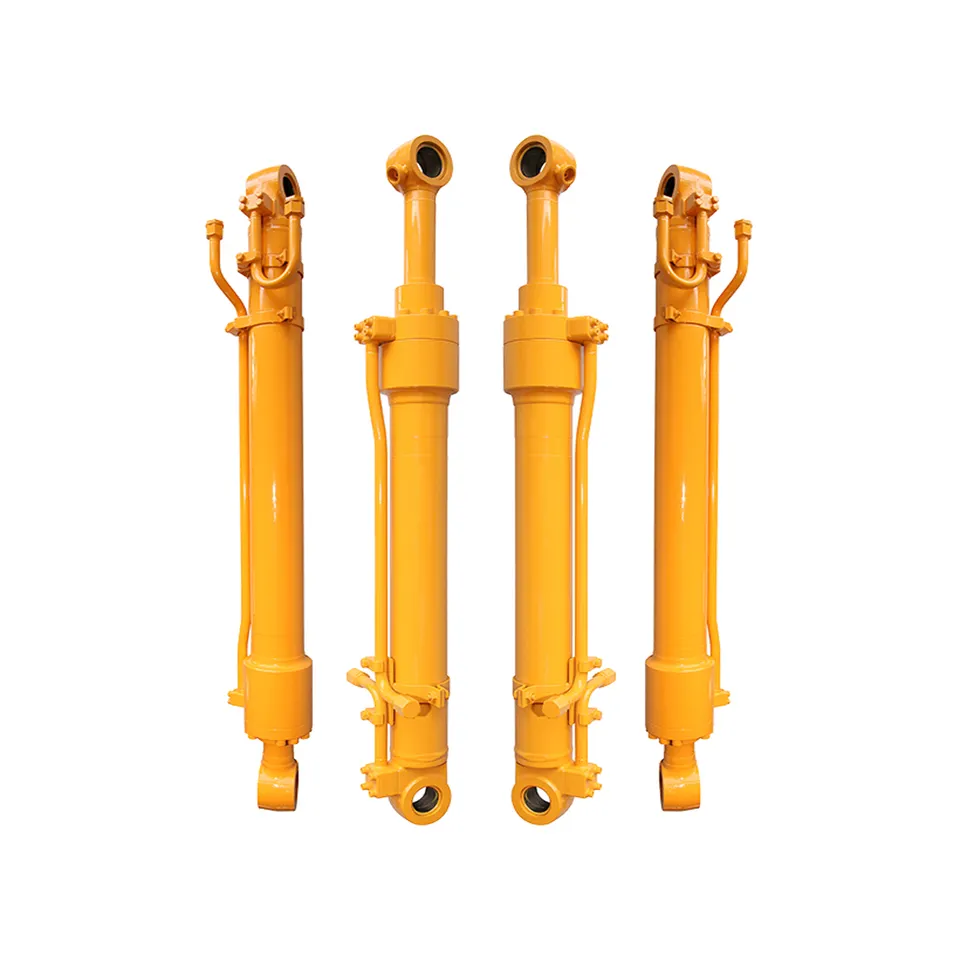
Can lift cylinders be used in dock levelers and loading ramps?
Yes, lift cylinders can be used in dock levelers and loading ramps. Here’s an explanation of their utilization in these applications:
Dock levelers and loading ramps are essential equipment in logistics and transportation facilities, allowing for efficient loading and unloading of goods between trucks and loading docks. Lift cylinders play a crucial role in these systems by providing the necessary lifting and positioning capabilities.
In dock levelers, lift cylinders are employed to bridge the gap between the loading dock and the truck bed, ensuring a smooth transition for material handling equipment such as forklifts or pallet jacks. These cylinders are typically integrated into the mechanical or hydraulic systems of the dock leveler, allowing for controlled vertical movement. By extending or retracting the lift cylinders, the dock leveler can be adjusted to match the height of the truck bed, enabling safe and efficient loading or unloading of cargo.
Loading ramps, also known as mobile yard ramps or portable ramps, are used in situations where a permanent loading dock is not available or when additional flexibility is required. Lift cylinders are utilized in loading ramps to provide the means for height adjustment and inclination control. By extending or retracting the lift cylinders, the ramp can be raised or lowered to align with the truck bed height, facilitating the movement of goods between the ramp and the truck.
The use of lift cylinders in dock levelers and loading ramps ensures precise and controlled positioning during the loading and unloading process. Operators can adjust the lift cylinders to match the specific height requirements, allowing for smooth and safe transfer of materials without causing damage to the goods or the equipment.
Lift cylinders used in dock levelers and loading ramps are designed to withstand heavy loads and endure frequent use. They are constructed with robust materials and incorporate features such as seals and bearings to ensure durability and reliability in demanding industrial environments.
Furthermore, lift cylinders in dock levelers and loading ramps may incorporate safety features such as automatic descent control or velocity fuses. These safety mechanisms help prevent sudden drops or uncontrolled movements in the event of a hydraulic system failure, enhancing the overall safety of the loading and unloading operations.
In summary, lift cylinders are commonly utilized in dock levelers and loading ramps to provide reliable and controlled lifting and positioning capabilities. Their ability to handle heavy loads, facilitate height adjustment, and incorporate safety features makes them integral components in these applications, contributing to efficient and safe material handling operations.
Can lift cylinders be used in manufacturing and production machinery?
Yes, lift cylinders are commonly used in manufacturing and production machinery. Lift cylinders, also known as hydraulic cylinders, are devices that generate linear force and motion through the use of pressurized hydraulic fluid. They are widely employed in various industrial applications for lifting, pushing, pulling, and holding heavy loads.
In manufacturing and production machinery, lift cylinders play a crucial role in providing controlled movement and force for a wide range of tasks. Here are some examples of how lift cylinders are used:
- Material Handling: Lift cylinders are utilized in machinery such as forklifts, cranes, and material handling equipment to lift and transport heavy objects. They allow for precise positioning and movement of loads, improving efficiency and safety in material handling operations.
- Assembly and Automation: Lift cylinders are integrated into assembly lines and automated machinery to perform tasks like part insertion, pressing, and clamping. They provide the necessary force and motion required for assembling components or joining parts together.
- Presses and Punching Machines: Lift cylinders are employed in presses and punching machines to exert force for bending, forming, and shaping materials. These cylinders ensure accurate and consistent results in metalworking processes.
- Industrial Robots: Lift cylinders are used in robotic systems to enable lifting and manipulation of objects. They facilitate the controlled movement of robot arms and end-effectors, allowing robots to perform tasks such as pick-and-place operations, welding, and painting.
Lift cylinders offer several advantages in manufacturing and production machinery. They provide high force capabilities, precise control over movement, compact design, and the ability to operate in various orientations. Furthermore, their hydraulic nature allows for smooth and gradual acceleration and deceleration, reducing the risk of damage to the machinery or the materials being handled.
In conclusion, lift cylinders are extensively utilized in manufacturing and production machinery across different industries. Their versatility, reliability, and ability to generate controlled linear force make them essential components in a wide range of industrial applications.
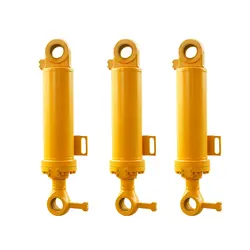
What are the safety considerations when using lift cylinders?
When using lift cylinders, it is crucial to prioritize safety to prevent accidents and ensure the well-being of operators and bystanders. Here are some important safety considerations when using lift cylinders:
1. Proper Training:
Operators should receive proper training on the safe operation of lift cylinders. They should be familiar with the equipment’s capabilities, limitations, and recommended operating procedures. Training should include understanding hydraulic systems, load capacities, stability factors, and proper positioning techniques.
2. Inspection and Maintenance:
Routine inspection and maintenance of lift cylinders are essential for identifying any potential safety hazards. Regularly check for leaks, damaged components, loose connections, or signs of hydraulic fluid contamination. Ensure that all safety features, such as pressure relief valves and load holding devices, are functioning correctly.
3. Load Capacity and Stability:
It is crucial to know and adhere to the lift cylinder’s load capacity limits specified by the manufacturer. Overloading the cylinder can lead to equipment failure, instability, or uncontrolled movements. Properly distribute the load to maintain stability and prevent tipping or imbalance.
4. Secure Mounting:
Ensure that the lift cylinder is securely mounted to the equipment or structure. Follow the manufacturer’s guidelines for proper attachment methods and torque specifications. Loose or improper mounting can compromise the stability and safety of the lifting operation.
5. Control of Movement:
Exercise caution and maintain control over the movement of the lift cylinder. Avoid sudden or jerky motions that can destabilize the load or cause the equipment to tip. Use smooth and controlled movements, and be aware of any potential obstacles or hazards in the surrounding area.
6. Personal Protective Equipment (PPE):
Operators and personnel involved in the lifting operation should wear appropriate personal protective equipment, such as safety glasses, gloves, and steel-toed shoes. PPE helps protect against potential hazards, including hydraulic fluid leaks, falling objects, or accidental contact with moving parts.
7. Emergency Procedures:
Establish clear emergency procedures in case of equipment malfunction, hydraulic system failure, or any other unforeseen circumstances. Operators should be trained on how to respond to emergencies, including proper shutdown procedures, communication protocols, and evacuation plans.
8. Environmental Factors:
Consider the environmental conditions in which the lift cylinders are being used. Factors such as extreme temperatures, high humidity, or corrosive atmospheres can affect the cylinder’s performance and safety. Take appropriate measures, such as using protective covers or selecting cylinders with suitable material coatings, to mitigate these risks.
In summary, ensuring safety when using lift cylinders involves proper training, regular inspection and maintenance, adhering to load capacity limits, secure mounting, controlled movement, using personal protective equipment, establishing emergency procedures, and considering environmental factors. By following these safety considerations, the risk of accidents or injuries associated with lift cylinder operations can be minimized.


editor by CX 2023-10-31