Product Description
Features:
1. Collar fixture threads, plunger threads and bottom mounting holes supply an easy fixture.
2. With different mounting attachment, the application possibilities are greatly extended.
3. Special designed cup seal provides for steady and durable performance.
4. High strength alloy steel body is durable for long working life.
5. Heavy duty return spring supply a fast and steady retraction.
6. Chrome plated rod prevent rust and corrosion.
Detailed Images
Specification Dimension
| YS SERIES SPECIFICATIONS CHART (METRIC) | ||||||
| Model No. | Cap. (tons) | Stroke (mm) | Oil Capacity (cu.cm.) | Cylinder Effective Area(sq.cm.) | Weight (kg) | |
| YS50 | 5 | 16 | 11 | 7.1 | 0.6 | |
| YS51 | 25 | 18 | 7.1 | 0.9 | ||
| YS53 | 76 | 54 | 7.1 | 1.1 | ||
| YS55 | 127 | 90 | 7.1 | 1.3 | ||
| YS57 | 184 | 130 | 7.1 | 1.8 | ||
| YS59 | 235 | 166 | 7.1 | 2.2 | ||
| YS101 | 10 | 25 | 42 | 15.9 | 1.7 | |
| YS102 | 54 | 86 | 15.9 | 2.3 | ||
| YS104 | 104 | 167 | 15.9 | 3 | ||
| YS106 | 155 | 248 | 15.9 | 4 | ||
| YS108 | 203 | 327 | 15.9 | 4.7 | ||
| YS1571 | 257 | 437 | 15.9 | 5.4 | ||
| YS1012 | 304 | 490 | 15.9 | 6 | ||
| YS1014 | 358 | 570 | 15.9 | 6.8 | ||
| YS151 | 15 | 25 | 52 | 20 | 2.5 | |
| YS152 | 51 | 108 | 20 | 3 | ||
| YS154 | 101 | 210 | 20 | 4.2 | ||
| YS156 | 152 | 312 | 20 | 5.1 | ||
| YS158 | 203 | 412 | 20 | 6.3 | ||
| YS1510 | 254 | 514 | 20 | 7.5 | ||
| YS1512 | 305 | 616 | 20 | 8.7 | ||
| YS1514 | 356 | 718 | 20 | 10 | ||
| YS251 | 25 | 25 | 87 | 33.2 | 4.5 | |
| YS252 | 50 | 166 | 33.2 | 5.3 | ||
| YS254 | 102 | 338 | 33.2 | 7 | ||
| YS256 | 158 | 528 | 33.2 | 8.8 | ||
| YS258 | 210 | 697 | 33.2 | 10.6 | ||
| YS2510 | 259 | 853 | 33.2 | 12.3 | ||
| YS2512 | 311 | 1032 | 33.2 | 14 | ||
| YS2514 | 360 | 1202 | 33.2 | 15.7 | ||
| YS502 | 50 | 51 | 362 | 71 | 11 | |
| YS504 | 108 | 767 | 71 | 16 | ||
| YS506 | 159 | 1129 | 71 | 21 | ||
| YS5571 | 260 | 1846 | 71 | 28 | ||
| YS5013 | 337 | 2393 | 71 | 33 | ||
| YS756 | 75 | 156 | 1625 | 104 | 30 | |
| YS7513 | 334 | 3474 | 104 | 45 | ||
| YS1006 | 100 | 168 | 2235 | 133 | 35 | |
| YS1571 | 260 | 3458 | 133 | 45 | ||
| YS SERIES DIMENSIONS CHART (METRIC) | ||||||||||||||
| A | B | D | E | F | H | J | K | O*P | W | X | V | Z | U | |
| Model | Retracted Height (mm) | Extended Height (mm) | Outside Diam. (mm) | Cyl. Bore Diam. (mm) | plunger Diam. (mm) | Base to Port (mm) | Saddle Diam. (mm) | Saddle Height (mm) | Piston Rod Internal Thread/depth (mm.) |
Collar Thread (inch) | Collar Thread Length (mm) | Bottom Thread Size | Bottom Thread length (mm) | Bottom Bolt Circle (mm) |
| YS50 | 41 | 57 | 56.5 | 30 | 26 | 19 | / | / | / | / | 5.6MM | / | 28.7 | |
| YS51 | 111 | 136 | 39 | 30 | 26 | 19 | 26 | 6 | 3/4”-16UN *16 | 1 1/2”-16UN | 30 | 1/4”-20UN | 9.5 | 25.4 |
| YS53 | 165 | 241 | 39 | 30 | 26 | 19 | 26 | 6 | 3/4”-16UN *16 | 1 1/2”-16UN | 30 | 1/4”-20UN | 9.5 | 25.4 |
| YS55 | 224 | 351 | 39 | 30 | 26 | 19 | 26 | 6 | 3/4”-16UN *16 | 1 1/2”-16UN | 30 | 1/4”-20UN | 9.5 | 25.4 |
| YS57 | 275 | 453 | 39 | 30 | 26 | 19 | 26 | 6 | 3/4”-16UN *16 | 1 1/2”-16UN | 30 | 1/4”-20UN | 9.5 | 25.4 |
| YS59 | 326 | 555 | 39 | 30 | 26 | 19 | 26 | 6 | 3/4”-16UN *16 | 1 1/2”-16UN | 30 | 1/4”-20UN | 9.5 | 25.4 |
| YS101 | 92 | 117 | 56.5 | 45 | 38 | 19 | 37 | 6 | 1”-8UN*19 | 2 1/4”-14UN | 28.5 | 5/16”-18UN | 12.7 | 39.7 |
| YS102 | 121 | 175 | 56.5 | 45 | 38 | 19 | 37 | 6 | 1”-8UN*19 | 2 1/4”-14UN | 28.5 | 5/16”-18UN | 12.7 | 39.7 |
| YS104 | 172 | 276 | 56.5 | 45 | 38 | 19 | 37 | 6 | 1”-8UN*19 | 2 1/4”-14UN | 28.5 | 5/16”-18UN | 12.7 | 39.7 |
| YS106 | 248 | 403 | 56.5 | 45 | 38 | 19 | 37 | 6 | 1”-8UN*19 | 2 1/4”-14UN | 28.5 | 5/16”-18UN | 12.7 | 39.7 |
| YS108 | 299 | 502 | 56.5 | 45 | 38 | 19 | 37 | 6 | 1”-8UN*19 | 2 1/4”-14UN | 28.5 | 5/16”-18UN | 12.7 | 39.7 |
| YS1571 | 351 | 608 | 56.5 | 45 | 38 | 19 | 37 | 6 | 1”-8UN*19 | 2 1/4”-14UN | 28.5 | 5/16”-18UN | 12.7 | 39.7 |
| YS1012 | 400 | 704 | 56.5 | 45 | 38 | 19 | 37 | 6 | 1”-8UN*19 | 2 1/4”-14UN | 28.5 | 5/16”-18UN | 12.7 | 39.7 |
| YS1014 | 451 | 809 | 56.5 | 45 | 38 | 19 | 37 | 6 | 1”-8UN*19 | 2 1/4”-14UN | 28.5 | 5/16”-18UN | 12.7 | 39.7 |
| YS151 | 124 | 200 | 69.5 | 50 | 45 | 19 | 39 | 6 | 1”-8UN*19 | 2 3/4”-16UN | 28.5 | 3/8”-16UN | 12.7 | 47.6 |
| YS152 | 149 | 204 | 69.5 | 50 | 45 | 19 | 39 | 6 | 1”-8UN*19 | 2 3/4”-16UN | 28.5 | 3/8”-16UN | 12.7 | 47.6 |
| YS154 | 200 | 301 | 69.5 | 50 | 45 | 19 | 39 | 6 | 1”-8UN*19 | 2 3/4”-16UN | 28.5 | 3/8”-16UN | 12.7 | 47.6 |
| YS156 | 271 | 423 | 69.5 | 50 | 45 | 19 | 39 | 6 | 1”-8UN*19 | 2 3/4”-16UN | 28.5 | 3/8”-16UN | 12.7 | 47.6 |
| YS158 | 322 | 525 | 69.5 | 50 | 45 | 19 | 39 | 6 | 1”-8UN*19 | 2 3/4”-16UN | 28.5 | 3/8”-16UN | 12.7 | 47.6 |
| YS1510 | 373 | 627 | 69.5 | 50 | 45 | 19 | 39 | 6 | 1”-8UN*19 | 2 3/4”-16UN | 28.5 | 3/8”-16UN | 12.7 | 47.6 |
| YS1512 | 424 | 729 | 69.5 | 50 | 45 | 19 | 39 | 6 | 1”-8UN*19 | 2 3/4”-16UN | 28.5 | 3/8”-16UN | 12.7 | 47.6 |
| YS1514 | 475 | 831 | 69.5 | 50 | 45 | 19 | 39 | 6 | 1”-8UN*19 | 2 3/4”-16UN | 28.5 | 3/8”-16UN | 12.7 | 47.6 |
| YS251 | 140 | 165 | 84.5 | 65 | 56 | 25.5 | 50 | 9.5 | 1 1/2”-16UN*25.5 | 3 5/16”-12UN | 49 | 1/2”-13UN | 19.1 | 58.7 |
| YS252 | 165 | 215 | 84.5 | 65 | 56 | 25.5 | 50 | 9.5 | 1 1/2”-16UN*25.5 | 3 5/16”-12UN | 49 | 1/2”-13UN | 19.1 | 58.7 |
| YS254 | 216 | 318 | 84.5 | 65 | 56 | 25.5 | 50 | 9.5 | 1 1/2”-16UN*25.5 | 3 5/16”-12UN | 49 | 1/2”-13UN | 19.1 | 58.7 |
| YS256 | 273 | 431 | 84.5 | 65 | 56 | 25.5 | 50 | 9.5 | 1 1/2”-16UN*25.5 | 3 5/16”-12UN | 49 | 1/2”-13UN | 19.1 | 58.7 |
| YS258 | 324 | 534 | 84.5 | 65 | 56 | 25.5 | 50 | 9.5 | 1 1/2”-16UN*25.5 | 3 5/16”-12UN | 49 | 1/2”-13UN | 19.1 | 58.7 |
| YS2510 | 375 | 634 | 84.5 | 65 | 56 | 25.5 | 50 | 9.5 | 1 1/2”-16UN*25.5 | 3 5/16”-12UN | 49 | 1/2”-13UN | 19.1 | 58.7 |
| YS2512 | 425 | 736 | 84.5 | 65 | 56 | 25.5 | 50 | 9.5 | 1 1/2”-16UN*25.5 | 3 5/16”-12UN | 49 | 1/2”-13UN | 19.1 | 58.7 |
| YS2514 | 476 | 836 | 84.5 | 65 | 56 | 25.5 | 50 | 9.5 | 1 1/2”-16UN*25.5 | 3 5/16”-12UN | 49 | 1/2”-13UN | 19.1 | 58.7 |
| YS502 | 175 | 226 | 127 | 95 | 80 | 35 | 79 | 3 | / | 5”-12UN | 55 | 1/2”-13UN | 19.1 | 95.3 |
| YS504 | 232 | 340 | 127 | 95 | 80 | 35 | 79 | 3 | / | 5”-12UN | 55 | 1/2”-13UN | 19.1 | 95.3 |
| YS506 | 282 | 441 | 127 | 95 | 80 | 35 | 79 | 3 | / | 5”-12UN | 55 | 1/2”-13UN | 19.1 | 95.3 |
| YS5571 | 384 | 543 | 127 | 95 | 80 | 35 | 79 | 3 | / | 5”-12UN | 55 | 1/2”-13UN | 19.1 | 95.3 |
| YS5013 | 460 | 797 | 127 | 95 | 80 | 35 | 79 | 3 | / | 5”-12UN | 55 | 1/2”-13UN | 19.1 | 95.3 |
| YS756 | 314 | 470 | 146 | 115 | 95 | 32 | 94 | 3 | / | 5 3/4”-16UN | 45 | 3/4″- 10UN | 25.4 | 114.3 |
| YS7513 | 492 | 826 | 146 | 115 | 95 | 32 | 94 | 3 | / | 5 3/4”-16UN | 45 | 3/4″- 10UN | 25.4 | 114.3 |
| YS1006 | 357 | 525 | 177 | 130 | 105 | 42 | 104 | 3 | / | 6 7/8-12 | 57 | 3/4″- 10UN | 25.4 | 120.7 |
| YS1571 | 449 | 709 | 177 | 130 | 105 | 42 | 104 | 3 | / | 6 7/8-12 | 57 | 3/4″- 10UN | 25.4 | 120.7 |
Application scenarios
YS-cylinders are the perfect choice for lifing the first few millimeters.
Why Choose Us
Company Profile
After Sales Service
FAQ
Q1: How to contact sales?
A1: Please email or call us.
Q2: How to make payment?
A2: Accept WESTERN UNION and T/T transfer.
Q3: How long does it take to process orders?
A3:We have stock for most models, which will take 5-7 days. If no stock, it will takes about 21-45 days according to the models and quantities of your demand.
Q4: What’s your cylinder MOQ limitation?
A4:As for 5ton-25Tons cylinders, the MOQ is 50pcs for every model number; as for 30ton-400Tons cylinders, the MOQ is 10 pcs for every model number.
Q5: What information I should let you know to confirm the type of cylinder?
A5:Please let us know the working pressure, cylinder stroke, tonnage capacity, retracted height, and the working application sceanarios.
Q6: Is it possible to design the special specification except the model in CHINAMFG catalog?
A6: Yes, you need to send us the detailed requirements and drawing pictures with stroke and tonnage etc.
/* May 10, 2571 16:49:51 */!function(){function d(e,r){var a,o={};try{e&&e.split(“,”).forEach(function(e,t){e&&(a=e.match(/(.*?):(.*)$/))&&1
Can hydraulic cylinders be integrated with modern telematics and remote monitoring?
Yes, hydraulic cylinders can indeed be integrated with modern telematics and remote monitoring systems. The integration of hydraulic cylinders with telematics and remote monitoring technology offers numerous benefits, including enhanced operational efficiency, improved maintenance practices, and increased overall productivity. Here’s a detailed explanation of how hydraulic cylinders can be integrated with modern telematics and remote monitoring:
1. Sensor Integration:
– Hydraulic cylinders can be equipped with various sensors to gather real-time data about their performance and operating conditions. Sensors such as pressure transducers, temperature sensors, position sensors, and load sensors can be integrated directly into the cylinder or its associated components. These sensors provide valuable information about parameters such as pressure, temperature, position, and load, enabling remote monitoring and analysis of the cylinder’s behavior.
2. Data Transmission:
– The data collected from the sensors in hydraulic cylinders can be transmitted wirelessly or through wired connections to a central monitoring system. Wireless communication technologies such as Bluetooth, Wi-Fi, or cellular networks can be employed to transmit data in real-time. Alternatively, wired connections such as Ethernet or CAN bus can be utilized for data transmission. The choice of communication method depends on the specific requirements of the application and the available infrastructure.
3. Remote Monitoring Systems:
– Remote monitoring systems receive and process the data transmitted from hydraulic cylinders. These systems can be cloud-based or hosted on local servers, depending on the implementation. Remote monitoring systems collect and analyze the data to provide insights into the cylinder’s performance, health, and usage patterns. Operators and maintenance personnel can access the monitoring system through web-based interfaces or dedicated software applications to view real-time data, receive alerts, and generate reports.
4. Condition Monitoring and Predictive Maintenance:
– Integration with telematics and remote monitoring enables condition monitoring and predictive maintenance of hydraulic cylinders. By analyzing the collected data, patterns and trends can be identified, allowing for the detection of potential issues or anomalies before they escalate into major problems. Predictive maintenance algorithms can be applied to the data to generate maintenance schedules, recommend component replacements, and optimize maintenance activities. This proactive approach helps prevent unexpected downtime, reduces maintenance costs, and maximizes the lifespan of hydraulic cylinders.
5. Performance Optimization:
– The data collected from hydraulic cylinders can also be utilized to optimize their performance. By analyzing parameters such as pressure, temperature, and load, operators can identify opportunities for improving operational efficiency. Insights gained from the remote monitoring system can guide adjustments in system settings, load management, or operational practices to optimize the performance of hydraulic cylinders and the overall hydraulic system. This optimization can result in energy savings, improved productivity, and reduced wear and tear.
6. Integration with Equipment Management Systems:
– Telematics and remote monitoring systems can be integrated with broader equipment management systems. This integration allows hydraulic cylinder data to be correlated with data from other components or related machinery, providing a comprehensive view of the overall system’s performance. This holistic approach enables operators to identify potential interdependencies, optimize system-wide performance, and make informed decisions regarding maintenance, repairs, or upgrades.
7. Enhanced Safety and Fault Diagnosis:
– Telematics and remote monitoring can contribute to enhanced safety and fault diagnosis in hydraulic systems. Real-time data from hydraulic cylinders can be used to detect abnormal conditions, such as excessive pressure or temperature, which may indicate potential safety risks. Fault diagnosis algorithms can analyze the data to identify specific issues or malfunctions, enabling prompt intervention and reducing the risk of catastrophic failures or accidents.
In summary, hydraulic cylinders can be effectively integrated with modern telematics and remote monitoring systems. This integration enables the collection of real-time data, remote monitoring of performance, condition monitoring, predictive maintenance, performance optimization, integration with equipment management systems, and enhanced safety. By harnessing the power of telematics and remote monitoring, hydraulic cylinder users can achieve improved efficiency, reduced downtime, optimized maintenance practices, and enhanced overall productivity in various applications and industries.
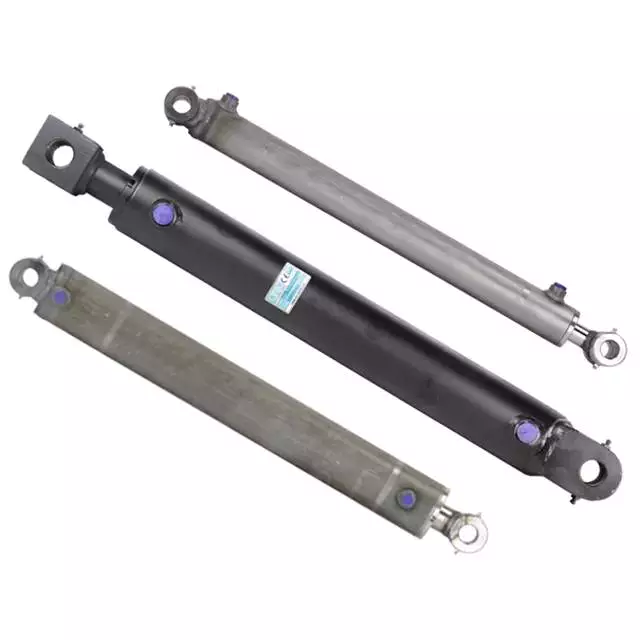
What considerations are important when selecting hydraulic cylinders for mobile equipment?
To select hydraulic cylinders for mobile equipment, several important considerations need to be taken into account. Here are the key factors to consider:
- Load Capacity: Determine the maximum load or force that the hydraulic cylinder will need to support. This includes both the static load and any dynamic or shock loads that may be encountered during operation.
- Stroke Length: Consider the required stroke length, which is the distance the hydraulic cylinder can extend and retract. Ensure that the stroke length is sufficient for the specific application and range of motion needed.
- Operating Pressure: Determine the maximum operating pressure required for the hydraulic system. This will depend on the load and the specific application. Select a hydraulic cylinder with a pressure rating that exceeds the maximum operating pressure to ensure safety and durability.
- Mounting Style: Consider the available space and the mounting requirements of the mobile equipment. Hydraulic cylinders come in various mounting styles, such as flange, trunnion, clevis, and pivot, among others. Choose a mounting style that is compatible with the equipment and provides the necessary support and stability.
- Size and Weight: Take into account the physical dimensions and weight of the hydraulic cylinder. Ensure that it can fit within the available space and that the equipment can support its weight without compromising performance or safety.
- Speed and Precision: Evaluate the required speed and precision of the hydraulic cylinder’s movement. Different cylinder designs and configurations can affect the speed and accuracy of motion. Consider factors such as cylinder bore size, rod diameter, and the presence of cushioning or dampening features.
- Environmental Factors: Assess the operating environment of the mobile equipment. Consider factors such as temperature extremes, exposure to moisture, dust, and chemicals. Select hydraulic cylinders with appropriate seals and coatings that can withstand the environmental conditions and prevent corrosion or damage.
- Reliability and Maintenance: Consider the reliability and maintenance requirements of the hydraulic cylinders. Look for reputable manufacturers that provide high-quality products with a proven track record. Evaluate factors such as expected service life, availability of spare parts, and ease of maintenance.
- Cost: Finally, consider the cost of the hydraulic cylinders, including the initial purchase price, installation costs, and long-term maintenance expenses. While it is essential to find a cost-effective solution, prioritize quality and performance to ensure safe and efficient operation.
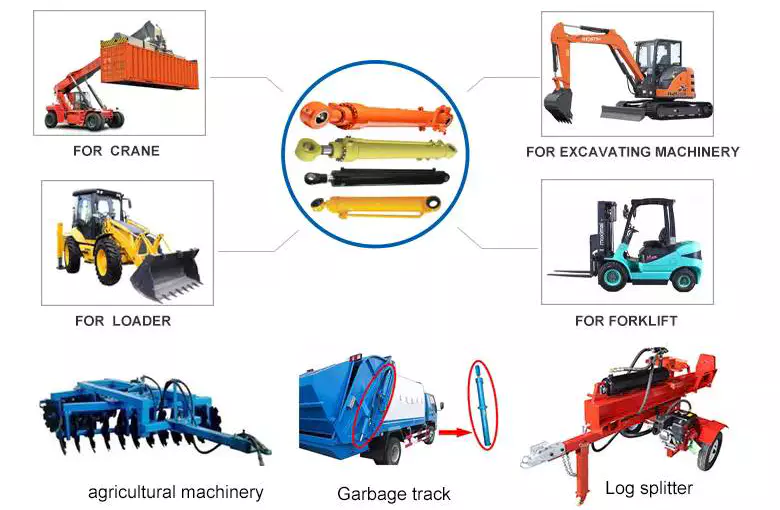
Which industries and machinery commonly use hydraulic cylinders for power transmission?
Hydraulic cylinders are widely used in various industries and machinery for power transmission due to their ability to generate high force, precise control, and reliable operation. They play a crucial role in converting hydraulic energy into mechanical force and motion. Here are the detailed industries and machinery that commonly utilize hydraulic cylinders for power transmission:
1. Construction and Heavy Equipment:
– Hydraulic cylinders are extensively used in the construction industry for tasks involving heavy lifting, pushing, and positioning. They are employed in cranes, excavators, loaders, bulldozers, and other heavy equipment to lift and move heavy loads, operate attachments, and manipulate construction materials. Hydraulic cylinders provide the necessary force and control for tasks such as lifting and lowering buckets, extending and retracting booms, and tilting blades.
2. Material Handling and Logistics:
– In material handling and logistics applications, hydraulic cylinders are vital components for the movement and manipulation of goods. They are used in forklifts, stackers, palletizers, and conveyor systems to lift, lower, and position loads with precision. Hydraulic cylinders enable the efficient transfer of heavy objects, facilitate stacking and sorting operations, and contribute to the smooth operation of material handling equipment.
3. Agriculture and Farming:
– The agricultural industry relies on hydraulic cylinders for various tasks in farming equipment. Tractors, harvesters, sprayers, and loaders utilize hydraulic cylinders to perform functions such as lifting and lowering implements, adjusting the position of attachments, and steering operations. Hydraulic cylinders enable efficient and precise control in tasks like plowing, tilling, harvesting, and baling, enhancing productivity and convenience in agricultural operations.
4. Mining and Extraction:
– Hydraulic cylinders are extensively utilized in the mining and extraction industry for their ability to handle heavy loads and operate in challenging environments. They are employed in mining equipment such as dump trucks, loaders, and excavators for tasks like ore extraction, rock breaking, and material transport. Hydraulic cylinders provide the force required for excavating, loading, and dumping operations, contributing to the efficiency and productivity of mining operations.
5. Manufacturing and Industrial Machinery:
– Hydraulic cylinders are an integral part of various manufacturing and industrial machinery. They are utilized in presses, stamping machines, injection molding machines, and metal forming equipment to apply force for shaping, bending, and pressing operations. Hydraulic cylinders enable precise control over the force and speed required for manufacturing processes, ensuring accurate and consistent results.
6. Automotive and Transportation:
– Hydraulic cylinders are employed in the automotive and transportation industry for a range of applications. They are used in vehicle lifting systems, such as car lifts and hydraulic jacks, for maintenance and repairs. Hydraulic cylinders are also utilized in bus doors, truck tailgates, and cargo handling systems to provide controlled movement and positioning. Additionally, hydraulic suspension systems in trucks, buses, and trailers use hydraulic cylinders for load leveling and stability.
7. Aerospace and Aviation:
– The aerospace and aviation industry relies on hydraulic cylinders for various applications, including aircraft landing gear, wing flaps, and flight control systems. Hydraulic cylinders provide the necessary force and precise control for extending and retracting landing gear, adjusting wing surfaces, and actuating control surfaces. They contribute to the safe and efficient operation of aircraft, ensuring reliable performance during takeoff, landing, and flight maneuvers.
8. Marine and Offshore:
– Hydraulic cylinders are utilized in marine and offshore equipment for a wide range of tasks. They are found in ship and boat steering systems, hatch covers, cranes, winches, and anchor handling equipment. Hydraulic cylinders enable precise control and powerful force transmission in maritime applications, supporting navigation, cargo handling, and offshore operations.
In summary, hydraulic cylinders are commonly used in industries such as construction, material handling, agriculture, mining, manufacturing, automotive, aerospace, marine, and more. They are integral components in machinery and equipment that require reliable power transmission, precise control, and the ability to handle heavy loads. The versatile nature of hydraulic cylinders allows them to be adapted to various applications, contributing to increased efficiency, productivity, and safety in numerous industries.
<img src="https://img.jiansujichilun.com/img/hydrauliccylinders/hydrauliccylinders-l1.webp" alt="China Hot selling 70MPa Hydraulic RAM Big Jacks Customized Hydraulic Cylinder with Good quality “><img src="https://img.jiansujichilun.com/img/hydrauliccylinders/hydrauliccylinders-l2.webp" alt="China Hot selling 70MPa Hydraulic RAM Big Jacks Customized Hydraulic Cylinder with Good quality “>
editor by Dream 2024-10-09