Product Description
Product Description
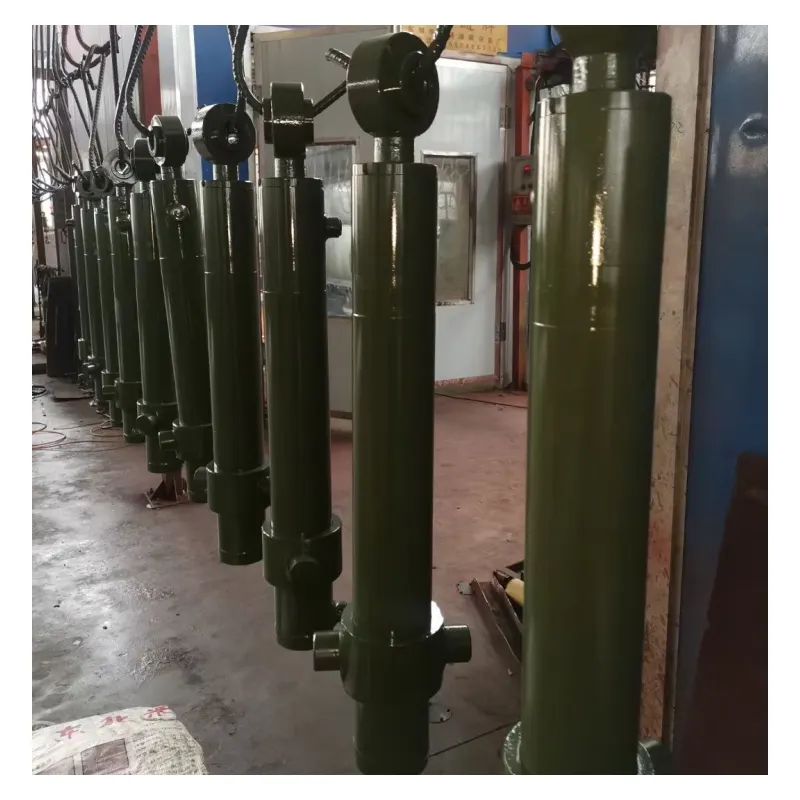
HSG Engineering hydraulic cylinder
HSG series double-acting single-rod piston hydraulic cylinder is an actuator for reciprocating linear motion in hydraulic system. It has the characteristics of simple structure, reliable operation,convenient assembly and disassembly easy maintenance various installation and connection methods. and can be equipped with buffer devices. According to the different connection methods of the piston rod there are 4 categories and 45 types of specifications and models.
Product Parameters
| Way of action | Double acting /Single acting | ||||
| MPa Pressure level | 0-16MPa | 16-21MPa | 21-25MPa | 25-40MPa | |
| Cylinder D. range | Φ40~Φ1500mm | ||||
| Travel range: | 0~≤15m | ||||
| Ambient temperature: | -20ºC~+80ºC, +80ºC~+350ºC | ||||
| Work medium | Anti-wear hydraulic oil Water glycol fire resistant hydraulic oil |
||||
| Cylinder head form | Extermalthread connection Internal card key connection Flangeconnection |
||||
| Installation form | Earring connection | Pin connection | Flange connection | ||
Detailed Photos
Product name:HSG140/90-500
Action type:Double acting
Cylinder bore diameter:140mm
Piston rod diameter:90mm
Cylinder stroke:500mm
Working pressure:16MPa
Working temperature:-25~80ºC
Mounting type:Eyelet mounting
Pushing force: 20tons
Cylinder materials:45 steel
/* May 10, 2571 16:49:51 */!function(){function d(e,r){var a,o={};try{e&&e.split(“,”).forEach(function(e,t){e&&(a=e.match(/(.*?):(.*)$/))&&1
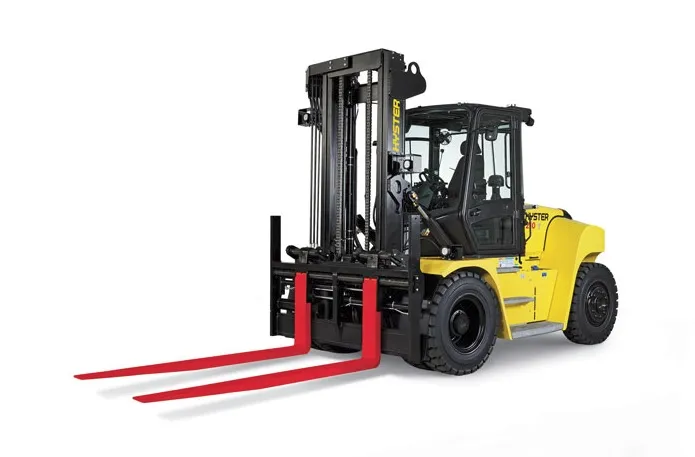
Can hydraulic cylinders be used in rough terrain forklifts?
Yes, hydraulic cylinders can be used in rough terrain forklifts. Hydraulic systems, including hydraulic cylinders, are an essential component of rough terrain forklifts and play a crucial role in their operation. Here’s an explanation of their use:
Rough terrain forklifts are specifically designed to operate in challenging outdoor environments, such as construction sites, lumber yards, and agricultural settings. These forklifts are equipped with features that allow them to navigate uneven terrain, slopes, and other rough surfaces. Hydraulic cylinders are integral to their performance in the following ways:
1. Lifting Functionality:
The hydraulic cylinder in a rough terrain forklift is responsible for lifting and lowering the load-carrying forks. It provides the necessary force to elevate heavy loads to the desired height. The hydraulic system allows precise control over the lifting speed and positioning, enabling efficient material handling even on rough and uneven surfaces.
2. Suspension System:
Rough terrain forklifts are equipped with a suspension system that helps absorb shocks and vibrations during operation. Hydraulic cylinders are often used as part of the suspension system to provide damping and improve ride comfort. These cylinders help cushion the impact of uneven terrain, reducing the transfer of vibrations to the forklift and the load being carried.
3. Stability and Balance:
Hydraulic cylinders contribute to the stability and balance of rough terrain forklifts. They are used to control the extension and retraction of the mast assembly, which supports the forks and the load. By adjusting the mast height and angle, the cylinders help maintain stability and balance, especially when operating on slopes or uneven ground.
4. Steering and Maneuverability:
Some rough terrain forklifts utilize hydraulic cylinders in their steering mechanisms. These cylinders assist in turning and maneuvering the forklift, allowing it to navigate through tight spaces and negotiate obstacles on rough terrain. The hydraulic system provides the necessary power and control for smooth and precise steering operations.
Overall, hydraulic cylinders are essential components of rough terrain forklifts. They enable the lifting functionality, contribute to the suspension system for improved ride comfort, help maintain stability and balance, and assist in steering and maneuverability. By utilizing hydraulic power, these forklifts can effectively handle the challenges of rough outdoor environments and ensure efficient material handling operations.
In summary, hydraulic cylinders are indeed used in rough terrain forklifts. Their presence in these forklifts enables reliable lifting, enhances stability and balance, improves ride comfort through suspension systems, and assists in steering and maneuverability on uneven surfaces. The use of hydraulic technology is instrumental in achieving optimal performance and productivity in rough terrain applications.
How does a forklift hydraulic cylinder handle variations in seal technology?
A forklift hydraulic cylinder is designed to handle variations in seal technology to ensure effective sealing and reliable performance. Here’s an explanation of how it achieves this:
The hydraulic cylinder’s ability to accommodate different seal technologies is essential for maintaining hydraulic fluid integrity and preventing leakage. The cylinder handles variations in seal technology through the following mechanisms:
1. Seal Compatibility:
Forklift hydraulic cylinders are designed to be compatible with various types of seal technologies. Different seal materials and designs are available, such as O-rings, lip seals, and composite seals. The cylinder is manufactured with precise dimensions and tolerances to accommodate the specific seal technology being used. This compatibility ensures a proper fit and seal, regardless of the seal technology employed.
2. Material Selection:
The choice of cylinder material is also crucial in handling variations in seal technology. Different seal materials have varying compatibility with specific cylinder materials. Forklift hydraulic cylinders are typically constructed using materials such as steel or aluminum alloys, which offer excellent compatibility with a wide range of seal technologies. The cylinder material is selected to work harmoniously with different seal materials, ensuring reliable sealing performance.
3. Seal Design and Construction:
The design and construction of seals in the hydraulic cylinder are optimized to accommodate variations in seal technology. Seal manufacturers develop seals with specific features and characteristics tailored to different applications. These features may include improved sealing lip geometry, advanced materials with enhanced wear resistance, and specialized sealing mechanisms. The cylinder is designed to accommodate these variations, providing the necessary space and support for the specific seal technology being utilized.
4. Testing and Quality Control:
Hydraulic cylinders undergo rigorous testing and quality control processes to ensure seal compatibility and performance. During manufacturing, seals are inspected for proper fit, dimensions, and sealing integrity. The hydraulic system is also subjected to pressure and leakage tests to verify the effectiveness of the seals and overall system performance. These testing and quality control measures help identify any issues related to seal technology and allow for necessary adjustments or improvements.
In summary, a forklift hydraulic cylinder handles variations in seal technology through seal compatibility, appropriate material selection, seal design and construction, and rigorous testing and quality control. These measures ensure that the cylinder can effectively accommodate different seal technologies, providing reliable sealing performance and preventing hydraulic fluid leakage.
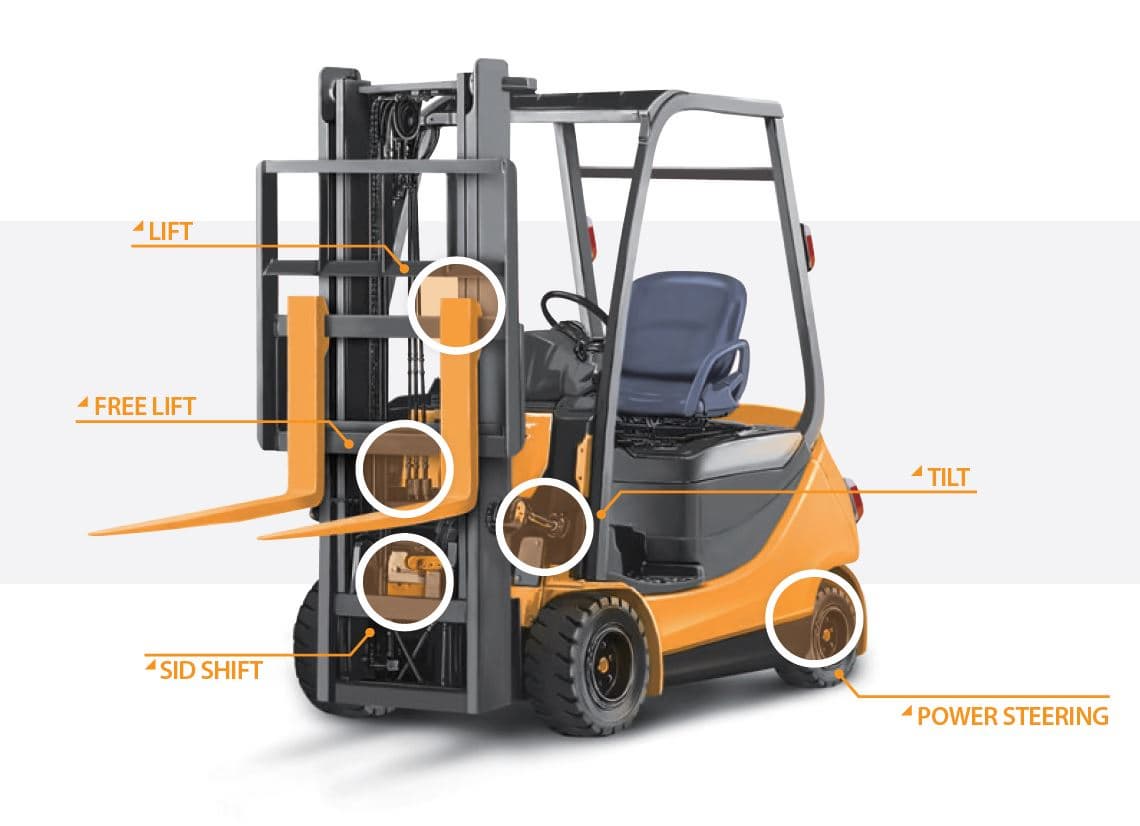
What is a forklift hydraulic cylinder and how does it work?
A forklift hydraulic cylinder is a crucial component in the hydraulic system of a forklift. It is responsible for generating the force required to lift and lower the load. Here’s a detailed explanation of its function and operation:
Function:
A forklift hydraulic cylinder is designed to convert hydraulic pressure into linear force. It consists of a cylindrical barrel, a piston, piston rod, seals, and ports for hydraulic fluid entry and exit. The cylinder is usually mounted vertically within the forklift’s mast assembly.
Operation:
The hydraulic cylinder operates based on the principle of Pascal’s law, which states that when pressure is applied to a fluid in an enclosed system, the pressure is transmitted equally in all directions.
When the operator activates the forklift’s hydraulic control, hydraulic fluid (usually oil) is pressurized and directed into the cylinder through the inlet port. The pressurized fluid enters one side of the cylinder, pushing the piston and piston rod upwards.
As the piston rod extends, it applies force to the load-bearing structure of the forklift, such as the mast or the lifting mechanism. This force enables the forklift to lift heavy loads to the desired height.
Conversely, when the operator releases the hydraulic control, the hydraulic fluid is allowed to exit the cylinder through the outlet port. The fluid flows back into the hydraulic reservoir, and the weight of the load or a counterbalance system helps lower the piston and piston rod.
The hydraulic cylinder’s movement is controlled by the operator through the forklift’s hydraulic control system, which regulates the flow of hydraulic fluid into and out of the cylinder. By adjusting the flow rate and direction, the operator can control the speed and direction of the cylinder’s extension and retraction.
The seals within the hydraulic cylinder prevent fluid leakage and ensure efficient operation. They help maintain the pressure inside the cylinder, allowing the hydraulic system to generate the necessary force consistently.
In summary, a forklift hydraulic cylinder is a hydraulic device that converts hydraulic pressure into linear force. It operates based on Pascal’s law, using pressurized hydraulic fluid to extend and retract the piston rod, enabling the forklift to lift and lower heavy loads.
<img src="https://img.jiansujichilun.com/img/hydrauliccylinders/hydrauliccylinders-l1.webp" alt="China high quality Single Acting Rear Flange Mount Wleded Hydraulic Cylinder for Forklift vacuum pump ac”><img src="https://img.jiansujichilun.com/img/hydrauliccylinders/hydrauliccylinders-l2.webp" alt="China high quality Single Acting Rear Flange Mount Wleded Hydraulic Cylinder for Forklift vacuum pump ac”>
editor by Dream 2024-10-11