Product Description
Product Description
| Item | Underbody Hydraulic Cylinder |
| Application | Dump Truck&Trailer,Tipper,Dumper etc |
| HS CODE | 8412210090 |
| Each Stage Diameter(mm) | 214/191/169/149/129/110/91/75/60; 202/179/157/137/118/99/80/63; 221/196/172/150/129/110/91/75/60; 180/160/140/120/105/90/75/60/45/30; |
| Max.Stroke(mm) | 2500mm |
| Max.Pressure(MPa) | 20MPa/200BAR/2900PSI |
| Raw Matrial | Alloy Steel 27SiMn/16Mn/45#/20# seamless steel pipe |
| Seal Kits | Hallite,Kaden,Merkel,Guarnitec etc |
| Color | Black,Blue,Red,Gray,White etc |
| Chrome | Hard chrome plated |
| Chrome Thickness(mm) | 0.015-0.571mm |
| Package | Plywood Pallet,Steel Pallet etc suitable for export |
| Warranty | 14 months |
| Overseas Client | USA,Canada,Mexico,Guatemala,Colombia,Ecuador,Australia,New Zealand,South Korea etc |
Hydraulic Cylinder Images
Hydraulic Cylinder Application
Other Hot Selling Hydraulic Cylinders
Package&Shipping
Overseas Clients
FAQ
A. Compared with HYVA/PARKER/CUSTOM/PENTA cylinder, what are your cylinder advantages?
1. Rod are chrome plated.
2. Tubes are quenched and tempered.
3.Tube inner hole goes through deep hole boring machine processing. Surface roughness is 0.4Ra
and circular degree is 0.571.
4. Good quality yet lower price.
B: Are you a manufacture or a trade company?
Manufacture, we are the leader manufacturer of hydraulic industry in China with 14 years’ experience and technology accumulation.
With strong technical team we could solve any annoyance of you.
C: How can I get a booklet and buy a cylinder from you?
Just leave me a message or email or call me directly, let me know you are interesting in our products. I will talk with you for the details soon!
1. Please advice the drawing with technical requirement.
2. Please advice the model No. after you check our booklet.
3. Please advice the tipping capacity, number of stages, closed length, mounting type and size.
4. Please also help advice the quantities, this is very important.
D: Do your products come with a warranty?
Yes, we have 14 months warranty. In this year, if the quality problem we will free repair for you.
E: What about the quality feedback of your products?
We have never received even once quality complaint for many years of international business.
F: Can you help me to install or recommend what kind of hydraulic cylinder or power pack should I use for specific machine?
Yes, we have 6 experienced engineers who are always ready to help you. If you do not know what kind of hydraulic cylinders should be used in your machine, please just contact us, our engineers will design the exact products match your need.
G: What is the delivery time?
Within 15 days for samples.
25-30 days for bulk production, which is depend on quality, production process and so on.
H: What is your main payment term?
T/T, L/C, either is available.
| Certification: | CE, ISO9001 |
|---|---|
| Pressure: | High Pressure |
| Work Temperature: | Normal Temperature |
| Acting Way: | Single Acting |
| Working Method: | Straight Trip |
| Adjusted Form: | Regulated Type |
| Samples: |
US$ 60/Piece
1 Piece(Min.Order) | |
|---|
| Customization: |
Available
|
|
|---|
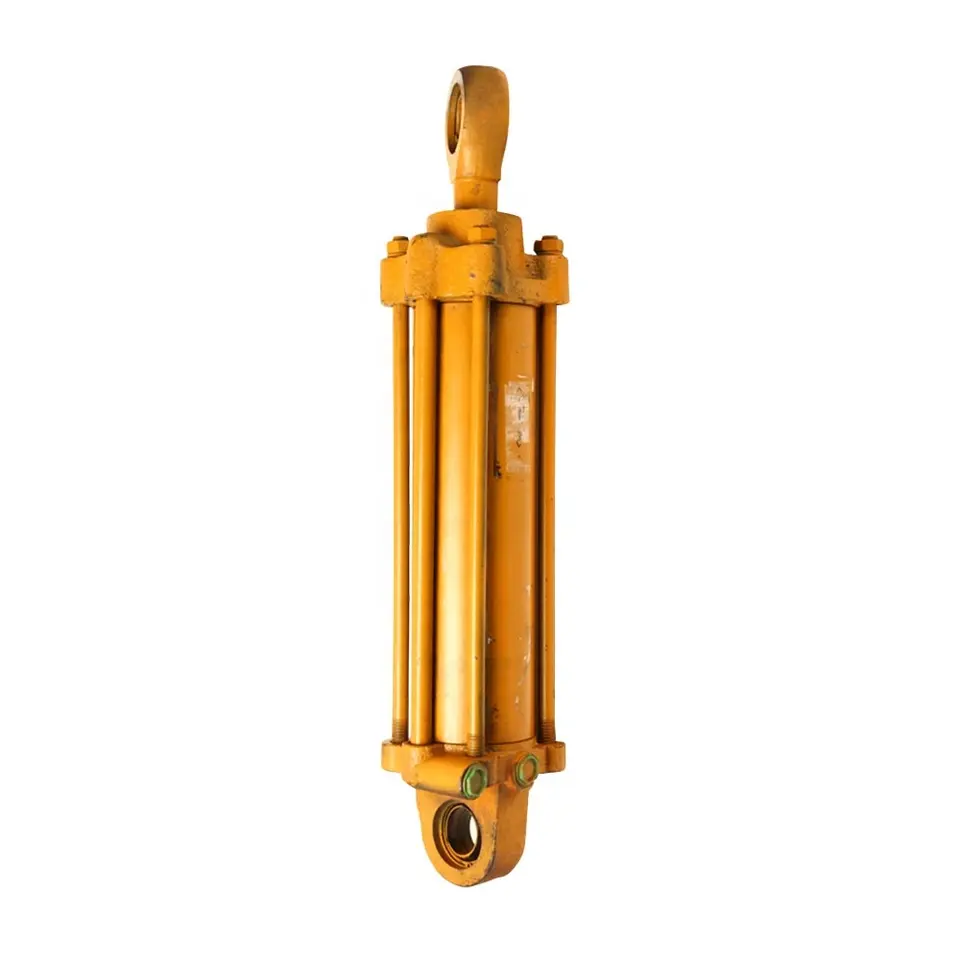
How does a lift cylinder handle variations in fluid pressure and flow rate?
A lift cylinder is designed to handle variations in fluid pressure and flow rate in order to ensure smooth and controlled operation. Here’s an explanation of how lift cylinders handle these variations:
1. Fluid Pressure:
Lift cylinders are typically part of a hydraulic system that utilizes pressurized fluid to generate the necessary force for lifting. The lift cylinder is designed to withstand varying fluid pressure levels. When the fluid pressure is increased, the lift cylinder can handle the additional force exerted on its piston. Conversely, when the fluid pressure decreases, the lift cylinder adjusts accordingly and maintains its functionality.
2. Flow Rate:
The flow rate of hydraulic fluid determines the speed at which the lift cylinder extends or retracts. Lift cylinders are designed to accommodate variations in flow rate. By controlling the flow rate of the hydraulic fluid through the use of control valves or flow control devices, operators can adjust the speed of the lift cylinder’s movement. This allows for precise and controlled lifting operations.
3. Control Valves:
Control valves are an integral part of the hydraulic system that regulates the fluid pressure and flow rate. Lift cylinders are often equipped with control valves that enable operators to control the movement of the cylinder by adjusting the pressure and flow of the hydraulic fluid. These valves can be manually operated or automated, providing flexibility in handling variations in fluid pressure and flow rate.
4. Cylinder Design:
Lift cylinders are designed to be robust and durable, capable of withstanding variations in fluid pressure and flow rate. The cylinder’s construction and materials are selected to ensure optimal performance under different operating conditions. Seals and other components within the lift cylinder are designed to maintain their functionality and prevent leakage, even when subjected to changes in fluid pressure and flow rate.
5. Fluid Control Systems:
In more advanced lift cylinder systems, fluid control systems may be employed to handle variations in fluid pressure and flow rate. These systems can include pressure relief valves, flow control valves, or proportional valves. Pressure relief valves protect the lift cylinder and the hydraulic system from excessive pressure, while flow control valves regulate the flow rate of the hydraulic fluid. Proportional valves provide precise control over both pressure and flow, allowing for fine-tuning of the lift cylinder’s movement.
In summary, lift cylinders are designed to handle variations in fluid pressure and flow rate to ensure smooth and controlled lifting operations. With the use of control valves, robust cylinder design, and fluid control systems, lift cylinders can adapt to changes in fluid pressure and flow rate, providing reliable and efficient performance.
How Does a Lift Cylinder Handle Variations in Cylinder Mounting and Configuration?
A lift cylinder is designed to handle variations in cylinder mounting and configuration, allowing for flexibility in different application scenarios. The construction and features of lift cylinders enable them to adapt to different mounting orientations and accommodate variations in configuration. Here’s a detailed explanation of how a lift cylinder handles variations in cylinder mounting and configuration:
- Mounting Flexibility:
- Adjustable Stroke Length:
- Modular Design:
- Flexible Mounting Accessories:
- Customization Options:
- Compliance with Industry Standards:
Lift cylinders are engineered to provide mounting flexibility, allowing them to be installed in various orientations and positions. They can be mounted vertically, horizontally, or at inclined angles, depending on the specific requirements of the application. Lift cylinders often feature versatile end caps, mounting brackets, or clevis mounts that can be adjusted or rotated to accommodate different mounting orientations. This flexibility enables lift cylinders to fit into different equipment designs and configurations.
Stroke length refers to the distance the piston rod of a lift cylinder extends or retracts during operation. Lift cylinders are designed with adjustable stroke length capabilities, which allow for customization according to specific mounting and configuration requirements. By adjusting the stroke length, the lift cylinder can accommodate variations in the available space or the desired range of motion. This adjustability ensures that the cylinder can be properly installed and operate effectively within the given constraints.
Many lift cylinders feature a modular design, allowing for easy customization and adaptation to different mounting and configuration needs. Modular lift cylinders consist of separate components that can be assembled or disassembled, providing flexibility in terms of length, rod diameter, mounting options, and other specifications. These modular components can be combined or replaced to match specific equipment requirements. The modular design enables lift cylinders to handle variations in mounting and configuration, making them versatile and adaptable for different applications.
Lift cylinders are often accompanied by a range of mounting accessories and attachments that enhance their adaptability. These accessories include clevis brackets, trunnion mounts, spherical bearings, pivot pins, and other connection components. These mounting accessories offer multiple options for securely attaching the lift cylinder to the equipment or machinery. They provide flexibility in terms of positioning, alignment, and angle adjustment, enabling the lift cylinder to accommodate variations in cylinder mounting and configuration.
Lift cylinder manufacturers often offer customization options to meet specific mounting and configuration requirements. This customization may involve modifications to the cylinder’s dimensions, mounting interfaces, rod ends, or other design aspects. By working closely with the manufacturer, equipment designers and engineers can ensure that the lift cylinder is tailored to fit the unique mounting and configuration needs of their application. Customization options allow for precise integration of the lift cylinder, ensuring optimal performance and compatibility.
Lift cylinders adhere to industry standards and guidelines, ensuring compatibility with commonly used mounting and configuration practices. These standards establish criteria for cylinder dimensions, mounting hole patterns, rod end dimensions, and other specifications. By complying with these standards, lift cylinders ensure that they can be easily integrated into various equipment designs and configurations without requiring significant modifications or adaptations.
The combination of mounting flexibility, adjustable stroke length, modular design, flexible mounting accessories, customization options, and compliance with industry standards enables lift cylinders to handle variations in cylinder mounting and configuration. This adaptability allows lift cylinders to be effectively utilized in a wide range of applications, accommodating different equipment designs and requirements.
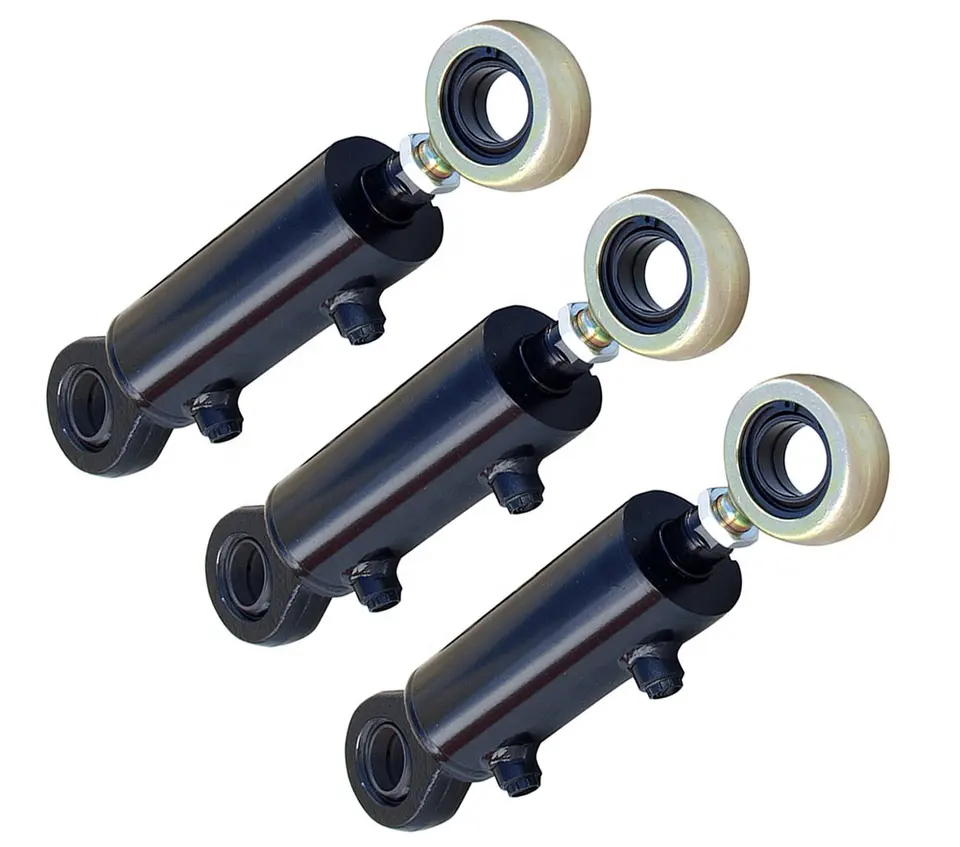
What is the importance of regular maintenance for lift cylinders?
Regular maintenance for lift cylinders is of utmost importance to ensure their optimal performance, longevity, and safe operation. Here’s an explanation of the importance of regular maintenance for lift cylinders:
1. Safety:
Regular maintenance helps identify and address potential safety issues with lift cylinders. Over time, wear and tear, leaks, or component failures can compromise the integrity and stability of the cylinder. Through regular inspections and maintenance, any safety concerns can be detected early and resolved, reducing the risk of accidents or equipment failures.
2. Performance:
Maintaining lift cylinders at regular intervals helps ensure their consistent performance. By inspecting and servicing the cylinder components, such as seals, rods, and pistons, any issues affecting the cylinder’s efficiency and functionality can be addressed. Properly maintained cylinders are more reliable, provide smoother operation, and deliver the required lifting power consistently.
3. Preventive Measures:
Regular maintenance allows for preventive measures to be taken to avoid major breakdowns or costly repairs. By following a maintenance schedule, potential problems can be identified early and resolved before they escalate. This includes tasks such as lubrication, seal replacement, cleaning, and adjusting hydraulic fluid levels, which can help extend the lifespan of the cylinder and minimize downtime.
4. Cost Savings:
Regular maintenance can lead to significant cost savings in the long run. By addressing minor issues promptly, it helps prevent major failures that require expensive repairs or cylinder replacements. Well-maintained cylinders also tend to have a longer service life, reducing the need for frequent replacements and associated costs.
5. Compliance with Manufacturer’s Recommendations:
Manufacturers often provide specific maintenance guidelines for lift cylinders. Adhering to these recommendations ensures that the cylinders are maintained according to the intended specifications. Regular maintenance helps uphold warranty requirements, maintain compliance with industry standards, and maximize the cylinder’s performance according to the manufacturer’s specifications.
6. System Efficiency:
Lift cylinders are often part of larger hydraulic systems. Regular maintenance of the cylinders helps maintain the overall efficiency of the system. Any issues or inefficiencies in the cylinders can affect the performance of the entire hydraulic system, leading to decreased productivity, increased energy consumption, and potential damage to other system components.
In summary, regular maintenance for lift cylinders is crucial for safety, performance, preventive measures, cost savings, compliance with manufacturer’s recommendations, and system efficiency. By investing in regular inspections, servicing, and adherence to maintenance schedules, lift cylinders can operate reliably, efficiently, and safely throughout their lifespan.


editor by CX 2023-10-23