Product Description
- Product Information
- Working Process
- Packing and Shipping
The products are fully protected by metal shelves, wood boxes and plastic fillers.
- Company Information
HangZhou GD Machinery is specialized to offer high precision all kind of hydraulic valves and hydraulic cylinder.we also have some hydraulic valve from CHINAMFG brand aboard
With a wide range, good quality ,reasonable price,our products are extensively used in the industries of construction machinery,machine tool,plastic machinery,vehicle. mining equipment,metallurgy,shipyard,food machinery,agricultural machinery,and other industries.
Our products are widely recognized and trusted by users and can meet continuously changing economic and social needs.
Welcome new and old customers to contact us for future business. we will offer you good quality and best price.
|
HangZhou GD Machinery CO.,LTD. |
|
|
Product |
|
|
tie rod hydraulic cylinder, welded hydraulic cylinder, telescopic cylinders cylinder, flange type hydraulic cylinder, hydraulic cylinder with valve function, hydraulic power unit, Hydraulic manifold block, pneumatic fitting, |
|
|
Material |
Tube – Cold Drawn Precision seamless Tubing Mounts – Trunnion with angular Swivels |
|
Application |
Agriculture, Concrete & Asphalt, Cranes, Fire & Rescue, Forestry & Logging,Mining & Rock Crushing,Oil & Gas, Snow & Ice Control,Waste Management and Material Recycling Industry , Engineering Equipment, Special Vehicle |
|
Feature |
1.High quality with a reasonable price 2.ISO9001-2008 3.Customized specification are accepted |
|
Payment |
T/T;L/C, Paypal |
|
Port |
HangZhou ,China |
|
Quotation |
According to the specific request |
|
MOQ |
According to the product |
|
Packaging |
metal case;plywood case;carton or as requirement |
|
Delivery time |
30days upon receipt of 30% deposit; or upon receipt of relevant L/C; |
- Company Show
- Our Service
1. Sample service: samples will be provided according to customer’s instruction.
2. Customized services: a variety of cylinders can be customized according to customer demand.
3. Warranty service: In case of quality problems under 1 year warranty period, free replacement will be made for customer.
- FAQ
Q: Do you accept OEM manufacturing?
A: Yes! We do accept OEM manufacturing. We will quote you the exact price and make the exact cylinder according to your specification and drawing.
| Material: | Steel |
|---|---|
| Usage: | Construction Machine |
| Structure: | Piston Cylinder |
| Samples: |
US$ 100/Piece
1 Piece(Min.Order) | Order Sample |
|---|
| Customization: |
Available
|
|
|---|
.shipping-cost-tm .tm-status-off{background: none;padding:0;color: #1470cc}
|
Shipping Cost:
Estimated freight per unit. |
about shipping cost and estimated delivery time. |
|---|
| Payment Method: |
|
|---|---|
|
Initial Payment Full Payment |
| Currency: | US$ |
|---|
| Return&refunds: | You can apply for a refund up to 30 days after receipt of the products. |
|---|
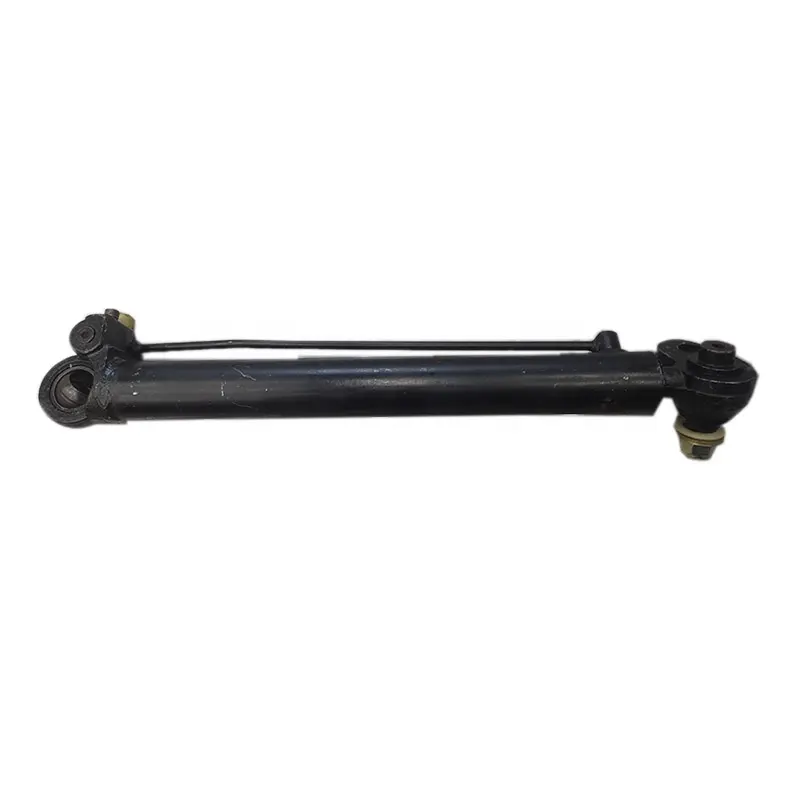
Can lift cylinders be used in both mobile and stationary applications?
Yes, lift cylinders can be used in both mobile and stationary applications. Here’s an explanation of how lift cylinders are suitable for both types of applications:
Mobile Applications:
In mobile applications, lift cylinders are commonly used in various types of equipment that require lifting capabilities. Some examples include:
- Forklifts: Lift cylinders are essential components in forklifts, enabling them to lift and lower loads efficiently. They provide the lifting force needed to raise the forks and transport materials.
- Cranes: Lift cylinders are utilized in cranes to lift and position heavy objects. They play a vital role in the vertical movement of the crane’s boom and ensure controlled lifting operations.
- Scissor Lifts: Lift cylinders are integral to scissor lifts, enabling the platform to be raised or lowered. They provide the necessary force to extend and retract the scissor arms, allowing for elevation changes.
- Aerial Work Platforms: Lift cylinders are employed in aerial work platforms, such as cherry pickers or boom lifts. They facilitate the vertical movement of the platform, enabling operators to access elevated areas safely.
Stationary Applications:
In stationary applications, lift cylinders are commonly used in various industrial and commercial settings. Some examples include:
- Material Handling: Lift cylinders are utilized in stationary material handling equipment, such as conveyor systems or lift tables. They enable the vertical movement of materials, facilitating efficient loading, unloading, or positioning.
- Automotive Lifts: Lift cylinders are employed in automotive lifts used in garages or car service centers. They provide the lifting force needed to raise vehicles for maintenance, repairs, or inspections.
- Industrial Machinery: Lift cylinders are integrated into various industrial machinery, such as hydraulic presses or assembly line equipment. They assist in lifting heavy components or adjusting the position of workpieces during manufacturing processes.
- Warehouse Systems: Lift cylinders are used in stationary warehouse systems, including vertical storage systems or automated retrieval systems. They contribute to efficient vertical movement of goods, optimizing storage and retrieval processes.
Whether in mobile or stationary applications, lift cylinders offer the necessary force and control to perform lifting tasks. Their versatility and adaptability make them suitable for a wide range of industries and applications.
“`
Can lift cylinders be used in automotive lifting equipment?
Yes, lift cylinders can be used in automotive lifting equipment. Here’s an explanation of how lift cylinders are utilized in automotive lifting systems:
Lift cylinders play a crucial role in various types of automotive lifting equipment, providing the necessary force to raise vehicles for maintenance, repairs, or inspections. Here are some common examples:
- Automotive Lifts: Lift cylinders are integral components of automotive lifts, such as two-post lifts, four-post lifts, or scissor lifts. These lifts are used in garages, auto repair shops, or car service centers to elevate vehicles to a convenient working height. Lift cylinders are responsible for the vertical lifting motion of the lift platform or arms, allowing easy access to the undercarriage or other areas of the vehicle.
- Parking Lifts: Lift cylinders are also employed in parking lifts, also known as car stackers or vehicle storage lifts. These lifts are used to maximize parking space in residential or commercial settings. Lift cylinders enable the vertical movement of the lift platforms, allowing vehicles to be stacked vertically for efficient use of space.
- Wheel Alignment Lifts: Lift cylinders are utilized in wheel alignment lifts, which are specifically designed for performing wheel alignment or suspension work. Lift cylinders raise the vehicle to a suitable height, enabling technicians to access the wheels and suspension components for adjustments or repairs.
Lift cylinders in automotive lifting equipment are typically hydraulic cylinders. They utilize hydraulic fluid and pressure to generate the necessary force for lifting heavy vehicles. The hydraulic system includes a pump, control valves, and hydraulic lines that deliver the pressurized fluid to the lift cylinders.
When activated, the hydraulic pump pressurizes the fluid, which is then directed to the lift cylinders through control valves. The pressurized fluid causes the pistons within the lift cylinders to extend, thereby lifting the platform or arms of the lifting equipment. By adjusting the flow and pressure of the hydraulic fluid, operators can control the lifting process and achieve the desired working height.
In addition to lifting capabilities, automotive lift cylinders are designed with safety features to ensure secure and reliable operation. These features may include safety locks, mechanical or hydraulic safety systems, and overload protection mechanisms. These safety measures help prevent accidents or equipment failure during the lifting process.
In summary, lift cylinders are commonly used in automotive lifting equipment, providing the lifting force necessary for vehicle maintenance, repairs, and storage. Their hydraulic operation and incorporation of safety features make them essential components in automotive service facilities, contributing to efficient and reliable vehicle lifting operations.
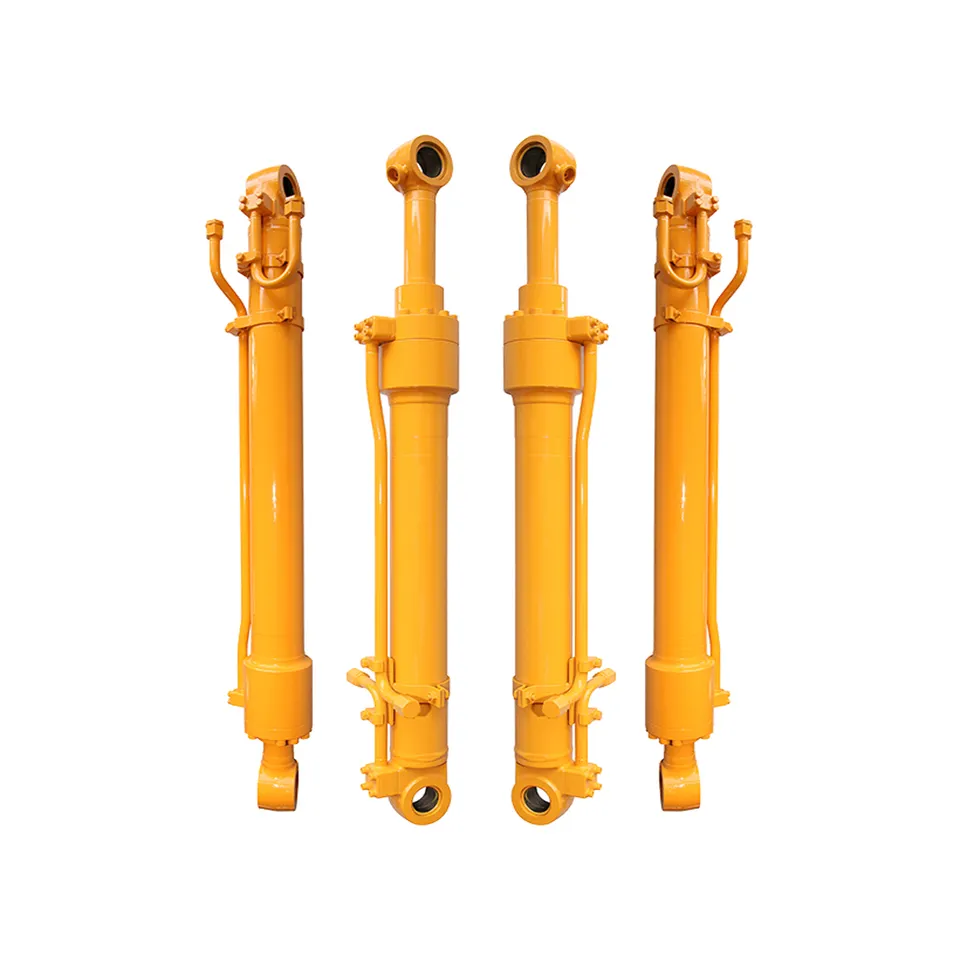
Can lift cylinders be used in manufacturing and production machinery?
Yes, lift cylinders are commonly used in manufacturing and production machinery. Lift cylinders, also known as hydraulic cylinders, are devices that generate linear force and motion through the use of pressurized hydraulic fluid. They are widely employed in various industrial applications for lifting, pushing, pulling, and holding heavy loads.
In manufacturing and production machinery, lift cylinders play a crucial role in providing controlled movement and force for a wide range of tasks. Here are some examples of how lift cylinders are used:
- Material Handling: Lift cylinders are utilized in machinery such as forklifts, cranes, and material handling equipment to lift and transport heavy objects. They allow for precise positioning and movement of loads, improving efficiency and safety in material handling operations.
- Assembly and Automation: Lift cylinders are integrated into assembly lines and automated machinery to perform tasks like part insertion, pressing, and clamping. They provide the necessary force and motion required for assembling components or joining parts together.
- Presses and Punching Machines: Lift cylinders are employed in presses and punching machines to exert force for bending, forming, and shaping materials. These cylinders ensure accurate and consistent results in metalworking processes.
- Industrial Robots: Lift cylinders are used in robotic systems to enable lifting and manipulation of objects. They facilitate the controlled movement of robot arms and end-effectors, allowing robots to perform tasks such as pick-and-place operations, welding, and painting.
Lift cylinders offer several advantages in manufacturing and production machinery. They provide high force capabilities, precise control over movement, compact design, and the ability to operate in various orientations. Furthermore, their hydraulic nature allows for smooth and gradual acceleration and deceleration, reducing the risk of damage to the machinery or the materials being handled.
In conclusion, lift cylinders are extensively utilized in manufacturing and production machinery across different industries. Their versatility, reliability, and ability to generate controlled linear force make them essential components in a wide range of industrial applications.
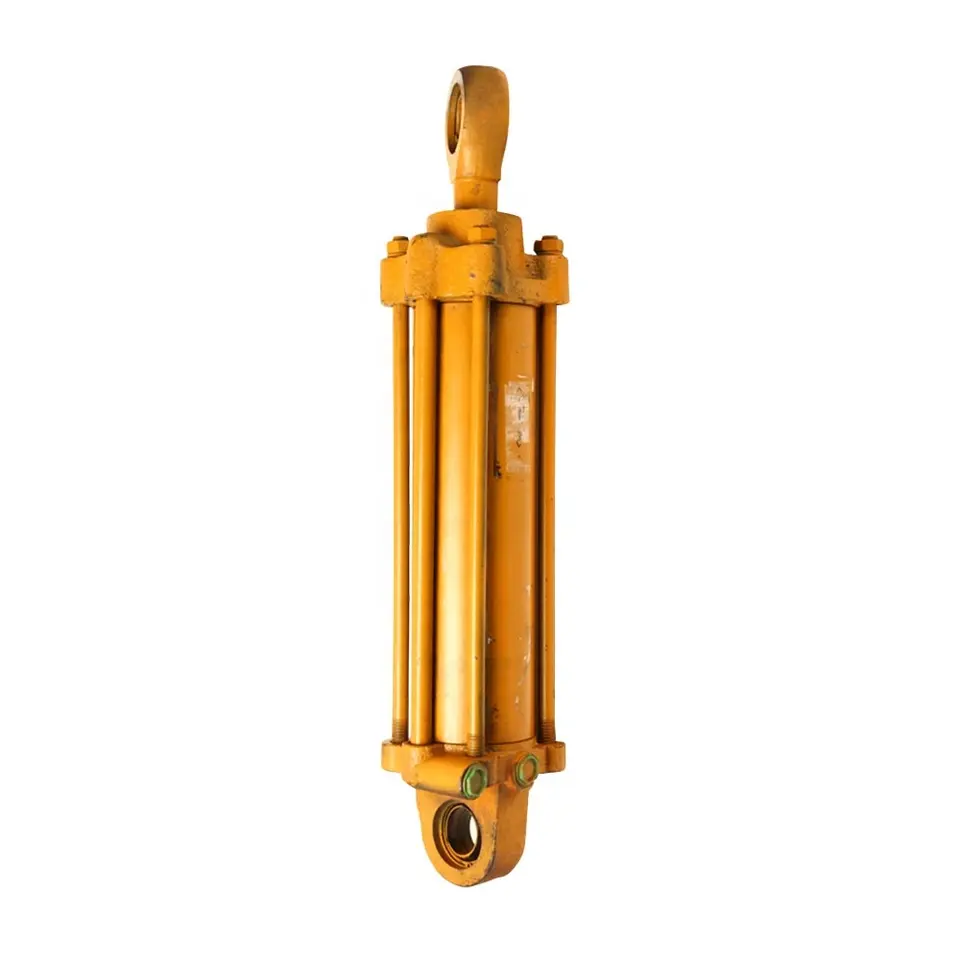
How does a lift cylinder contribute to precise load positioning?
A lift cylinder plays a crucial role in achieving precise load positioning in various applications. Here’s an explanation of how a lift cylinder contributes to precise load positioning:
1. Controlled Vertical Motion:
A lift cylinder provides controlled vertical motion, allowing for accurate and precise movement of the load. By adjusting the hydraulic fluid flow and pressure, the cylinder extends or retracts with the desired speed and smoothness. This controlled motion enables precise positioning of the load at the desired height or location.
2. Adjustable Stroke Length:
Lift cylinders often have an adjustable stroke length, which refers to the distance the piston can travel within the cylinder barrel. By customizing the stroke length according to the specific load positioning requirements, the cylinder can achieve the desired precision. This adjustability allows for fine-tuning the cylinder’s movement to accurately position the load with precision.
3. Load Holding Capability:
Lift cylinders are designed to have load holding capability, meaning they can maintain the position of the load without drifting or unwanted movement. This is achieved through the use of seals, locking mechanisms, or pressure control valves that prevent the cylinder from extending or retracting unintentionally. The load holding capability ensures that once the load is positioned precisely, it remains stable and secure.
4. Sensing and Feedback Systems:
Advanced lift cylinder systems may incorporate sensing and feedback mechanisms to enhance load positioning precision. These systems use sensors to measure the position, force, or pressure within the cylinder and provide feedback to the control system. This real-time feedback allows for continuous adjustments and fine-tuning of the cylinder’s movements, ensuring precise load positioning.
5. Integration with Control Systems:
Lift cylinders can be integrated with control systems that enable precise load positioning. Through electronic controls or programmable logic controllers (PLCs), the cylinder’s movement can be precisely controlled and coordinated with other equipment or processes. This integration allows for synchronized movements and accurate load positioning in complex automation systems.
In summary, a lift cylinder contributes to precise load positioning through controlled vertical motion, adjustable stroke length, load holding capability, sensing and feedback systems, and integration with control systems. These features and capabilities enable lift cylinders to achieve the precise positioning required in various applications, ranging from material handling to industrial automation.


editor by CX 2023-11-08