Product Description
Product Description
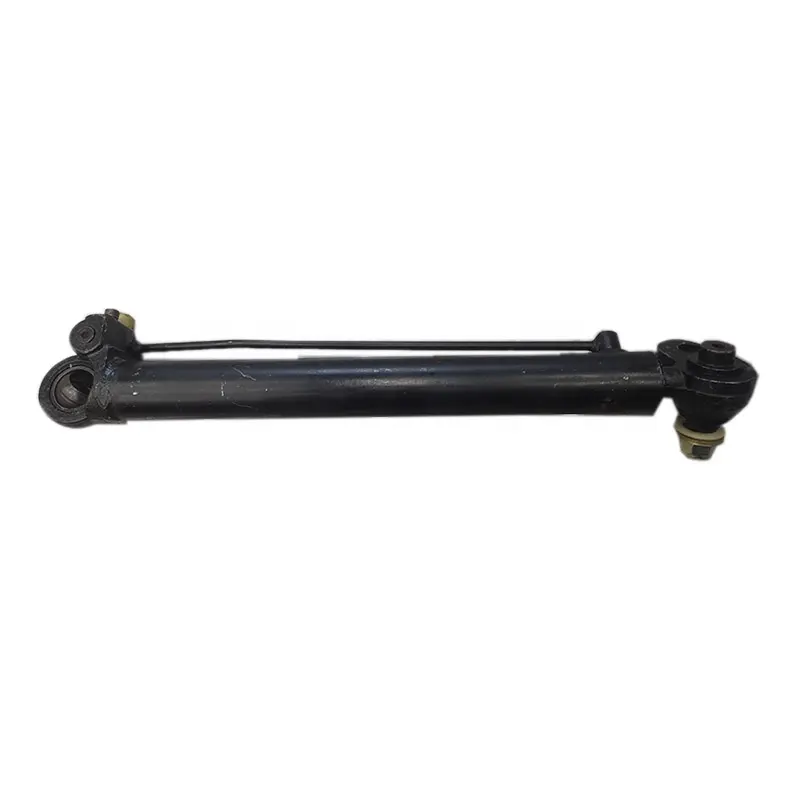
Shantui bulldozer parts CHINAMFG SD16 lift cylinder 16Y-62-60000
SD13/SD16/SD22/SD23/SD32/D60/D65/D85/D155/D275
CHINAMFG dozer SD16 cylinder
Part No.:16Y-62-60000
Brand : shantui/CAT
Model: SD13/SD16/SD22/SD23/SD32
D60/D65/D85/D155/D275
warranty:6 months
| Parts No. | Parts Name | Brand | Model |
| 10Y-62-04000 | lift oil cylinder | shantui | shantui SD13 |
| 10Y-62-04000 | lift oil cylinder | shantui | shantui SD13 |
| 16Y-62-60000 | blade lift oil cylinder | shantui | shantui SD16 |
| 16Y-62-50000 | blade lift oil cylinder | shantui | shantui SD16 |
| 23Y-62B-0000-1 | blade lift oil cylinder | shantui | shantui SD22 |
| 23Y-62B-0000-2 | blade lift oil cylinder | shantui | shantui SD22 |
| 175-63-42700 | ripper lift oil cylinder | shantui | shantui SD32 |
| 175-63-42800 | ripper lift oil cylinder | shantui | shantui SD32 |
| 175-63-43700 | ripper tilt oil cylinder | shantui | shantui SD32 |
| 175-63-43800 | ripper tilt oil cylinder | shantui | shantui SD32 |
| 175-63-13300 | blade lift oil cylinder | shantui | shantui SD32 |
| 175-63-13400 | blade lift oil cylinder | shantui | shantui SD32 |
| 222-62-A0000-3 | blade lift oil cylinder | shantui | shantui SG18 |
| 10Y-63-00000-1 | tilt oil cyliner | shantui | shantui SD13 |
| 16Y-63-13000 | tilt oil cyliner | shantui | shantui SD16 |
| 23Y-63B-00000 | tilt oil cyliner | shantui | shantui SD22 |
| 175-63-43700 | tilt oil cyliner | shantui | shantui SD32 |
| 175-63-43800 | tilt oil cyliner | shantui | shantui SD32 |
| 175-63-52700 | tilt oil cyliner | shantui | shantui SD32 |
| 222-76-57100 | tilt oil cyliner | shantui | shantui SG18 |
| 222-62-11000 | tilt oil cyliner | shantui | shantui SG18 |
| 222-62-A0000-2 | tilt oil cyliner | shantui | shantui SG18 |
| 222-76-A0000-2 | tilt oil cyliner | shantui | shantui SG18 |
| 16Y-84-60000 | oil cylinder | shantui | shantui SD16 |
| 175-30-24222 | oil cylinder | shantui | shantui SD32 |
| 175-63-42343 | oil cylinder | shantui | shantui SD32 |
| 175-63-43142 | oil cylinder | shantui | shantui SD32 |
| 175-63-43242 | oil cylinder | shantui | shantui SD32 |
| 23Y-64B-00000-2 | ripper oil cylinder | shantui | shantui SD22 |
| 23Y-89B-00000-2 | ripper lift cylinder | shantui | shantui SD22 |
| 23Y-89B-00000-3 | tilt oil cylinder | shantui | shantui SD22 |
| 23Y-89B-00000-4 | tilt oil cylinder | shantui | shantui SD22 |
| 23Y-89B-00000-5 | tilt oil cylinder | shantui | shantui SD22 |
| 23Y-62B-57100 | blade oil cylinder | shantui | shantui SD22 |
| 23Y-62B-57100 | blade oil cylinder | shantui | shantui SD22 |
| 23Y-89B-01300 | tilt oil cylinder | shantui | shantui SD22 |
| 23Y-89B-01400 | tilt oil cylinder | shantui | shantui SD22 |
| 16Y-63-00000-3 | tilt oil cylinder | shantui | shantui SD16L/SD16 |
| 16L-62C-10000 | blade lift oil cylinder | shantui | shantui SD16L |
| 16L-62C-20000 | blade lift oil cylinder | shantui | shantui SD16L |
| 16Y-40-11400 | oil cylinder | shantui | shantui SD16L |
| 16Y-63-13000 | tilt oil cylinder | shantui | shantui SD16L |
| 16Y-63-00000-3 | tilt oil cylinder | shantui | shanuti SD16 |
| 16Y-84-00000-2 | ripper oil cylinder | shantui | shantui SD16 |
| 16Y-63-13000 | tilt oil cylinder | shantui | shanuti SD16 |
| 16Y-84-60000 | oil cylinder | shantui | shantui SD16 |
| 16Y-84-62000 | oil cylinder | shantui | shantui SD16 |
| 16Y-75-24000 | Shantui Transmission Pump | Shantui | Shantui SD16 |
| 705-21-32051 | Shantui Transmission Pump | shantui | Shantui SD22 |
| 0571 3-71103 | Shantui Transmission Pump | shantui | Shangui SD32 |
FAQ
Q1:You are a trader or manufacturer .
We are a trader .
Q2: How about the payment terms ?
We usually accept T/T . Other terms also could be negotiated .
Q3: Warranty
3-6 months warranty. If any parts break during the warranty, Just offer us the proof . We’ll send you a new 1 !
Q5:If parts be lost during delivery , how solve ?
We’ll resend the parts free of charge .
Contact person: Monica
/* March 10, 2571 17:59:20 */!function(){function s(e,r){var a,o={};try{e&&e.split(“,”).forEach(function(e,t){e&&(a=e.match(/(.*?):(.*)$/))&&1
| Type: | Crawler |
|---|---|
| Certification: | ISO9001: 2000 |
| Condition: | New |
| Model: | SD13/SD16/SD22/SD23/SD32/D60/D65/D85/D155/D275 |
| Brand: | Shantui/Catepillar/Hitachi/Volvo |
| Part Number: | 16y-62-60000 |
| Samples: |
US$ 20/Piece
1 Piece(Min.Order) | |
|---|
Can lift cylinders be used in both mobile and stationary applications?
Yes, lift cylinders can be used in both mobile and stationary applications. Here’s an explanation of how lift cylinders are suitable for both types of applications:
Mobile Applications:
In mobile applications, lift cylinders are commonly used in various types of equipment that require lifting capabilities. Some examples include:
- Forklifts: Lift cylinders are essential components in forklifts, enabling them to lift and lower loads efficiently. They provide the lifting force needed to raise the forks and transport materials.
- Cranes: Lift cylinders are utilized in cranes to lift and position heavy objects. They play a vital role in the vertical movement of the crane’s boom and ensure controlled lifting operations.
- Scissor Lifts: Lift cylinders are integral to scissor lifts, enabling the platform to be raised or lowered. They provide the necessary force to extend and retract the scissor arms, allowing for elevation changes.
- Aerial Work Platforms: Lift cylinders are employed in aerial work platforms, such as cherry pickers or boom lifts. They facilitate the vertical movement of the platform, enabling operators to access elevated areas safely.
Stationary Applications:
In stationary applications, lift cylinders are commonly used in various industrial and commercial settings. Some examples include:
- Material Handling: Lift cylinders are utilized in stationary material handling equipment, such as conveyor systems or lift tables. They enable the vertical movement of materials, facilitating efficient loading, unloading, or positioning.
- Automotive Lifts: Lift cylinders are employed in automotive lifts used in garages or car service centers. They provide the lifting force needed to raise vehicles for maintenance, repairs, or inspections.
- Industrial Machinery: Lift cylinders are integrated into various industrial machinery, such as hydraulic presses or assembly line equipment. They assist in lifting heavy components or adjusting the position of workpieces during manufacturing processes.
- Warehouse Systems: Lift cylinders are used in stationary warehouse systems, including vertical storage systems or automated retrieval systems. They contribute to efficient vertical movement of goods, optimizing storage and retrieval processes.
Whether in mobile or stationary applications, lift cylinders offer the necessary force and control to perform lifting tasks. Their versatility and adaptability make them suitable for a wide range of industries and applications.
“`
Can lift cylinders be used in automotive lifting equipment?
Yes, lift cylinders can be used in automotive lifting equipment. Here’s an explanation of how lift cylinders are utilized in automotive lifting systems:
Lift cylinders play a crucial role in various types of automotive lifting equipment, providing the necessary force to raise vehicles for maintenance, repairs, or inspections. Here are some common examples:
- Automotive Lifts: Lift cylinders are integral components of automotive lifts, such as two-post lifts, four-post lifts, or scissor lifts. These lifts are used in garages, auto repair shops, or car service centers to elevate vehicles to a convenient working height. Lift cylinders are responsible for the vertical lifting motion of the lift platform or arms, allowing easy access to the undercarriage or other areas of the vehicle.
- Parking Lifts: Lift cylinders are also employed in parking lifts, also known as car stackers or vehicle storage lifts. These lifts are used to maximize parking space in residential or commercial settings. Lift cylinders enable the vertical movement of the lift platforms, allowing vehicles to be stacked vertically for efficient use of space.
- Wheel Alignment Lifts: Lift cylinders are utilized in wheel alignment lifts, which are specifically designed for performing wheel alignment or suspension work. Lift cylinders raise the vehicle to a suitable height, enabling technicians to access the wheels and suspension components for adjustments or repairs.
Lift cylinders in automotive lifting equipment are typically hydraulic cylinders. They utilize hydraulic fluid and pressure to generate the necessary force for lifting heavy vehicles. The hydraulic system includes a pump, control valves, and hydraulic lines that deliver the pressurized fluid to the lift cylinders.
When activated, the hydraulic pump pressurizes the fluid, which is then directed to the lift cylinders through control valves. The pressurized fluid causes the pistons within the lift cylinders to extend, thereby lifting the platform or arms of the lifting equipment. By adjusting the flow and pressure of the hydraulic fluid, operators can control the lifting process and achieve the desired working height.
In addition to lifting capabilities, automotive lift cylinders are designed with safety features to ensure secure and reliable operation. These features may include safety locks, mechanical or hydraulic safety systems, and overload protection mechanisms. These safety measures help prevent accidents or equipment failure during the lifting process.
In summary, lift cylinders are commonly used in automotive lifting equipment, providing the lifting force necessary for vehicle maintenance, repairs, and storage. Their hydraulic operation and incorporation of safety features make them essential components in automotive service facilities, contributing to efficient and reliable vehicle lifting operations.
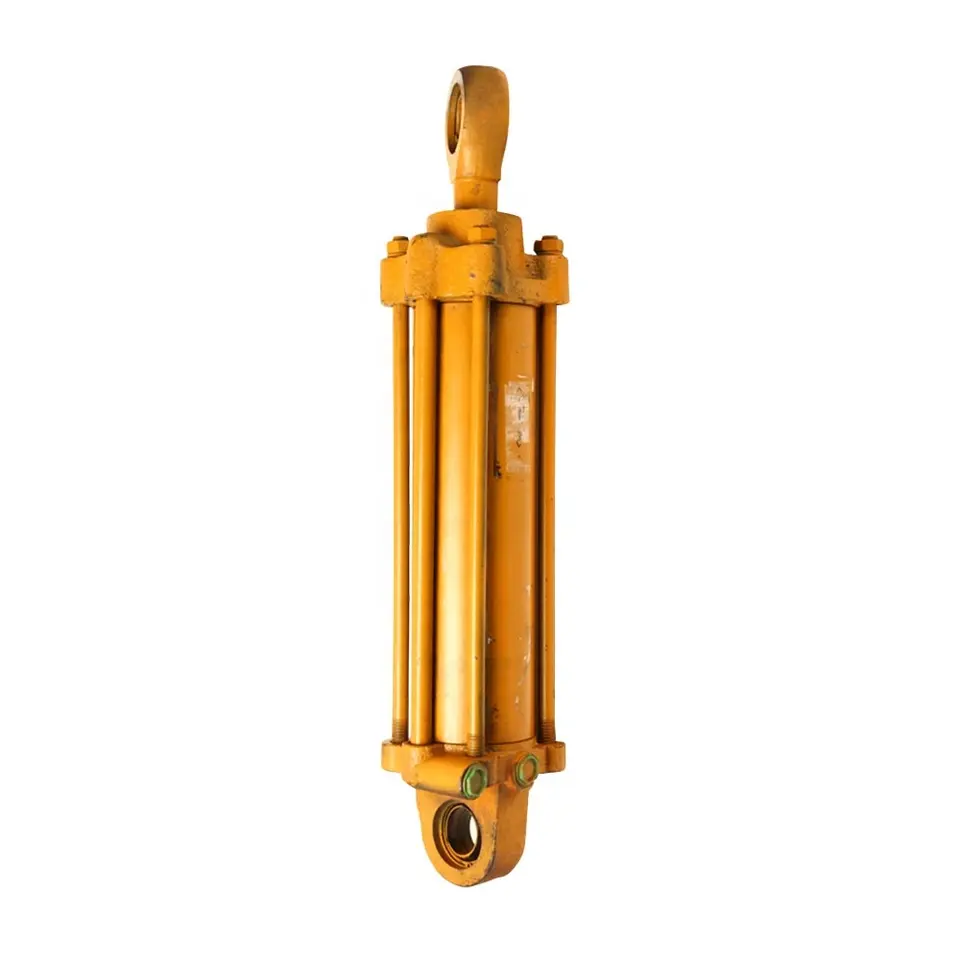
How Does a Lift Cylinder Contribute to Precise Load Handling and Positioning?
A lift cylinder plays a crucial role in achieving precise load handling and positioning in various applications. It is a hydraulic component commonly used in material handling equipment, including forklifts, cranes, and other lifting devices. The lift cylinder utilizes hydraulic power to control the vertical movement of loads, allowing for precise and controlled lifting, lowering, and positioning. Here’s a detailed explanation of how a lift cylinder contributes to precise load handling and positioning:
- Vertical Lifting:
- Load Stability:
- Positioning Control:
- Load Balancing:
- Controlled Speed and Acceleration:
- Force Feedback and Sensing:
The primary function of a lift cylinder is to provide the vertical lifting force required to raise and lower loads. When hydraulic pressure is applied to the cylinder, it extends or retracts the piston rod, depending on the design. This controlled extension or retraction enables the lift cylinder to raise or lower the load with precision. The hydraulic system allows operators to adjust the lifting speed and control the movement of the cylinder, ensuring smooth and accurate load handling.
One of the key factors in precise load handling is maintaining load stability throughout the lifting and positioning process. Lift cylinders are designed to provide a stable lifting platform by minimizing unwanted movements or vibrations. The hydraulic system, combined with the mechanical structure of the cylinder, offers excellent control over the load’s vertical movement, preventing sudden shifts or instability. This stability allows operators to handle delicate or fragile loads without compromising their integrity.
A lift cylinder offers precise positioning control, enabling operators to place the load accurately at the desired location. By regulating the hydraulic pressure, operators can control the speed and direction of the cylinder’s movement. This control allows for fine adjustments during the lifting or lowering process, ensuring that the load is positioned precisely according to the requirements. The hydraulic system offers responsiveness and sensitivity, allowing for real-time adjustments for optimal load placement.
Load balancing is essential for maintaining stability and preventing excessive stress on the lifting equipment. Lift cylinders are often used in combination with other hydraulic components, such as counterbalance valves or load sensing systems, to achieve load balancing. These systems monitor the load and adjust the hydraulic pressure within the lift cylinder to ensure that the load remains balanced during lifting and lowering operations. By maintaining load balance, the lift cylinder contributes to precise load handling and positioning, reducing the risk of accidents or damage.
Precise load handling requires controlled speed and acceleration during lifting and lowering operations. Lift cylinders, integrated with hydraulic control valves, allow for precise adjustment of the lifting speed and acceleration profile. Operators can control the flow rate of hydraulic fluid entering or exiting the cylinder, regulating the speed of the piston’s movement. This control over speed and acceleration enables smooth and gradual load handling, preventing sudden jolts or jerky movements that could affect load positioning accuracy.
Some advanced lift cylinder systems incorporate force feedback mechanisms or load sensing capabilities. These features provide operators with real-time information on the load’s weight or force exerted on the cylinder. By receiving feedback on the load conditions, operators can make precise adjustments to the lifting or lowering operation. This feedback mechanism enhances load handling precision, allowing operators to adapt to changing load characteristics and ensure accurate positioning.
A lift cylinder’s ability to provide vertical lifting force, maintain load stability, offer precise positioning control, assist in load balancing, enable controlled speed and acceleration, and incorporate force feedback or load sensing capabilities all contribute to precise load handling and positioning. These features make lift cylinders valuable components in material handling equipment, ensuring safe and efficient handling of loads in various industries and applications.
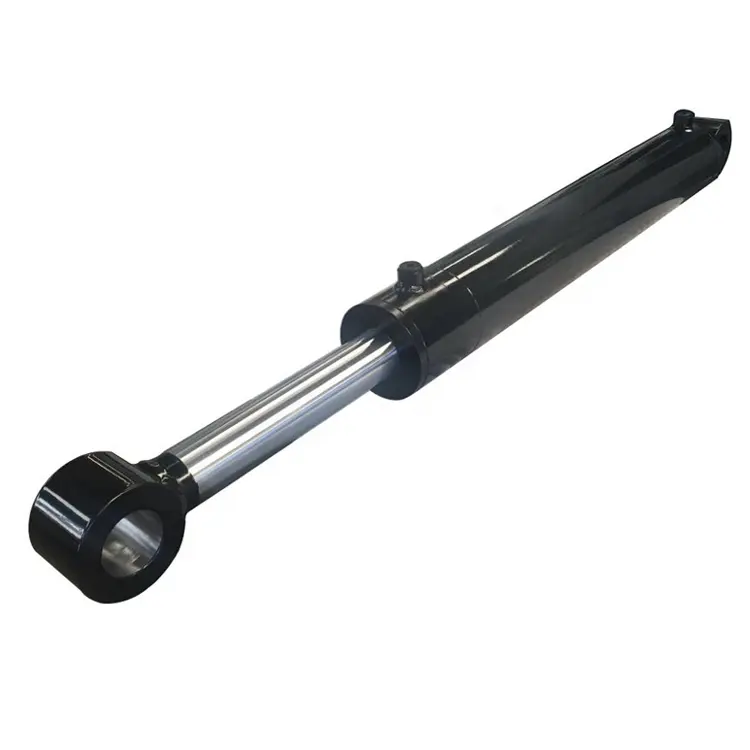
Can lift cylinders be used for both lifting and lowering applications?
Yes, lift cylinders are designed to be versatile and can be used for both lifting and lowering applications. Here’s an explanation of how lift cylinders are utilized for both lifting and lowering:
Lift cylinders are a type of hydraulic cylinder that converts fluid pressure into linear motion. They consist of a cylinder barrel, a piston, a rod, and seals. When hydraulic fluid is pressurized and directed into the cylinder, it exerts force on the piston, causing it to move in a linear direction.
Lifting Applications:
In lifting applications, the lift cylinder extends to raise or lift a load. As hydraulic fluid is pumped into the cylinder, the pressure increases, pushing the piston and rod outward. This extension of the cylinder generates the necessary force to lift the load. The lifting capacity of the cylinder depends on its design, including the diameter of the piston and the pressure rating of the system.
Lowering Applications:
For lowering applications, the lift cylinder retracts to lower the load. By controlling the flow of hydraulic fluid out of the cylinder, the pressure is reduced, allowing the weight of the load to push the piston and rod back into the cylinder. This controlled retraction enables smooth and controlled lowering of the load.
Lift cylinders are commonly used in various industries and applications where controlled vertical motion is required. Examples include lifting platforms, scissor lifts, dump trucks, hydraulic elevators, and material handling equipment. The ability to perform both lifting and lowering actions makes lift cylinders highly versatile and adaptable to different operational needs.
In summary, lift cylinders can be utilized for both lifting and lowering applications. By controlling the flow of hydraulic fluid, these cylinders can extend to lift a load and retract to lower it, offering flexibility and efficiency in a wide range of industries and equipment.


editor by CX 2024-02-11