Product Description
Product Description
Study & Heavy Duty: Certified by SGS test (USA) & Higher Standard LGA test (GER), use of high quality materials and thickened outer steel, this gas lift cylinder is of really high quality and durability, weight capacity: 450 lbs.
Universal size: 10 stroke cylinder piston tube,the lowest height is 17.7″, the highest height is 27.7″, which means this hydraulic lift has a height range of 10 inches.
Longer service life:These high standard office chair cylinder are more reliable and you get a free replacement for any non-human quality problem within 5 years.
Chair replacement parts: Suitable for bar stool ,drafting chair,high stool,smooth rise and fall, and supports 360 degrees of rotation.
Easy to Install
| Model | C | S | L | V | X | Y | F1±1KG |
| MX-40mm | 40D | 210 | 250 | 135 | 60 | 10 | 500 |
| MX-65mm | 65D | 215 | 280 | 160 | 60 | 10 | 480/550 |
| MX-85mm | 85D | 235 | 320 | 175 | 60 | 10 | 400 |
| MX-100mm | 100D | 250 | 360 | 185 | 60 | 10 | 400 |
| MX-120mm | 120D | 270 | 390 | 195 | 60 | 10 | 400 |
| MX-140mm | 140D | 290 | 430 | 225 | 60 | 10 | 380 |
| MX-160mm | 160D | 330 | 510 | 285 | 60 | 10 | 380 |
| MX-200mm | 200D | 360 | 560 | 295 | 60 | 10 | 380 |
| MX-260mm | 260D | 440 | 700 | 365 | 60 | 10 | 380 |
Company Profile
Production Workshop
Packaging & Shipping
Certifications
FAQ
1.Q: What is our factory product range?
A:1)Office chair parts.Such as office chair castor wheel,shaft collar,gas spring for cabinet,office chair gas spring.
2.Q: How to order?
A:Please send us your purchase order by Email or Fax.
1) Product information:Quantitiy,Specification(size , color, logo and packing requirement),
2) Delivery time required.
3) Shipping information:Company name,Address,Phone number,Destination seaport/airport.
4) Forwarder’s contact details if there is any in China.
3.Q: How long and how to get sample from us ?
A:1) If you need some sample to text,we can make as per your request,please provide us PDF or AI for Making.
2) Lead time for making sample:about 7 days
3) The transportation freight of samples: the freight depends on the weight and packing size and your area.
4.Q: What is the payment terms for sample cost and order amount?
A:For sample, we accept the payment sent by West Union,Paypal, for orders, we can accept T/T or L/C at sight.
5.Q: What is the whole process for doing business with us ?
A:1) First,please provide details of the products you need we quote for you.
2) If price is acceptable and client need sample,we provide samples for your reference.
3) If client approve sample and require for bulk production for order,we will provide Proforma Invoice for client,and we will arrange to produce at once when we get 30% deposit.
4) We will send photos of all goods,packing,details,and B/L copy for client after goods are finished.We will arrange shipment and provide original B/L when the client pay the balance.
6.Q: Can the logo or company name to be printed on the products or package?
A:Sure.Your logo or company name can be printed on your products by stamping, printing,embossing,die cast, coating or sticker.
7.Q: What advantages we have?
A:Rich experience: We have more than 10 years experience in this industry.
That means,we can preview the problems for the orders and products.
Therefore,it will make sure to reduce the risk of bad situation to happen.
Point to point service: There is 1 sale who will serve you from inquiry to products shipped out.During the process,you just need to discuss with her for all problems and the way saves much time.
Free design: If you are not ready for the designs,the professional designers will be able to help you with it freely.
Strict QC: For each order,strict inspection will be carried out by the QC department before shipping.The bad quality will be avoid.
/* March 10, 2571 17:59:20 */!function(){function s(e,r){var a,o={};try{e&&e.split(“,”).forEach(function(e,t){e&&(a=e.match(/(.*?):(.*)$/))&&1
| Function: | Pressed |
|---|---|
| Material: | Stainless Steel |
| Usage: | Industrial, Furniture |
| Load Type: | Compression |
| Production Process: | Hot Roll |
| Shape: | Cylinder |
| Samples: |
US$ 30/Piece
1 Piece(Min.Order) | |
|---|
| Customization: |
Available
|
|
|---|
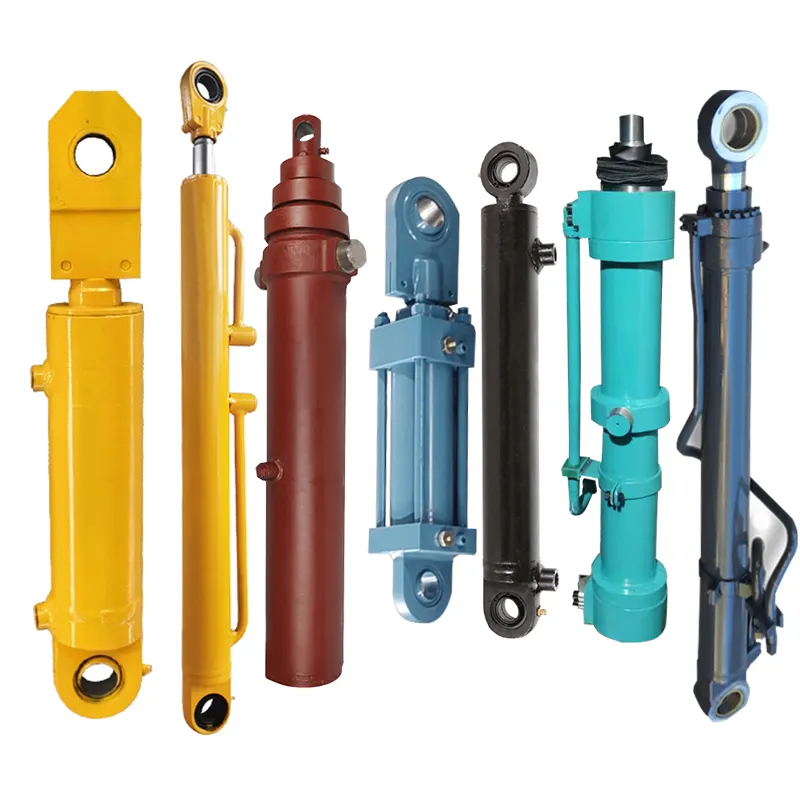
How does a lift cylinder handle variations in cylinder size and capacity?
A lift cylinder is designed to handle variations in cylinder size and capacity to accommodate different lifting requirements. Here’s an explanation of how lift cylinders handle these variations:
1. Size and Dimensions:
Lift cylinders come in various sizes and dimensions to suit different applications. The cylinder size refers to its overall dimensions, such as the diameter and length of the cylinder body. Lift cylinders can be manufactured in a range of sizes, allowing for flexibility in selecting the appropriate cylinder size based on the specific lifting needs. Larger cylinders are capable of generating greater lifting force, while smaller cylinders are more compact and suitable for applications with limited space.
2. Capacity and Load Rating:
The capacity of a lift cylinder refers to the maximum load it can lift safely. Lift cylinders are rated for specific load capacities, and it is important to select a cylinder with a suitable capacity for the intended lifting task. Lift cylinders with higher load ratings are designed to handle heavier loads, while cylinders with lower load ratings are suitable for lighter loads. The capacity of the lift cylinder is determined by factors such as its construction, materials, and structural integrity.
3. Hydraulic Pressure:
The hydraulic pressure applied to the lift cylinder affects its lifting capacity and force generation. By adjusting the hydraulic pressure within the system, operators can control the lifting capability of the cylinder. Higher hydraulic pressure results in increased lifting force, allowing the cylinder to handle larger loads. Conversely, lower hydraulic pressure reduces the lifting capacity of the cylinder, making it suitable for lighter loads. The hydraulic pressure can be regulated using control valves or pressure relief valves within the hydraulic system.
4. Application-specific Design:
Lift cylinders are designed to meet the requirements of specific applications. Manufacturers take into consideration factors such as load characteristics, operating conditions, and safety considerations when designing lift cylinders. This ensures that the cylinder size and capacity are matched to the demands of the application, allowing for efficient and safe lifting operations.
5. Customization Options:
In some cases, lift cylinders can be customized to fit specific size or capacity requirements. Manufacturers may offer customization options such as special sizes, load capacity modifications, or additional features to meet unique application needs. Customization allows for a tailored solution that optimizes the performance and efficiency of the lift cylinder in a particular setting.
In summary, lift cylinders handle variations in cylinder size and capacity by offering a range of sizes and load ratings. The hydraulic pressure can be adjusted to match the lifting requirements, and lift cylinders can be customized for specific applications. With their versatility and adaptability, lift cylinders provide efficient and reliable lifting capabilities across a wide range of industries and lifting tasks.
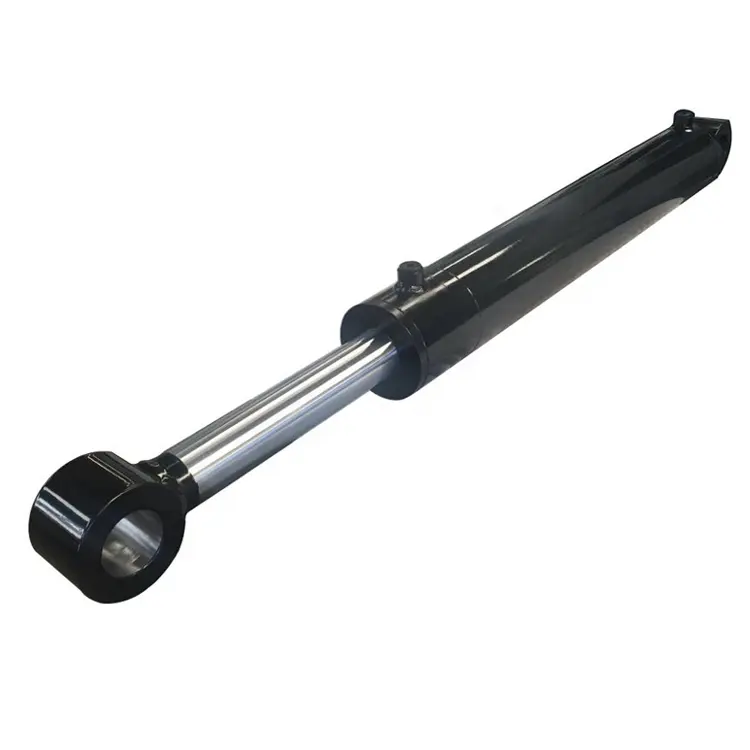
How does a lift cylinder handle variations in hydraulic seal technology?
A lift cylinder is designed to accommodate variations in hydraulic seal technology. Here’s an explanation of how lift cylinders handle these variations:
1. Seal Types:
Hydraulic seal technology offers various types of seals, including O-rings, lip seals, V-rings, and wipers. Lift cylinders are designed to incorporate different seal types based on the specific requirements of the application. The selection of seal types depends on factors such as pressure, temperature, fluid compatibility, and environmental conditions. Lift cylinders are manufactured with the necessary seal grooves and configurations to accommodate these variations in seal types.
2. Seal Materials:
Hydraulic seals are manufactured using different materials, such as rubber, polyurethane, PTFE (polytetrafluoroethylene), and various composite materials. Each material offers specific properties, including resistance to wear, temperature, chemicals, and extrusion. Lift cylinders are engineered to work with different seal materials, ensuring compatibility and optimal performance. The cylinder design takes into account the specific characteristics and requirements of the seal materials used.
3. Seal Profiles and Dimensions:
Hydraulic seals come in various profiles and dimensions to suit different applications and equipment. Lift cylinders are designed with corresponding seal grooves and dimensions to accommodate the specific seal profiles. The seal profiles may include standard shapes such as U-cups, piston seals, rod seals, and specialized profiles for specific sealing requirements. Lift cylinders are manufactured with precise tolerances to ensure proper installation and sealing effectiveness.
4. Sealing Performance and Efficiency:
Lift cylinders are engineered to provide optimal sealing performance and efficiency. They are designed to minimize leakage and maintain the required hydraulic pressure during operation. The cylinder components, including the piston, rod, and cylinder housing, are precisely machined to ensure a tight fit and prevent bypass of hydraulic fluid. Lift cylinders undergo rigorous testing and quality control measures to verify their sealing performance and efficiency under various operating conditions.
5. Seal Maintenance and Replacement:
Lift cylinders are designed to facilitate seal maintenance and replacement. Over time, hydraulic seals may wear out or degrade due to factors such as usage, environmental conditions, or fluid contamination. Lift cylinders are constructed to allow for easy access to the seals, making maintenance and replacement procedures efficient. This design consideration reduces downtime and ensures the longevity of the lift cylinder’s sealing system.
In summary, lift cylinders are engineered to handle variations in hydraulic seal technology by accommodating different seal types, materials, profiles, and dimensions. Their design ensures optimal sealing performance, efficiency, and ease of maintenance. By incorporating the appropriate seal technology, lift cylinders maintain the integrity of the hydraulic system, prevent leaks, and ensure reliable and efficient operation.
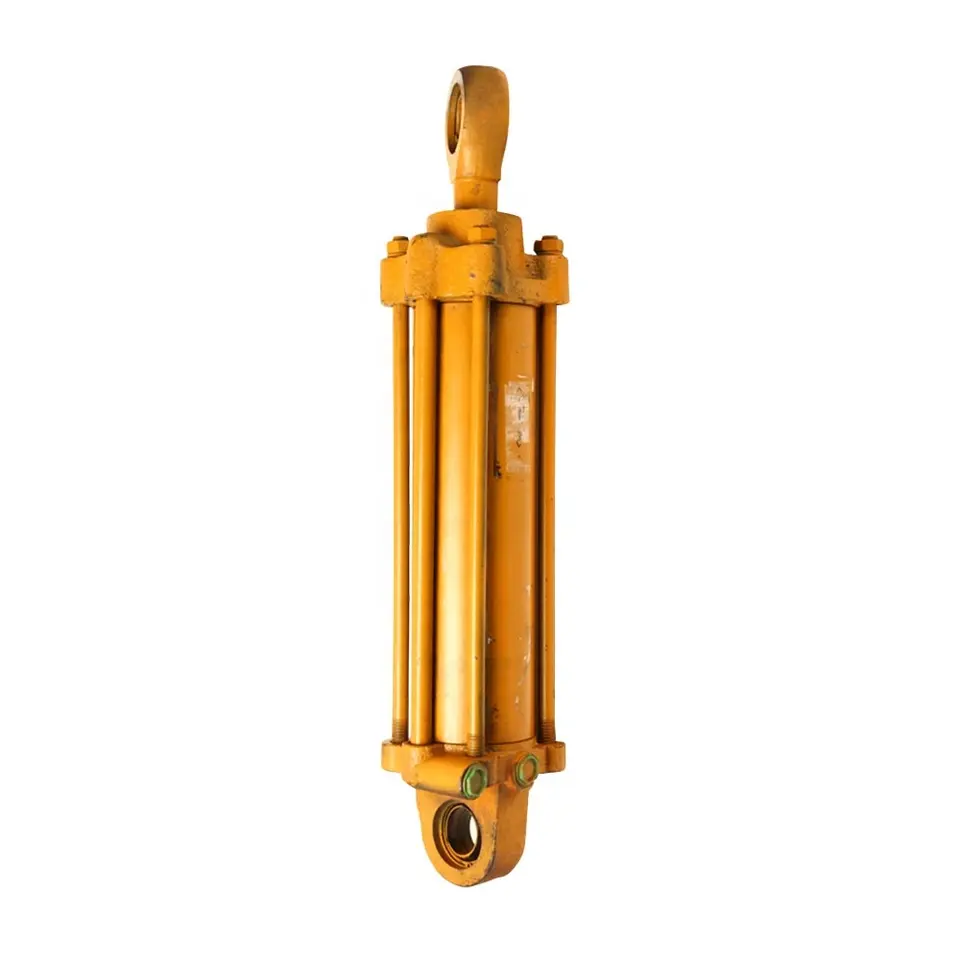
How does a lift cylinder contribute to precise load positioning?
A lift cylinder plays a crucial role in achieving precise load positioning in various applications. Here’s an explanation of how a lift cylinder contributes to precise load positioning:
1. Controlled Vertical Motion:
A lift cylinder provides controlled vertical motion, allowing for accurate and precise movement of the load. By adjusting the hydraulic fluid flow and pressure, the cylinder extends or retracts with the desired speed and smoothness. This controlled motion enables precise positioning of the load at the desired height or location.
2. Adjustable Stroke Length:
Lift cylinders often have an adjustable stroke length, which refers to the distance the piston can travel within the cylinder barrel. By customizing the stroke length according to the specific load positioning requirements, the cylinder can achieve the desired precision. This adjustability allows for fine-tuning the cylinder’s movement to accurately position the load with precision.
3. Load Holding Capability:
Lift cylinders are designed to have load holding capability, meaning they can maintain the position of the load without drifting or unwanted movement. This is achieved through the use of seals, locking mechanisms, or pressure control valves that prevent the cylinder from extending or retracting unintentionally. The load holding capability ensures that once the load is positioned precisely, it remains stable and secure.
4. Sensing and Feedback Systems:
Advanced lift cylinder systems may incorporate sensing and feedback mechanisms to enhance load positioning precision. These systems use sensors to measure the position, force, or pressure within the cylinder and provide feedback to the control system. This real-time feedback allows for continuous adjustments and fine-tuning of the cylinder’s movements, ensuring precise load positioning.
5. Integration with Control Systems:
Lift cylinders can be integrated with control systems that enable precise load positioning. Through electronic controls or programmable logic controllers (PLCs), the cylinder’s movement can be precisely controlled and coordinated with other equipment or processes. This integration allows for synchronized movements and accurate load positioning in complex automation systems.
In summary, a lift cylinder contributes to precise load positioning through controlled vertical motion, adjustable stroke length, load holding capability, sensing and feedback systems, and integration with control systems. These features and capabilities enable lift cylinders to achieve the precise positioning required in various applications, ranging from material handling to industrial automation.


editor by CX 2024-02-07