Product Description
Product Description
Seamless Steel Honed Tube is made of JIS STKM13C/ DIN ST52/ ASTM A106/ SAE1571 and welded pipe: DIN ST52.3 are also offered. Seamless Steel Hydraulic Cylinder Honed Tube withstands higher pressure than welded tube without splits. But, roundness of welded honed barrels is superior to seamless pipe. After honing, carbon steel cylinder honed tube of mechanical structure use has precision diameter, smooth surface, and excellent performance of oil storage. This kind of Hydraulic Cylinder Tube and Pneumatic Cylinder Tube work smoothly without pauses and has longer working life in cylinders. Applies to hydraulic cylinders tube, pneumatic cylinders tube, forklift, crane, excavator, punching machine, and other kinds of labor-saving automatic mechanical engineering.
Advantage of Product
1)Professional & skilled, reliable.
2)One-stop total solution
3)ready stock goods with fast delivery
4)Customizable: Non-standard sizes are also available
5)Small quantity is acceptable
6)Cash back: Refund or replacement for any product faulty
| Product Name | Hydraulic Cylinder Honed Tube | |||
|
Standard |
DIN2391, EN10305, ASTM A519, GB/T 3639-200 |
|||
|
Material |
Q355B Q355D C20,ST52,E355 SAE1026.CK STKM 13C |
|||
|
Heat treatment |
BK+S |
|||
|
Specification |
Outer diameter(mm) : 40-480mm |
|||
|
I.D Tolerance |
H8-H9 |
|||
|
Length |
Fixed Length, Random Length(3–9m)or as requests of customers |
|||
|
Straightness |
0.5-1/1000 |
|||
|
ID roughness |
RA 0.1-0.8micron(max) |
|||
|
Payment term |
FOB, CFR, CIF ,EXW, FCA and so on |
|||
|
MOQ |
3 tons |
|||
|
Technology |
Honed & SRB(SKIVED AND ROLLER BURNISHED ) |
|||
|
Application: |
hydraulic cylinder, swivel crane, injection machine and so on |
|||
|
Conservation |
anti rust oiled inside and outside surface, plastic caps in both ends |
|||
|
Package |
bundle with steel strip and knitting strip, or wooden case |
|||
| After-sales Service: | Support |
|---|---|
| Warranty: | Support |
| Type: | Seamless |
| Technique: | Hot Rolled |
| Material: | Carbon Steel |
| Surface Treatment: | Black |
| Samples: |
US$ 20/Piece
1 Piece(Min.Order) | |
|---|
| Customization: |
Available
|
|
|---|
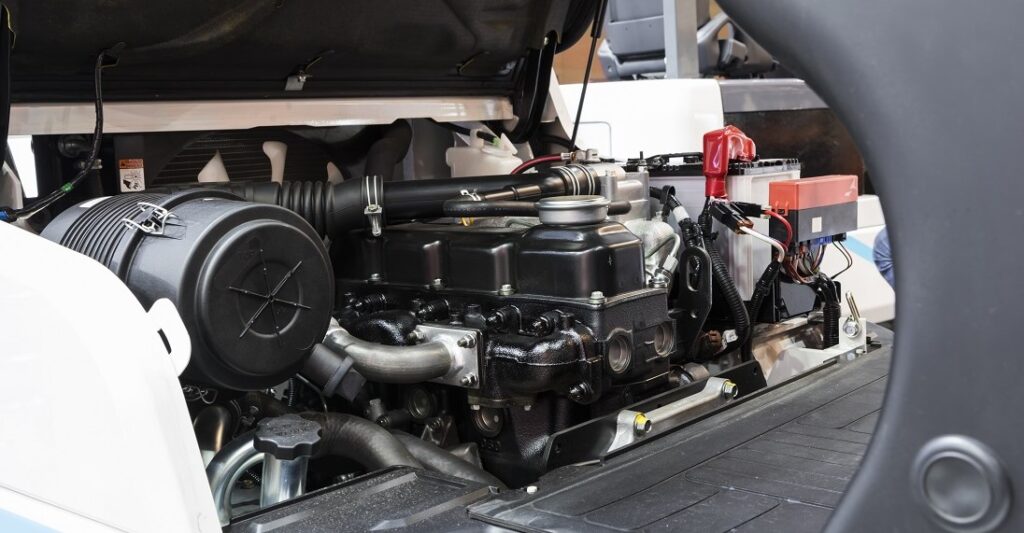
How Does a Forklift Hydraulic Cylinder Handle Variations in Temperature?
A forklift hydraulic cylinder is designed to handle variations in temperature effectively to ensure reliable and consistent performance. The hydraulic system, including the cylinder, is engineered to withstand both high and low temperatures commonly encountered in different operating environments. Here’s a detailed explanation of how a forklift hydraulic cylinder handles variations in temperature:
- Temperature-Resistant Seals:
- Hydraulic Fluid Selection:
- Thermal Expansion Compensation:
- Heat Dissipation and Cooling:
- Cold Start Considerations:
- Insulation and Protective Measures:
Hydraulic cylinders in forklifts are equipped with seals that are specifically designed to withstand temperature fluctuations. These seals are made from high-quality materials such as synthetic rubber or thermoplastic elastomers that have excellent resistance to heat and cold. The temperature-resistant seals ensure proper sealing and prevent leakage of hydraulic fluid, even when exposed to extreme temperature conditions.
The choice of hydraulic fluid plays a crucial role in temperature management within the hydraulic system, including the cylinder. Different types of hydraulic fluids are available, each with specific temperature ranges for optimal performance. Forklift manufacturers typically recommend hydraulic fluids that are suitable for the expected operating temperatures. These fluids have properties that enable them to maintain consistent viscosity and lubrication characteristics, ensuring smooth cylinder operation across a wide temperature range.
Variations in temperature cause materials to expand or contract. Hydraulic cylinders are designed to accommodate the thermal expansion of components effectively. The materials used in the cylinder construction, such as steel or aluminum alloys, have specific coefficients of thermal expansion. By considering these properties during the design and manufacturing process, forklift hydraulic cylinders are built to compensate for thermal expansion, minimizing the risk of structural damage or performance issues due to temperature changes.
In high-temperature environments, forklift hydraulic cylinders may be exposed to heat generated by the hydraulic system or external sources. To prevent overheating, cylinders are often equipped with cooling mechanisms. These mechanisms can include cooling fins or external cooling systems that help dissipate heat and maintain the cylinder within the desired temperature range. Effective heat dissipation ensures that the hydraulic fluid retains its optimal properties and that the cylinder operates efficiently and reliably.
In low-temperature conditions, such as during cold starts, hydraulic cylinders may experience increased viscosity of the hydraulic fluid, which can affect their performance. To mitigate this issue, forklift hydraulic systems are designed with features such as preheating systems or low-temperature hydraulic fluids. These measures help to warm up the hydraulic fluid and ensure its proper flow and lubrication, allowing the hydraulic cylinder to operate smoothly even in cold environments.
In extreme temperature conditions, additional insulation or protective measures may be applied to the hydraulic cylinder and its components. Insulation materials can help maintain stable operating temperatures within the cylinder, preventing heat loss in cold environments or minimizing heat absorption in hot environments. Protective coatings or covers may also be used to shield the cylinder from external temperature fluctuations or exposure to harsh elements, ensuring its longevity and performance.
By incorporating temperature-resistant seals, selecting suitable hydraulic fluids, compensating for thermal expansion, implementing heat dissipation mechanisms, considering cold start conditions, and applying insulation or protective measures, forklift hydraulic cylinders are designed to handle variations in temperature effectively. These design considerations ensure the reliable and consistent operation of the hydraulic system, enabling forklifts to perform optimally in diverse temperature environments.
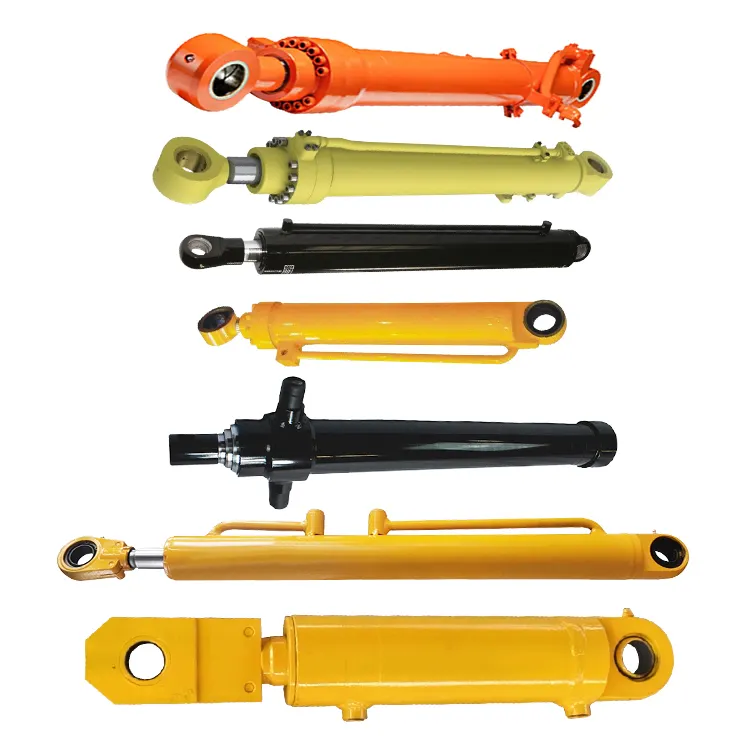
How does a forklift hydraulic cylinder contribute to load handling precision?
A forklift hydraulic cylinder plays a significant role in achieving precise load handling. Here’s an explanation of how it contributes to load handling precision:
The hydraulic cylinder contributes to load handling precision in the following ways:
1. Controlled Lifting and Lowering:
The hydraulic cylinder enables controlled lifting and lowering of the forks or attachment. By adjusting the hydraulic pressure and flow, the operator can smoothly and precisely raise or lower the load. This control allows for accurate positioning of the forks and precise handling of the load, minimizing the risk of damage or accidents.
2. Variable Speed Control:
Forklift hydraulic cylinders offer variable speed control during lift and tilt operations. The operator can adjust the hydraulic flow rate to control the speed at which the forks or attachment move. This variable speed control allows for fine adjustments and precise positioning of the load, even in delicate or sensitive handling situations.
3. Load Balancing:
The hydraulic cylinder contributes to load balancing, which is crucial for precise load handling. By adjusting the extension or retraction of the cylinder, the operator can maintain a proper balance between the load and the forklift. This balance ensures stability and control during lifting, lowering, and transport, enhancing load handling precision.
4. Fork Positioning:
Hydraulic cylinders are responsible for controlling the positioning of the forks or attachment. By extending or retracting the cylinders, the operator can adjust the horizontal position of the forks, aligning them with the load or pallet. This precise fork positioning allows for accurate entry into pallets or containers, ensuring efficient load handling.
5. Attachment Control:
In forklifts with specialized attachments, hydraulic cylinders contribute to precise control of the attachment’s movements. Whether it’s a side shift, fork positioner, or rotating attachment, the hydraulic cylinder enables accurate adjustments and alignment of the attachment to the load. This precise attachment control enhances load handling precision, especially when dealing with unique or challenging load configurations.
In summary, a forklift hydraulic cylinder contributes to load handling precision through controlled lifting and lowering, variable speed control, load balancing, fork positioning, and attachment control. These factors work together to provide operators with the ability to handle loads with accuracy, control, and efficiency.
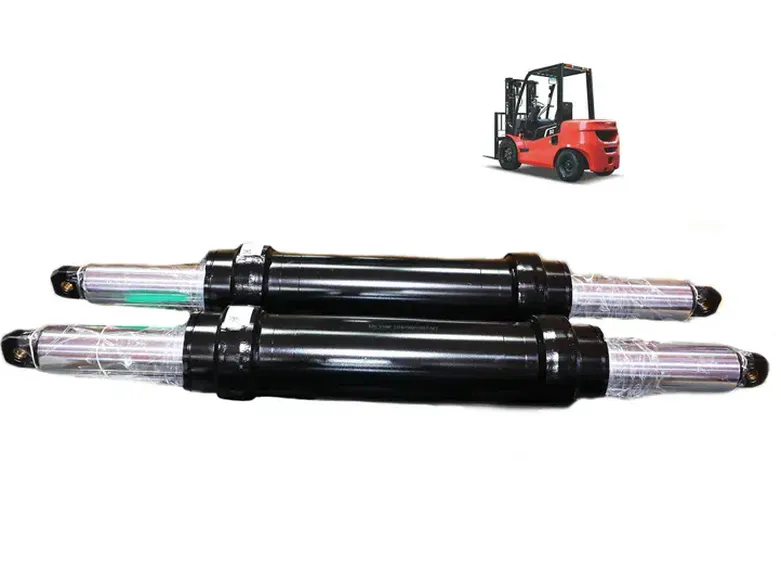
How Does a Forklift Hydraulic Cylinder Handle Variations in Load Weight?
A forklift hydraulic cylinder is designed to handle variations in load weight by utilizing the principles of hydraulic pressure and force. The hydraulic system of a forklift, including the hydraulic cylinder, employs a closed-loop system that allows for efficient and precise handling of different load weights. Here’s how a forklift hydraulic cylinder handles variations in load weight:
- Hydraulic Pressure:
- Force Balance:
- Load Sensing Valves:
- Controlled Lowering:
- Stability and Balance:
The hydraulic cylinder in a forklift operates based on the principle of hydraulic pressure. The forklift’s hydraulic system includes a hydraulic pump that pressurizes the hydraulic fluid, typically hydraulic oil. When the forklift operator activates the controls to lift a load, the pressurized hydraulic fluid is directed to the hydraulic cylinder. The high-pressure fluid exerts force on the piston inside the cylinder, creating an upward force that lifts the load.
The hydraulic cylinder is designed to maintain a force balance between the load weight and the hydraulic pressure. As the load weight increases, the hydraulic system compensates by adjusting the hydraulic pressure accordingly. The hydraulic pump supplies more pressurized fluid to the cylinder, allowing the cylinder to generate the required force to lift the heavier load. This force balance ensures that the forklift can handle variations in load weight effectively.
Modern forklifts often incorporate load sensing valves in their hydraulic systems to further optimize load handling. Load sensing valves continuously monitor the load weight and adjust the hydraulic pressure accordingly. These valves sense the force exerted on the hydraulic cylinder and regulate the pressure to match the load weight. When a heavier load is detected, the load sensing valve signals the hydraulic pump to increase the pressure, ensuring the necessary force is applied to lift the load safely and efficiently.
In addition to handling variations in load weight when lifting, forklift hydraulic cylinders also ensure controlled and safe lowering of the load. The hydraulic system uses various control valves and mechanisms to regulate the flow of hydraulic fluid during lowering. This allows for precise and gradual lowering of the load, regardless of its weight. The operator can control the descent speed using the forklift’s controls, ensuring smooth and safe handling of the load during the lowering process.
While the hydraulic cylinder plays a crucial role in handling variations in load weight, maintaining stability and balance is equally important. Forklifts are designed with a stable base and a counterweight at the rear to provide balance and prevent tipping. The hydraulic system, including the cylinder, works in conjunction with the forklift’s overall design to maintain stability and ensure safe operation, especially when dealing with uneven or shifting loads.
In summary, a forklift hydraulic cylinder handles variations in load weight by utilizing hydraulic pressure, force balance, load sensing valves, and controlled lowering mechanisms. These components and systems work together to ensure that the hydraulic cylinder can lift and lower loads of different weights safely and efficiently. The ability to adapt to varying load weights is essential for the versatility and effectiveness of forklifts in various material handling applications.


editor by CX 2023-10-27