Product Description
1.Product Description
| Item | Underbody Hydraulic Cylinder |
| Application | Dump Truck&Trailer,Tipper,Dumper etc |
| HS CODE | 8412210090 |
| Each Stage Diameter(mm) | 214/191/169/149/129/110/91/75/60; 202/179/157/137/118/99/80/63; 221/196/172/150/129/110/91/75/60; |
| Max.Stroke(mm) | 2500mm |
| Max.Pressure(MPa) | 20MPa/200BAR/2900PSI |
| Raw Matrial | Alloy Steel 27SiMn/16Mn/45#/20# seamless steel pipe |
| Seal Kits | Hallite,Kaden,Merkel,Guarnitec etc |
| Color | Black,Blue,Red,Gray,White etc |
| Chrome | Hard chrome plated |
| Chrome Thickness(mm) | 0.015-0.571mm |
| Package | Plywood Pallet,Steel Pallet etc suitable for export |
| Warranty | 14 months |
| Overseas Client | USA,Canada,Mexico,Guatemala,Colombia,Ecuador,Australia,New Zealand,South Korea etc |
2.Company Introduction
Zhongxin Machinery specialize in the production and R&D of Dump Truck&Trailer Telescopic Hydraulic Cylinder,
Dump Truck Hydraulic System,Agricultural Machinery Hydraulic Cylinder, Garbage Truck Hydraulic Cylinder,
Tipping Platform Hydraulic Cylinder,Snow Plow Hydraulic Cylinder and so on.
Over the years development,our products have been exported to
America,Australia,Russia,Canada,Mexico,Guatemala,Colombia,Netherlands etc
and have been widely praised by the customers from home and abroad.
We are committed to providing customers with high quality and reasonable price products.
All ZhongXin products are designed,engineered and manufactured by highly skilled and experienced engineers,
All the products do QC 3 times before delivery to make sure the quality.
3.Product Introduction
4.Package&Shipping
5.Overseas Clients
6.FAQ
A. Compared with CHINAMFG cylinder, what are your cylinder advantages?
1. Rod are chrome plated.
2. Tubes are quenched and tempered.
3.Tube inner hole goes through deep hole boring machine processing. Surface roughness is 0.4Ra
and circular degree is 0.571.
4. Good quality yet lower price.
B: Are you a manufacture or a trade company?
Manufacture, we are the leader manufacturer of hydraulic industry in China with 14 years’ experience and technology accumulation.
With strong technical team we could solve any annoyance of you.
C: How can I get a booklet and buy a cylinder from you?
Just leave me a message or email or call me directly, let me know you are interesting in our products. I will talk with you for the details soon!
1. Please advice the drawing with technical requirement.
2. Please advice the model No. after you check our booklet.
3. Please advice the tipping capacity, number of stages, closed length, mounting type and size.
4. Please also help advice the quantities, this is very important.
D: Do your products come with a warranty?
Yes, we have 14 months warranty. In this year, if the quality problem we will free repair for you.
E: What about the quality feedback of your products?
We have never received even once quality complaint for many years of international business.
F: Can you help me to install or recommend what kind of hydraulic cylinder or power pack should I use for specific machine?
Yes, we have 6 experienced engineers who are always ready to help you. If you do not know what kind of hydraulic cylinders should be used in your machine, please just contact us, our engineers will design the exact products match your need.
G: What is the delivery time?
Within 15 days for samples.
25-30 days for bulk production, which is depend on quality, production process and so on.
H: What is your main payment term?
T/T, L/C, either is available.
/* January 22, 2571 19:08:37 */!function(){function s(e,r){var a,o={};try{e&&e.split(“,”).forEach(function(e,t){e&&(a=e.match(/(.*?):(.*)$/))&&1
| Certification: | CE, ISO9001 |
|---|---|
| Pressure: | High Pressure |
| Work Temperature: | -30degrees-80degrees |
| Acting Way: | Single Acting |
| Working Method: | Straight Trip |
| Adjusted Form: | Regulated Type |
| Samples: |
US$ 60/Piece
1 Piece(Min.Order) | |
|---|
| Customization: |
Available
|
|
|---|
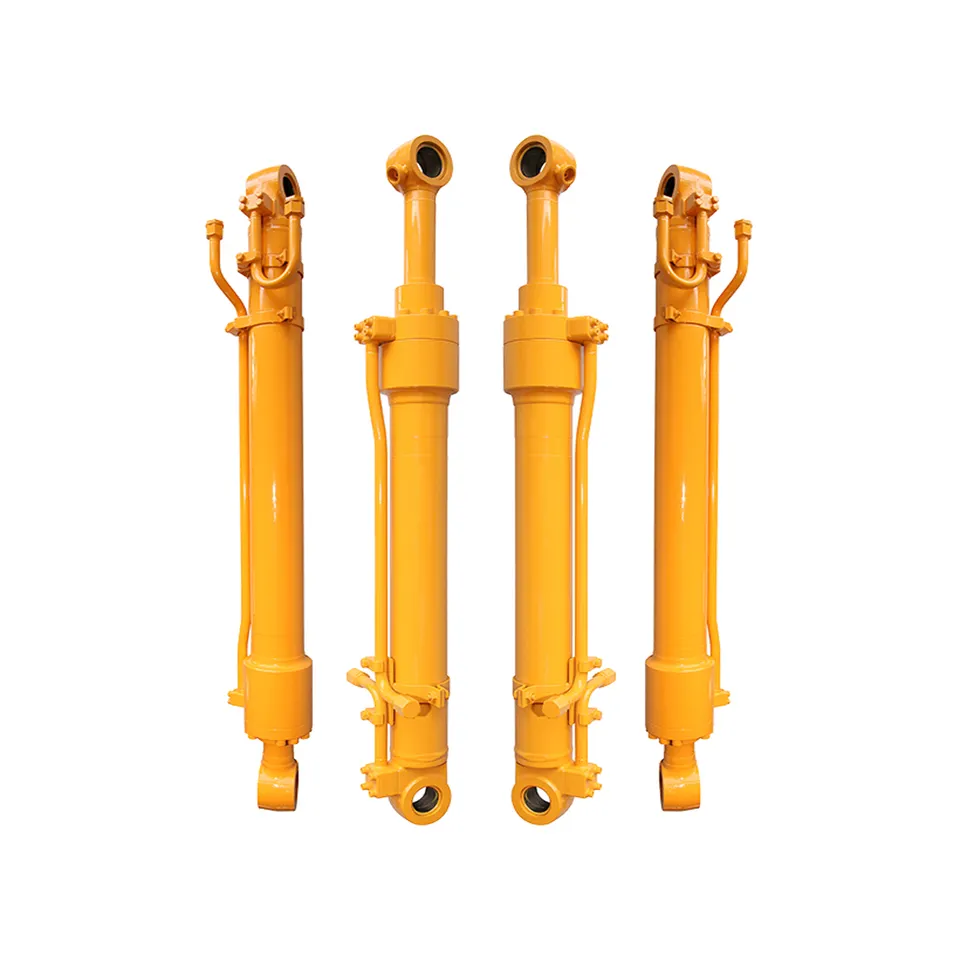
What are the advantages of using lift cylinders in material handling?
Using lift cylinders in material handling offers several advantages that enhance efficiency, productivity, and safety. Here are some key advantages of using lift cylinders:
1. Lifting Capacity:
Lift cylinders are designed to provide substantial lifting capacity. They can handle heavy loads and are available in various sizes and configurations to accommodate different weight requirements. This allows for efficient lifting and moving of materials, reducing the need for manual labor or multiple lifting mechanisms.
2. Precise Control:
Lift cylinders offer precise control over the lifting and lowering operations. By regulating the flow and pressure of hydraulic fluid, operators can achieve accurate positioning and controlled movements. This level of control ensures safe and precise material handling, preventing damage to the load and the surrounding environment.
3. Smooth and Stable Operation:
Lift cylinders provide smooth and stable operation during lifting and lowering processes. The hydraulic system minimizes jerking or sudden movements, ensuring a controlled and stable lifting experience. This stability is crucial when handling fragile or delicate materials that require careful maneuvering.
4. Flexibility:
Lift cylinders offer flexibility in terms of their application and adaptability to different material handling scenarios. They can be integrated into various types of equipment, such as forklifts, cranes, or material handling platforms. This versatility allows for efficient material handling across different industries and environments.
5. Space Efficiency:
Compared to other lifting mechanisms, lift cylinders are relatively compact, which makes them suitable for applications where space is limited. The vertical movement of the cylinder allows for efficient use of vertical space, optimizing storage capacity and workspace utilization.
6. Durability and Longevity:
Lift cylinders are built to withstand rigorous and demanding material handling operations. They are constructed with sturdy materials and designed to withstand heavy loads, repetitive motions, and harsh working conditions. Proper maintenance and care can ensure their longevity, providing reliable performance over an extended period.
7. Safety:
Lift cylinders prioritize safety during material handling operations. They incorporate safety features such as pressure relief valves, load holding devices, and fail-safe mechanisms to prevent accidents or uncontrolled movements. These safety features help protect operators, bystanders, and the materials being lifted.
8. Reduced Manual Labor:
Using lift cylinders in material handling reduces the reliance on manual labor for lifting heavy loads. This improves productivity, reduces the risk of injuries associated with manual lifting, and allows operators to focus on other essential tasks, enhancing overall operational efficiency.
In summary, the advantages of using lift cylinders in material handling include high lifting capacity, precise control, smooth and stable operation, flexibility in application, space efficiency, durability, safety features, and reduced reliance on manual labor. These advantages contribute to improved efficiency, productivity, and safety in material handling operations.
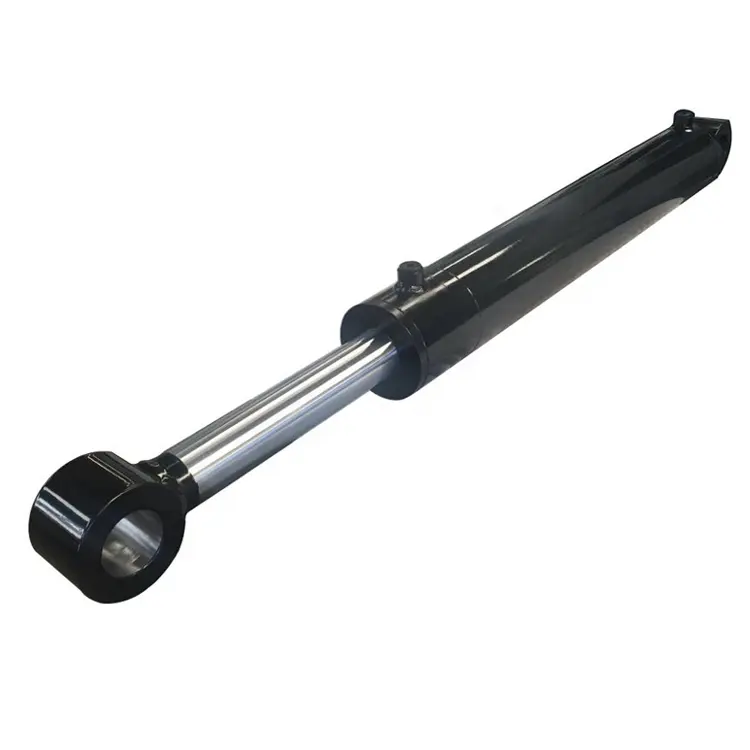
How does a lift cylinder handle variations in hydraulic seal technology?
A lift cylinder is designed to accommodate variations in hydraulic seal technology. Here’s an explanation of how lift cylinders handle these variations:
1. Seal Types:
Hydraulic seal technology offers various types of seals, including O-rings, lip seals, V-rings, and wipers. Lift cylinders are designed to incorporate different seal types based on the specific requirements of the application. The selection of seal types depends on factors such as pressure, temperature, fluid compatibility, and environmental conditions. Lift cylinders are manufactured with the necessary seal grooves and configurations to accommodate these variations in seal types.
2. Seal Materials:
Hydraulic seals are manufactured using different materials, such as rubber, polyurethane, PTFE (polytetrafluoroethylene), and various composite materials. Each material offers specific properties, including resistance to wear, temperature, chemicals, and extrusion. Lift cylinders are engineered to work with different seal materials, ensuring compatibility and optimal performance. The cylinder design takes into account the specific characteristics and requirements of the seal materials used.
3. Seal Profiles and Dimensions:
Hydraulic seals come in various profiles and dimensions to suit different applications and equipment. Lift cylinders are designed with corresponding seal grooves and dimensions to accommodate the specific seal profiles. The seal profiles may include standard shapes such as U-cups, piston seals, rod seals, and specialized profiles for specific sealing requirements. Lift cylinders are manufactured with precise tolerances to ensure proper installation and sealing effectiveness.
4. Sealing Performance and Efficiency:
Lift cylinders are engineered to provide optimal sealing performance and efficiency. They are designed to minimize leakage and maintain the required hydraulic pressure during operation. The cylinder components, including the piston, rod, and cylinder housing, are precisely machined to ensure a tight fit and prevent bypass of hydraulic fluid. Lift cylinders undergo rigorous testing and quality control measures to verify their sealing performance and efficiency under various operating conditions.
5. Seal Maintenance and Replacement:
Lift cylinders are designed to facilitate seal maintenance and replacement. Over time, hydraulic seals may wear out or degrade due to factors such as usage, environmental conditions, or fluid contamination. Lift cylinders are constructed to allow for easy access to the seals, making maintenance and replacement procedures efficient. This design consideration reduces downtime and ensures the longevity of the lift cylinder’s sealing system.
In summary, lift cylinders are engineered to handle variations in hydraulic seal technology by accommodating different seal types, materials, profiles, and dimensions. Their design ensures optimal sealing performance, efficiency, and ease of maintenance. By incorporating the appropriate seal technology, lift cylinders maintain the integrity of the hydraulic system, prevent leaks, and ensure reliable and efficient operation.
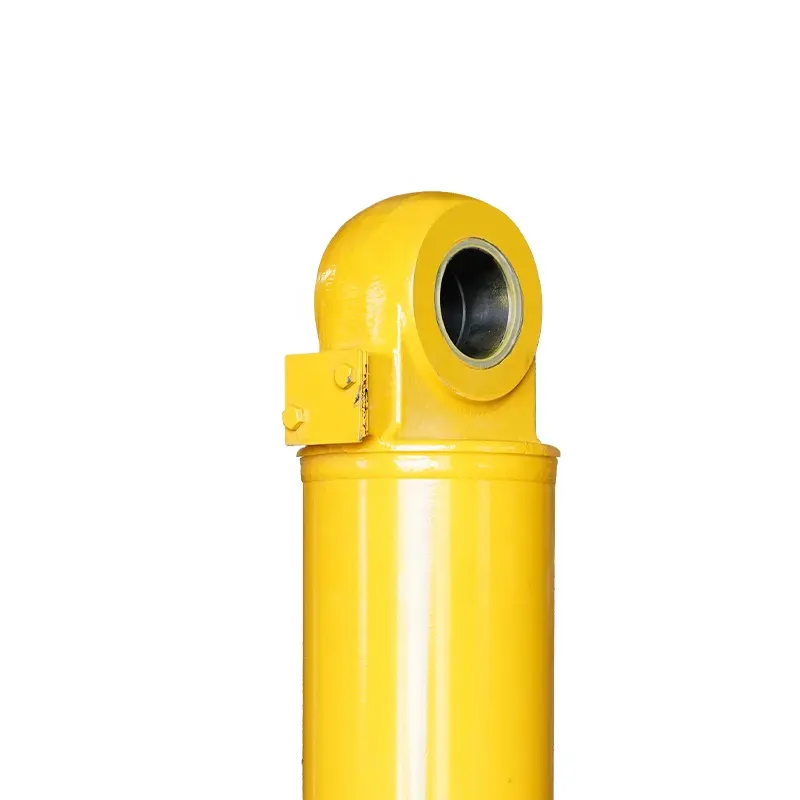
How does a lift cylinder differ from other types of hydraulic cylinders?
A lift cylinder, also known as a hydraulic lift cylinder or hydraulic lifting cylinder, has some distinct characteristics that set it apart from other types of hydraulic cylinders. Here’s an explanation of how a lift cylinder differs from other hydraulic cylinders:
While hydraulic cylinders come in various types and designs, including single-acting, double-acting, telescopic, and differential, a lift cylinder typically refers to a double-acting cylinder. Here are some key differences:
1. Double-Acting Design:
A lift cylinder is generally designed as a double-acting cylinder, meaning it can generate force in both the extension and retraction strokes. This allows for bidirectional movement and greater flexibility in lifting and lowering operations. In contrast, some other types of hydraulic cylinders, such as single-acting cylinders, generate force in only one direction.
2. Linear Motion:
The primary function of a lift cylinder is to provide linear motion for lifting and lowering loads. It is specifically designed to generate vertical movement, making it suitable for applications that require vertical displacement, such as hydraulic lifts, scissor lifts, and elevating platforms.
3. Load Capacity:
Due to their design and intended use, lift cylinders are typically designed to handle heavier loads compared to other types of hydraulic cylinders. They are engineered to provide high lifting capacities and withstand the forces associated with lifting heavy objects.
4. Control Valve Configuration:
Lift cylinders often require specialized control valve configurations to regulate their operation. This is because precise control is crucial in lifting and lowering operations, especially in applications where safety and accuracy are paramount, such as in hydraulic lifts or elevators.
5. Application-Specific:
While other types of hydraulic cylinders have diverse applications across various industries, lift cylinders are commonly used in specific applications that require vertical lifting and lowering. They are frequently employed in hydraulic lifts, scissor lifts, material handling equipment, and other vertical motion systems.
6. Construction and Mounting:
Lift cylinders may have specific construction features and mounting options to accommodate their application requirements. For example, they may include features like safety locks, cushioning mechanisms, or specialized mounting brackets to ensure secure and efficient operation in lifting applications.
In summary, a lift cylinder differs from other types of hydraulic cylinders in terms of its double-acting design, focus on linear motion for lifting and lowering, higher load capacity, specialized control valve configuration, application-specific usage, and construction features tailored for lifting applications. These distinctions make lift cylinders well-suited for vertical motion systems and applications that require reliable and precise lifting operations.


editor by CX 2024-03-06