Product Description
hydraulic cylinder tipping gear system for dump truck manufacturer
The hydraulc self-charging system for dump truck includes telescopic hydraulic cylinder,supporting bracket, hydraulic hose, gear pump, limit valve and other fittings. It has simple structure, high strength and safe operation with competitive price and excellent quality.
1. dump truck telescopic hydraulic cylinder drawing and parameter
|
Features |
customer hydraulic cylinder |
|
Bore Diameter |
2′-60’/50-1500mm |
|
Rod Diameter |
1′ – 60’/25 -1500 mm |
|
Wall Thickness |
0.1′-4’/3-100 mm |
|
Max Stroke |
366’/9280 mm |
|
Max Pressure |
9600 psi/600 bar |
|
Test Pressure |
14500 psi/1000 bar |
|
Material |
20#,40#,45#,16Mn,27SiMn,etc |
|
Seal Kits |
Hallite,Parker,NOK,DICHTOMATIK,Trelleborg,Merkel,etc |
|
Diamensional Accuracy |
H7-H11 |
|
Bore Roughness |
Ra 0.4-1.6mm |
|
Coating |
hard chrome |
|
Purpose |
Construction,metallurgical,mining,agricultural,forestry machinery,etc |
|
OEM |
Yes |
|
MOQ |
1 Piece |
|
Certificates |
ISO9001,ISO/TS16949,ABS,AQA,API,CCS,CCRI,DNV |
Product details:
Production process:
hydraulic cylinder for dump truck , trail truck,garbage truck,crane
1.Sinciput telescopic hydraulic cylinder is used in lager-tonnage sinciput hydraulic system. Together with hydraulic pump, change valve, and limit valve, it can realize the function of lifting pausing and falling. And the product can be designed and made according to the demands of customers.
2.underbody telescopic hydraulic cylinder is used in large-tonnage side-dumping hydraulic system. Together with hydraulic pump, change valve, and limit valve, it can realize the function of lifting pausing and falling. And the product can be designed and made according to the demands of customers.
hydraulic cylinder for coal mine dump truck
3.Hydraulic cylinder is the most important component in hydraulic systems, it will transfer hydraulic energy into mechanical energy, and is matched with various transmission mechanism, to complete a variety of mechanical motion.
4.Hydraulic cylinder has the advantages of simple structure, large output force, stable and reliable performance, easy maintenance, wide application.
5. customer hydraulic cylinder can be used for dump truck, marine, drilling machine, industry, elevator , workover rig , mining, agriculture, industry, construction ,etc.
| Certification: | GS, RoHS, CE, ISO9001 |
|---|---|
| Pressure: | High Pressure |
| Work Temperature: | High Temperature |
| Acting Way: | Double Acting |
| Working Method: | Straight Trip |
| Structure: | Piston Type |
| Samples: |
US$ 200/Piece
1 Piece(Min.Order) | |
|---|
| Customization: |
Available
|
|
|---|
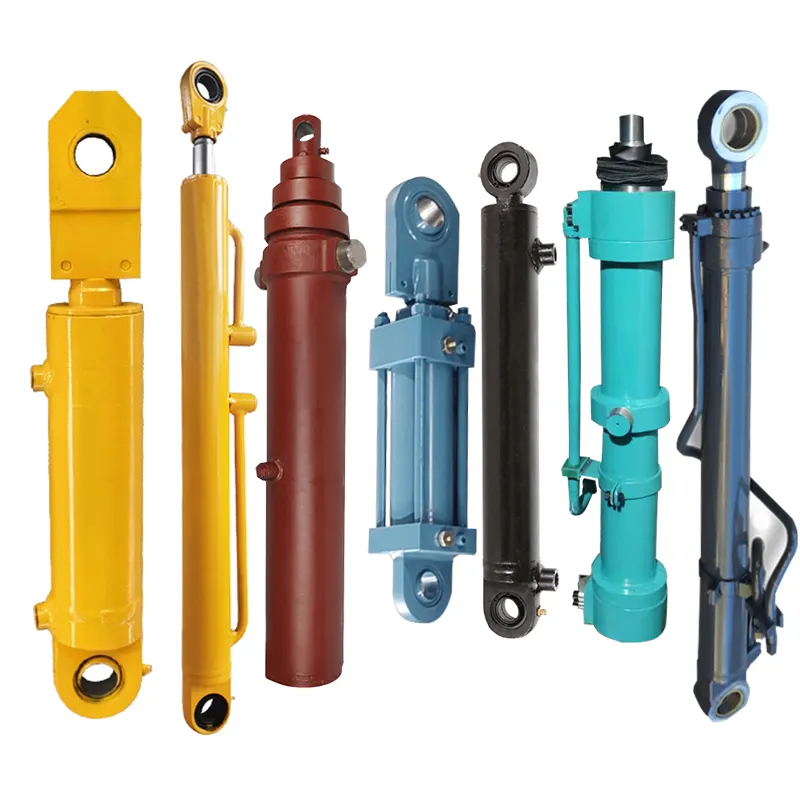
How does a lift cylinder handle variations in cylinder size and capacity?
A lift cylinder is designed to handle variations in cylinder size and capacity to accommodate different lifting requirements. Here’s an explanation of how lift cylinders handle these variations:
1. Size and Dimensions:
Lift cylinders come in various sizes and dimensions to suit different applications. The cylinder size refers to its overall dimensions, such as the diameter and length of the cylinder body. Lift cylinders can be manufactured in a range of sizes, allowing for flexibility in selecting the appropriate cylinder size based on the specific lifting needs. Larger cylinders are capable of generating greater lifting force, while smaller cylinders are more compact and suitable for applications with limited space.
2. Capacity and Load Rating:
The capacity of a lift cylinder refers to the maximum load it can lift safely. Lift cylinders are rated for specific load capacities, and it is important to select a cylinder with a suitable capacity for the intended lifting task. Lift cylinders with higher load ratings are designed to handle heavier loads, while cylinders with lower load ratings are suitable for lighter loads. The capacity of the lift cylinder is determined by factors such as its construction, materials, and structural integrity.
3. Hydraulic Pressure:
The hydraulic pressure applied to the lift cylinder affects its lifting capacity and force generation. By adjusting the hydraulic pressure within the system, operators can control the lifting capability of the cylinder. Higher hydraulic pressure results in increased lifting force, allowing the cylinder to handle larger loads. Conversely, lower hydraulic pressure reduces the lifting capacity of the cylinder, making it suitable for lighter loads. The hydraulic pressure can be regulated using control valves or pressure relief valves within the hydraulic system.
4. Application-specific Design:
Lift cylinders are designed to meet the requirements of specific applications. Manufacturers take into consideration factors such as load characteristics, operating conditions, and safety considerations when designing lift cylinders. This ensures that the cylinder size and capacity are matched to the demands of the application, allowing for efficient and safe lifting operations.
5. Customization Options:
In some cases, lift cylinders can be customized to fit specific size or capacity requirements. Manufacturers may offer customization options such as special sizes, load capacity modifications, or additional features to meet unique application needs. Customization allows for a tailored solution that optimizes the performance and efficiency of the lift cylinder in a particular setting.
In summary, lift cylinders handle variations in cylinder size and capacity by offering a range of sizes and load ratings. The hydraulic pressure can be adjusted to match the lifting requirements, and lift cylinders can be customized for specific applications. With their versatility and adaptability, lift cylinders provide efficient and reliable lifting capabilities across a wide range of industries and lifting tasks.
How Does a Lift Cylinder Handle Variations in Cylinder Mounting and Configuration?
A lift cylinder is designed to handle variations in cylinder mounting and configuration, allowing for flexibility in different application scenarios. The construction and features of lift cylinders enable them to adapt to different mounting orientations and accommodate variations in configuration. Here’s a detailed explanation of how a lift cylinder handles variations in cylinder mounting and configuration:
- Mounting Flexibility:
- Adjustable Stroke Length:
- Modular Design:
- Flexible Mounting Accessories:
- Customization Options:
- Compliance with Industry Standards:
Lift cylinders are engineered to provide mounting flexibility, allowing them to be installed in various orientations and positions. They can be mounted vertically, horizontally, or at inclined angles, depending on the specific requirements of the application. Lift cylinders often feature versatile end caps, mounting brackets, or clevis mounts that can be adjusted or rotated to accommodate different mounting orientations. This flexibility enables lift cylinders to fit into different equipment designs and configurations.
Stroke length refers to the distance the piston rod of a lift cylinder extends or retracts during operation. Lift cylinders are designed with adjustable stroke length capabilities, which allow for customization according to specific mounting and configuration requirements. By adjusting the stroke length, the lift cylinder can accommodate variations in the available space or the desired range of motion. This adjustability ensures that the cylinder can be properly installed and operate effectively within the given constraints.
Many lift cylinders feature a modular design, allowing for easy customization and adaptation to different mounting and configuration needs. Modular lift cylinders consist of separate components that can be assembled or disassembled, providing flexibility in terms of length, rod diameter, mounting options, and other specifications. These modular components can be combined or replaced to match specific equipment requirements. The modular design enables lift cylinders to handle variations in mounting and configuration, making them versatile and adaptable for different applications.
Lift cylinders are often accompanied by a range of mounting accessories and attachments that enhance their adaptability. These accessories include clevis brackets, trunnion mounts, spherical bearings, pivot pins, and other connection components. These mounting accessories offer multiple options for securely attaching the lift cylinder to the equipment or machinery. They provide flexibility in terms of positioning, alignment, and angle adjustment, enabling the lift cylinder to accommodate variations in cylinder mounting and configuration.
Lift cylinder manufacturers often offer customization options to meet specific mounting and configuration requirements. This customization may involve modifications to the cylinder’s dimensions, mounting interfaces, rod ends, or other design aspects. By working closely with the manufacturer, equipment designers and engineers can ensure that the lift cylinder is tailored to fit the unique mounting and configuration needs of their application. Customization options allow for precise integration of the lift cylinder, ensuring optimal performance and compatibility.
Lift cylinders adhere to industry standards and guidelines, ensuring compatibility with commonly used mounting and configuration practices. These standards establish criteria for cylinder dimensions, mounting hole patterns, rod end dimensions, and other specifications. By complying with these standards, lift cylinders ensure that they can be easily integrated into various equipment designs and configurations without requiring significant modifications or adaptations.
The combination of mounting flexibility, adjustable stroke length, modular design, flexible mounting accessories, customization options, and compliance with industry standards enables lift cylinders to handle variations in cylinder mounting and configuration. This adaptability allows lift cylinders to be effectively utilized in a wide range of applications, accommodating different equipment designs and requirements.
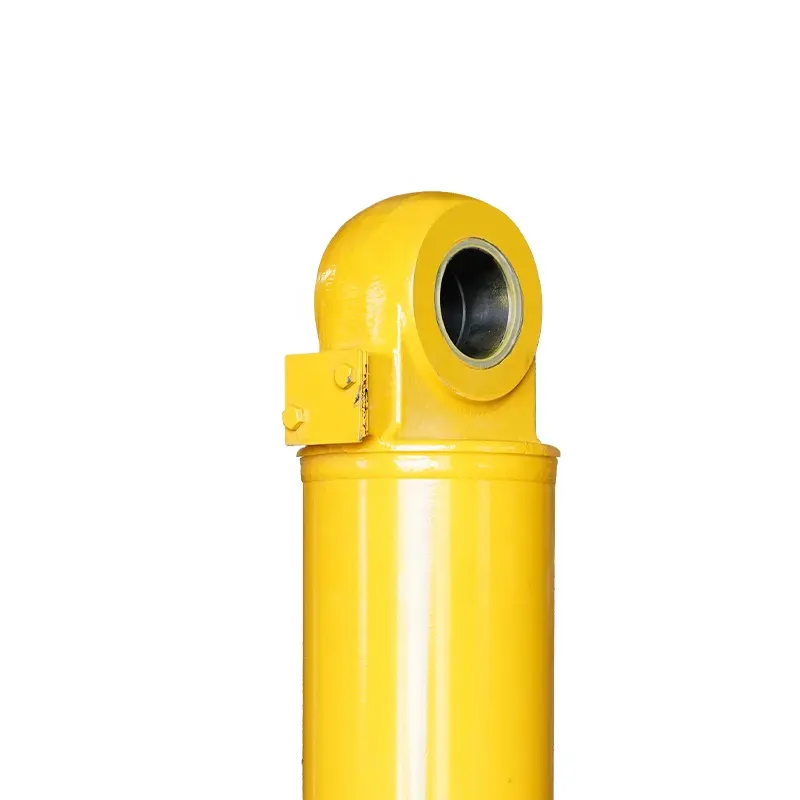
How does a lift cylinder handle variations in lift height?
A lift cylinder is designed to handle variations in lift height by utilizing its extendable and retractable piston rod. Here’s an explanation of how a lift cylinder handles variations in lift height:
When a lift cylinder is activated, hydraulic fluid is directed into the cylinder chamber, creating pressure that extends the piston rod. As the piston rod extends, it pushes against the load, lifting it to the desired height.
When there are variations in lift height, the lift cylinder adjusts accordingly by controlling the extension and retraction of the piston rod. Here’s how it works:
1. Extending the Piston Rod:
When the lift height needs to increase, the lift cylinder extends the piston rod further. This extension is achieved by increasing the flow of hydraulic fluid into the cylinder chamber. The increased fluid pressure pushes the piston and rod assembly, extending the rod and lifting the load to the required height.
2. Retracting the Piston Rod:
Conversely, when the lift height needs to decrease, the lift cylinder retracts the piston rod. This retraction is achieved by reducing the flow of hydraulic fluid into the cylinder chamber. The decreased fluid pressure allows the piston and rod assembly to retract, lowering the load to the desired height.
3. Precise Control and Positioning:
Lift cylinders are equipped with valves and control mechanisms that allow for precise control and positioning of the piston rod. By regulating the flow of hydraulic fluid and adjusting the pressure, the lift cylinder can achieve accurate and controlled movements, enabling it to handle variations in lift height with precision.
4. Adjustable Stroke Length:
Some lift cylinders have an adjustable stroke length, which refers to the distance the piston rod can travel within the cylinder barrel. By customizing the stroke length, the lift cylinder can accommodate different variations in lift height. The stroke length can be modified by adjusting the cylinder’s dimensions or incorporating additional components.
5. Integration with Control Systems:
Advanced lift cylinder systems can be integrated with control systems, such as electronic controls or programmable logic controllers (PLCs), to automate and optimize lift height adjustments. These control systems can monitor and adjust the lift cylinder’s movements based on predetermined parameters or feedback from sensors, ensuring precise and consistent lift height control.
In summary, a lift cylinder handles variations in lift height by extending or retracting the piston rod, controlling the flow and pressure of hydraulic fluid, achieving precise control and positioning, utilizing adjustable stroke length, and integrating with control systems. These capabilities enable the lift cylinder to adapt to different lift height requirements and provide accurate and controlled lifting operations.


editor by CX 2023-10-27