Product Description
Parker Telescopic Hydraulic Dump Truck/Trailer Cylinder/Roll-Off hoist
Features
·Parker Seal Division-“Zero-leak”Sealing Package
·100,000 Yield Induction Hardened Chrome Plated Rod as Standard
·Skived and Burnished Tubing
·Hardened Pin-eye Bushings
·Parker”Zero-leak” Internal Bypass Piston Design
·Greater Rod Support
Benefits
·Leak Free Extended Life
·More Resilient to External Damage
·Consistant Quality
·Extends Cylinder Life as Cylinder Wears
·More Efficient/Less Heat
·Resiste rod Deflection and Side Loading
| Part Description | |
| Application | Dump truck,Tipping,Trailer,Underbody,Roll-off Hoist |
| Material of cylinder tube | 45 steel,27SiMn,Carbon steel,Alloy steel and general seamless steel |
| Seal | Hallite,SKF,NOK,Guarnitec,Parker,and other equivalent brands |
| Coating | Hard Chrome 0.03-0.05mm |
| Temperature | _30°C to +100°C |
| Working Pressure | 16Mpa-20Mpa |
| Stroke | 2755mm-8530mm |
| Color | as Customer’s Requirement |
| Mounting type | Earring-trunnion,double trunnion,double earring(eye end) |
| Plunger | 20#,45# steel with high frequency quenching |
| Certification | ISO/TS 16949,ISO9001,ABS,API,SGS |
| Package | Shrink film,pallet,plywood case |
| Warranty | 12 months |
| Delivery time | 25-30 days after down payment |
| SKU# | |
Why choose us?
Roca team takes all your concerns into consideration to suit your hydraulic cylinder requirements. We work out the best design solution for your application.
Hydraulic cylinders are the most effective and efficient method of pushing, pulling, lifting, and lowering.
Nowadays hydraulic cylinders play an essential role in daily application and industry:
√ Mining
√ Earthmoving & Construction
√ Agriculture &Forestry
√Waste Management & Material Handing
√Ship crane & offshore
Selecting the right cylinders for an application is critical in obtaining maximum performance and reliability.
ROCA team considers all your concerns to suit your hydraulic cylinder requirements.
Together, we work out the best design solution for your application.
FAQ
Q1.Do you have MOQ?
Depending on different ideas, Can be negotiated. The larger the quantity is, the competitive the unit price will be.
Q2.Should the customer pay the delivery fee, How much is it?
For the delivery fee, many samples are being requested to be sent, so we must get the delivery fee.
If you tell me to use the appointed Express, you will give me your express account or you will pay according to the Express.
If you do not request, I will choose a cheap one in China.
Q3.How about the after sale service?
1) We will always keep the quality the same as the buyer’s samples and if there is something with the quality, we will make compensation for our customers.
2) We will suggest our packing and take charge in our packing, we will keep the goods safe in the delivery.
3) We will trace the goods from the production to selling, we will solve the problems in the selling for our customers.
Q4.When can I get a price?
We usually quote within 24 hours after we get your inquiry.
Q5: Are you a trade company or manufacturer?
We are a professional manufacturer with our own factory.
| Certification: | RoHS, CE, ISO9001 |
|---|---|
| Pressure: | High Pressure |
| Work Temperature: | High Temperature |
| Acting Way: | Single Acting |
| Working Method: | Rotary |
| Adjusted Form: | Regulated Type |
| Customization: |
Available
|
|
|---|
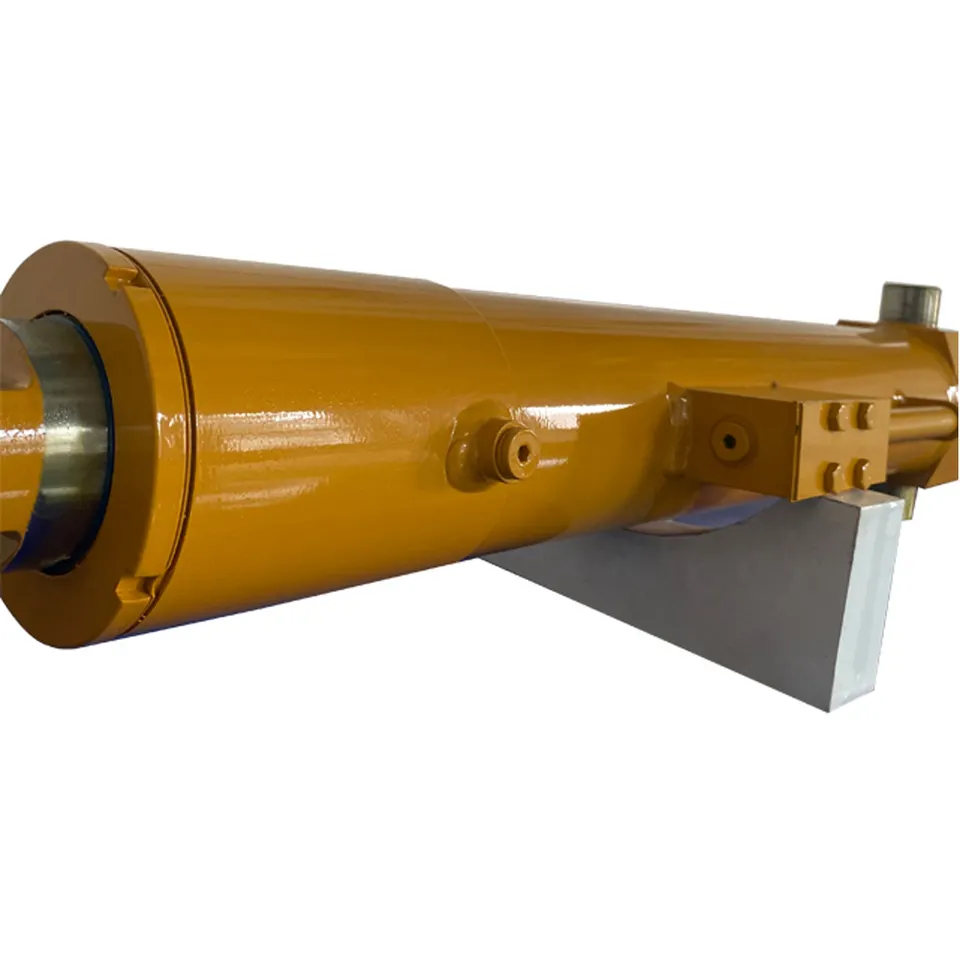
How does a lift cylinder contribute to efficient and reliable lifting?
A lift cylinder plays a crucial role in enabling efficient and reliable lifting operations. Here’s an explanation of how a lift cylinder contributes to efficient and reliable lifting:
1. High Lifting Capacity:
Lift cylinders are specifically designed to provide high lifting capacities. They can generate substantial force to lift heavy loads, making them well-suited for material handling tasks that involve large or bulky items. The high lifting capacity ensures that the cylinder can effectively handle the intended load, contributing to efficient lifting without the need for additional equipment or manual labor.
2. Precise Control:
Lift cylinders offer precise control over the lifting process. By regulating the flow and pressure of hydraulic fluid, operators can achieve accurate positioning and controlled movements. This level of control allows for efficient and precise placement of the load, reducing the risk of damage to the load or surrounding objects. The precise control also enables operators to optimize the lifting process, saving time and effort.
3. Smooth and Stable Operation:
Lift cylinders provide smooth and stable operation during lifting operations. The hydraulic system ensures that the lifting motion is steady and controlled, minimizing jerking or sudden movements. This smooth operation is important for the safe handling of delicate or fragile materials. It also enhances operator confidence and reduces the risk of accidents, contributing to reliable lifting performance.
4. Quick Response Time:
Lift cylinders offer quick response times, allowing for efficient and timely lifting operations. When activated, the hydraulic system quickly directs fluid into the cylinder, initiating the lifting motion. This rapid response time reduces downtime and enables operators to complete lifting tasks more efficiently.
5. Durability and Reliability:
Lift cylinders are built to withstand the demands of heavy-duty lifting operations. They are constructed with durable materials and designed to handle repetitive lifting tasks over extended periods. The robust construction and reliable performance of lift cylinders ensure that they can consistently deliver efficient lifting performance without frequent breakdowns or malfunctions.
6. Safety Features:
Lift cylinders often incorporate safety features to enhance reliability during lifting operations. These features can include load-holding valves, pressure relief valves, and fail-safe mechanisms. Load-holding valves prevent the load from dropping in the event of hydraulic pressure loss, ensuring the load remains securely lifted. Pressure relief valves protect the system from excessive pressure, preventing potential damage. Fail-safe mechanisms provide additional safety by engaging in the event of a system failure or power loss. The presence of these safety features contributes to reliable and safe lifting operations.
7. Integration with Control Systems:
Advanced lift cylinders can be integrated with control systems, such as electronic controls or programmable logic controllers (PLCs). This integration allows for automation and optimized control of the lifting process. By incorporating sensors, feedback mechanisms, and pre-programmed sequences, the lift cylinder can operate efficiently and reliably with minimal operator intervention.
In summary, a lift cylinder contributes to efficient and reliable lifting through its high lifting capacity, precise control, smooth and stable operation, quick response time, durability and reliability, incorporation of safety features, and integration with control systems. These features and capabilities ensure that the lifting process is efficient, accurate, and safe, thereby enhancing overall lifting performance.
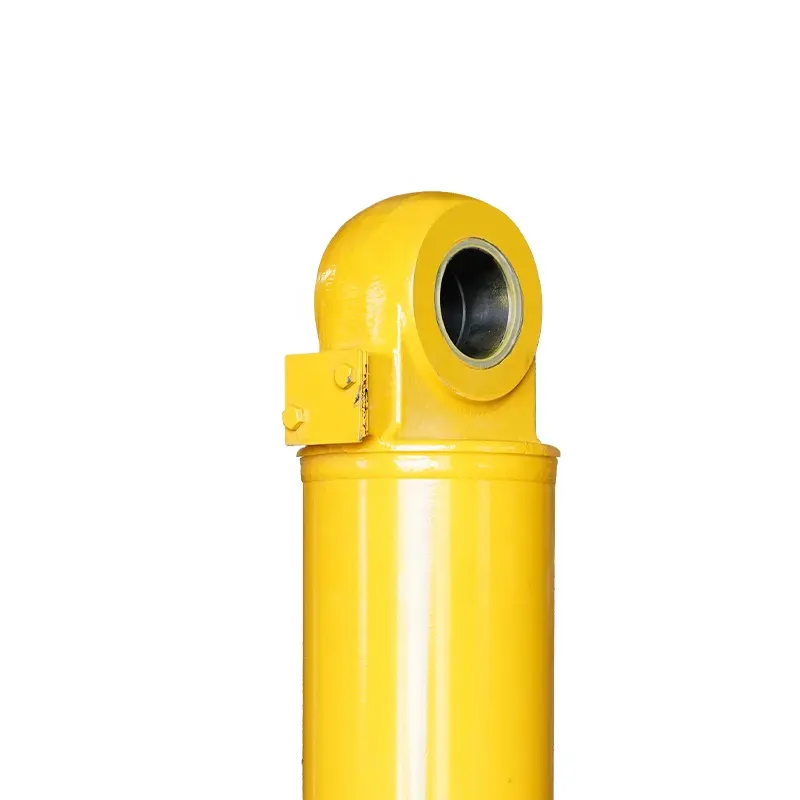
Can Lift Cylinders Be Used in Lifting and Lowering Platforms for Accessibility?
Yes, lift cylinders can be used in lifting and lowering platforms to provide accessibility for individuals with mobility challenges. These cylinders play a crucial role in the operation of accessibility platforms, such as wheelchair lifts, vertical platform lifts, or scissor lifts. Here’s a detailed explanation of how lift cylinders can be used in lifting and lowering platforms for accessibility:
- Lifting Mechanism:
- Smooth and Controlled Movement:
- Weight Capacity:
- Space Optimization:
- Reliability and Durability:
- Integration with Safety Features:
Lift cylinders serve as the primary lifting mechanism in accessibility platforms. These platforms are designed to raise or lower individuals, including wheelchair users, to different heights, allowing them to access elevated areas or overcome vertical barriers. Lift cylinders are typically integrated into the platform structure and connected to a hydraulic or pneumatic system. When activated, the cylinders extend or retract, lifting or lowering the platform in a controlled manner.
Lift cylinders ensure smooth and controlled movement of the accessibility platform during the lifting and lowering process. The cylinders are designed to provide precise and gradual motion, allowing for safe and comfortable vertical transportation. They can be equipped with features such as flow control valves or adjustable dampening to regulate the speed and prevent abrupt movements. Lift cylinders enable individuals to transition between different levels smoothly and securely.
Accessibility platforms need to support the weight of individuals using them, including wheelchair users and their mobility devices. Lift cylinders are manufactured with varying weight capacities to accommodate different load requirements. The cylinders are designed to withstand the vertical forces exerted on the platform and ensure stability and safety during operation. Lift cylinder specifications, such as bore size, rod diameter, and material strength, are carefully selected to match the intended weight capacity of the accessibility platform.
Lift cylinders contribute to space optimization in accessibility platforms. These cylinders are compact and can be integrated within the platform structure, minimizing the need for additional space or external lifting mechanisms. The compact design of lift cylinders allows for efficient utilization of the available platform area, ensuring that the platform can be installed in various settings, including tight spaces or existing structures where space is limited.
Lift cylinders are engineered for reliability and durability to meet the demanding requirements of accessibility platforms. They are designed to withstand frequent usage, heavy loads, and harsh operating conditions. Lift cylinders undergo rigorous testing and quality control measures to ensure their performance and longevity. Manufacturers often provide warranties and maintenance guidelines to support the long-term reliability and safety of lift cylinders used in lifting and lowering platforms.
Accessibility platforms incorporate various safety features to protect users during vertical transportation. Lift cylinders can be integrated with these safety features to enhance the overall system. For example, pressure relief valves can be installed in the hydraulic system to prevent excessive force in case of a malfunction or overload. Additionally, safety sensors, emergency stop buttons, and interlocks can be connected to the lift cylinder system to provide additional layers of safety and control.
Lift cylinders are essential components in lifting and lowering platforms for accessibility. Their role in providing the lifting mechanism, ensuring smooth and controlled movement, accommodating weight capacity, optimizing space, and contributing to reliability and safety makes them a valuable choice for creating inclusive environments and improving accessibility for individuals with mobility challenges.
What are the safety considerations when using lift cylinders?
When using lift cylinders, it is crucial to prioritize safety to prevent accidents and ensure the well-being of operators and bystanders. Here are some important safety considerations when using lift cylinders:
1. Proper Training:
Operators should receive proper training on the safe operation of lift cylinders. They should be familiar with the equipment’s capabilities, limitations, and recommended operating procedures. Training should include understanding hydraulic systems, load capacities, stability factors, and proper positioning techniques.
2. Inspection and Maintenance:
Routine inspection and maintenance of lift cylinders are essential for identifying any potential safety hazards. Regularly check for leaks, damaged components, loose connections, or signs of hydraulic fluid contamination. Ensure that all safety features, such as pressure relief valves and load holding devices, are functioning correctly.
3. Load Capacity and Stability:
It is crucial to know and adhere to the lift cylinder’s load capacity limits specified by the manufacturer. Overloading the cylinder can lead to equipment failure, instability, or uncontrolled movements. Properly distribute the load to maintain stability and prevent tipping or imbalance.
4. Secure Mounting:
Ensure that the lift cylinder is securely mounted to the equipment or structure. Follow the manufacturer’s guidelines for proper attachment methods and torque specifications. Loose or improper mounting can compromise the stability and safety of the lifting operation.
5. Control of Movement:
Exercise caution and maintain control over the movement of the lift cylinder. Avoid sudden or jerky motions that can destabilize the load or cause the equipment to tip. Use smooth and controlled movements, and be aware of any potential obstacles or hazards in the surrounding area.
6. Personal Protective Equipment (PPE):
Operators and personnel involved in the lifting operation should wear appropriate personal protective equipment, such as safety glasses, gloves, and steel-toed shoes. PPE helps protect against potential hazards, including hydraulic fluid leaks, falling objects, or accidental contact with moving parts.
7. Emergency Procedures:
Establish clear emergency procedures in case of equipment malfunction, hydraulic system failure, or any other unforeseen circumstances. Operators should be trained on how to respond to emergencies, including proper shutdown procedures, communication protocols, and evacuation plans.
8. Environmental Factors:
Consider the environmental conditions in which the lift cylinders are being used. Factors such as extreme temperatures, high humidity, or corrosive atmospheres can affect the cylinder’s performance and safety. Take appropriate measures, such as using protective covers or selecting cylinders with suitable material coatings, to mitigate these risks.
In summary, ensuring safety when using lift cylinders involves proper training, regular inspection and maintenance, adhering to load capacity limits, secure mounting, controlled movement, using personal protective equipment, establishing emergency procedures, and considering environmental factors. By following these safety considerations, the risk of accidents or injuries associated with lift cylinder operations can be minimized.


editor by CX 2023-10-20