Product Description
Specifications:
| Product Name | HSG Series Hydraulic Cylinder |
| Work Press | 7/14/16/21/31.5MPa 37.5/63MPa Can be Customized |
| Material | Aluminum, Cast Iron,45mnb Steel, Stainless Steel |
| Bore Size | 40mm–320mm, Customizable |
| Shaft Diameter | 20mm–220mm, Customizable |
| Stroke Length | 30mm–14100mm, Customizable |
| Rod Surface Hardness | HRC48-54 |
| Operating Temperature | -40°C to +120 °C |
| Paint Color | Black, Yellow, Blue, Brown, Customizable |
| Service | OEM&ODM |
| Warranty | 1 Year |
| MOQ | 1 Piece |
| Delivery Time | 7-15 Days, Also depending on specific demands |
| Certification | ISO9001,CE |
| Capacity | 50,000Pcs per year |
Product Display:
Mounting:
Working Flow: About Us
Tongte designs and manufactures durable, heavy-duty hydraulic products and accessories and offers lifecycle services to them. We constantly develop our machine base and operations to meet customer-specific needs and remain leaders in the industry. Beyond all else, we want to be the trusted, groundbreaking partner our customers truly need.
In addition to the customized cylinders, CHINAMFG offers hydraulic power units, Electric-Hydraulic linear actuators, piston accumulators, system configurations, and versatile services such as repair and manufacturing services. The modern production facilities are located in HangZhou, ZheJiang (China) where production started in 2001. The core values of Tongke guiding its business strongly are commitment, sustainability, interaction, and customer-first.
We possess over 20 years of experience in the industry and extensive global market experience, our customers are located all over the world, and we truly commit to the customers’ needs – these are the success factors of our family-owned company. Our vision is to grow and expand the business further into global markets.
FAQ:
Q1: What does your company do?
A: we are a supplier of high-quality hydraulic products including Hydraulic Cylinders, Hydraulic Power packs, Hydraulic Linear, and other Hydraulic components.
Q2:Are you a manufacturer or trading company?
A: We are a manufacturer.
Q3:Are you able to make Non-standard or customized products?
A: Yes, we can.
Q3: How long is your delivery time?
A: Normally, the delivery time is 7 days if we have stock, and 15-30 working days if we don’t. but it
also depends on the product
requirements and quantity.
Q4: Do you provide samples? are the samples free or not?
A: Yes, we can provide samples, but they are not free of charge.
Q5: What are your payment terms?
A: 30% deposit T/T or Irrevocable L/C at sight, If you have any questions, please feel free to
contact us.
Q6: What is your warranty policy?
A: All our products are warranted for 1 full year from the date of delivery against defects in materials and workmanship. Each individual product will be strictly inspected on our factory QC Process
System before shipment. We also have a Customer Service team to respond to customers’ questions within 12 hours.
| Certification: | ISO9001 |
|---|---|
| Pressure: | High Pressure |
| Work Temperature: | Normal Temperature |
| Customization: |
Available
|
|
|---|
.shipping-cost-tm .tm-status-off{background: none;padding:0;color: #1470cc}
|
Shipping Cost:
Estimated freight per unit. |
about shipping cost and estimated delivery time. |
|---|
| Payment Method: |
|
|---|---|
|
Initial Payment Full Payment |
| Currency: | US$ |
|---|
| Return&refunds: | You can apply for a refund up to 30 days after receipt of the products. |
|---|
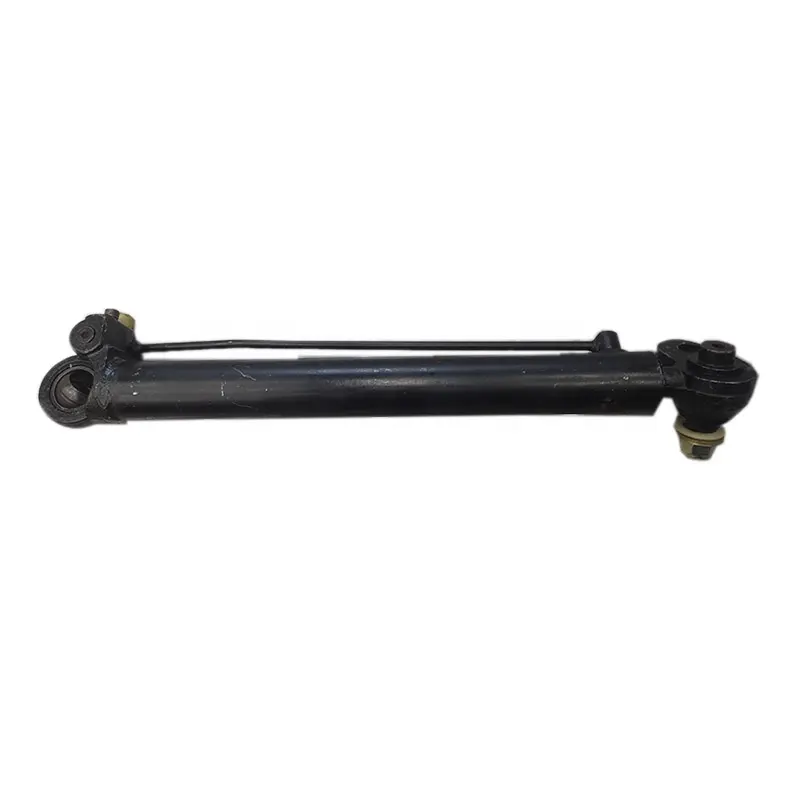
Can lift cylinders be used in both mobile and stationary applications?
Yes, lift cylinders can be used in both mobile and stationary applications. Here’s an explanation of how lift cylinders are suitable for both types of applications:
Mobile Applications:
In mobile applications, lift cylinders are commonly used in various types of equipment that require lifting capabilities. Some examples include:
- Forklifts: Lift cylinders are essential components in forklifts, enabling them to lift and lower loads efficiently. They provide the lifting force needed to raise the forks and transport materials.
- Cranes: Lift cylinders are utilized in cranes to lift and position heavy objects. They play a vital role in the vertical movement of the crane’s boom and ensure controlled lifting operations.
- Scissor Lifts: Lift cylinders are integral to scissor lifts, enabling the platform to be raised or lowered. They provide the necessary force to extend and retract the scissor arms, allowing for elevation changes.
- Aerial Work Platforms: Lift cylinders are employed in aerial work platforms, such as cherry pickers or boom lifts. They facilitate the vertical movement of the platform, enabling operators to access elevated areas safely.
Stationary Applications:
In stationary applications, lift cylinders are commonly used in various industrial and commercial settings. Some examples include:
- Material Handling: Lift cylinders are utilized in stationary material handling equipment, such as conveyor systems or lift tables. They enable the vertical movement of materials, facilitating efficient loading, unloading, or positioning.
- Automotive Lifts: Lift cylinders are employed in automotive lifts used in garages or car service centers. They provide the lifting force needed to raise vehicles for maintenance, repairs, or inspections.
- Industrial Machinery: Lift cylinders are integrated into various industrial machinery, such as hydraulic presses or assembly line equipment. They assist in lifting heavy components or adjusting the position of workpieces during manufacturing processes.
- Warehouse Systems: Lift cylinders are used in stationary warehouse systems, including vertical storage systems or automated retrieval systems. They contribute to efficient vertical movement of goods, optimizing storage and retrieval processes.
Whether in mobile or stationary applications, lift cylinders offer the necessary force and control to perform lifting tasks. Their versatility and adaptability make them suitable for a wide range of industries and applications.
“`
Can lift cylinders be used in automotive lifting equipment?
Yes, lift cylinders can be used in automotive lifting equipment. Here’s an explanation of how lift cylinders are utilized in automotive lifting systems:
Lift cylinders play a crucial role in various types of automotive lifting equipment, providing the necessary force to raise vehicles for maintenance, repairs, or inspections. Here are some common examples:
- Automotive Lifts: Lift cylinders are integral components of automotive lifts, such as two-post lifts, four-post lifts, or scissor lifts. These lifts are used in garages, auto repair shops, or car service centers to elevate vehicles to a convenient working height. Lift cylinders are responsible for the vertical lifting motion of the lift platform or arms, allowing easy access to the undercarriage or other areas of the vehicle.
- Parking Lifts: Lift cylinders are also employed in parking lifts, also known as car stackers or vehicle storage lifts. These lifts are used to maximize parking space in residential or commercial settings. Lift cylinders enable the vertical movement of the lift platforms, allowing vehicles to be stacked vertically for efficient use of space.
- Wheel Alignment Lifts: Lift cylinders are utilized in wheel alignment lifts, which are specifically designed for performing wheel alignment or suspension work. Lift cylinders raise the vehicle to a suitable height, enabling technicians to access the wheels and suspension components for adjustments or repairs.
Lift cylinders in automotive lifting equipment are typically hydraulic cylinders. They utilize hydraulic fluid and pressure to generate the necessary force for lifting heavy vehicles. The hydraulic system includes a pump, control valves, and hydraulic lines that deliver the pressurized fluid to the lift cylinders.
When activated, the hydraulic pump pressurizes the fluid, which is then directed to the lift cylinders through control valves. The pressurized fluid causes the pistons within the lift cylinders to extend, thereby lifting the platform or arms of the lifting equipment. By adjusting the flow and pressure of the hydraulic fluid, operators can control the lifting process and achieve the desired working height.
In addition to lifting capabilities, automotive lift cylinders are designed with safety features to ensure secure and reliable operation. These features may include safety locks, mechanical or hydraulic safety systems, and overload protection mechanisms. These safety measures help prevent accidents or equipment failure during the lifting process.
In summary, lift cylinders are commonly used in automotive lifting equipment, providing the lifting force necessary for vehicle maintenance, repairs, and storage. Their hydraulic operation and incorporation of safety features make them essential components in automotive service facilities, contributing to efficient and reliable vehicle lifting operations.
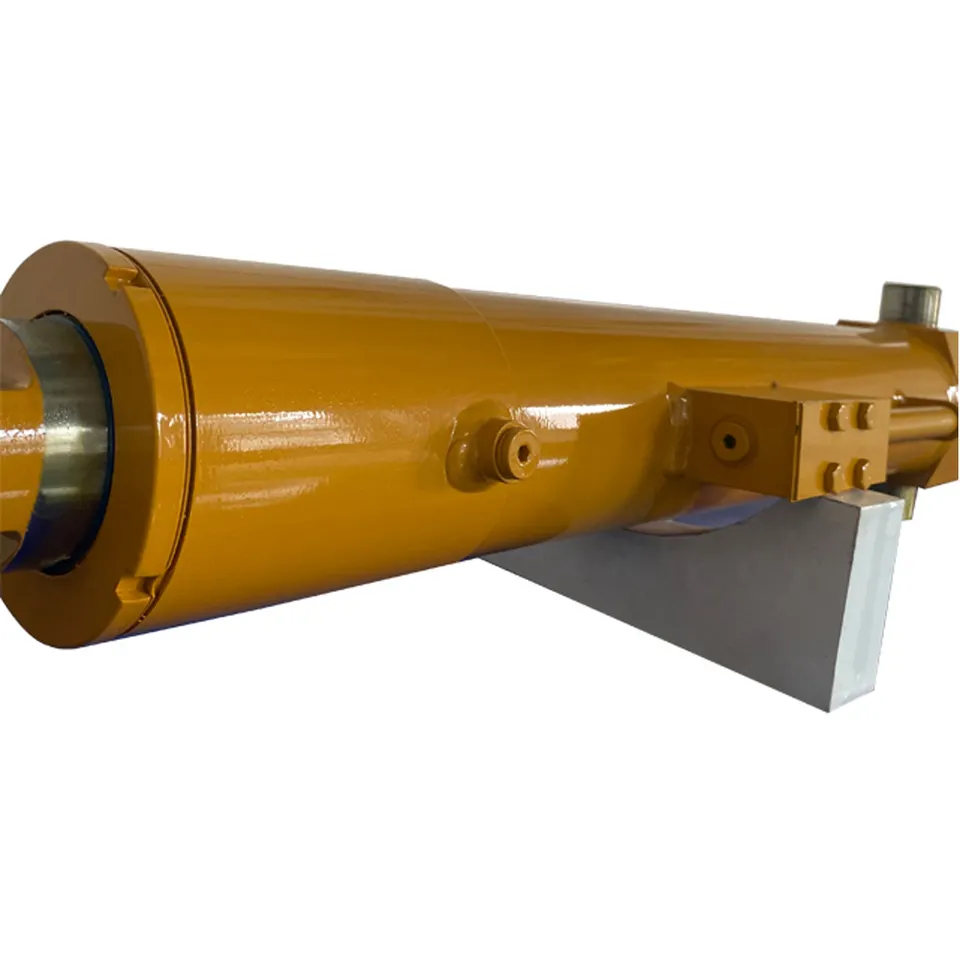
How does a lift cylinder handle variations in cylinder stroke length?
A lift cylinder is designed to handle variations in cylinder stroke length through its adjustable rod or piston. The stroke length refers to the distance the cylinder can extend or retract, and it can be adjusted to meet specific requirements in different applications.
In hydraulic lift cylinders, the stroke length can be modified by adjusting the position of the rod or piston within the cylinder. This adjustment is typically achieved by adding or removing spacers or by using adjustable stops. By changing the effective length of the cylinder, the stroke can be increased or decreased accordingly.
The adjustment of the stroke length allows the lift cylinder to accommodate different operational needs. For example, in material handling applications, where varying load sizes are encountered, the stroke length can be adjusted to ensure that the cylinder extends or retracts precisely to the required position. This flexibility enables the lift cylinder to handle a wide range of loads and adapt to different lifting or pushing scenarios.
In addition to adjusting the stroke length, lift cylinders often incorporate position feedback mechanisms. These mechanisms, such as linear transducers or position sensors, provide real-time feedback on the actual position of the cylinder. By monitoring the position, the control system can ensure accurate and precise control over the cylinder’s movement, regardless of the stroke length.
The ability to handle variations in cylinder stroke length is crucial in many industrial applications. It allows for adaptability, efficiency, and improved performance in tasks such as material handling, assembly, and automation. By adjusting the stroke length, lift cylinders can optimize their operation, ensuring that the required force and movement are achieved consistently.
In summary, lift cylinders handle variations in cylinder stroke length through adjustable rods or pistons. This adjustment capability, combined with position feedback mechanisms, enables precise control and adaptability in different applications. By accommodating different stroke lengths, lift cylinders can effectively meet the specific requirements of a wide range of industrial tasks.
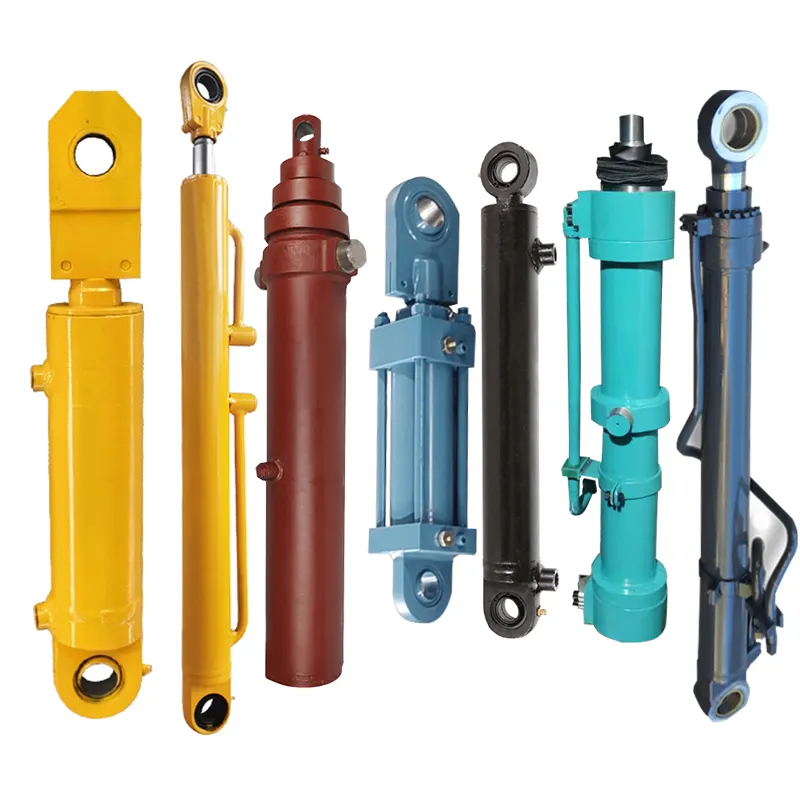
Can lift cylinders be repaired or replaced when damaged?
Yes, lift cylinders can be repaired or replaced when they are damaged. Here’s an explanation of the options for repairing or replacing lift cylinders:
1. Repair:
If a lift cylinder sustains damage, it is often possible to repair it. The extent of the damage and the specific components affected will determine the repair process. Common repairs may involve replacing seals, gaskets, or damaged hydraulic lines. In some cases, the cylinder may need to be disassembled, cleaned, and reassembled with new parts.
Repairing a lift cylinder typically requires expertise in hydraulic systems and cylinder repair. It is recommended to consult qualified professionals or authorized service centers to ensure proper diagnosis and repair procedures.
2. Replacement of Components:
If specific components within the lift cylinder are damaged or worn out, it may be possible to replace those components individually. This can include replacing the piston, rod, seals, or other internal parts. By replacing only the affected components, the cylinder can be restored to proper working condition without replacing the entire unit.
Replacement of components should be done with compatible parts that meet the manufacturer’s specifications. It may be necessary to consult the manufacturer’s documentation or seek guidance from authorized distributors or service centers to ensure proper component selection and installation.
3. Replacement of the Entire Cylinder:
In cases where the lift cylinder is severely damaged or if repairing or replacing individual components is not practical or cost-effective, it may be necessary to replace the entire cylinder. This involves removing the damaged cylinder and installing a new one that matches the specifications and requirements of the lifting equipment.
When replacing the entire cylinder, it is important to ensure compatibility with the equipment, including load capacity, mounting options, stroke length, and other specifications. The new cylinder should be selected based on the equipment’s requirements and the recommendations of the manufacturer or qualified experts.
4. Professional Assistance:
Repairing or replacing lift cylinders can be complex, especially when dealing with hydraulic systems and precise components. It is recommended to seek professional assistance from qualified technicians or authorized service centers. They have the knowledge, experience, and tools to properly diagnose, repair, or replace lift cylinders, ensuring the safety and optimal performance of the lifting equipment.
In summary, lift cylinders can be repaired or replaced when damaged. Repair options may involve replacing seals or damaged components, while component replacement allows for targeted repairs. In severe cases or when individual repairs are not feasible, the entire cylinder may need to be replaced. Professional assistance is recommended to ensure proper diagnosis, repair procedures, or component selection for the repair or replacement of lift cylinders.


editor by CX 2023-12-04