Product Description
adjustable hydraulic lift cylinder for press trade
1.Describe:
Hydraulic cylinder can bear partial loading is 5% of rated pressure. High pressure alloy cylinder is very durable, especially in the larger project, it is easily to be operated and control. It can be used for lifting heavy machine, bridge project, hydraulic engineering, harbour construction and other equipment. It has large output, light weight, remote control and other advantages, it can match with our high pressure oil pump, it can reach jack, push, pull and extrusion and kinds of working.
2. Features
1. Integral stop ring provides piston blow-out protection
2. Double-acting for positive retraction
3. Baked enamel outside finish and plated pistons provide superior corrosion resistance
4. Safety valve in retract side of cylinder helps to prevent damage in case of accidental over-pressurization
5. Interchangeable, hardened grooved saddles are standard
6. Plunger wiper reduces contamination, extending cylinder life
| Model | Tonnage T | Stroke mm | Closed height mm | Extend height mm | Outer diameter of oil cylinder mm | Dimension of plunger mm | Dimension of oil pump mm | Weight kg | Pressure |
| STQ50-100 | 50 | 100 | 225 | 325 | 127 | 70 | 100 | 35 | 63MPA |
| STQ50-160 | 160 | 285 | 445 | 39 | |||||
| STQ50-200 | 200 | 325 | 525 | 46 | |||||
| STQ50-300 | 300 | 425 | 725 | 48 | |||||
| STQ50-500 | 500 | 625 | 1125 | 63 | |||||
| STQ100-100 | 100 | 100 | 250 | 350 | 180 | 100 | 140 | 58 | |
| STQ100-160 | 160 | 310 | 470 | 63 | |||||
| STQ100-200 | 200 | 350 | 550 | 78 | |||||
| STQ100-300 | 300 | 450 | 750 | 96 | |||||
| STQ100-500 | 500 | 650 | 1150 | 130 | |||||
| STQ150-100 | 150 | 100 | 260 | 360 | 219 | 125 | 180 | 58 | |
| STQ150-160 | 160 | 320 | 480 | 69 | |||||
| STQ150-200 | 200 | 360 | 560 | 86 | |||||
| STQ150-300 | 300 | 460 | 760 | 103 | |||||
| STQ150-500 | 500 | 660 | 1160 | 255 | |||||
| STQ200-100 | 200 | 100 | 285 | 385 | 240 | 150 | 200 | 96 | |
| STQ200-160 | 160 | 345 | 505 | 103 | |||||
| STQ200-200 | 200 | 385 | 585 | 116 | |||||
| STQ200-300 | 300 | 485 | 785 | 161 | |||||
| STQ200-500 | 500 | 685 | 1185 | 221 | |||||
| STQ320-100 | 320 | 100 | 310 | 410 | 330 | 180 | 250 | 196 | |
| STQ320-160 | 160 | 370 | 530 | 240 | |||||
| STQ320-200 | 200 | 410 | 610 | 258 | |||||
| STQ320-300 | 300 | 510 | 810 | 311 | |||||
| STQ320-500 | 500 | 710 | 1210 | 456 | |||||
| STQ400-100 | 400 | 100 | 355 | 455 | 380 | 200 | 290 | 198 | |
| STQ400-160 | 160 | 415 | 575 | 231 | |||||
| STQ400-200 | 200 | 460 | 660 | 264 | |||||
| STQ400-300 | 300 | 555 | 855 | 367 | |||||
| STQ400-500 | 500 | 755 | 1255 | 456 | |||||
| STQ500-100 | 500 | 100 | 360 | 460 | 430 | 200 | 320 | 323 | |
| STQ500-160 | 160 | 420 | 580 | 330 | |||||
| STQ500-200 | 200 | 460 | 660 | 420 | |||||
| STQ500-300 | 300 | 560 | 860 | 581 | |||||
| STQ500-500 | 500 | 760 | 1260 | 599 | |||||
| STQ630-100 | 630 | 100 | 417 | 517 | 500 | 250 | 360 | 560 | |
| STQ630-160 | 160 | 477 | 637 | 633 | |||||
| STQ630-200 | 200 | 517 | 717 | 696 | |||||
| STQ630-300 | 300 | 617 | 917 | 898 | |||||
| STQ630-500 | 500 | 817 | 1317 | 1250 | |||||
| STQ800-100 | 800 | 100 | 488 | 588 | 560 | 300 | 400 | 896 | |
| STQ800-200 | 200 | 598 | 798 | 1040 | |||||
| STQ800-300 | 300 | 698 | 998 | 1380 | |||||
| STQ800-500 | 500 | 898 | 1398 | 1520 | |||||
| STQ1000-100 | 1000 | 100 | 530 | 630 | 600 | 320 | 450 | 1286 | |
| STQ1000-200 | 200 | 630 | 830 | 1332 | |||||
| STQ1000-300 | 300 | 760 | 1060 | 1663 |
If the model you are looking for is not available, please contact us! We will customize it according to your needs.
3. Application:
Our hydraulic jacks have been widely used for industrial field, such as steel plant, cement industry, chemical and refinery, bridge, railway, highway, hydropower station, ship repair, building, construction and maintenance.
4.Company information:
HangZhou Lead Equipment Co., Ltd. Have been in hydraulic tools industry since 2009.
Our main products as follow:
Single acting hydraulic jack/cylinder/ram (10-100 tons)
Single acting hollow hydraulic jack/cylinder/ram (12-100 tons)
Double acting hydraulic jack/cylinder/ram (50-2000 tons)
Double acting hollow hydraulic jack/cylinder/ram (50-2000 tons)
Single acting hydraulic jack/cylinder/ram with lock nut (55-200 tons)
Thin type single acting hydraulic jack/cylinder/ram (10-200 tons)
Ultrathin hydraulic jack/cylinder/ram (10-200 tons)
Flange type hydraulic jack/cylinder/ram (10-630 tons)
Synchronous hydraulic jack (10-1000 tons)
Hydraulic accessories: high pressure oil hose, couplers, seal kits, mainfold, etc.
All the tonnage, stroke, height can be customized according to client’s requirements, supply the best quality and serve. Our warranty is 2 years.
| Certification: | CE, SGS |
|---|---|
| Pressure: | High Pressure |
| Work Temperature: | Normal Temperature |
| Acting Way: | Double Acting |
| Working Method: | Rotary |
| Adjusted Form: | Switching Type |
| Customization: |
Available
|
|
|---|
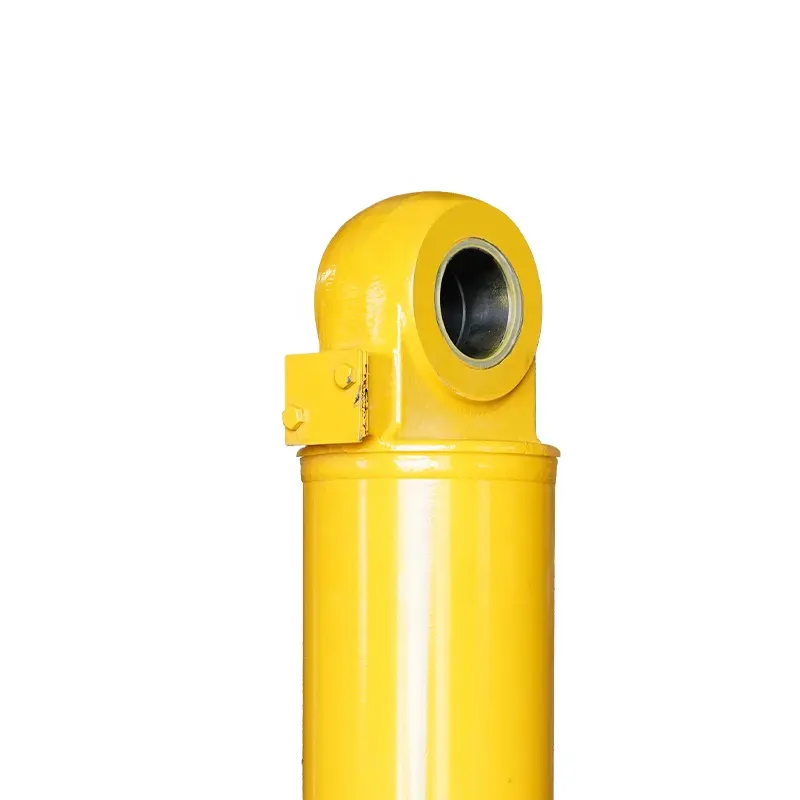
Can lift cylinders be used in material handling and conveyor systems?
Yes, lift cylinders can be used in material handling and conveyor systems. Here’s an explanation of their utilization in these applications:
Material handling and conveyor systems are commonly used in industries such as manufacturing, logistics, and warehousing to efficiently transport and handle various types of goods and materials. Lift cylinders play a vital role in these systems by providing lifting and positioning capabilities.
In material handling systems, lift cylinders are often employed to lift and lower heavy loads, such as pallets, crates, or machinery components. They are integrated into lifting mechanisms, such as scissor lifts or vertical lifts, to elevate the materials to the desired height for further processing or transfer. The lift cylinders generate the necessary force to lift the loads, ensuring smooth and controlled vertical movement.
Conveyor systems, on the other hand, utilize a series of belts, rollers, or chains to transport materials along a predetermined path. Lift cylinders can be incorporated into conveyor systems to facilitate the vertical movement of the materials. For example, lift cylinders can be used to raise or lower sections of the conveyor to accommodate changes in elevation or facilitate the transfer of materials between different conveyor levels.
One of the advantages of using lift cylinders in material handling and conveyor systems is their ability to provide precise and controlled positioning. By adjusting the hydraulic pressure or flow rate, operators can easily control the lifting speed and accurately position the materials at specific locations along the conveyor or within the material handling system.
Lift cylinders used in material handling and conveyor systems are designed to handle heavy loads and withstand rigorous operating conditions. They are typically constructed with robust materials and incorporate features such as seals and bearings to ensure durability and reliability.
In addition, lift cylinders may incorporate safety features such as overload protection or emergency stop mechanisms to enhance the safety of the material handling and conveyor systems. These safety measures help prevent accidents or damage caused by excessive loads or unexpected events.
In summary, lift cylinders are well-suited for use in material handling and conveyor systems, providing reliable lifting and positioning capabilities. Their ability to handle heavy loads, provide precise control, and incorporate safety features makes them integral components in these applications.
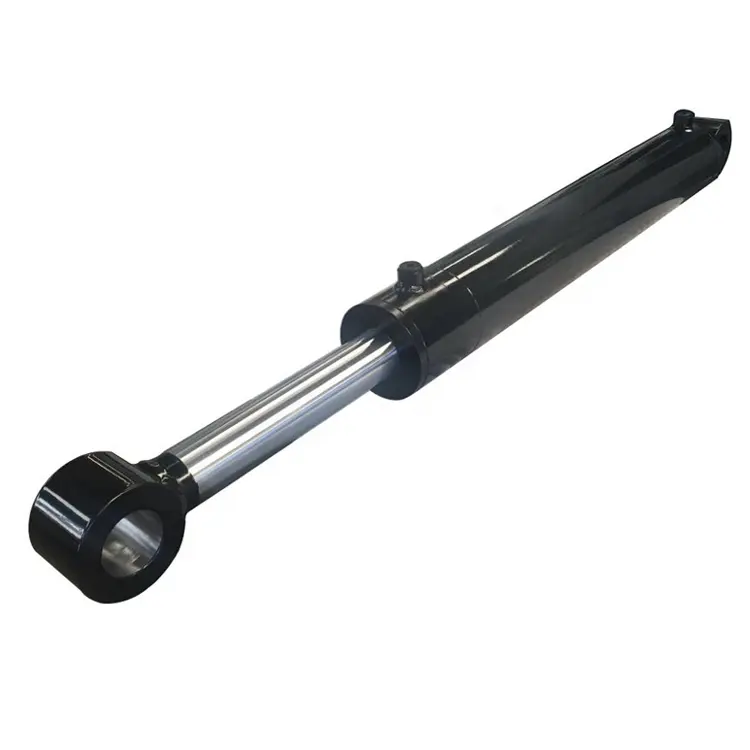
How does a lift cylinder handle variations in hydraulic seal technology?
A lift cylinder is designed to accommodate variations in hydraulic seal technology. Here’s an explanation of how lift cylinders handle these variations:
1. Seal Types:
Hydraulic seal technology offers various types of seals, including O-rings, lip seals, V-rings, and wipers. Lift cylinders are designed to incorporate different seal types based on the specific requirements of the application. The selection of seal types depends on factors such as pressure, temperature, fluid compatibility, and environmental conditions. Lift cylinders are manufactured with the necessary seal grooves and configurations to accommodate these variations in seal types.
2. Seal Materials:
Hydraulic seals are manufactured using different materials, such as rubber, polyurethane, PTFE (polytetrafluoroethylene), and various composite materials. Each material offers specific properties, including resistance to wear, temperature, chemicals, and extrusion. Lift cylinders are engineered to work with different seal materials, ensuring compatibility and optimal performance. The cylinder design takes into account the specific characteristics and requirements of the seal materials used.
3. Seal Profiles and Dimensions:
Hydraulic seals come in various profiles and dimensions to suit different applications and equipment. Lift cylinders are designed with corresponding seal grooves and dimensions to accommodate the specific seal profiles. The seal profiles may include standard shapes such as U-cups, piston seals, rod seals, and specialized profiles for specific sealing requirements. Lift cylinders are manufactured with precise tolerances to ensure proper installation and sealing effectiveness.
4. Sealing Performance and Efficiency:
Lift cylinders are engineered to provide optimal sealing performance and efficiency. They are designed to minimize leakage and maintain the required hydraulic pressure during operation. The cylinder components, including the piston, rod, and cylinder housing, are precisely machined to ensure a tight fit and prevent bypass of hydraulic fluid. Lift cylinders undergo rigorous testing and quality control measures to verify their sealing performance and efficiency under various operating conditions.
5. Seal Maintenance and Replacement:
Lift cylinders are designed to facilitate seal maintenance and replacement. Over time, hydraulic seals may wear out or degrade due to factors such as usage, environmental conditions, or fluid contamination. Lift cylinders are constructed to allow for easy access to the seals, making maintenance and replacement procedures efficient. This design consideration reduces downtime and ensures the longevity of the lift cylinder’s sealing system.
In summary, lift cylinders are engineered to handle variations in hydraulic seal technology by accommodating different seal types, materials, profiles, and dimensions. Their design ensures optimal sealing performance, efficiency, and ease of maintenance. By incorporating the appropriate seal technology, lift cylinders maintain the integrity of the hydraulic system, prevent leaks, and ensure reliable and efficient operation.
Can lift cylinders be used for both lifting and lowering applications?
Yes, lift cylinders are designed to be versatile and can be used for both lifting and lowering applications. Here’s an explanation of how lift cylinders are utilized for both lifting and lowering:
Lift cylinders are a type of hydraulic cylinder that converts fluid pressure into linear motion. They consist of a cylinder barrel, a piston, a rod, and seals. When hydraulic fluid is pressurized and directed into the cylinder, it exerts force on the piston, causing it to move in a linear direction.
Lifting Applications:
In lifting applications, the lift cylinder extends to raise or lift a load. As hydraulic fluid is pumped into the cylinder, the pressure increases, pushing the piston and rod outward. This extension of the cylinder generates the necessary force to lift the load. The lifting capacity of the cylinder depends on its design, including the diameter of the piston and the pressure rating of the system.
Lowering Applications:
For lowering applications, the lift cylinder retracts to lower the load. By controlling the flow of hydraulic fluid out of the cylinder, the pressure is reduced, allowing the weight of the load to push the piston and rod back into the cylinder. This controlled retraction enables smooth and controlled lowering of the load.
Lift cylinders are commonly used in various industries and applications where controlled vertical motion is required. Examples include lifting platforms, scissor lifts, dump trucks, hydraulic elevators, and material handling equipment. The ability to perform both lifting and lowering actions makes lift cylinders highly versatile and adaptable to different operational needs.
In summary, lift cylinders can be utilized for both lifting and lowering applications. By controlling the flow of hydraulic fluid, these cylinders can extend to lift a load and retract to lower it, offering flexibility and efficiency in a wide range of industries and equipment.


editor by CX 2023-10-18