Product Description
Solutions Provider of Hydraulic Cylinder
Product Description
As the professional manufacturer of hydraulic cylinder in China, we can offer you custom products to fulfill every requirement for the hydraulic cylinder market.
-Customized Sizes
-Customized Colors
-Customized Designs
-Customized Packages
-More Requirements Available
The objectives of our business are to provide high quality products and services at a cost effective price.
|
Seal |
Parker, Merkel, NOK, Hallite,etc. |
Helps Links
To get a free sample, please click here |
|
Paint |
Red, Grey, Yellow, Black, etc. |
|
|
Material |
ST52, CK45, 4140, Duplex2205, |
|
|
Certificate |
ABS, Lloyds, SGS, etc. |
|
|
Core components |
Bearing, Pressure vessel, Pump |
|
|
Non-standard |
Yes |
|
|
Structure |
Piston Type, Plunger Type, Telescopic Type |
|
|
Power |
Hydraulic & Pneumatic |
|
|
Brand |
Guoyue |
|
|
Sample |
Available |
Contact the experts at Guoyue today for all your cylinder requirements.
Our Advantages
We have many advantages that will help a lot to your business, including but not limited to:
1. Equipped with State-of-the-art Production Lines
Guoyue has introduced and absorbed advanced hydraulic design and production technologies from European (such as German) and American countries, ensuring that its design and manufacturing capabilities are consistently aligned with international advanced hydraulic cylinder technology.
2. Strict QC Process Before Shipping
The company emphasizes strict quality control, with each production process following standardized operating procedures, and comprehensive management systems in place to ensure that every product is processed to perfection.
3. Success in Many Projects
We have served clients with a diverse range of cylinder requirements, including construction projects, waste management, food industry, mining, infrastructure repairs, metal production, marine, agriculture, oil & gas and more applications.
4. Professional Support in Design, Samples and Bulk Order
As we have our own factories, the more benefits you can get from us:
—–We can get the production done based on the designs, reference pictures, even your drafts.
—–There is no limit of minimum order quantity, and we never refuse the small order, even 1 unit.
—–We can offer you the free samples to check if you buy it in large quantites.
Successful Projects
As the leader in custom hydraulic cylinder design and manufacturing, we have been successful in lot of projects, including
- Aerospace industry: Particularly for such devices as landing gears and CHINAMFG flaps
- Aerial Work Platforms (AWP)
- Agricultural: Small spraying equipment as well as harvesters, loaders and tractors
- Automotive
- Civil Engineering: Bulldozers, excavators, trenchers as well as attachments
- Construction: Concrete pumps and paving applications
- Energy: Flow controls for water gates
- Food, production and manufacturing
- Forestry and logging
- Motorway repairs and maintenance
- Mining
- Materials handling: Single acting hydraulic cylinders for sale are commonly employed in such equipment
- Mechanical engineering: Operation for feeding devices as well as automated production lines, plastic forming machines and transportation devices
- Oil and gas industries
- Recycling plants: Compressing scrap metal and other materials
- Shipbuilding: Steering devices
Company Profile
Guoyue Hydraulic Equipment Manufacturing (ZheJiang ) Co., Ltd., is a high-technology enterprise that integrates research, design, development, production, operation, and service, specializing in the production of hydraulic cylinders, including single acting cylinders, double acting Cylinders, nested cylinders, rotating cylinder, low height cylinders, high tonnage cylinders, tie-rod cylinders and more.
With a registered capital of 50 million Chinese Yuan, the company covers an area of 10, 000 sqft, with more than 100 employees. Also, certified with ISO 9001/ISO 14001/ISO 45001 and many own patents, our products have been approved by clients all over the world, including USA, Europe, Middle East, Middle Asia, Southeast Asia and more countries & areas.
As the leader in custom hydraulic cylinder design and manufacturing, Guoyue serves Original Equipment Manufacturers (OEMs) with custom and innovative hydraulic cylinder solutions. The team at Guoyue liaises closely with each customer to engineer and produce cylinders for machinery, equipment or projects that incorporate cylinders into their hydraulic systems.
We work directly with engineers, business owners, procurement teams, project managers, and technical specialists who often require a custom approach to their cylinder specifications – in terms of fit, function, and overall performance.
Also, Guoyue has introduced and absorbed advanced hydraulic product design and production technologies from Germany and other European and American countries, ensuring that its design and manufacturing capabilities are consistently aligned with international advanced hydraulic cylinder technology.
We have served clients with a diverse range of cylinder requirements. We have extensive experience working within many industries and the unique needs of each – including construction projects, waste management, food Industry, mining, infrastructure repairs, metal production, marine, agriculture, oil & gas and more applications.
Guoyue employees are at the heart of our operations. It is through the dedication of our team at Guoyue that we can consistently deliver the exact services and products required by every client.
Contact the experts at Guoyue today for all your cylinder requirements.
/* January 22, 2571 19:08:37 */!function(){function s(e,r){var a,o={};try{e&&e.split(“,”).forEach(function(e,t){e&&(a=e.match(/(.*?):(.*)$/))&&1
| Certification: | GS, RoHS, CE, ISO9001 |
|---|---|
| Pressure: | Low/Medium/High Pressure |
| Work Temperature: | Low/Medium/High Temperature |
| Acting Way: | Single/Double Acting |
| Working Method: | Rotary/Straight Trip |
| Adjusted Form: | Switch/Regulated Type |
| Customization: |
Available
|
|
|---|
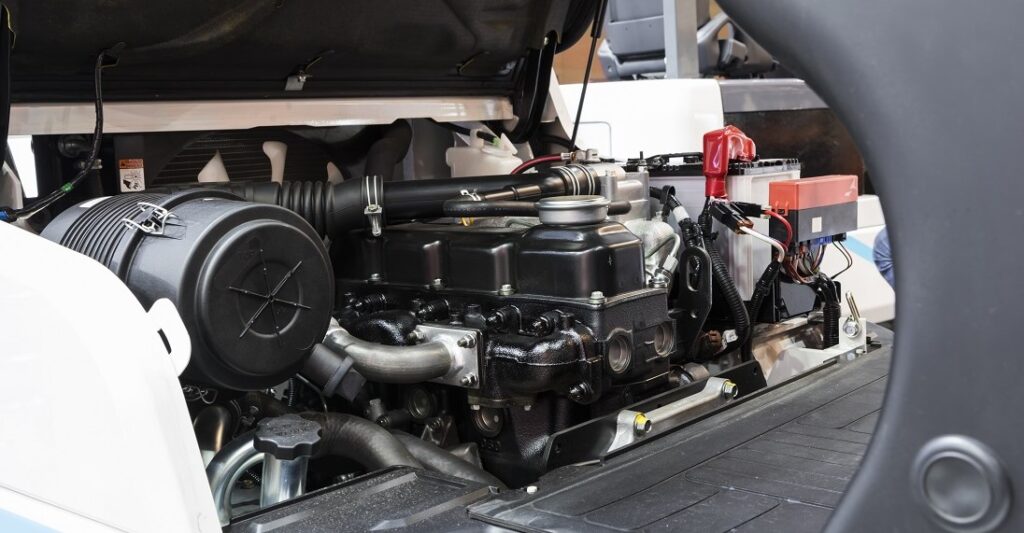
How Does a Forklift Hydraulic Cylinder Handle Variations in Temperature?
A forklift hydraulic cylinder is designed to handle variations in temperature effectively to ensure reliable and consistent performance. The hydraulic system, including the cylinder, is engineered to withstand both high and low temperatures commonly encountered in different operating environments. Here’s a detailed explanation of how a forklift hydraulic cylinder handles variations in temperature:
- Temperature-Resistant Seals:
- Hydraulic Fluid Selection:
- Thermal Expansion Compensation:
- Heat Dissipation and Cooling:
- Cold Start Considerations:
- Insulation and Protective Measures:
Hydraulic cylinders in forklifts are equipped with seals that are specifically designed to withstand temperature fluctuations. These seals are made from high-quality materials such as synthetic rubber or thermoplastic elastomers that have excellent resistance to heat and cold. The temperature-resistant seals ensure proper sealing and prevent leakage of hydraulic fluid, even when exposed to extreme temperature conditions.
The choice of hydraulic fluid plays a crucial role in temperature management within the hydraulic system, including the cylinder. Different types of hydraulic fluids are available, each with specific temperature ranges for optimal performance. Forklift manufacturers typically recommend hydraulic fluids that are suitable for the expected operating temperatures. These fluids have properties that enable them to maintain consistent viscosity and lubrication characteristics, ensuring smooth cylinder operation across a wide temperature range.
Variations in temperature cause materials to expand or contract. Hydraulic cylinders are designed to accommodate the thermal expansion of components effectively. The materials used in the cylinder construction, such as steel or aluminum alloys, have specific coefficients of thermal expansion. By considering these properties during the design and manufacturing process, forklift hydraulic cylinders are built to compensate for thermal expansion, minimizing the risk of structural damage or performance issues due to temperature changes.
In high-temperature environments, forklift hydraulic cylinders may be exposed to heat generated by the hydraulic system or external sources. To prevent overheating, cylinders are often equipped with cooling mechanisms. These mechanisms can include cooling fins or external cooling systems that help dissipate heat and maintain the cylinder within the desired temperature range. Effective heat dissipation ensures that the hydraulic fluid retains its optimal properties and that the cylinder operates efficiently and reliably.
In low-temperature conditions, such as during cold starts, hydraulic cylinders may experience increased viscosity of the hydraulic fluid, which can affect their performance. To mitigate this issue, forklift hydraulic systems are designed with features such as preheating systems or low-temperature hydraulic fluids. These measures help to warm up the hydraulic fluid and ensure its proper flow and lubrication, allowing the hydraulic cylinder to operate smoothly even in cold environments.
In extreme temperature conditions, additional insulation or protective measures may be applied to the hydraulic cylinder and its components. Insulation materials can help maintain stable operating temperatures within the cylinder, preventing heat loss in cold environments or minimizing heat absorption in hot environments. Protective coatings or covers may also be used to shield the cylinder from external temperature fluctuations or exposure to harsh elements, ensuring its longevity and performance.
By incorporating temperature-resistant seals, selecting suitable hydraulic fluids, compensating for thermal expansion, implementing heat dissipation mechanisms, considering cold start conditions, and applying insulation or protective measures, forklift hydraulic cylinders are designed to handle variations in temperature effectively. These design considerations ensure the reliable and consistent operation of the hydraulic system, enabling forklifts to perform optimally in diverse temperature environments.
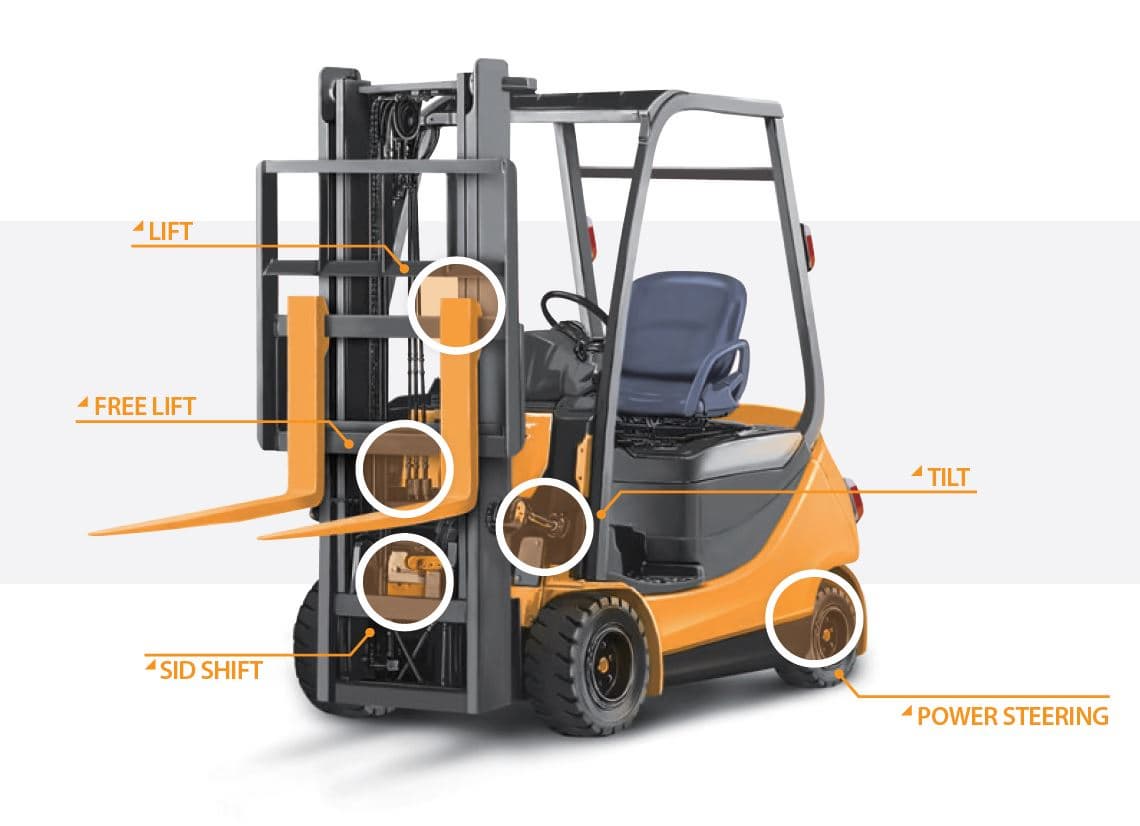
How does a forklift hydraulic cylinder handle variations in hydraulic hoses?
A forklift hydraulic cylinder is designed to handle variations in hydraulic hoses, ensuring efficient and reliable operation. Here’s an explanation of how the hydraulic cylinder handles such variations:
The forklift hydraulic cylinder handles variations in hydraulic hoses in the following ways:
1. Flexibility:
The hydraulic cylinder is designed to be flexible in accommodating different lengths and sizes of hydraulic hoses. It can adapt to variations in hose lengths without compromising its functionality. This flexibility allows the hydraulic cylinder to connect seamlessly to the hydraulic system, regardless of the specific hose configuration.
2. Swivel Joints:
In some forklift hydraulic systems, swivel joints are used to connect the hydraulic hoses to the cylinder. Swivel joints allow for rotational movement, ensuring that the hoses can be properly aligned and connected to the cylinder. This feature compensates for any misalignment or variations in the hose routing, allowing for smooth operation of the hydraulic cylinder.
3. Hose Couplings and Fittings:
The hydraulic cylinder is equipped with hose couplings and fittings that provide secure and leak-free connections to the hydraulic hoses. These couplings and fittings are designed to accommodate variations in hose sizes, ensuring a tight and reliable connection. The hydraulic cylinder can handle different types of fittings, such as threaded, quick-connect, or flanged, depending on the specific hydraulic hose configuration.
4. Pressure and Flow Regulation:
The hydraulic cylinder is designed to handle variations in hydraulic pressure and flow. It can operate effectively within a specified pressure range, allowing for adjustments to accommodate different hydraulic systems or applications. The hydraulic cylinder’s internal design and components are engineered to withstand the pressure and flow variations commonly encountered in hydraulic systems.
5. Safety Measures:
Forklift hydraulic cylinders incorporate safety measures to handle variations in hydraulic hoses. These measures may include pressure relief valves, check valves, or flow control valves. These components help regulate and control the hydraulic pressure and flow, ensuring safe and efficient operation of the hydraulic cylinder, even in the presence of variations or fluctuations in the hydraulic hoses.
In summary, a forklift hydraulic cylinder is designed to handle variations in hydraulic hoses through flexibility, swivel joints, hose couplings and fittings, pressure and flow regulation, and safety measures. These features ensure that the hydraulic cylinder can connect to different hose configurations, adapt to variations in hose lengths, and operate reliably within a range of hydraulic pressure and flow conditions.
What are the Safety Considerations When Using Forklifts with Hydraulic Cylinders?
When using forklifts with hydraulic cylinders, it is essential to prioritize safety to prevent accidents, injuries, and property damage. Hydraulic systems and cylinders are integral components of forklifts, and understanding and implementing safety considerations is crucial. Here are important safety considerations to keep in mind:
- Operator Training and Certification:
- Regular Inspections and Maintenance:
- Load Capacity and Stability:
- Proper Load Positioning and Handling:
- Avoiding Overextension and Collisions:
- Proper Use of Controls:
- Clear Communication and Awareness:
- Emergency Procedures:
Operators must receive thorough training and certification specific to forklift operations. Proper training should cover the safe operation of hydraulic systems and cylinders, including understanding the controls, load capacity, stability, and safe maneuvering techniques. Well-trained operators are more likely to handle hydraulic cylinders safely and minimize the risk of accidents or misuse.
Forklifts and their hydraulic systems, including cylinders, should undergo regular inspections and maintenance to ensure they are in proper working condition. Inspections should identify any signs of wear, leaks, or damage, and maintenance tasks such as lubrication and component replacements should be performed as recommended by the manufacturer. Well-maintained hydraulic cylinders contribute to safe and reliable forklift operations.
Understanding and adhering to the forklift’s load capacity limitations is crucial for safe operation. Overloading a forklift can lead to instability and potential tip-overs. Operators should be aware of the load capacity rating and ensure that loads are properly balanced and secured. Maintaining the forklift’s stability, especially when using the hydraulic cylinder to lift or lower loads, is essential to prevent accidents caused by tipping or loss of control.
Safe load positioning and handling contribute to overall forklift safety. Operators should ensure that loads are positioned correctly on the forks, centered and secure, to prevent them from shifting or falling during transport. When using the hydraulic cylinder to raise or lower loads, operators should do so gradually and avoid sudden movements that may destabilize the forklift or cause the load to swing uncontrollably.
Overextending the hydraulic cylinder beyond its recommended limits can lead to failure or instability. Operators should be aware of the maximum extension and retraction limits of the cylinder and avoid exceeding them. Additionally, operators must exercise caution to prevent collisions with objects or structures, as impacts can damage the hydraulic cylinder, compromise its integrity, and pose safety risks.
Operators should be familiar with the forklift’s hydraulic control system and use the controls properly. This includes understanding the functions of each control, such as raising, lowering, tilting, or extending the forks, and using them with precision and care. Mishandling the hydraulic controls can result in sudden movements or unintended actions, potentially causing accidents or injuries.
Clear communication and situational awareness are essential for safe forklift operations. Operators should maintain clear visibility, use mirrors or cameras if available, and be aware of their surroundings to avoid collisions with pedestrians, other vehicles, or obstacles. Effective communication with co-workers and signaling to indicate forklift movements can help prevent accidents and ensure a safe working environment.
Operators should be familiar with emergency procedures and know how to respond in case of malfunctions, leaks, or other emergencies involving the hydraulic cylinder. Proper training should cover emergency shutdown procedures, reporting protocols, and evacuation plans to ensure a timely and coordinated response that minimizes risks to personnel and property.
By prioritizing operator training, regular inspections, adherence to load capacity limits, proper load handling, cautious control usage, and clear communication, forklifts with hydraulic cylinders can be operated safely and efficiently. Implementing these safety considerations helps reduce the risk of accidents, protect personnel, and maintain a secure work environment.


editor by Dream 2024-05-14