Product Description
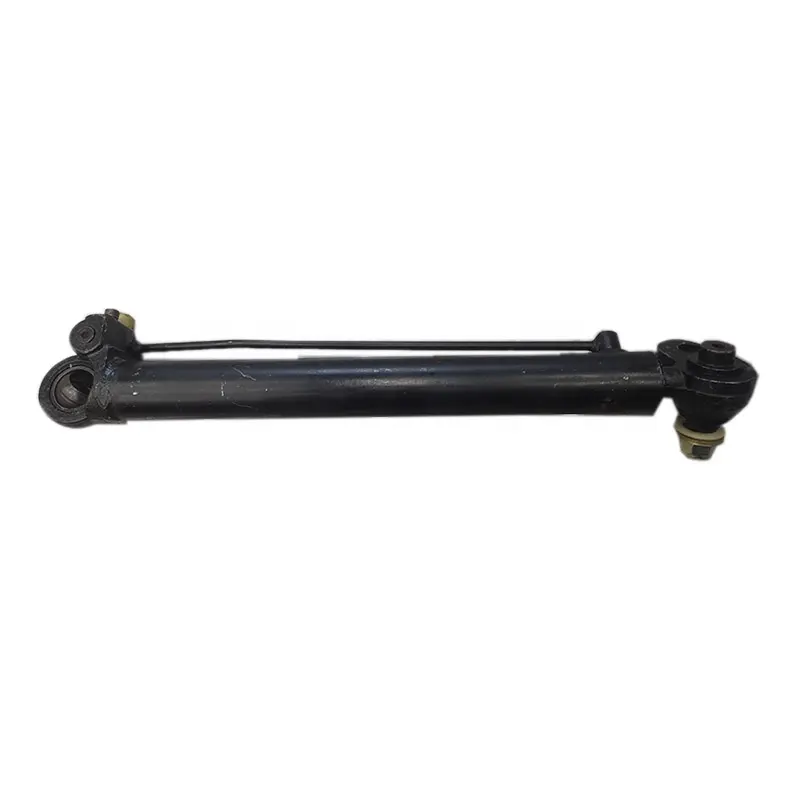
hydraulic cylinder tipping gear system for dump truck manufacturer
The hydraulc self-charging system for dump truck includes telescopic hydraulic cylinder,supporting bracket, hydraulic hose, gear pump, limit valve and other fittings. It has simple structure, high strength and safe operation with competitive price and excellent quality.
1. dump truck telescopic hydraulic cylinder drawing and parameter
|
Features |
customer hydraulic cylinder |
|
Bore Diameter |
2′-60’/50-1500mm |
|
Rod Diameter |
1′ – 60’/25 -1500 mm |
|
Wall Thickness |
0.1′-4’/3-100 mm |
|
Max Stroke |
366’/9280 mm |
|
Max Pressure |
9600 psi/600 bar |
|
Test Pressure |
14500 psi/1000 bar |
|
Material |
20#,40#,45#,16Mn,27SiMn,etc |
|
Seal Kits |
Hallite,Parker,NOK,DICHTOMATIK,Trelleborg,Merkel,etc |
|
Diamensional Accuracy |
H7-H11 |
|
Bore Roughness |
Ra 0.4-1.6mm |
|
Coating |
hard chrome |
|
Purpose |
Construction,metallurgical,mining,agricultural,forestry machinery,etc |
|
OEM |
Yes |
|
MOQ |
1 Piece |
|
Certificates |
ISO9001,ISO/TS16949,ABS,AQA,API,CCS,CCRI,DNV |
Product details:
Production process:
hydraulic cylinder for dump truck , trail truck,garbage truck,crane
1.Sinciput telescopic hydraulic cylinder is used in lager-tonnage sinciput hydraulic system. Together with hydraulic pump, change valve, and limit valve, it can realize the function of lifting pausing and falling. And the product can be designed and made according to the demands of customers.
2.underbody telescopic hydraulic cylinder is used in large-tonnage side-dumping hydraulic system. Together with hydraulic pump, change valve, and limit valve, it can realize the function of lifting pausing and falling. And the product can be designed and made according to the demands of customers.
hydraulic cylinder for coal mine dump truck
3.Hydraulic cylinder is the most important component in hydraulic systems, it will transfer hydraulic energy into mechanical energy, and is matched with various transmission mechanism, to complete a variety of mechanical motion.
4.Hydraulic cylinder has the advantages of simple structure, large output force, stable and reliable performance, easy maintenance, wide application.
5. customer hydraulic cylinder can be used for dump truck, marine, drilling machine, industry, elevator , workover rig , mining, agriculture, industry, construction ,etc.
/* January 22, 2571 19:08:37 */!function(){function s(e,r){var a,o={};try{e&&e.split(“,”).forEach(function(e,t){e&&(a=e.match(/(.*?):(.*)$/))&&1
| Certification: | GS, RoHS, CE, ISO9001 |
|---|---|
| Pressure: | High Pressure |
| Work Temperature: | High Temperature |
| Acting Way: | Double Acting |
| Working Method: | Straight Trip |
| Structure: | Piston Type |
| Samples: |
US$ 200/Piece
1 Piece(Min.Order) | |
|---|
| Customization: |
Available
|
|
|---|
Can lift cylinders be used in both mobile and stationary applications?
Yes, lift cylinders can be used in both mobile and stationary applications. Here’s an explanation of how lift cylinders are suitable for both types of applications:
Mobile Applications:
In mobile applications, lift cylinders are commonly used in various types of equipment that require lifting capabilities. Some examples include:
- Forklifts: Lift cylinders are essential components in forklifts, enabling them to lift and lower loads efficiently. They provide the lifting force needed to raise the forks and transport materials.
- Cranes: Lift cylinders are utilized in cranes to lift and position heavy objects. They play a vital role in the vertical movement of the crane’s boom and ensure controlled lifting operations.
- Scissor Lifts: Lift cylinders are integral to scissor lifts, enabling the platform to be raised or lowered. They provide the necessary force to extend and retract the scissor arms, allowing for elevation changes.
- Aerial Work Platforms: Lift cylinders are employed in aerial work platforms, such as cherry pickers or boom lifts. They facilitate the vertical movement of the platform, enabling operators to access elevated areas safely.
Stationary Applications:
In stationary applications, lift cylinders are commonly used in various industrial and commercial settings. Some examples include:
- Material Handling: Lift cylinders are utilized in stationary material handling equipment, such as conveyor systems or lift tables. They enable the vertical movement of materials, facilitating efficient loading, unloading, or positioning.
- Automotive Lifts: Lift cylinders are employed in automotive lifts used in garages or car service centers. They provide the lifting force needed to raise vehicles for maintenance, repairs, or inspections.
- Industrial Machinery: Lift cylinders are integrated into various industrial machinery, such as hydraulic presses or assembly line equipment. They assist in lifting heavy components or adjusting the position of workpieces during manufacturing processes.
- Warehouse Systems: Lift cylinders are used in stationary warehouse systems, including vertical storage systems or automated retrieval systems. They contribute to efficient vertical movement of goods, optimizing storage and retrieval processes.
Whether in mobile or stationary applications, lift cylinders offer the necessary force and control to perform lifting tasks. Their versatility and adaptability make them suitable for a wide range of industries and applications.
“`
Can lift cylinders be used in automotive lifting equipment?
Yes, lift cylinders can be used in automotive lifting equipment. Here’s an explanation of how lift cylinders are utilized in automotive lifting systems:
Lift cylinders play a crucial role in various types of automotive lifting equipment, providing the necessary force to raise vehicles for maintenance, repairs, or inspections. Here are some common examples:
- Automotive Lifts: Lift cylinders are integral components of automotive lifts, such as two-post lifts, four-post lifts, or scissor lifts. These lifts are used in garages, auto repair shops, or car service centers to elevate vehicles to a convenient working height. Lift cylinders are responsible for the vertical lifting motion of the lift platform or arms, allowing easy access to the undercarriage or other areas of the vehicle.
- Parking Lifts: Lift cylinders are also employed in parking lifts, also known as car stackers or vehicle storage lifts. These lifts are used to maximize parking space in residential or commercial settings. Lift cylinders enable the vertical movement of the lift platforms, allowing vehicles to be stacked vertically for efficient use of space.
- Wheel Alignment Lifts: Lift cylinders are utilized in wheel alignment lifts, which are specifically designed for performing wheel alignment or suspension work. Lift cylinders raise the vehicle to a suitable height, enabling technicians to access the wheels and suspension components for adjustments or repairs.
Lift cylinders in automotive lifting equipment are typically hydraulic cylinders. They utilize hydraulic fluid and pressure to generate the necessary force for lifting heavy vehicles. The hydraulic system includes a pump, control valves, and hydraulic lines that deliver the pressurized fluid to the lift cylinders.
When activated, the hydraulic pump pressurizes the fluid, which is then directed to the lift cylinders through control valves. The pressurized fluid causes the pistons within the lift cylinders to extend, thereby lifting the platform or arms of the lifting equipment. By adjusting the flow and pressure of the hydraulic fluid, operators can control the lifting process and achieve the desired working height.
In addition to lifting capabilities, automotive lift cylinders are designed with safety features to ensure secure and reliable operation. These features may include safety locks, mechanical or hydraulic safety systems, and overload protection mechanisms. These safety measures help prevent accidents or equipment failure during the lifting process.
In summary, lift cylinders are commonly used in automotive lifting equipment, providing the lifting force necessary for vehicle maintenance, repairs, and storage. Their hydraulic operation and incorporation of safety features make them essential components in automotive service facilities, contributing to efficient and reliable vehicle lifting operations.
Can lift cylinders be used in hydraulic presses for material forming?
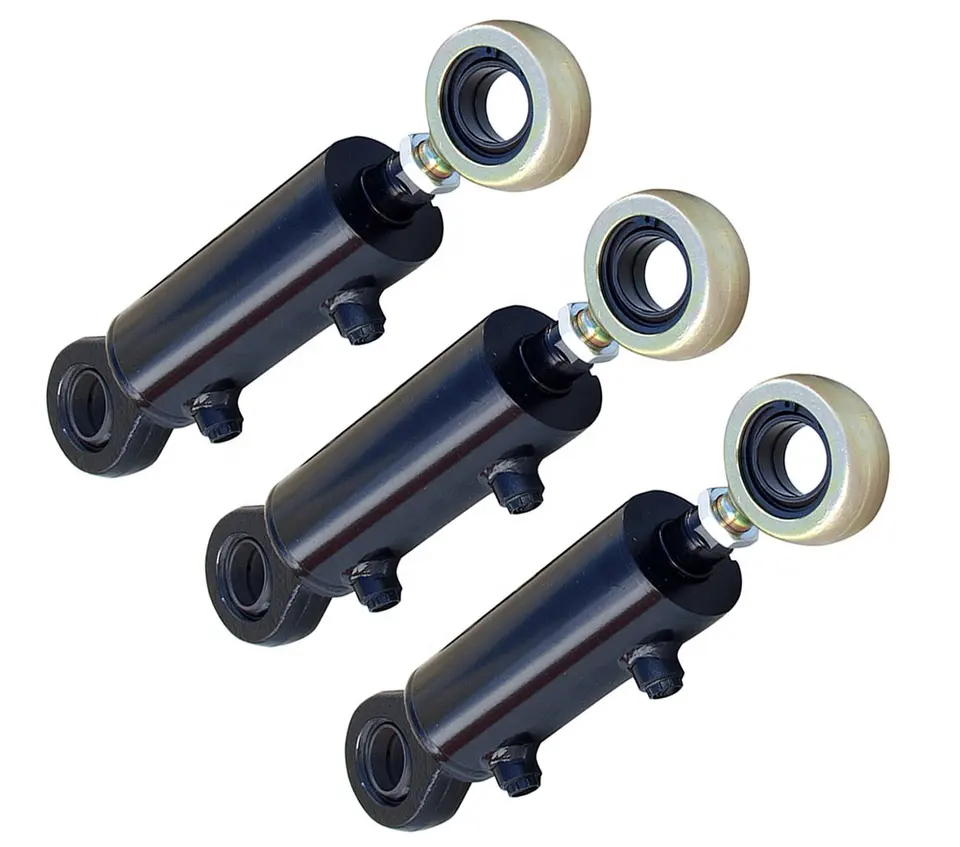
Yes, lift cylinders can be used in hydraulic presses for material forming. Hydraulic presses are widely employed in manufacturing processes that involve shaping, bending, or compressing materials such as metal, plastic, or rubber.
Lift cylinders, also known as hydraulic cylinders, play a crucial role in hydraulic presses by providing the force required for material forming. Here’s how lift cylinders are utilized in this context:
- Force Generation: Lift cylinders are responsible for generating the force necessary to exert pressure on the material being formed. They convert hydraulic energy into mechanical force, enabling the press to shape or mold the material according to the desired specifications.
- Stroke Length: Lift cylinders have an adjustable stroke length, allowing them to accommodate different material forming requirements. By modifying the stroke length, the press can apply varying degrees of force and control to achieve the desired shape and dimensions of the formed material.
- Control and Precision: Lift cylinders offer precise control over the force and movement in hydraulic presses. The hydraulic system controlling the cylinders allows for accurate adjustment and regulation of the pressure, speed, and timing of the forming process. This control ensures consistent and precise material forming results.
- Die Mounting: Lift cylinders are employed in the mounting of dies or tooling within the hydraulic press. The cylinders provide the necessary lifting and lowering action to secure the dies in place and facilitate their proper alignment with the material being formed. This ensures accurate and repeatable forming operations.
- Safety Features: Hydraulic presses incorporating lift cylinders often include safety features such as pressure relief valves, emergency stop controls, and overload protection. These features help safeguard operators and prevent damage to the press or the formed material.
The use of lift cylinders in hydraulic presses for material forming offers several advantages. They provide the high force capability required for effective shaping and forming of various materials. The adjustable stroke length and precise control allow for versatility and customization, accommodating different forming needs. The integration of safety features ensures safe operation and protects both the equipment and personnel.
In conclusion, lift cylinders are suitable for use in hydraulic presses for material forming. Their ability to generate force, adjust stroke length, and provide precise control makes them essential components in achieving accurate, efficient, and reliable material forming processes.
What is the importance of regular maintenance for lift cylinders?
Regular maintenance for lift cylinders is of utmost importance to ensure their optimal performance, longevity, and safe operation. Here’s an explanation of the importance of regular maintenance for lift cylinders:
1. Safety:
Regular maintenance helps identify and address potential safety issues with lift cylinders. Over time, wear and tear, leaks, or component failures can compromise the integrity and stability of the cylinder. Through regular inspections and maintenance, any safety concerns can be detected early and resolved, reducing the risk of accidents or equipment failures.
2. Performance:
Maintaining lift cylinders at regular intervals helps ensure their consistent performance. By inspecting and servicing the cylinder components, such as seals, rods, and pistons, any issues affecting the cylinder’s efficiency and functionality can be addressed. Properly maintained cylinders are more reliable, provide smoother operation, and deliver the required lifting power consistently.
3. Preventive Measures:
Regular maintenance allows for preventive measures to be taken to avoid major breakdowns or costly repairs. By following a maintenance schedule, potential problems can be identified early and resolved before they escalate. This includes tasks such as lubrication, seal replacement, cleaning, and adjusting hydraulic fluid levels, which can help extend the lifespan of the cylinder and minimize downtime.
4. Cost Savings:
Regular maintenance can lead to significant cost savings in the long run. By addressing minor issues promptly, it helps prevent major failures that require expensive repairs or cylinder replacements. Well-maintained cylinders also tend to have a longer service life, reducing the need for frequent replacements and associated costs.
5. Compliance with Manufacturer’s Recommendations:
Manufacturers often provide specific maintenance guidelines for lift cylinders. Adhering to these recommendations ensures that the cylinders are maintained according to the intended specifications. Regular maintenance helps uphold warranty requirements, maintain compliance with industry standards, and maximize the cylinder’s performance according to the manufacturer’s specifications.
6. System Efficiency:
Lift cylinders are often part of larger hydraulic systems. Regular maintenance of the cylinders helps maintain the overall efficiency of the system. Any issues or inefficiencies in the cylinders can affect the performance of the entire hydraulic system, leading to decreased productivity, increased energy consumption, and potential damage to other system components.
In summary, regular maintenance for lift cylinders is crucial for safety, performance, preventive measures, cost savings, compliance with manufacturer’s recommendations, and system efficiency. By investing in regular inspections, servicing, and adherence to maintenance schedules, lift cylinders can operate reliably, efficiently, and safely throughout their lifespan.


editor by CX 2024-03-06