Product Description
Product Title: Forklift tilting tilt cylinder forklift hydraulic cylinders for sale
Product Model: Forklift tilt cylinder (HL2-3T / H right DZ) and connector
| Item | Description |
| Product name | Forklift tilt cylinder (HL2-3T / H right DZ) Forklift tilt cylinder (HL2-3T) |
| P/N | H22N0-50011-TY |
| Applied Model | Heli H2000 # 2-3T (original) Heli H2 # 2-3.5T (right angle) |
| Net Weight (kg) | Tilt cylinder: 10.5 Connector: 0.05 |
| Gross Weight (kg) | 12 |
| Qty per Carton | 1 |
| Carton Size (cm) | 60*16*16 |
Forklift Tilt Cylinder
Forklift tilt cylinder is installed on the forklift mast. The tilting cylinder of the forklift is all double-acting piston type. Forklift hydraulic cylinders have an oil pipe joint at the front and rear ends. The front end of the tilting cylinder of the forklift is connected to the outer mast through a piston rod joint, and the rear end is connected to the support seat on the forklift frame.
The hydraulic cylinders of the forklift hydraulic system include forklift lifting hydraulic cylinders, forklift tilting hydraulic cylinders, forklift steering hydraulic cylinders, etc.
Specifications of Forklift Tilt Cylinder
| Name | Unit | Parameter |
| Cylinders diameter (piston diameter) | mm | 40~160 |
| Rod diameter (piston rod diameter) | mm | 20~120 |
| Stroke | mm | 50~2500 |
| Pressure | MPa | 16~25 |
| Operating temperature | ºC | -40~120 |
| Piston rod coating NSS neutral salt spray test time | H | ≥96 |
/* March 10, 2571 17:59:20 */!function(){function s(e,r){var a,o={};try{e&&e.split(“,”).forEach(function(e,t){e&&(a=e.match(/(.*?):(.*)$/))&&1
| Material: | Aluminum Alloy |
|---|---|
| Surface Treatment: | Baking Paint |
| Customized: | Non-Customized |
| Standard: | Standard |
| Condition: | New |
| Feature: | Cost-Effective OEM Forklift Parts |
| Samples: |
US$ 42.9/Piece
1 Piece(Min.Order) | |
|---|
| Customization: |
Available
|
|
|---|
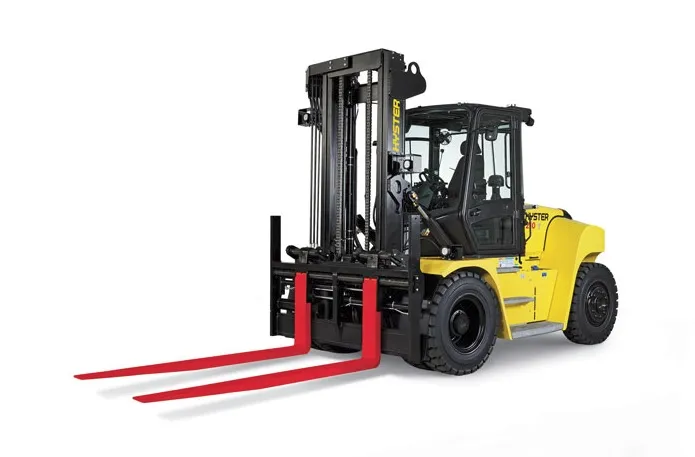
Can hydraulic cylinders be used in electric forklifts?
Yes, hydraulic cylinders can be used in electric forklifts. While electric forklifts rely on electric motors for propulsion, they still utilize hydraulic systems, including hydraulic cylinders, for various functions. Here’s an explanation of their role:
Electric forklifts commonly employ hydraulic cylinders in their lifting mechanism. The hydraulic cylinder generates the force required to lift and lower loads. The lifting mechanism typically consists of a hydraulic pump, control valves, hoses, and the hydraulic cylinder.
When the operator activates the lifting control, the electric motor powers the hydraulic pump, which pressurizes the hydraulic fluid. The pressurized fluid is then directed to the hydraulic cylinder, where it extends the piston rod, lifting the load. By controlling the flow of hydraulic fluid, the operator can precisely control the lifting speed and height.
In addition to the lifting mechanism, hydraulic cylinders may also be used in other parts of an electric forklift. For example, they can be employed in tilt mechanisms for tilting the mast or forks, in the steering system for maneuverability, or in the reach mechanism for extending and retracting the forks.
The use of hydraulic cylinders in electric forklifts allows for efficient and precise control over various lifting and operational functions. The hydraulic system provides the necessary force and flexibility required in lifting heavy loads and performing other essential tasks.
In summary, hydraulic cylinders can indeed be used in electric forklifts. They play a vital role in the lifting mechanism and other operational functions, enabling the electric forklift to perform lifting, tilting, steering, and reaching tasks with accuracy and efficiency.
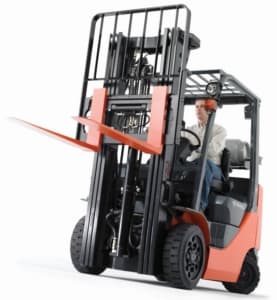
Can hydraulic cylinders be used in counterbalance forklifts?
Yes, hydraulic cylinders are commonly used in counterbalance forklifts. They play a crucial role in the operation and stability of these types of forklifts. Here’s an explanation of their use:
Counterbalance forklifts are a popular type of forklift widely used in various industries for lifting and transporting heavy loads. They are designed with a weight distribution system that includes hydraulic cylinders to provide balance and stability.
The hydraulic cylinders in counterbalance forklifts contribute in the following ways:
1. Weight Distribution:
Counterbalance forklifts feature hydraulic cylinders that are strategically positioned to help distribute the weight of the load and the forklift itself. These cylinders work in conjunction with the forklift’s frame and counterweight to create a stable equilibrium. By adjusting the extension or retraction of the hydraulic cylinders, the forklift can maintain a balanced weight distribution, ensuring safe and efficient lifting and maneuvering of loads.
2. Tilt Control:
Hydraulic cylinders are utilized in counterbalance forklifts to control the tilting of the mast and forks. These cylinders enable the operator to tilt the mast and adjust the angle of the forks as needed to safely pick up, transport, and deposit loads. By extending or retracting the hydraulic cylinders, the operator can achieve precise control over the tilt angle, enhancing stability during lifting and maneuvering operations.
3. Mast Height Adjustment:
Some counterbalance forklifts incorporate hydraulic cylinders to facilitate the adjustment of the mast height. These cylinders enable the operator to raise or lower the mast to match the height requirements of the storage racks or loading docks. The hydraulic system allows for smooth and controlled vertical movement, ensuring accurate positioning of the load at different heights.
4. Stability and Safety:
The hydraulic cylinders in counterbalance forklifts contribute to overall stability and safety. By maintaining proper weight distribution and providing controlled tilt and mast height adjustments, these cylinders help prevent tip-overs, load shifts, and other safety hazards. The hydraulic system’s responsiveness and precision control enhance the operator’s ability to handle loads safely.
In summary, hydraulic cylinders are integral components of counterbalance forklifts. They are used for weight distribution, tilt control, mast height adjustment, and overall stability and safety. By utilizing hydraulic power, these cylinders contribute to the efficient and safe lifting, moving, and positioning of heavy loads in counterbalance forklift operations.
What Industries Rely on Forklifts with Hydraulic Cylinders?
Various industries heavily rely on forklifts equipped with hydraulic cylinders for their material handling and logistics operations. Forklifts with hydraulic cylinders offer efficient lifting, lowering, and maneuvering capabilities, making them indispensable in numerous sectors. Here are some industries that heavily rely on forklifts with hydraulic cylinders:
- Warehousing and Distribution:
- Manufacturing:
- Construction:
- Retail:
- Transportation and Logistics:
- Agriculture:
- Wholesale and Distribution:
- Food and Beverage:
In the warehousing and distribution industry, forklifts are essential for lifting and moving goods within warehouses and distribution centers. Forklifts with hydraulic cylinders enable the efficient stacking and retrieval of palletized goods, speeding up the loading and unloading process. They play a significant role in inventory management, order fulfillment, and ensuring smooth logistics operations.
Forklifts with hydraulic cylinders are widely used in manufacturing facilities for various applications. They are used to transport raw materials, components, and finished products within production lines and warehouses. Hydraulic-powered forklifts enable manufacturers to efficiently move heavy loads, streamline production processes, and optimize material flow.
The construction industry heavily relies on forklifts with hydraulic cylinders for material handling tasks on construction sites. Forklifts are used to lift and transport building materials, such as lumber, steel, bricks, and concrete blocks. Hydraulic cylinders allow forklift operators to lift and position heavy construction materials with precision, enhancing productivity on construction projects.
In the retail sector, forklifts with hydraulic cylinders play a crucial role in managing inventory and stock replenishment. They are used in retail warehouses, distribution centers, and large retail stores to handle palletized goods, unload delivery trucks, and stock shelves. Forklifts equipped with hydraulic cylinders enable efficient movement of goods, helping retailers maintain optimal stock levels and meet customer demand.
The transportation and logistics industry heavily relies on forklifts with hydraulic cylinders at various stages of the supply chain. Forklifts are used in freight terminals, airports, seaports, and rail yards to load and unload cargo containers, pallets, and freight shipments. Hydraulic-powered forklifts ensure smooth and efficient material handling operations in transportation hubs, contributing to the timely movement of goods.
In the agriculture industry, forklifts with hydraulic cylinders are utilized for various tasks on farms, nurseries, and agricultural warehouses. They are used to handle and transport bulky items such as bales of hay, bags of feed, and agricultural equipment. Forklifts enable efficient loading and unloading of agricultural products, contributing to streamlined operations and improved productivity.
Wholesale and distribution companies heavily rely on forklifts with hydraulic cylinders for their material handling needs. These forklifts are used to handle a wide range of products, including palletized goods, crates, and containers, in wholesale warehouses and distribution centers. Forklifts equipped with hydraulic cylinders enable efficient sorting, stacking, and movement of goods, ensuring smooth distribution operations.
In the food and beverage industry, forklifts with hydraulic cylinders are extensively used for material handling tasks in production facilities, warehouses, and cold storage facilities. They are employed to transport ingredients, packaging materials, and finished products. Forklifts equipped with hydraulic cylinders enable careful handling of delicate food items and efficient movement of goods in temperature-controlled environments.
These are just a few examples of the industries that heavily rely on forklifts with hydraulic cylinders. The versatility and lifting capabilities of these forklifts make them indispensable in a wide range of sectors, supporting efficient and safe material handling operations.


editor by CX 2024-02-05