Product Description
Products Description
|
Product Name |
HSG Series Hydraulic Cylinder |
|||
|
Work Press |
7/14/16/21/31.5MPa 37.5/63MPa Can be Customized |
|||
|
Material |
Aluminum,Cast Iron,45mnb Steel,Stainless Steel |
|||
|
Bore Size |
40mm–320mm,Customizable |
|||
|
Shaft Diameter |
20mm–220mm,Customizable |
|||
|
Stroke Length |
30mm–14100mm,Customizable |
|||
|
Rod Surface Hardness |
HRC48-54 |
|||
|
Paint Color |
Black,Yellow,Blue,Brown,Customizable |
|||
|
Mounting |
Earring,Flange,Clevis.Foot,Trunnion,Customizable |
|||
|
Warrenty |
1 Year |
|||
|
MOQ |
1 Piece |
|||
|
Delivery Time |
7-15 Days,Also depands on specific demands |
|||
|
Certification |
ISO9001,CE |
|||
Company Profile
QIANGLIN HYDRAULIC MACHINERY CO., LTD
| QiangLin is a professional hydraulic equipment manufacturer, mainly engaged in hydraulic system design, manufacture, installation, transformation, sales, and technical services. Our manufacturing facilities are certified to the ISO 9001 standard. We are an approved supplier to many equipment manufacturers in China. We are also partners with many customers from America, Canada, Australia, Germany, England, and other European Countries. Product quality, shorter delivery time, and customer satisfaction are our long-term commitments to our CHINAMFG customers. Hope to be your partner. |
FAQ:
Q1: Are you a trading company or a manufacturer?
A: We have our own factory.
Q2: Are you able to make Non-standard or customized products?
A: Yes, we can.
Q3: How long is your delivery time?
A: Normally, the delivery time is 7 days if we have stock, 15-30 working days if we don’t. but it
also depends on the product
requirements and quantity.
Q4: Do you provide samples? are the samples free or not?
A: Yes, we can provide samples, but they are not free of charge.
Q5: What are your payment terms?
A: 30% deposit T/T or Irrevocable L/C at sight, If you have any questions, please feel free to
contact us.
Q6: What are your After-sales services?
A: Before shipment, Each individual product will be strictly inspected on our factory QC Process
System. In addition, We have a
Customer Service team to respond to customers’ questions within 12 hours. Being helpful in
solving customers’ problems is always our goal. /* January 22, 2571 19:08:37 */!function(){function s(e,r){var a,o={};try{e&&e.split(“,”).forEach(function(e,t){e&&(a=e.match(/(.*?):(.*)$/))&&1
| Certification: | CE, ISO9001 |
|---|---|
| Pressure: | High Pressure |
| Work Temperature: | Normal Temperature |
| Customization: |
Available
|
|
|---|
.shipping-cost-tm .tm-status-off{background: none;padding:0;color: #1470cc}
|
Shipping Cost:
Estimated freight per unit. |
about shipping cost and estimated delivery time. |
|---|
| Payment Method: |
|
|---|---|
|
Initial Payment Full Payment |
| Currency: | US$ |
|---|
| Return&refunds: | You can apply for a refund up to 30 days after receipt of the products. |
|---|
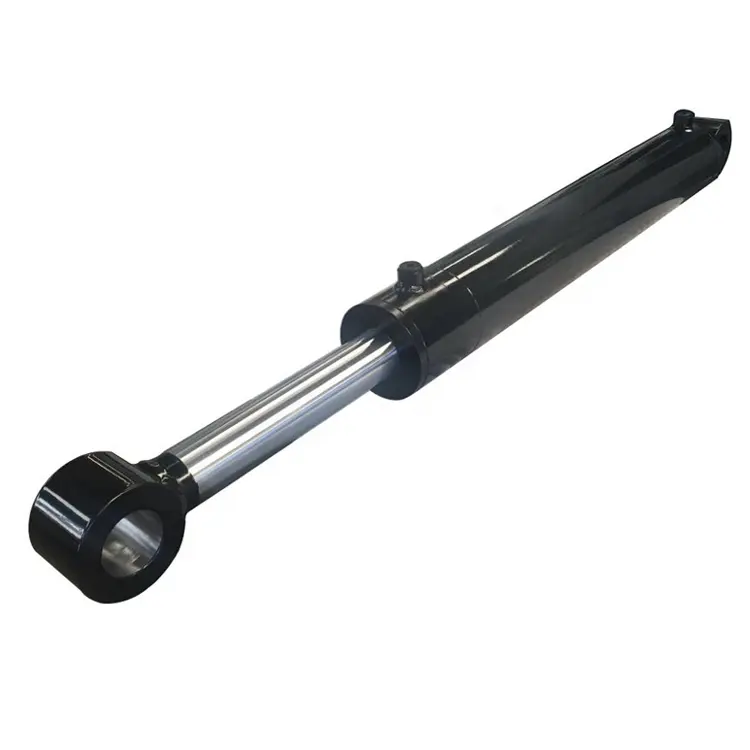
How does a lift cylinder contribute to energy-efficient lifting?
A lift cylinder plays a significant role in promoting energy-efficient lifting operations. Here’s an explanation of how lift cylinders contribute to energy efficiency:
1. Hydraulic System Efficiency:
Lift cylinders are commonly used in hydraulic systems, which are known for their high efficiency. Hydraulic systems utilize pressurized fluid to transmit power, allowing for smooth and controlled lifting operations. The hydraulic fluid is circulated within the system, and the lift cylinder converts the pressure of the fluid into mechanical force to lift the load. Compared to other mechanical lifting mechanisms, hydraulic systems, including lift cylinders, experience minimal energy loss due to their efficient power transmission.
2. Power-to-Weight Ratio:
Lift cylinders are designed to have a high power-to-weight ratio. This means that they can generate a substantial lifting force relative to their weight. By utilizing lightweight yet durable materials and optimizing the design, lift cylinders can effectively lift heavy loads while minimizing the amount of energy required. The efficient power-to-weight ratio contributes to energy efficiency by reducing the overall power consumption during lifting operations.
3. Load-Specific Design:
Lift cylinders are often engineered to match the specific load requirements of lifting applications. By customizing the design parameters, such as bore size, stroke length, and operating pressure, lift cylinders can be optimized for the intended load capacities and lifting tasks. This load-specific design ensures that the lift cylinder operates at its optimal efficiency, minimizing energy waste and maximizing the lifting performance.
4. Regenerative Systems:
In certain lifting applications, lift cylinders can be integrated into regenerative systems. Regenerative systems capture and store energy that would otherwise be dissipated as heat during the lowering phase of the lifting operation. This stored energy can then be reused to assist in the subsequent lifting process, reducing the overall energy consumption. Regenerative systems enhance energy efficiency by utilizing the otherwise wasted energy to partially power the lifting operation.
5. Control Systems:
Advanced control systems can be implemented in conjunction with lift cylinders to optimize energy efficiency. These control systems, such as proportional valves or variable-speed drives, allow for precise control of the lifting process. By adjusting the flow rate or speed of the hydraulic fluid, operators can match the power output of the lift cylinder to the specific load requirements, minimizing energy waste and improving overall efficiency.
6. Maintenance and Optimization:
Regular maintenance and optimization of lift cylinders are essential for maintaining energy efficiency. Proper lubrication, seal replacements, and overall system inspections help ensure that the lift cylinder operates at its peak performance. By identifying and addressing any issues or inefficiencies, maintenance practices contribute to energy-efficient lifting operations.
In summary, lift cylinders contribute to energy-efficient lifting through hydraulic system efficiency, a high power-to-weight ratio, load-specific design, regenerative systems, control systems, and proper maintenance. By utilizing these features and practices, lift cylinders help minimize energy consumption and enhance overall lifting efficiency.
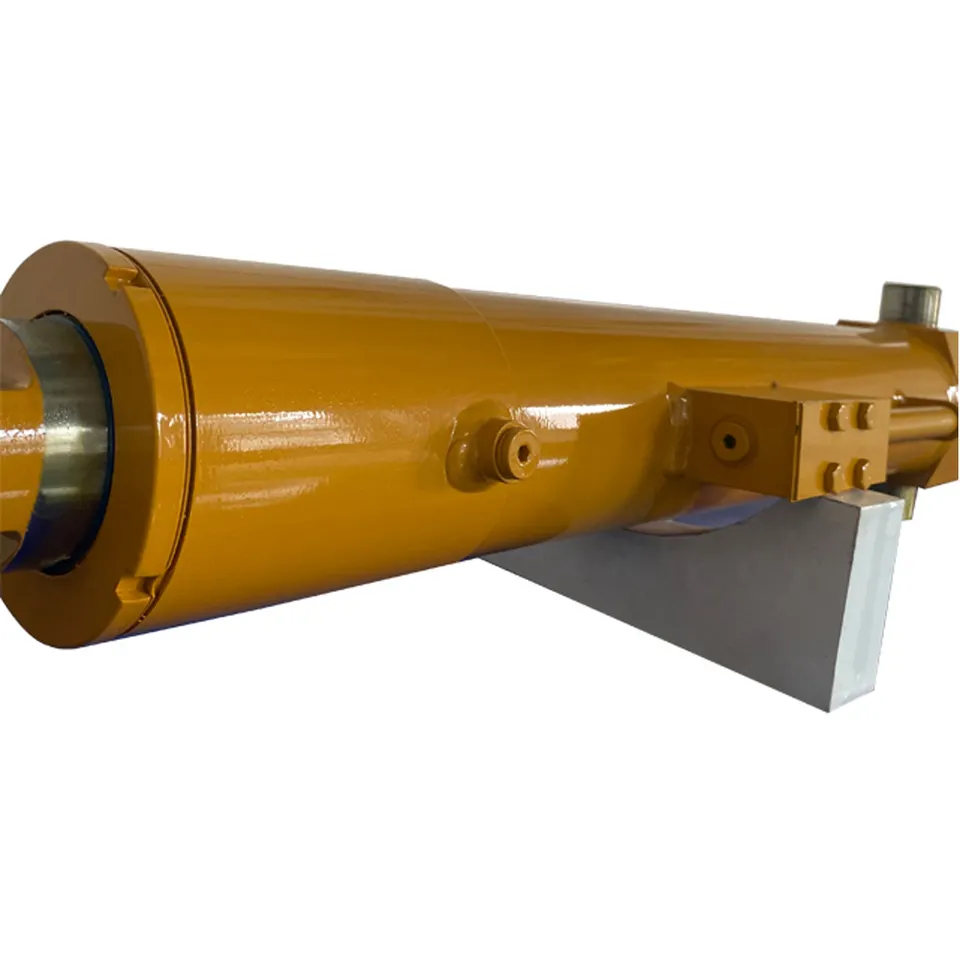
How does a lift cylinder handle variations in cylinder stroke length?
A lift cylinder is designed to handle variations in cylinder stroke length through its adjustable rod or piston. The stroke length refers to the distance the cylinder can extend or retract, and it can be adjusted to meet specific requirements in different applications.
In hydraulic lift cylinders, the stroke length can be modified by adjusting the position of the rod or piston within the cylinder. This adjustment is typically achieved by adding or removing spacers or by using adjustable stops. By changing the effective length of the cylinder, the stroke can be increased or decreased accordingly.
The adjustment of the stroke length allows the lift cylinder to accommodate different operational needs. For example, in material handling applications, where varying load sizes are encountered, the stroke length can be adjusted to ensure that the cylinder extends or retracts precisely to the required position. This flexibility enables the lift cylinder to handle a wide range of loads and adapt to different lifting or pushing scenarios.
In addition to adjusting the stroke length, lift cylinders often incorporate position feedback mechanisms. These mechanisms, such as linear transducers or position sensors, provide real-time feedback on the actual position of the cylinder. By monitoring the position, the control system can ensure accurate and precise control over the cylinder’s movement, regardless of the stroke length.
The ability to handle variations in cylinder stroke length is crucial in many industrial applications. It allows for adaptability, efficiency, and improved performance in tasks such as material handling, assembly, and automation. By adjusting the stroke length, lift cylinders can optimize their operation, ensuring that the required force and movement are achieved consistently.
In summary, lift cylinders handle variations in cylinder stroke length through adjustable rods or pistons. This adjustment capability, combined with position feedback mechanisms, enables precise control and adaptability in different applications. By accommodating different stroke lengths, lift cylinders can effectively meet the specific requirements of a wide range of industrial tasks.
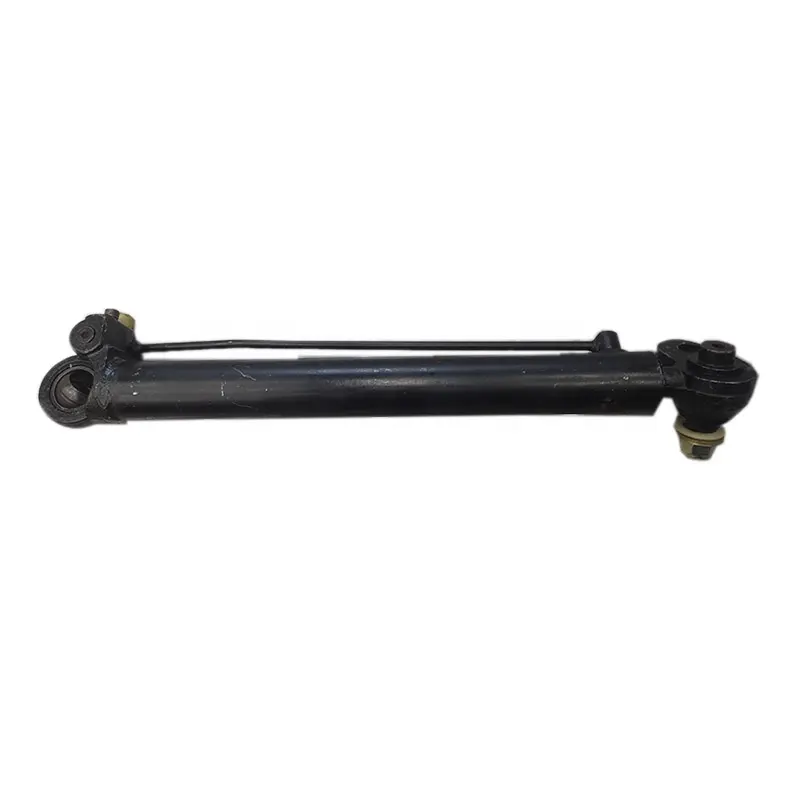
How does a lift cylinder handle variations in load weight and pressure?
A lift cylinder is designed to handle variations in load weight and pressure to ensure efficient and safe operation. Here’s an explanation of how a lift cylinder handles these variations:
1. Design Considerations:
Lift cylinders are designed with specific load capacities and pressure ratings in mind. The components, such as the cylinder barrel, piston, and seals, are selected and sized accordingly to handle the anticipated loads and pressures. The design factors in safety margins to accommodate variations in load weight and pressure within the specified operational limits.
2. Hydraulic System:
The hydraulic system that powers the lift cylinder plays a crucial role in handling variations in load weight and pressure. The system includes components such as pumps, valves, and control systems that regulate the flow and pressure of hydraulic fluid. By adjusting the system parameters, such as the pump output or valve settings, the hydraulic system can adapt to different load weights and pressure requirements.
3. Pressure Regulation:
Lift cylinders often incorporate pressure regulation mechanisms to handle variations in load weight and pressure. Pressure relief valves or pressure control valves are commonly used to maintain the desired pressure level within the cylinder. These valves ensure that the pressure does not exceed the specified limits, protecting the cylinder and other components from potential damage.
4. Balanced Design:
Lift cylinders are designed to achieve a balanced configuration that minimizes the impact of load weight variations. The placement of the piston and rod within the cylinder barrel is carefully engineered to distribute the load evenly and maintain stability. This balanced design helps to mitigate the effects of load weight changes on the cylinder’s performance and ensures smooth operation.
5. Control and Monitoring:
Advanced lift cylinder systems may incorporate control and monitoring features to handle variations in load weight and pressure more effectively. Sensors and feedback mechanisms can provide real-time data on load weight and cylinder performance, allowing the system to make adjustments as needed. This enhances the overall control and stability of the lift cylinder in response to changing conditions.
In summary, a lift cylinder handles variations in load weight and pressure through careful design considerations, hydraulic system adjustments, pressure regulation mechanisms, balanced configurations, and control and monitoring features. These aspects work together to ensure that the lift cylinder operates safely and efficiently, accommodating different load requirements while maintaining optimal performance.


editor by Dream 2024-05-09