Product Description
| Model | Cylinder Cap. ton(kN) |
Stroke (mm) |
Effective Area (cm2) |
Coll Height (mm) |
Weight (kg) |
| CLSG-502 | 50 (539) |
50 | 77.0 | 162 | 17 |
| CLSG-504 | 1 | 300 | 814 | 1439 |
HangZhou CHINAMFG Heavy Industry Co.Ltd was established in 2008.Our products mainly include all kinds of rollers , hydraulic press machine and hydraulic cylinders. HangZhou CHINAMFG Heavy Industry Co., Ltd is a professional manufacturer of medium and large forgings based.
We mainly focus on the manufacturing of big size special steel forging which are widely used in great equipment manufacturing industry of oil, electricity, chemical, shipping, metallurgy, machinery. We have heavy duty workshop with area 10000 square meters. There is double layer crane in the workshop.The lifting height could reach to 16 meter while lifting capacity could reach to 75 tons.
Our machining equipment including Horizontal Lathe (11 meter ), Vertical CNC Machining Center, Display boring and milling machine, Frame type CNC machining center,CNC Lathe, Deep hole boring machine (13 meter), honing machine,etc. Testing equipment including Intelligent Pressure Test Machine, UT Detector, MT Detector, Chrome Thickness Meter, etc.
CHINAMFG company would devote to supply first rate equipment and provide total solutions to our customer. In the past 10 years, we devoted ourselves to continuous market expanding and the research and development of new products. Till now, our products have been export to nearly 50 countries and own good reputation from our customers .
You are welcome to visit our company !
FAQ
1. who are we?
We are based in ZheJiang , China, start from 2008,sell to Domestic Market(36.00%),Eastern Europe(21.00%),Southeast Asia(16.00%),South America(12.00%),North America(9.00%),Northern Europe(4.00%),South Asia(2.00%). There are total about 51-100 people in our office.
2. how can we guarantee quality?
Always a pre-production sample before mass production; Always final Inspection before shipment;
3.what can you buy from us?
Roll and Rollers.
4. why should you buy from us not from other suppliers?
We have rich experience on casting, forging and heat treatment.
5. what services can we provide?
Accepted Delivery Terms: FOB,CFR,CIF,EXW,FAS,CIP,FCA,CPT,DEQ,DDP,DDU,Express Delivery,DAF,DES; Accepted Payment Currency:USD,EUR,CNY; Accepted Payment Type: T/T,L/C,D/P D/A,Western Union; Language Spoken:English,Chinese,Portuguese,Russian
/* January 22, 2571 19:08:37 */!function(){function s(e,r){var a,o={};try{e&&e.split(“,”).forEach(function(e,t){e&&(a=e.match(/(.*?):(.*)$/))&&1
| After-sales Service: | Online Service |
|---|---|
| Warranty: | 12 Month |
| Type: | Bottle Jack |
| Structure: | Hydraulic Jack |
| Capacity (Load): | 41-50T |
| Power Source: | Hydraulic |
| Customization: |
Available
|
|
|---|
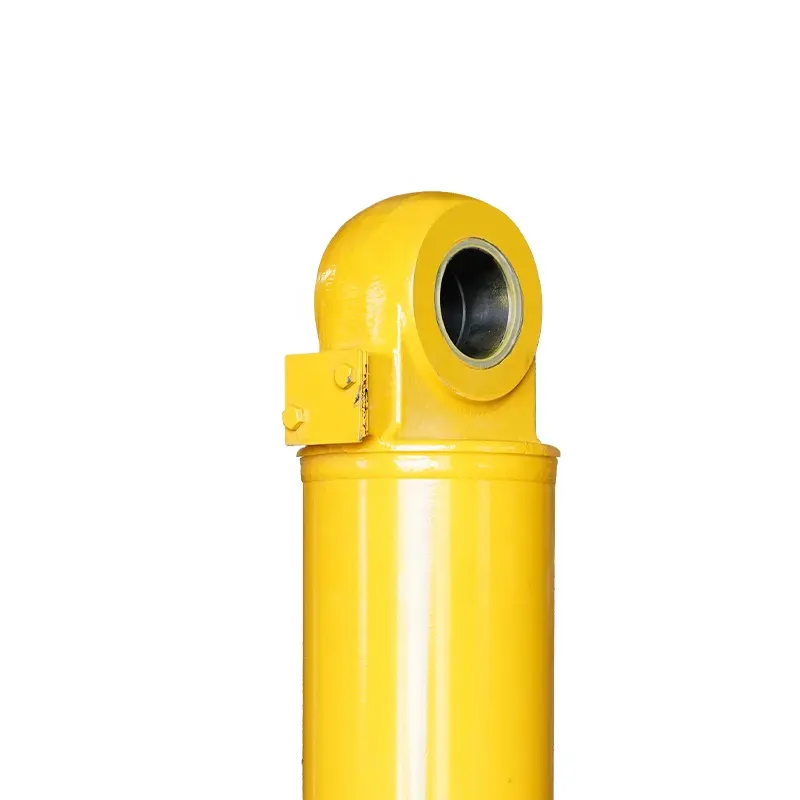
Can lift cylinders be used in material handling and conveyor systems?
Yes, lift cylinders can be used in material handling and conveyor systems. Here’s an explanation of their utilization in these applications:
Material handling and conveyor systems are commonly used in industries such as manufacturing, logistics, and warehousing to efficiently transport and handle various types of goods and materials. Lift cylinders play a vital role in these systems by providing lifting and positioning capabilities.
In material handling systems, lift cylinders are often employed to lift and lower heavy loads, such as pallets, crates, or machinery components. They are integrated into lifting mechanisms, such as scissor lifts or vertical lifts, to elevate the materials to the desired height for further processing or transfer. The lift cylinders generate the necessary force to lift the loads, ensuring smooth and controlled vertical movement.
Conveyor systems, on the other hand, utilize a series of belts, rollers, or chains to transport materials along a predetermined path. Lift cylinders can be incorporated into conveyor systems to facilitate the vertical movement of the materials. For example, lift cylinders can be used to raise or lower sections of the conveyor to accommodate changes in elevation or facilitate the transfer of materials between different conveyor levels.
One of the advantages of using lift cylinders in material handling and conveyor systems is their ability to provide precise and controlled positioning. By adjusting the hydraulic pressure or flow rate, operators can easily control the lifting speed and accurately position the materials at specific locations along the conveyor or within the material handling system.
Lift cylinders used in material handling and conveyor systems are designed to handle heavy loads and withstand rigorous operating conditions. They are typically constructed with robust materials and incorporate features such as seals and bearings to ensure durability and reliability.
In addition, lift cylinders may incorporate safety features such as overload protection or emergency stop mechanisms to enhance the safety of the material handling and conveyor systems. These safety measures help prevent accidents or damage caused by excessive loads or unexpected events.
In summary, lift cylinders are well-suited for use in material handling and conveyor systems, providing reliable lifting and positioning capabilities. Their ability to handle heavy loads, provide precise control, and incorporate safety features makes them integral components in these applications.
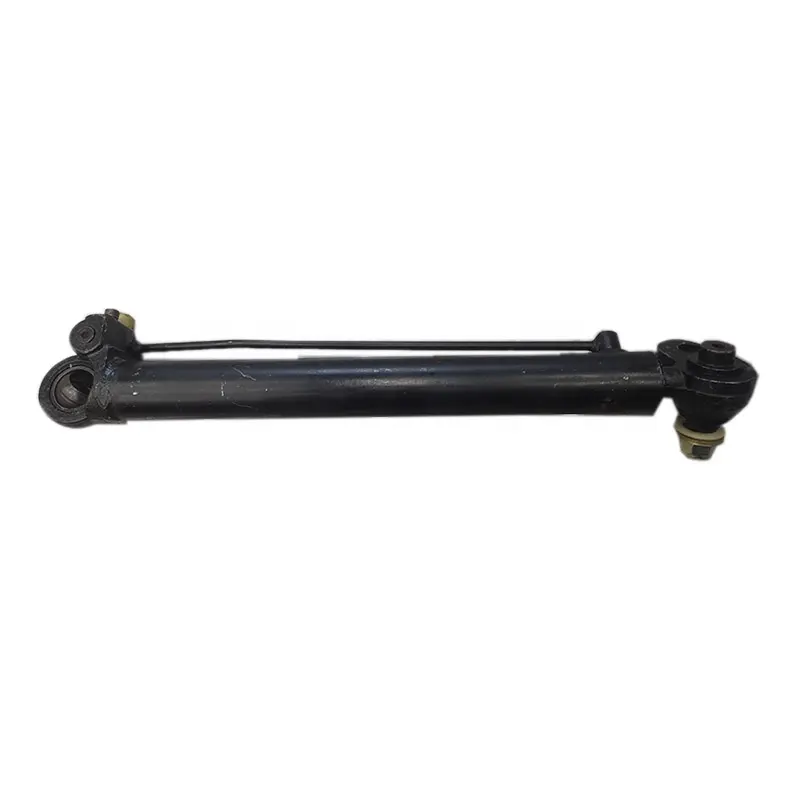
Can lift cylinders be used in agricultural machinery and equipment?
Yes, lift cylinders are commonly used in agricultural machinery and equipment. Here’s an explanation of their utilization in this context:
Agricultural machinery and equipment often require lifting capabilities to perform various tasks such as loading, lifting, and adjusting components. Lift cylinders provide the necessary force and control to accomplish these operations effectively.
1. Tractors and Loaders:
Lift cylinders are extensively used in agricultural tractors and loaders. These cylinders are typically integrated into the hydraulic systems of the equipment and are responsible for lifting and lowering front-end attachments, such as buckets, forks, or blades. By extending and retracting the lift cylinders, operators can control the height and position of the attachments, enabling efficient material handling, loading, and leveling tasks.
2. Harvesting and Threshing Equipment:
In harvesting and threshing equipment, lift cylinders are employed to adjust and control the height of components such as headers, cutter bars, or platforms. These cylinders enable operators to adapt to different crop heights and ground conditions, ensuring optimal harvesting performance. By utilizing lift cylinders, agricultural machinery can effectively navigate uneven terrain and maintain consistent cutting or harvesting heights.
3. Sprayers and Spreaders:
Lift cylinders are also utilized in agricultural sprayers and spreaders. These cylinders are responsible for raising and lowering the booms or spreading mechanisms. By adjusting the lift cylinders, operators can control the application height or spreading width, ensuring precise and uniform coverage of fertilizers, pesticides, or seeds.
4. Irrigation Systems:
In irrigation systems, lift cylinders are used to control the height and position of irrigation equipment such as sprinklers or pivots. These cylinders allow for efficient adjustment of the irrigation components to ensure optimal water distribution across agricultural fields.
5. Implements and Attachments:
Lift cylinders are widely employed in various agricultural implements and attachments, including plows, harrows, cultivators, and seed drills. These cylinders facilitate the lifting and lowering of the implements, allowing for depth adjustments, ground clearance, and transport modes. Lift cylinders enhance the versatility and functionality of agricultural equipment, enabling farmers to efficiently perform a wide range of field operations.
In summary, lift cylinders have significant applications in agricultural machinery and equipment. They contribute to the lifting, lowering, and positioning tasks required for efficient material handling, leveling, harvesting, spreading, and irrigation operations. By utilizing lift cylinders, agricultural equipment becomes more versatile, productive, and adaptable to the specific needs of farmers and agricultural practices.
How does a lift cylinder handle variations in lift height?
A lift cylinder is designed to handle variations in lift height by utilizing its extendable and retractable piston rod. Here’s an explanation of how a lift cylinder handles variations in lift height:
When a lift cylinder is activated, hydraulic fluid is directed into the cylinder chamber, creating pressure that extends the piston rod. As the piston rod extends, it pushes against the load, lifting it to the desired height.
When there are variations in lift height, the lift cylinder adjusts accordingly by controlling the extension and retraction of the piston rod. Here’s how it works:
1. Extending the Piston Rod:
When the lift height needs to increase, the lift cylinder extends the piston rod further. This extension is achieved by increasing the flow of hydraulic fluid into the cylinder chamber. The increased fluid pressure pushes the piston and rod assembly, extending the rod and lifting the load to the required height.
2. Retracting the Piston Rod:
Conversely, when the lift height needs to decrease, the lift cylinder retracts the piston rod. This retraction is achieved by reducing the flow of hydraulic fluid into the cylinder chamber. The decreased fluid pressure allows the piston and rod assembly to retract, lowering the load to the desired height.
3. Precise Control and Positioning:
Lift cylinders are equipped with valves and control mechanisms that allow for precise control and positioning of the piston rod. By regulating the flow of hydraulic fluid and adjusting the pressure, the lift cylinder can achieve accurate and controlled movements, enabling it to handle variations in lift height with precision.
4. Adjustable Stroke Length:
Some lift cylinders have an adjustable stroke length, which refers to the distance the piston rod can travel within the cylinder barrel. By customizing the stroke length, the lift cylinder can accommodate different variations in lift height. The stroke length can be modified by adjusting the cylinder’s dimensions or incorporating additional components.
5. Integration with Control Systems:
Advanced lift cylinder systems can be integrated with control systems, such as electronic controls or programmable logic controllers (PLCs), to automate and optimize lift height adjustments. These control systems can monitor and adjust the lift cylinder’s movements based on predetermined parameters or feedback from sensors, ensuring precise and consistent lift height control.
In summary, a lift cylinder handles variations in lift height by extending or retracting the piston rod, controlling the flow and pressure of hydraulic fluid, achieving precise control and positioning, utilizing adjustable stroke length, and integrating with control systems. These capabilities enable the lift cylinder to adapt to different lift height requirements and provide accurate and controlled lifting operations.


editor by Dream 2024-05-07