Product Description
Hydraulic Car Lift and Manual One Side Release Double Cylinder Hydraulic Llift
Product Description
SPECIFICATION
|
LIFTING CAPACITY |
3500KG/7700LB |
|
LIFTING HEIGHT |
1800MM/70IN |
|
MOTOR POWER |
2.2KW |
|
VOLTAGE |
380V/220V |
|
TRAY HEIGHT |
100MM/3.9IN |
|
PASSWAY SPACE |
2500MM/98IN |
|
N/M |
0.54T/1200LB |
FEATURE 1.One piece steel bending structure carriage, new structure stiffening plate beautiful and strong
3.Four protections: oil pipe explosion-proof valve,mechanical lock,hydraulic self-lock,arm self-help lock.
4.High strength structure design, totally comply with CE standard
Whole design suitable for tire dismounting, chassis repair, oil changing, auto precheck etc.(suitable for common auto repair shop, auto service station)
Arm is made of 2 parts,front arm is short,and rear arm is long,suitable for vehicles with different wheelbase.
International famous oil seal ring,reduce oil-leaking rate,advanced power unit.
Single manual release
Company Profile
Started as machinery manufacture in 2003, Precision focused on manufacturing for auto lift and auto body collision repair bench and parts till today. At the meaning time, standard paint booth and customzied paint booth are gradually included in the business line. As requirements of new open workshops and some certain distributors,we set up 2 sales teams for international market.One team is to supply very professional consult and service for manufacturing and customization of car bench, lift and spray booth. The other team is for one-stop equipments supplying. Now there are 3 prodution bases for car lift, auto body collision repair frame machine (car bench) and spray booth manufacturing. The other related equipments are from partners’ factories. Experience is the most competitive factor to work with us, there are 2 experienced consultants over 50 years in garage workshop new opening design and after sale service. They can supply practical solutions for both end users and producers. Team members are energetic spread in technique, production, sales, export customs declaration departments, which will assure high quality products and right export procedures for customers. Tested by CE, ISO9001, all products have been shipped to North/South American, South East Asia, Africa, Middle East, Europe, and Asia, as well as domestic market in China. Both OEM and ODM are acceptable. Welcome to contact us and looking CHINAMFG to working with you.
Our Exhibition
Certifications
Our Advantage
| Perfect Quality Control
We own professional quality management and process inspection team. |
Experienced consultants
We have 3 experienced consultants over 50 years in garage workshop. |
OEM/ODM could accepted
We could customized acording to customer’s requirement. |
Payment & Delivery
Production Flow
/* March 10, 2571 17:59:20 */!function(){function s(e,r){var a,o={};try{e&&e.split(“,”).forEach(function(e,t){e&&(a=e.match(/(.*?):(.*)$/))&&1
| After-sales Service: | All Time |
|---|---|
| Warranty: | 12 Month |
| Type: | Double Cylinder Hydraulic Lift |
| Samples: |
US$ 1200/Piece
1 Piece(Min.Order) | Order Sample Sample
|
|---|
| Customization: |
Available
|
|
|---|
.shipping-cost-tm .tm-status-off{background: none;padding:0;color: #1470cc}
|
Shipping Cost:
Estimated freight per unit. |
about shipping cost and estimated delivery time. |
|---|
| Payment Method: |
|
|---|---|
|
Initial Payment Full Payment |
| Currency: | US$ |
|---|
| Return&refunds: | You can apply for a refund up to 30 days after receipt of the products. |
|---|
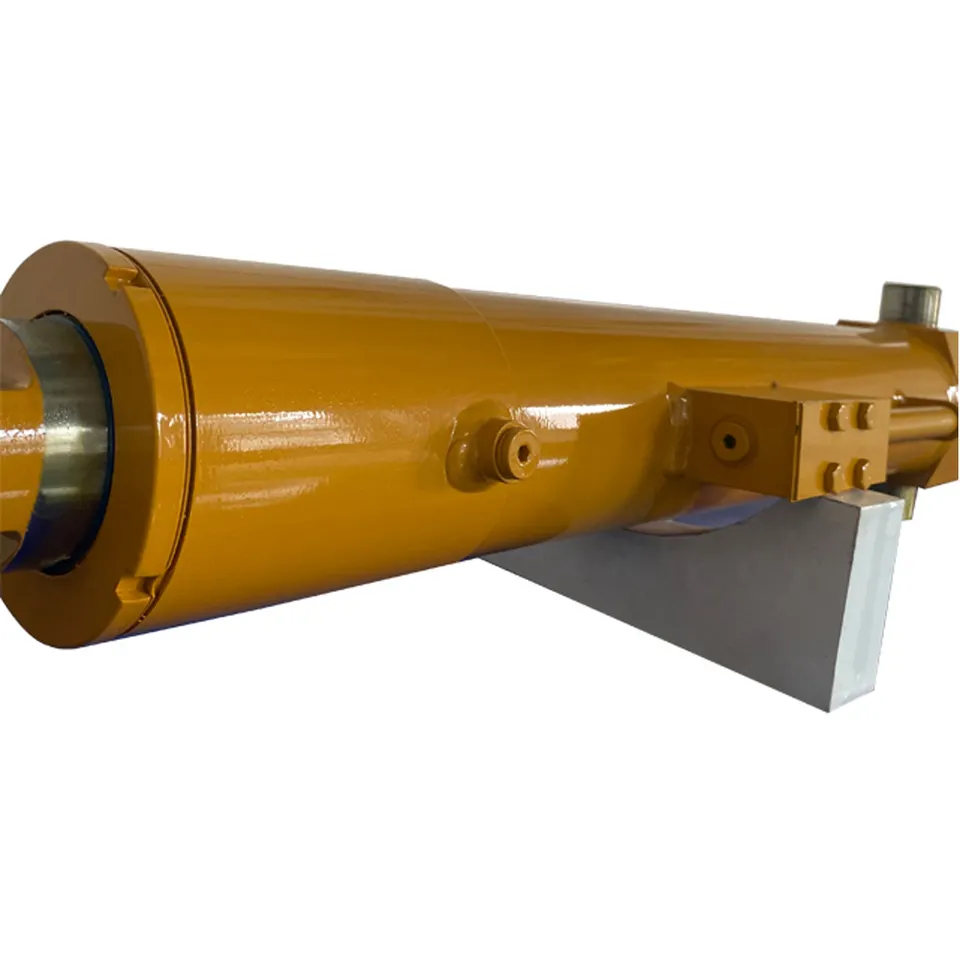
How does a lift cylinder contribute to stable and safe lifting operations?
A lift cylinder plays a crucial role in ensuring stable and safe lifting operations. Here’s an explanation of how a lift cylinder contributes to stability and safety:
1. Load Capacity and Stability:
A lift cylinder is designed to handle specific load capacities, and this capacity directly affects the stability of the lifting operation. The cylinder’s load rating ensures that it can safely support and lift the intended load without compromising stability. By selecting a lift cylinder with an appropriate load capacity, operators can ensure that the weight of the load is well-distributed and controlled, minimizing the risk of tip-overs or excessive swaying during lifting.
2. Controlled Lifting Speed:
Lift cylinders provide the ability to control the lifting speed, contributing to stable and safe operations. By regulating the hydraulic flow rate, operators can adjust the speed at which the cylinder extends or retracts. This controlled lifting speed allows for precise positioning of the load and reduces the potential for sudden shifts or jerky movements that could compromise stability or cause accidents.
3. Positioning Accuracy:
Lift cylinders offer precise positioning capabilities, ensuring that the load is raised, lowered, or held at the desired height accurately. This accurate positioning is crucial in maintaining stability and preventing unintended movements. Whether it’s aligning the load with a specific docking point or achieving precise height adjustments, lift cylinders allow for controlled and stable positioning.
4. Safety Mechanisms:
Lift cylinders often incorporate safety mechanisms to enhance safe lifting operations. These mechanisms can include features such as overload protection, emergency stop functions, or velocity fuses. Overload protection prevents the cylinder from attempting to lift loads beyond its capacity, while emergency stop functions allow for immediate cessation of lifting operations in case of emergencies. Velocity fuses are safety devices that prevent uncontrolled descent of the load in the event of a hydraulic system failure, ensuring stability and preventing accidents.
5. Durability and Reliability:
Lift cylinders are built to withstand demanding operational conditions and provide long-term durability and reliability. They are constructed with robust materials and incorporate seals, bearings, and other components to ensure smooth operation and prevent leaks or failures. The durability and reliability of lift cylinders contribute to stable lifting operations by minimizing the risk of unexpected malfunctions or breakdowns.
In summary, lift cylinders contribute to stable and safe lifting operations through their load capacity and stability, controlled lifting speed, precise positioning accuracy, incorporation of safety mechanisms, and overall durability and reliability. These features ensure that lifting operations can be carried out smoothly, efficiently, and with a reduced risk of accidents or instability.
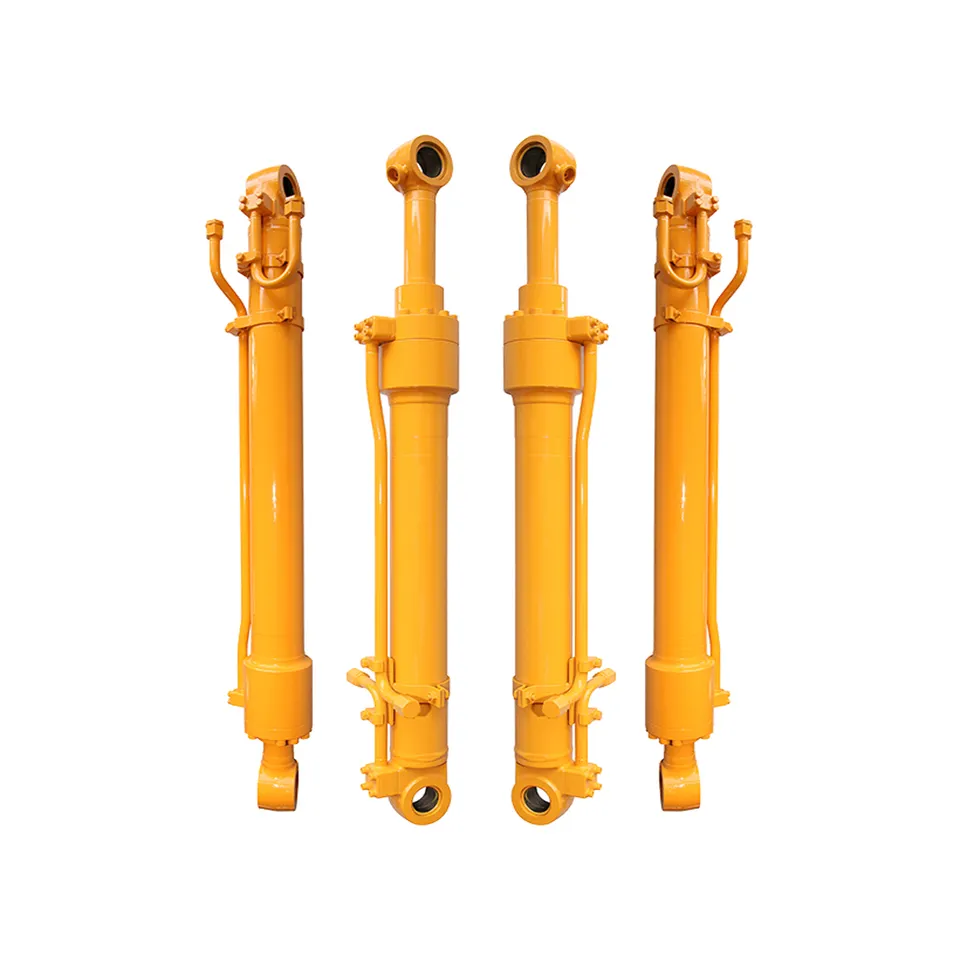
Can lift cylinders be used in manufacturing and production machinery?
Yes, lift cylinders are commonly used in manufacturing and production machinery. Lift cylinders, also known as hydraulic cylinders, are devices that generate linear force and motion through the use of pressurized hydraulic fluid. They are widely employed in various industrial applications for lifting, pushing, pulling, and holding heavy loads.
In manufacturing and production machinery, lift cylinders play a crucial role in providing controlled movement and force for a wide range of tasks. Here are some examples of how lift cylinders are used:
- Material Handling: Lift cylinders are utilized in machinery such as forklifts, cranes, and material handling equipment to lift and transport heavy objects. They allow for precise positioning and movement of loads, improving efficiency and safety in material handling operations.
- Assembly and Automation: Lift cylinders are integrated into assembly lines and automated machinery to perform tasks like part insertion, pressing, and clamping. They provide the necessary force and motion required for assembling components or joining parts together.
- Presses and Punching Machines: Lift cylinders are employed in presses and punching machines to exert force for bending, forming, and shaping materials. These cylinders ensure accurate and consistent results in metalworking processes.
- Industrial Robots: Lift cylinders are used in robotic systems to enable lifting and manipulation of objects. They facilitate the controlled movement of robot arms and end-effectors, allowing robots to perform tasks such as pick-and-place operations, welding, and painting.
Lift cylinders offer several advantages in manufacturing and production machinery. They provide high force capabilities, precise control over movement, compact design, and the ability to operate in various orientations. Furthermore, their hydraulic nature allows for smooth and gradual acceleration and deceleration, reducing the risk of damage to the machinery or the materials being handled.
In conclusion, lift cylinders are extensively utilized in manufacturing and production machinery across different industries. Their versatility, reliability, and ability to generate controlled linear force make them essential components in a wide range of industrial applications.
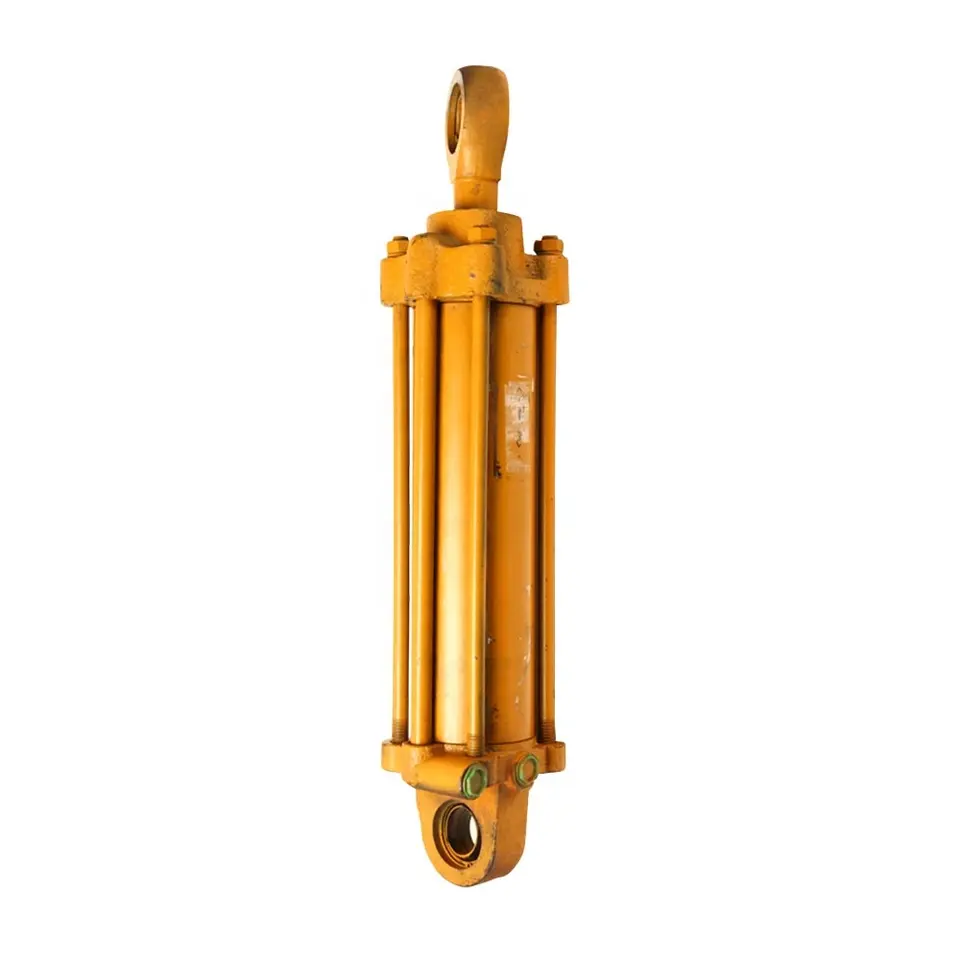
How does a lift cylinder contribute to precise load positioning?
A lift cylinder plays a crucial role in achieving precise load positioning in various applications. Here’s an explanation of how a lift cylinder contributes to precise load positioning:
1. Controlled Vertical Motion:
A lift cylinder provides controlled vertical motion, allowing for accurate and precise movement of the load. By adjusting the hydraulic fluid flow and pressure, the cylinder extends or retracts with the desired speed and smoothness. This controlled motion enables precise positioning of the load at the desired height or location.
2. Adjustable Stroke Length:
Lift cylinders often have an adjustable stroke length, which refers to the distance the piston can travel within the cylinder barrel. By customizing the stroke length according to the specific load positioning requirements, the cylinder can achieve the desired precision. This adjustability allows for fine-tuning the cylinder’s movement to accurately position the load with precision.
3. Load Holding Capability:
Lift cylinders are designed to have load holding capability, meaning they can maintain the position of the load without drifting or unwanted movement. This is achieved through the use of seals, locking mechanisms, or pressure control valves that prevent the cylinder from extending or retracting unintentionally. The load holding capability ensures that once the load is positioned precisely, it remains stable and secure.
4. Sensing and Feedback Systems:
Advanced lift cylinder systems may incorporate sensing and feedback mechanisms to enhance load positioning precision. These systems use sensors to measure the position, force, or pressure within the cylinder and provide feedback to the control system. This real-time feedback allows for continuous adjustments and fine-tuning of the cylinder’s movements, ensuring precise load positioning.
5. Integration with Control Systems:
Lift cylinders can be integrated with control systems that enable precise load positioning. Through electronic controls or programmable logic controllers (PLCs), the cylinder’s movement can be precisely controlled and coordinated with other equipment or processes. This integration allows for synchronized movements and accurate load positioning in complex automation systems.
In summary, a lift cylinder contributes to precise load positioning through controlled vertical motion, adjustable stroke length, load holding capability, sensing and feedback systems, and integration with control systems. These features and capabilities enable lift cylinders to achieve the precise positioning required in various applications, ranging from material handling to industrial automation.


editor by CX 2024-02-18