Product Description
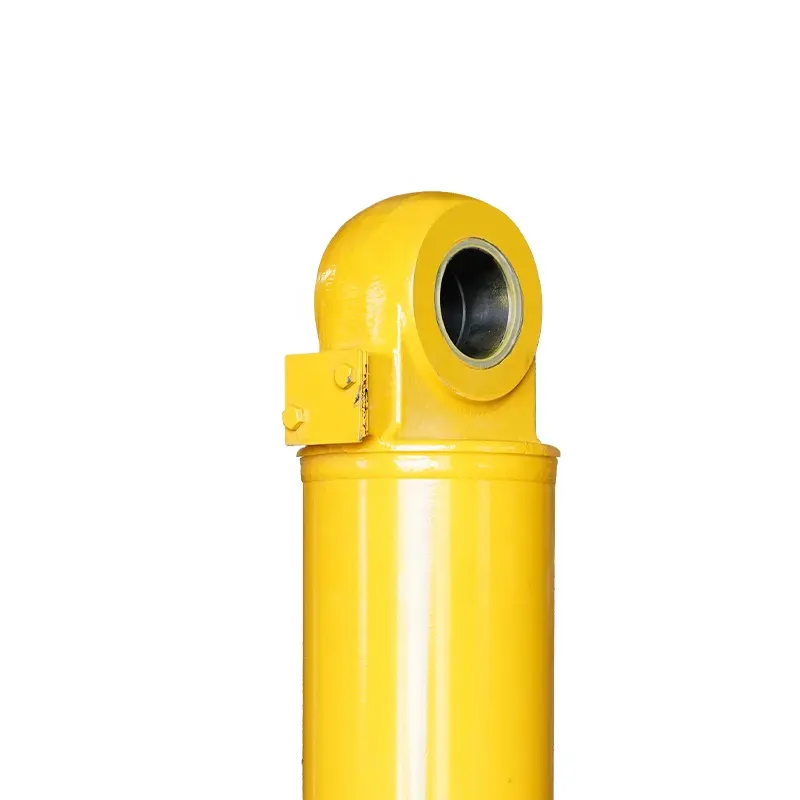
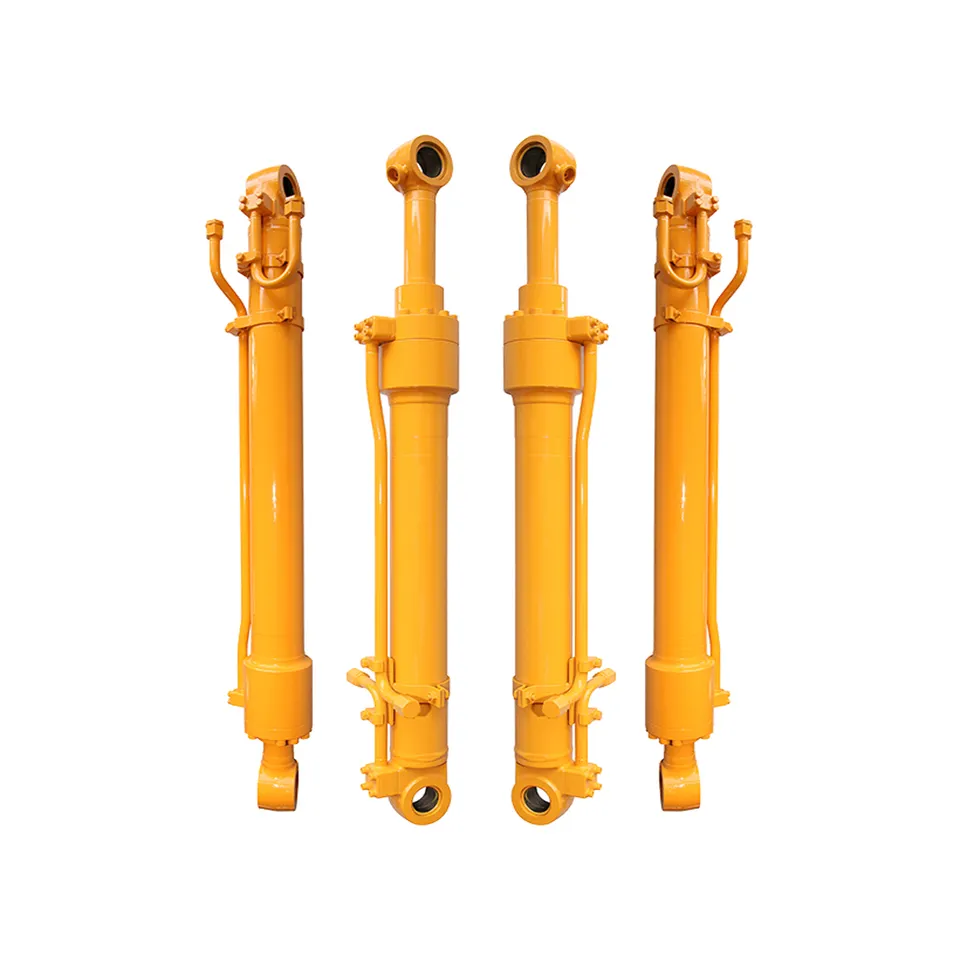
Sinotruk CHINAMFG Auto parts WGTilting Cylinder
Product Description
| Sinotruk CHINAMFG Auto parts WGTilting Cylinder | |||
| Type | Tilting Cylinder | Application | heavy truck |
| Truck model | Howo | Certification | ISO9001 |
| OEM number | WG9719820002 | Warranty | 12 monthes |
| Item Name | Tilting Cylinder | Packing | standard |
| Place of origin | ZheJiang provice, China | MOQ | 1 Piece |
| Weight | standard | Qulity | OEM original |
| Adaptable automobile mode: | Chinese truck | Payment | TT, western union, L/C, paypal, etc. |
Specifications
1.Supply to Africa,Southeast Asia,and South America
2.Matrial: CHINAMFG CHINAMFG original
3.Professional Perfomance truck and trailer parts supplier
4.CHINAMFG Engines
What can we supply?
1.Sinotruk/Weichai engine parts
Crankshaft, connecting rod, cylinder block, cylinder head, piston,flywheel, cylinder liner,piston ,piston rings, piston pin,connecting rod,bearing, crankshaft bearing ,intake&exhaust valve, valvesprings,camshaft, tappets, camshafts bearing, fuel tank, fuel pump, fuel filter,air filter, oil filter, battery,alternator, starter, starter motor, ignition coil,water pump, radiator, fan couplings, fan, thermostat, oil pump,pressure limiting valve ..
2.Sinotruk/FAST Gearbox Parts
Primary shaft, 2nd shaft, intermediate shaft, 2 / 3 associated gear,2nd speed gear(1/2/3/4/5) , reverse gear ,intermediate shaft(1/2/3/4/5),synchronize assembly, synchronizer slider,gearbox ,gearbox shell, gearbox cover, gearbox middle cover, shift fork assembly, PTO…
3.Chassis parts/Cabin spare parts
Clutch cover, clutch disk , wheel hub, brake drum, brake pads ,Brake shoes, lock, wiring harness, drive shaft, front axle, steering knuckle,steering arm, universal joints, rear axle , main reducer,differential,axle, planetary gears, sun gear, pinion and bevel gear, spring, shock absorbers, stabilizer bars,steering pole, straight rod, rod joint, wheel reducer, through axle, rear shell … ..
/* March 10, 2571 17:59:20 */!function(){function s(e,r){var a,o={};try{e&&e.split(“,”).forEach(function(e,t){e&&(a=e.match(/(.*?):(.*)$/))&&1
| Type: | Chassis |
|---|---|
| Certification: | ISO9001 |
| Color: | Black |
| Main Market: | East Asia |
| Application: | Heavy Truck |
| Brand Name: | Sinotruk |
| Samples: |
US$ 24/Piece
1 Piece(Min.Order) | |
|---|
| Customization: |
Available
|
|
|---|
Can lift cylinders be used in material handling and conveyor systems?
Yes, lift cylinders can be used in material handling and conveyor systems. Here’s an explanation of their utilization in these applications:
Material handling and conveyor systems are commonly used in industries such as manufacturing, logistics, and warehousing to efficiently transport and handle various types of goods and materials. Lift cylinders play a vital role in these systems by providing lifting and positioning capabilities.
In material handling systems, lift cylinders are often employed to lift and lower heavy loads, such as pallets, crates, or machinery components. They are integrated into lifting mechanisms, such as scissor lifts or vertical lifts, to elevate the materials to the desired height for further processing or transfer. The lift cylinders generate the necessary force to lift the loads, ensuring smooth and controlled vertical movement.
Conveyor systems, on the other hand, utilize a series of belts, rollers, or chains to transport materials along a predetermined path. Lift cylinders can be incorporated into conveyor systems to facilitate the vertical movement of the materials. For example, lift cylinders can be used to raise or lower sections of the conveyor to accommodate changes in elevation or facilitate the transfer of materials between different conveyor levels.
One of the advantages of using lift cylinders in material handling and conveyor systems is their ability to provide precise and controlled positioning. By adjusting the hydraulic pressure or flow rate, operators can easily control the lifting speed and accurately position the materials at specific locations along the conveyor or within the material handling system.
Lift cylinders used in material handling and conveyor systems are designed to handle heavy loads and withstand rigorous operating conditions. They are typically constructed with robust materials and incorporate features such as seals and bearings to ensure durability and reliability.
In addition, lift cylinders may incorporate safety features such as overload protection or emergency stop mechanisms to enhance the safety of the material handling and conveyor systems. These safety measures help prevent accidents or damage caused by excessive loads or unexpected events.
In summary, lift cylinders are well-suited for use in material handling and conveyor systems, providing reliable lifting and positioning capabilities. Their ability to handle heavy loads, provide precise control, and incorporate safety features makes them integral components in these applications.
Can Lift Cylinders Be Used in Lifting and Lowering Platforms for Accessibility?
Yes, lift cylinders can be used in lifting and lowering platforms to provide accessibility for individuals with mobility challenges. These cylinders play a crucial role in the operation of accessibility platforms, such as wheelchair lifts, vertical platform lifts, or scissor lifts. Here’s a detailed explanation of how lift cylinders can be used in lifting and lowering platforms for accessibility:
- Lifting Mechanism:
- Smooth and Controlled Movement:
- Weight Capacity:
- Space Optimization:
- Reliability and Durability:
- Integration with Safety Features:
Lift cylinders serve as the primary lifting mechanism in accessibility platforms. These platforms are designed to raise or lower individuals, including wheelchair users, to different heights, allowing them to access elevated areas or overcome vertical barriers. Lift cylinders are typically integrated into the platform structure and connected to a hydraulic or pneumatic system. When activated, the cylinders extend or retract, lifting or lowering the platform in a controlled manner.
Lift cylinders ensure smooth and controlled movement of the accessibility platform during the lifting and lowering process. The cylinders are designed to provide precise and gradual motion, allowing for safe and comfortable vertical transportation. They can be equipped with features such as flow control valves or adjustable dampening to regulate the speed and prevent abrupt movements. Lift cylinders enable individuals to transition between different levels smoothly and securely.
Accessibility platforms need to support the weight of individuals using them, including wheelchair users and their mobility devices. Lift cylinders are manufactured with varying weight capacities to accommodate different load requirements. The cylinders are designed to withstand the vertical forces exerted on the platform and ensure stability and safety during operation. Lift cylinder specifications, such as bore size, rod diameter, and material strength, are carefully selected to match the intended weight capacity of the accessibility platform.
Lift cylinders contribute to space optimization in accessibility platforms. These cylinders are compact and can be integrated within the platform structure, minimizing the need for additional space or external lifting mechanisms. The compact design of lift cylinders allows for efficient utilization of the available platform area, ensuring that the platform can be installed in various settings, including tight spaces or existing structures where space is limited.
Lift cylinders are engineered for reliability and durability to meet the demanding requirements of accessibility platforms. They are designed to withstand frequent usage, heavy loads, and harsh operating conditions. Lift cylinders undergo rigorous testing and quality control measures to ensure their performance and longevity. Manufacturers often provide warranties and maintenance guidelines to support the long-term reliability and safety of lift cylinders used in lifting and lowering platforms.
Accessibility platforms incorporate various safety features to protect users during vertical transportation. Lift cylinders can be integrated with these safety features to enhance the overall system. For example, pressure relief valves can be installed in the hydraulic system to prevent excessive force in case of a malfunction or overload. Additionally, safety sensors, emergency stop buttons, and interlocks can be connected to the lift cylinder system to provide additional layers of safety and control.
Lift cylinders are essential components in lifting and lowering platforms for accessibility. Their role in providing the lifting mechanism, ensuring smooth and controlled movement, accommodating weight capacity, optimizing space, and contributing to reliability and safety makes them a valuable choice for creating inclusive environments and improving accessibility for individuals with mobility challenges.
Can you explain the role of hydraulic fluid in a lift cylinder?
Hydraulic fluid plays a crucial role in the operation of a lift cylinder. It serves as the medium through which force is transmitted to generate motion and provide lifting or lowering capabilities. Here’s an explanation of the role of hydraulic fluid in a lift cylinder:
1. Transmission of Force:
Hydraulic fluid acts as a medium for transmitting force within the lift cylinder. When pressurized, the hydraulic fluid applies force on the piston, which then transfers that force to the load through the rod. The force exerted by the hydraulic fluid is transmitted equally in all directions due to Pascal’s law, allowing for effective lifting or lowering of heavy loads.
2. Energy Transfer:
Hydraulic fluid is responsible for transferring energy within the hydraulic system. The hydraulic fluid is pressurized by a pump, which converts mechanical energy into hydraulic energy. This pressurized fluid carries the energy to the lift cylinder, where it is converted back into mechanical energy to perform the lifting or lowering action. The ability of hydraulic fluid to store and transmit energy efficiently makes it ideal for power transmission in hydraulic systems.
3. Lubrication and Cooling:
Hydraulic fluid serves as a lubricant within the lift cylinder to reduce friction and wear between moving parts, such as the piston and the cylinder barrel. This lubrication helps to enhance the longevity and smooth operation of the cylinder components. Additionally, the hydraulic fluid also aids in cooling the system by absorbing heat generated during operation, preventing overheating and ensuring optimal performance.
4. Sealing and Contamination Control:
Hydraulic fluid plays a critical role in sealing the lift cylinder and preventing leakage. It works in conjunction with seals located between the piston and cylinder barrel, as well as around the rod, to create a tight and secure hydraulic system. The hydraulic fluid also helps to control contamination by keeping external contaminants, such as dirt and debris, from entering the cylinder and affecting its performance.
5. System Efficiency:
The properties of hydraulic fluid, such as its viscosity and flow characteristics, directly impact the efficiency of the lift cylinder system. The choice of the appropriate hydraulic fluid ensures smooth and efficient operation, minimizing energy losses and maximizing system performance.
In summary, hydraulic fluid plays a vital role in a lift cylinder by transmitting force, transferring energy, lubricating and cooling the system, sealing against leaks, controlling contamination, and contributing to system efficiency. It enables the lift cylinder to generate the necessary force and motion to lift or lower heavy loads, while also ensuring the smooth and reliable operation of the hydraulic system.


editor by CX 2024-02-14