Product Description
This hydraulic cylinder is specially designed for agricultural machines.
It is the first choice for the manufacturer of agricultural machines.
| Model | Bore Diameter (mm) |
Rod Diameter (mm) |
Stroke (mm) |
Nominal Pressure (bar) |
| ZG32/28*200A-00 | 32 | 28 | 200 | 160 |
/* March 10, 2571 17:59:20 */!function(){function s(e,r){var a,o={};try{e&&e.split(“,”).forEach(function(e,t){e&&(a=e.match(/(.*?):(.*)$/))&&1
| Type: | Slasher Cylinder |
|---|---|
| Application: | Trucks, Forklift, Crane, Loader, Road Machinery |
| Body Material: | Carbon Steel |
| Power: | Hydraulic |
| Bore Diameter: | 32 mm |
| Rod Diameter: | 28 mm |
| Customization: |
Available
|
|
|---|
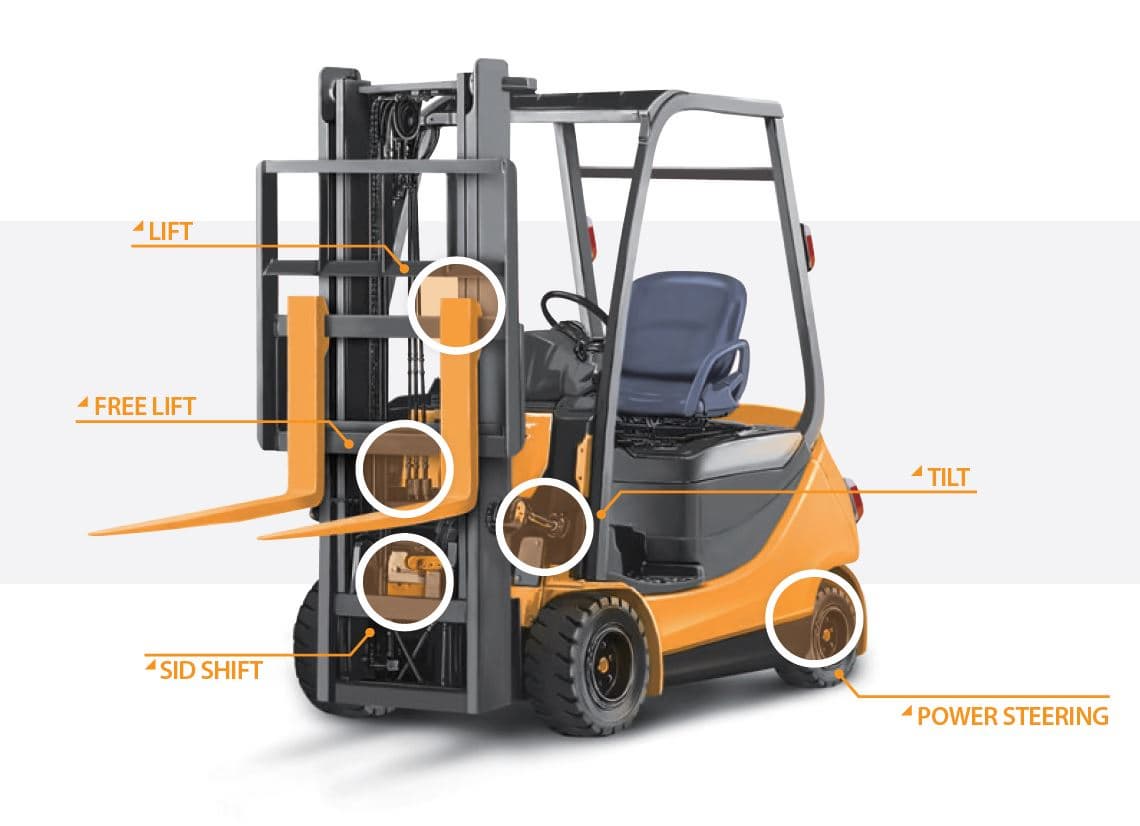
What are the Advantages of Using Hydraulic Cylinders in Forklifts?
Hydraulic cylinders play a pivotal role in the operation of forklifts, providing several advantages that contribute to their efficiency, versatility, and overall performance. Here are the key advantages of using hydraulic cylinders in forklifts:
- High Lifting Capacity:
- Smooth and Controlled Operation:
- Adjustable Lift Heights:
- Quick Response Time:
- Reliable and Robust:
- Simple and Compact Design:
- Wide Range of Applications:
- Ease of Maintenance:
Hydraulic cylinders are capable of generating significant lifting forces, allowing forklifts to handle heavy loads with ease. The hydraulic system’s ability to generate high pressure and transfer it to the cylinder results in impressive lifting capacities, enabling the forklift to lift and transport substantial loads efficiently.
Hydraulic cylinders provide smooth and controlled operation during lifting and lowering processes. The hydraulic fluid, acting as the medium, offers excellent resistance to compression and allows for precise control over the movement of the piston. This enables operators to perform delicate maneuvers and position loads accurately, contributing to safe and efficient material handling.
Hydraulic cylinders allow for adjustable lift heights in forklifts, providing versatility in various material handling tasks. By controlling the amount of hydraulic fluid pumped into the cylinder, operators can raise or lower the forks or lifting platform to suit different load sizes, stacking heights, and clearance requirements. This adaptability enhances the forklift’s versatility and enables it to work efficiently in various environments.
Hydraulic systems, including hydraulic cylinders, offer rapid response times, resulting in swift lifting and lowering operations. When operators activate the hydraulic controls, the hydraulic fluid instantly transmits pressure to the cylinder, initiating the desired movement. This quick response time allows for efficient load handling, reduces cycle times, and improves overall productivity in material handling applications.
Hydraulic cylinders are known for their reliability and durability, making them suitable for demanding industrial applications. They are designed to withstand heavy loads, frequent use, and harsh operating conditions. With proper maintenance and regular inspections, hydraulic cylinders in forklifts can provide long service life and dependable performance, minimizing downtime and maintenance costs.
The design of hydraulic cylinders is relatively simple and compact, contributing to the overall compactness and maneuverability of forklifts. The compact size of the hydraulic cylinders allows for efficient integration within the forklift’s structure, optimizing space utilization and ensuring that the forklift remains agile and capable of maneuvering in tight spaces.
Hydraulic cylinders in forklifts find applications across a wide range of industries and material handling tasks. Whether it is lifting and stacking pallets, loading and unloading cargo, or handling heavy industrial equipment, the versatility and adaptability of hydraulic cylinders make them suitable for various tasks and environments.
Hydraulic cylinders are relatively easy to maintain, with routine inspections and preventive maintenance ensuring their optimal performance. Regular checks for leaks, proper lubrication, and component replacements as needed can help extend the lifespan of the hydraulic cylinders and contribute to the overall reliability and safety of the forklift.
The advantages offered by hydraulic cylinders in forklifts, such as high lifting capacity, smooth operation, adjustable lift heights, quick response time, reliability, compact design, versatility, and ease of maintenance, make them indispensable components in the material handling industry. These advantages contribute to enhanced productivity, improved safety, and efficient handling of loads in diverse work environments.
 \
\
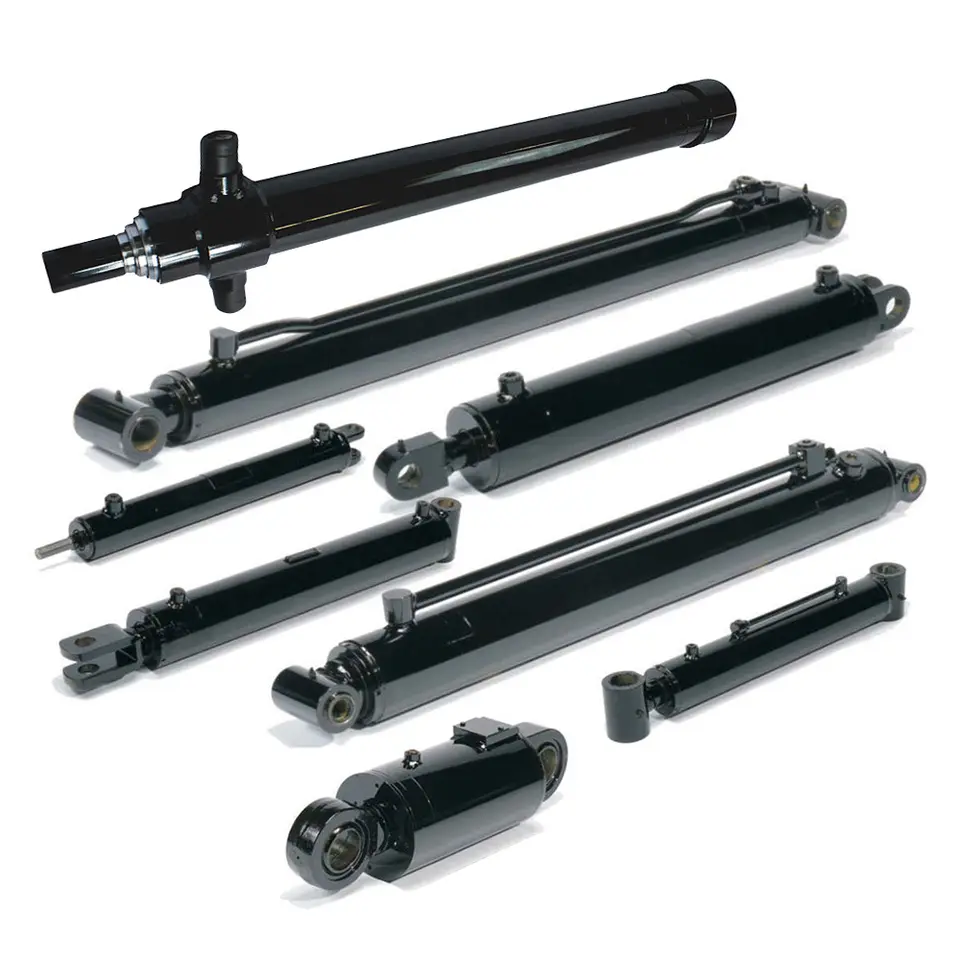
Can hydraulic cylinders be used in order fulfillment centers?
Yes, hydraulic cylinders can be used in order fulfillment centers. Order fulfillment centers require efficient and precise material handling equipment to handle the storage and movement of goods. Hydraulic cylinders are commonly used in various applications within these centers. Here’s an explanation of how they can be utilized:
Hydraulic cylinders find applications in order fulfillment centers in the following ways:
1. Conveyor Systems:
Conveyor systems are extensively used in order fulfillment centers for the transportation of goods. Hydraulic cylinders are employed to control the movement and positioning of conveyor belts. These cylinders enable smooth and precise adjustments of the conveyor height, ensuring efficient transfer of items between different processing areas.
2. Lift Tables and Platforms:
Hydraulic cylinders are utilized in lift tables and platforms used for order picking and loading/unloading operations. These cylinders provide controlled lifting and lowering of the tables or platforms, allowing operators to adjust the working height as needed. This enables ergonomic working conditions and precise alignment with shelving or loading docks.
3. Scissor Lifts:
Scissor lifts are commonly used in order fulfillment centers to reach elevated areas for order picking or stock replenishment. Hydraulic cylinders power the vertical movement of scissor lifts, providing stability and controlled elevation. The cylinders allow for precise positioning at different heights, enhancing efficiency and safety during the order fulfillment process.
4. Pallet Handling Equipment:
Order fulfillment centers often utilize pallet handling equipment, such as pallet jacks and pallet positioners, to move and stack palletized goods. Hydraulic cylinders are integral components of these machines, enabling the lifting and lowering of pallets. The cylinders provide the necessary force and control to handle heavy loads and ensure accurate placement of pallets.
5. Automated Guided Vehicles (AGVs):
AGVs are autonomous vehicles utilized in order fulfillment centers to transport goods within the facility. Hydraulic cylinders are employed in the lifting mechanisms of AGVs, allowing them to pick up and drop off loads at designated locations. The cylinders enable precise vertical movement and positioning of the load, ensuring accurate and efficient material handling.
In summary, hydraulic cylinders have various applications in order fulfillment centers, including conveyor systems, lift tables and platforms, scissor lifts, pallet handling equipment, and AGVs. These cylinders contribute to efficient and precise material handling, enhancing productivity and streamlining the order fulfillment process.
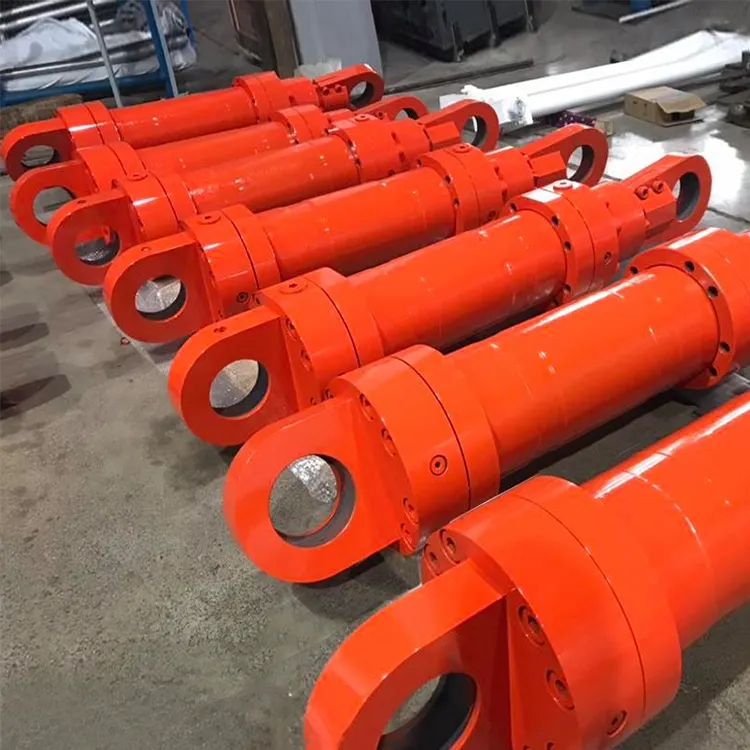
What are the Safety Considerations When Using Forklifts with Hydraulic Cylinders?
When using forklifts with hydraulic cylinders, it is essential to prioritize safety to prevent accidents, injuries, and property damage. Hydraulic systems and cylinders are integral components of forklifts, and understanding and implementing safety considerations is crucial. Here are important safety considerations to keep in mind:
- Operator Training and Certification:
- Regular Inspections and Maintenance:
- Load Capacity and Stability:
- Proper Load Positioning and Handling:
- Avoiding Overextension and Collisions:
- Proper Use of Controls:
- Clear Communication and Awareness:
- Emergency Procedures:
Operators must receive thorough training and certification specific to forklift operations. Proper training should cover the safe operation of hydraulic systems and cylinders, including understanding the controls, load capacity, stability, and safe maneuvering techniques. Well-trained operators are more likely to handle hydraulic cylinders safely and minimize the risk of accidents or misuse.
Forklifts and their hydraulic systems, including cylinders, should undergo regular inspections and maintenance to ensure they are in proper working condition. Inspections should identify any signs of wear, leaks, or damage, and maintenance tasks such as lubrication and component replacements should be performed as recommended by the manufacturer. Well-maintained hydraulic cylinders contribute to safe and reliable forklift operations.
Understanding and adhering to the forklift’s load capacity limitations is crucial for safe operation. Overloading a forklift can lead to instability and potential tip-overs. Operators should be aware of the load capacity rating and ensure that loads are properly balanced and secured. Maintaining the forklift’s stability, especially when using the hydraulic cylinder to lift or lower loads, is essential to prevent accidents caused by tipping or loss of control.
Safe load positioning and handling contribute to overall forklift safety. Operators should ensure that loads are positioned correctly on the forks, centered and secure, to prevent them from shifting or falling during transport. When using the hydraulic cylinder to raise or lower loads, operators should do so gradually and avoid sudden movements that may destabilize the forklift or cause the load to swing uncontrollably.
Overextending the hydraulic cylinder beyond its recommended limits can lead to failure or instability. Operators should be aware of the maximum extension and retraction limits of the cylinder and avoid exceeding them. Additionally, operators must exercise caution to prevent collisions with objects or structures, as impacts can damage the hydraulic cylinder, compromise its integrity, and pose safety risks.
Operators should be familiar with the forklift’s hydraulic control system and use the controls properly. This includes understanding the functions of each control, such as raising, lowering, tilting, or extending the forks, and using them with precision and care. Mishandling the hydraulic controls can result in sudden movements or unintended actions, potentially causing accidents or injuries.
Clear communication and situational awareness are essential for safe forklift operations. Operators should maintain clear visibility, use mirrors or cameras if available, and be aware of their surroundings to avoid collisions with pedestrians, other vehicles, or obstacles. Effective communication with co-workers and signaling to indicate forklift movements can help prevent accidents and ensure a safe working environment.
Operators should be familiar with emergency procedures and know how to respond in case of malfunctions, leaks, or other emergencies involving the hydraulic cylinder. Proper training should cover emergency shutdown procedures, reporting protocols, and evacuation plans to ensure a timely and coordinated response that minimizes risks to personnel and property.
By prioritizing operator training, regular inspections, adherence to load capacity limits, proper load handling, cautious control usage, and clear communication, forklifts with hydraulic cylinders can be operated safely and efficiently. Implementing these safety considerations helps reduce the risk of accidents, protect personnel, and maintain a secure work environment.


editor by CX 2024-02-12