Product Description
Types of gas springs
1. Support gas spring
Also called free-type gas spring. Support rod. It is the most widely used gas spring. It mainly plays a supporting role, with only the shortest and longest positions, and cannot stop by itself during the stroke. It is most widely used in mechanical equipment, furniture and other fields.
2. Lockable(Controllable) gas spring
The controllable gas spring can be locked at any position of the entire stroke, mainly through the controller (handle or cable) to achieve the effect, but also through the expansion and contraction of the piston rod. When the controller is adjusted to stop at the desired position, the valve will be closed and the live cooling rod will be locked in the required position. When locking occurs, locking can be achieved. However, if the locking force is exceeded, the locking function will no longer be effective.
3. Damper
Damper features reduce inertia and reduce speed by changing size. Its resistance changes with the speed of operation. The speed of the connected mechanism can be significantly damped.
4. Tensile gas spring
Also known as a traction gas spring, it uses an internal piston rod to achieve basic positioning. It is a special gas spring. The supporting gas spring is in the longest position when it is in a free state. After receiving external force, it moves from the longest position to the shortest position, while the free state of the traction gas spring is at The shortest position, running from the shortest to the longest when being pulled. Traction gas springs also have corresponding free type, self-locking type and so on.
YQ series air bombs are widely used in automobile, household, computer, fitness equipment, textile, printing, food, tobacco, woodworking and other machinery, and can play the role of lifting, suspending, closing and so on.
The product structure is reasonable, and the installation and maintenance are convenient. No external power is needed when working, saving energy. The lifting force is basically constant throughout the working stroke, and the end of the stroke has a buffer mechanism to avoid damage to components. The lifting member can be stopped in any position.
| MODEL | d(mm) | D(mm) | L(mm) | S(mm) | Force(kgf) |
| YQ13 | Φ6 | Φ15 | 100-550 | 50-200 | 5-35 |
| YQ16 | Φ8 | Φ18 | 210-580 | 50-220 | 15-50 |
| YQ20A | Φ10 | Φ22 | 300-700 | 100-300 | 30-80 |
| YQ20B | Φ12 | Φ22 | 400-700 | 100-300 | 40-100 |
| YQ25A | Φ12 | Φ27 | 600-800 | 220-350 | 60-130 |
| YQ25B | Φ14 | Φ28 | 600-900 | 220-350 | 100-300 |
| YQ25C | Φ16 | Φ28 | 600-1200 | 220-900 | 100-300 |
sample.the length, stroke,pressure can be customized
Gas spring installation location selection
There are 2 optional installation styles:
1. AO is less than the length of OB
2. OB is less than the length of AO
• Calculate the approximate stroke of the gas spring used when setting points A and B first:
The AB length after opening the lid minus the AB length after closing is equal to the required air bomb stroke;
Re-calculate whether the selected gas bomb praise is reasonable:
Gas spring stroke x2+80mm=AB length after opening.
Note: If the result obtained is greater than the length of AB, then it is necessary to move point A to point 0 or point B to move to point O to increase the length of point AB, that is, increase the length of the gas spring.
YK series gas springs are suitable for various occasions where the angle and height need t be adjusted. The piston rod can be stopped at any position under human manipulation. YK series gas springs operate flexibly, work stably and reliably. Can be designed and manufactured according to user requirements. For matters needing attention, please refer to the YQ series gas spring.
| MODEL | D(mm) | d1(mm) | L(mm) | S(mm) | Thread diameter | Force(kgf) |
| Lockable YK | Φ22 | Φ10 | 225 | 60 | M10*1 | 300-700 |
| 210 | 50 | |||||
| 200 | 40 | |||||
| 130 | 30 | |||||
| Φ28 | 760 | 280 | 300-900 | |||
| 175 | 50 | |||||
| 170 | 42 | |||||
| 155 | 40 | |||||
| 128 | 28 |
This product is divided into pure oil, pure gas, oil and gas mixing, oil and gas separation and other construction machinery shock absorbers. This product is widely used in the shock absorption of engineering vehicle seats, which can effectively eliminate the vibration caused by the mechanical spring under the action of gravity. The aftershocks make the driver and passengers feel smooth and comfortable.
The oil-gas hybrid shock absorber has a good gas buffering effect and is the first choice shock absorber for modern engineering vehicle seats.
1. Samples can be offered to test before placing orders.
2. Low MOQ. Small orders are accepted.
3. OEM & ODM. Customization service is offered, including logo, laser marking.
4. Outstanding R&D ability,including product development and mould development.
5. Great pre-sales and after sales service.
HangZhou Manjia Youchuang Household Products Co., Ltd. is a professional dampers and gas springs manufacturer which collects research, design, production and sale.
Our technical backbone has been engaged in the R&D and production of dampers for more than 22 years experience. The professional and well trained production department and QC staff could assure the perfect performance of our Dampers products. For the quality assurance rate of over 99.98%, and the stability of delivery time rate more than 99.96%.
Q1. Can I have a sample for testing?
A: Yes, samples are in stock, we will return sample fee back to you once you make a bulk order from us.
Q2. What about the lead time?
A: Sample needs 1-3 days, mass production time needs around 15 days for order quantity more than 10,000 pieces.
Q3. What is your MOQ?
A: Under normal circumstances, the order quantity is 1000 pieces. If you need less than 1,000 pieces, please contact customer service.
Q4. How do you ship the goods and how long does it take to arrive?
A: We usually ship by DHL, UPS, FedEx or TNT. It usually takes 3-5 days to arrive. Shipping time depend on the shipping way you choose.
Q5. Can I print my logo on the product?
A: Yes. Please inform us formally before our production and confirm the design firstly based on our sample. Customized design is available. OEM and ODM are offered.
Q6. Do you offer guarantee for the products?
A: Yes, we offer 1 year warranty to our products.
Q7: How to deal with the faulty?
A: Our products are produced in strict quality control system and the defective rate will be less than 0.2%.During the guarantee period, we will send new dampers with new order for small quantity. For defective batch products, we will repair them and resend them to you or we can discuss the solution.
/* March 10, 2571 17:59:20 */!function(){function s(e,r){var a,o={};try{e&&e.split(“,”).forEach(function(e,t){e&&(a=e.match(/(.*?):(.*)$/))&&1
| Function: | Pressed, Phonation, Buffer, Drive, Restoration, Measurement |
|---|---|
| Material: | Alloy |
| Load Type: | Compression |
| Samples: |
US$ 15/Piece
1 Piece(Min.Order) | Order Sample |
|---|
| Customization: |
Available
|
|
|---|
.shipping-cost-tm .tm-status-off{background: none;padding:0;color: #1470cc}
|
Shipping Cost:
Estimated freight per unit. |
about shipping cost and estimated delivery time. |
|---|
| Payment Method: |
|
|---|---|
|
Initial Payment Full Payment |
| Currency: | US$ |
|---|
| Return&refunds: | You can apply for a refund up to 30 days after receipt of the products. |
|---|
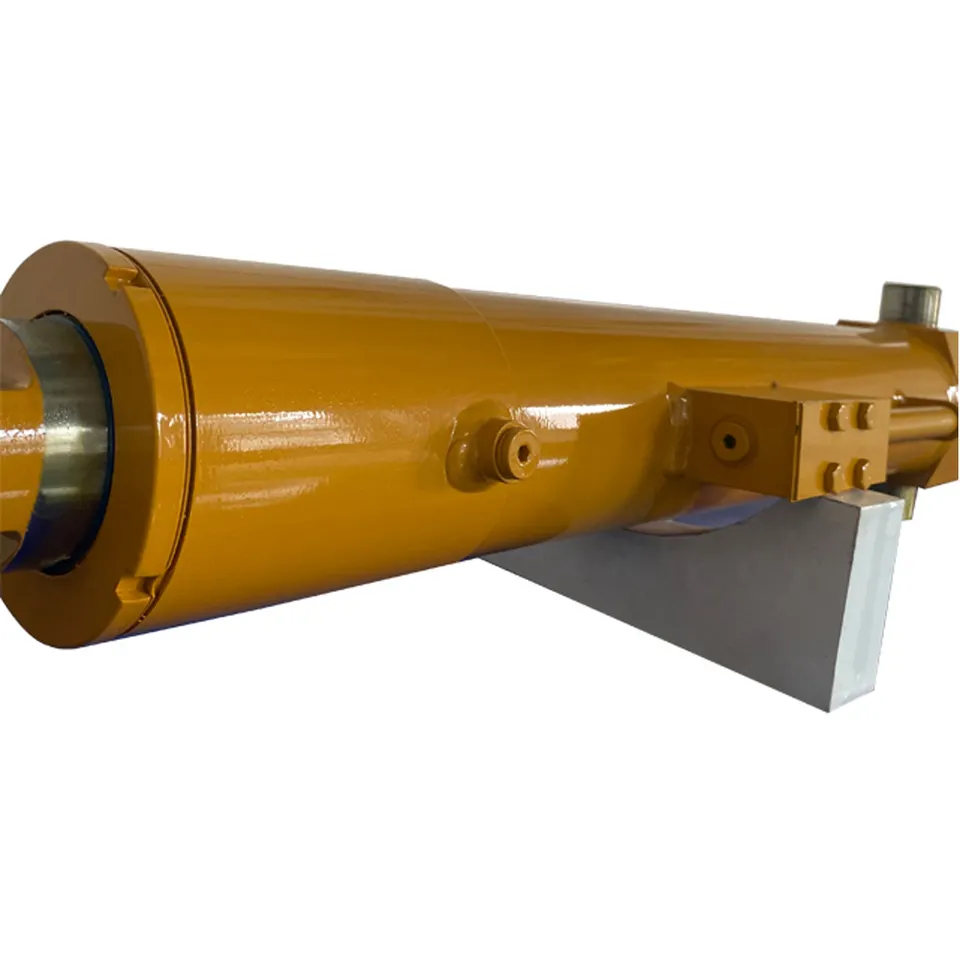
How does a lift cylinder contribute to efficient and reliable lifting?
A lift cylinder plays a crucial role in enabling efficient and reliable lifting operations. Here’s an explanation of how a lift cylinder contributes to efficient and reliable lifting:
1. High Lifting Capacity:
Lift cylinders are specifically designed to provide high lifting capacities. They can generate substantial force to lift heavy loads, making them well-suited for material handling tasks that involve large or bulky items. The high lifting capacity ensures that the cylinder can effectively handle the intended load, contributing to efficient lifting without the need for additional equipment or manual labor.
2. Precise Control:
Lift cylinders offer precise control over the lifting process. By regulating the flow and pressure of hydraulic fluid, operators can achieve accurate positioning and controlled movements. This level of control allows for efficient and precise placement of the load, reducing the risk of damage to the load or surrounding objects. The precise control also enables operators to optimize the lifting process, saving time and effort.
3. Smooth and Stable Operation:
Lift cylinders provide smooth and stable operation during lifting operations. The hydraulic system ensures that the lifting motion is steady and controlled, minimizing jerking or sudden movements. This smooth operation is important for the safe handling of delicate or fragile materials. It also enhances operator confidence and reduces the risk of accidents, contributing to reliable lifting performance.
4. Quick Response Time:
Lift cylinders offer quick response times, allowing for efficient and timely lifting operations. When activated, the hydraulic system quickly directs fluid into the cylinder, initiating the lifting motion. This rapid response time reduces downtime and enables operators to complete lifting tasks more efficiently.
5. Durability and Reliability:
Lift cylinders are built to withstand the demands of heavy-duty lifting operations. They are constructed with durable materials and designed to handle repetitive lifting tasks over extended periods. The robust construction and reliable performance of lift cylinders ensure that they can consistently deliver efficient lifting performance without frequent breakdowns or malfunctions.
6. Safety Features:
Lift cylinders often incorporate safety features to enhance reliability during lifting operations. These features can include load-holding valves, pressure relief valves, and fail-safe mechanisms. Load-holding valves prevent the load from dropping in the event of hydraulic pressure loss, ensuring the load remains securely lifted. Pressure relief valves protect the system from excessive pressure, preventing potential damage. Fail-safe mechanisms provide additional safety by engaging in the event of a system failure or power loss. The presence of these safety features contributes to reliable and safe lifting operations.
7. Integration with Control Systems:
Advanced lift cylinders can be integrated with control systems, such as electronic controls or programmable logic controllers (PLCs). This integration allows for automation and optimized control of the lifting process. By incorporating sensors, feedback mechanisms, and pre-programmed sequences, the lift cylinder can operate efficiently and reliably with minimal operator intervention.
In summary, a lift cylinder contributes to efficient and reliable lifting through its high lifting capacity, precise control, smooth and stable operation, quick response time, durability and reliability, incorporation of safety features, and integration with control systems. These features and capabilities ensure that the lifting process is efficient, accurate, and safe, thereby enhancing overall lifting performance.
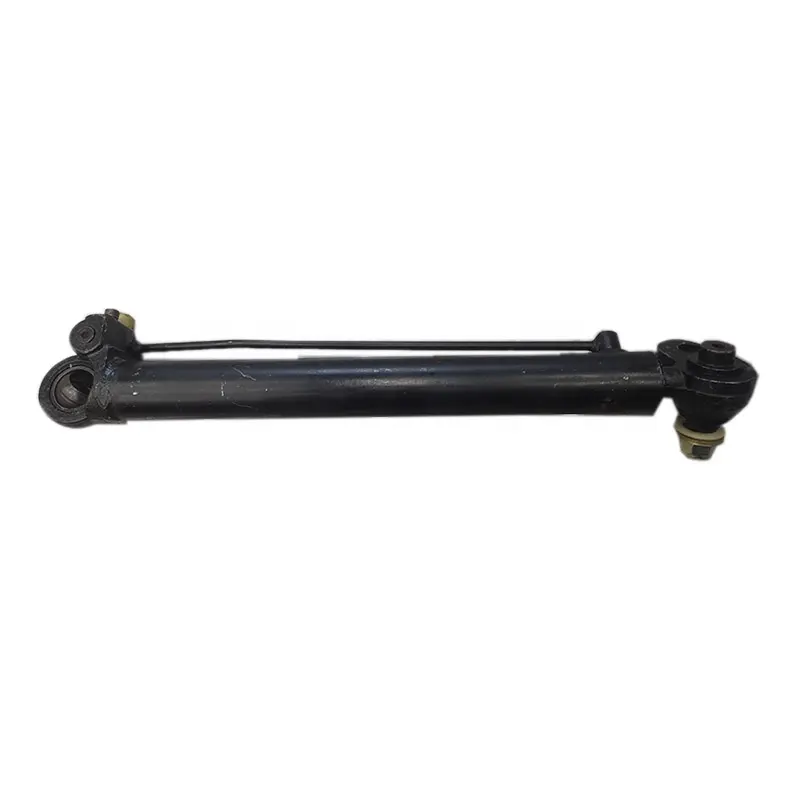
Can lift cylinders be used in lifting and tilting equipment for material dumping?
Yes, lift cylinders can be used in lifting and tilting equipment for material dumping. Lift cylinders, also known as hydraulic cylinders, are commonly employed in various industrial applications that involve lifting, pushing, pulling, and holding heavy loads.
When it comes to lifting and tilting equipment for material dumping, lift cylinders play a crucial role in providing the necessary force and controlled movement. Here’s how lift cylinders are used in this context:
- Lifting Mechanism: Lift cylinders are integrated into the lifting mechanism of equipment designed for material dumping. These cylinders are responsible for raising the load, such as a container or a bucket, to the desired height for dumping.
- Tilting Mechanism: Lift cylinders are also utilized in the tilting mechanism of the equipment. They enable controlled tilting of the load, allowing the material to be dumped at the desired angle or location.
- Load Capacity: Lift cylinders are selected based on the load capacity requirements of the equipment. The cylinders must be able to generate sufficient force to lift and tilt the load, ensuring safe and efficient material dumping.
- Control and Safety: Lift cylinders are typically controlled through a hydraulic system that regulates the flow of hydraulic fluid. This allows for precise control over the lifting and tilting actions. Safety features such as pressure relief valves and position sensors may also be incorporated to ensure safe operation.
The use of lift cylinders in lifting and tilting equipment for material dumping offers several advantages. It provides reliable and controlled lifting and tilting capabilities, allowing for efficient material handling. The hydraulic nature of these cylinders enables smooth and precise movements, enhancing the overall performance and productivity of the equipment.
In conclusion, lift cylinders are indeed suitable for use in lifting and tilting equipment for material dumping. Their ability to generate the necessary force and provide controlled movement makes them essential components in this type of machinery.
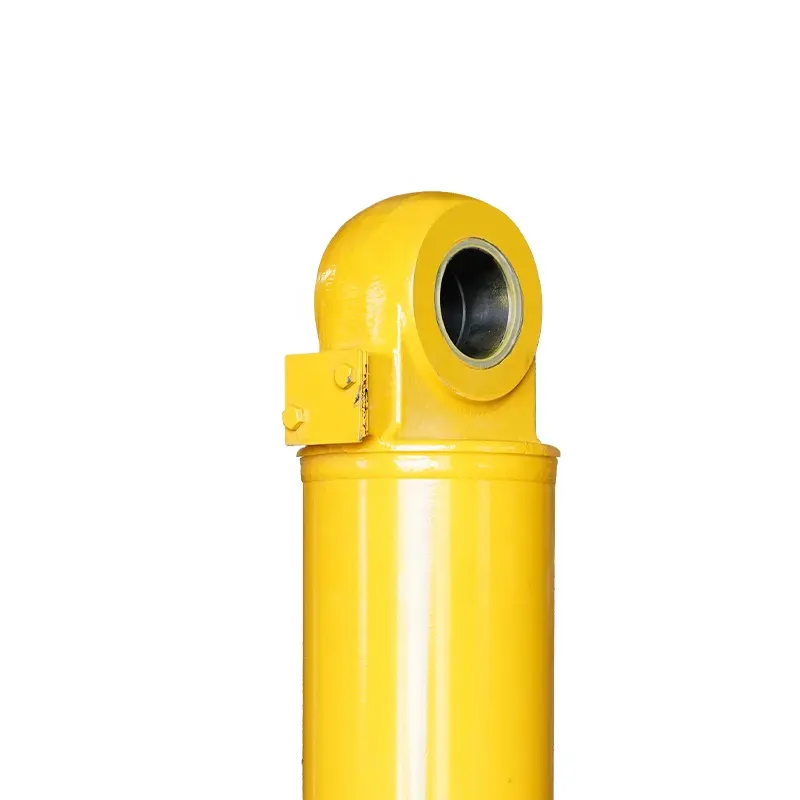
How does a lift cylinder differ from other types of hydraulic cylinders?
A lift cylinder, also known as a hydraulic lift cylinder or hydraulic lifting cylinder, has some distinct characteristics that set it apart from other types of hydraulic cylinders. Here’s an explanation of how a lift cylinder differs from other hydraulic cylinders:
While hydraulic cylinders come in various types and designs, including single-acting, double-acting, telescopic, and differential, a lift cylinder typically refers to a double-acting cylinder. Here are some key differences:
1. Double-Acting Design:
A lift cylinder is generally designed as a double-acting cylinder, meaning it can generate force in both the extension and retraction strokes. This allows for bidirectional movement and greater flexibility in lifting and lowering operations. In contrast, some other types of hydraulic cylinders, such as single-acting cylinders, generate force in only one direction.
2. Linear Motion:
The primary function of a lift cylinder is to provide linear motion for lifting and lowering loads. It is specifically designed to generate vertical movement, making it suitable for applications that require vertical displacement, such as hydraulic lifts, scissor lifts, and elevating platforms.
3. Load Capacity:
Due to their design and intended use, lift cylinders are typically designed to handle heavier loads compared to other types of hydraulic cylinders. They are engineered to provide high lifting capacities and withstand the forces associated with lifting heavy objects.
4. Control Valve Configuration:
Lift cylinders often require specialized control valve configurations to regulate their operation. This is because precise control is crucial in lifting and lowering operations, especially in applications where safety and accuracy are paramount, such as in hydraulic lifts or elevators.
5. Application-Specific:
While other types of hydraulic cylinders have diverse applications across various industries, lift cylinders are commonly used in specific applications that require vertical lifting and lowering. They are frequently employed in hydraulic lifts, scissor lifts, material handling equipment, and other vertical motion systems.
6. Construction and Mounting:
Lift cylinders may have specific construction features and mounting options to accommodate their application requirements. For example, they may include features like safety locks, cushioning mechanisms, or specialized mounting brackets to ensure secure and efficient operation in lifting applications.
In summary, a lift cylinder differs from other types of hydraulic cylinders in terms of its double-acting design, focus on linear motion for lifting and lowering, higher load capacity, specialized control valve configuration, application-specific usage, and construction features tailored for lifting applications. These distinctions make lift cylinders well-suited for vertical motion systems and applications that require reliable and precise lifting operations.


editor by CX 2024-01-17